

Meal prep isn’t just about perfectly arranged containers you see online; it’s a practical system for reclaiming your time. For busy professionals, parents, and anyone juggling a packed schedule, dedicating just a couple of hours one day can transform hectic weeknights. It eliminates the daily “what’s for dinner?” stress, helps you eat better, and saves a surprising amount of money. If you think you don’t have time for meal prep, this guide is for you. We’ll walk through simple, actionable strategies that fit into the most demanding schedules, no culinary degree required. If you’re looking for a broad overview, these healthy meal prep ideas are a great place to start.
What Is Meal Prep and Why Does It Matter for Busy People?
At its core, meal prep is the simple act of preparing meals or meal components in advance. This could mean making a full week’s worth of lunches on a Sunday or just chopping vegetables for the next few days. For those with limited time, the benefits are immediate and significant.
The goal is to reduce the time, energy, and thought that goes into feeding yourself daily. Instead of spending 30-60 minutes cooking each meal, you can have a nutritious option ready in minutes. Statistics show that the average American spends about 37 minutes a day on meal preparation. With strategic batch cooking, you can cut that time dramatically, freeing up mental space for more important things.
Time and Money Savings
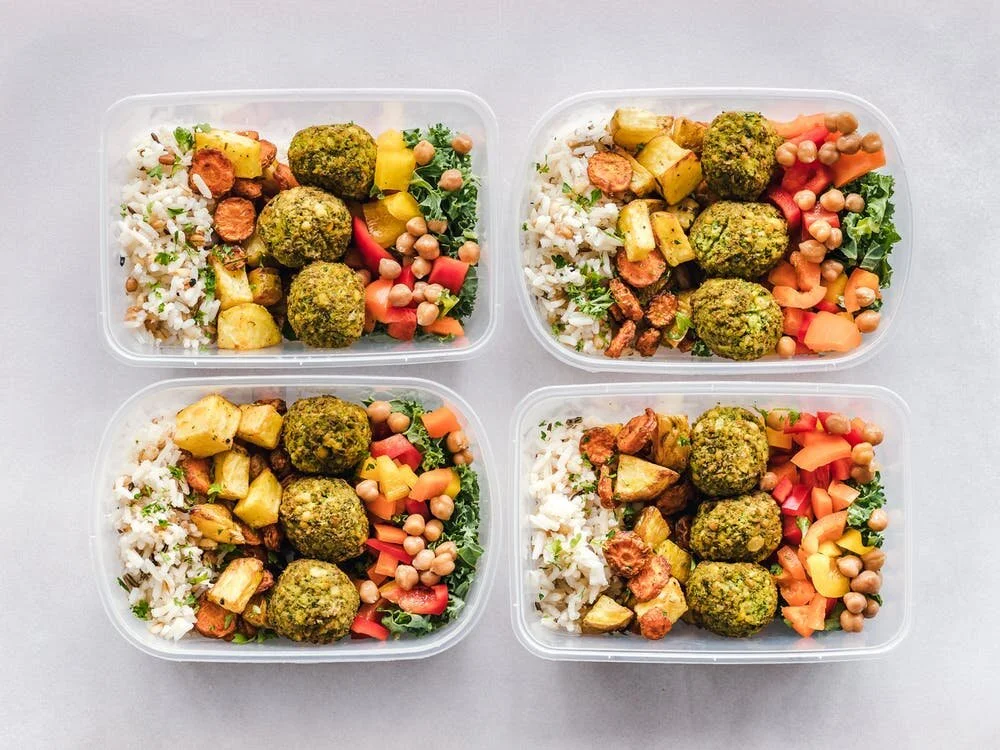
The return on investment for meal prep is clear. By dedicating one block of time to cooking, you can reduce your total weekly cooking time by 50-70%. Think about it: one session of chopping, one round of cooking, and one cleanup. This efficiency reclaims 5-10 hours every week.
Financially, the savings add up quickly. Planning meals prevents last-minute takeout orders on tired evenings. Buying ingredients with a plan allows you to purchase in bulk and minimize food waste—a major drain on household budgets. Many find they save hundreds of dollars a month, making it one of the most effective strategies for anyone looking into cheap meal prep.
Health and Nutrition Benefits
When you’re exhausted, it’s easy to reach for convenient but less-than-healthy options. Meal prep puts you back in control. You decide the ingredients, the cooking methods, and the portion control.
Having balanced meals ready to go helps maintain stable blood sugar and energy levels, preventing the afternoon slump. This consistency is key for supporting health goals, whether it’s weight management, athletic performance, or simply feeling more energized. Consistent, nutritious eating has a direct impact on your mood and overall well-being.
Getting Started: Essential Meal Prep Tools and Containers
You don’t need a kitchen full of gadgets to start meal prepping, but a few key items will make the process much smoother. The right tools save time and ensure your food stays fresh and delicious.
Choosing the Right Storage Containers
Your containers are your most important tool. Here’s a quick breakdown:
- Glass Containers: Borosilicate glass is a fantastic choice. It’s durable, won’t stain or hold odors, and is safe for the oven, microwave, and dishwasher. Look for options with 2-3 compartments to keep food separate.
- BPA-Free Plastic Containers: These are lightweight, affordable, and great for prepping in large quantities. They are perfect for carrying to work and are often designed to be stackable and space-efficient.
- Mason Jars: Ideal for layered salads (dressing on the bottom!), overnight oats, and chia pudding. Their vertical shape keeps ingredients distinct until you’re ready to mix them.
When choosing, consider leak-proof lids for transport and freezer-safe materials if you plan to store meals for longer than a few days.
Time-Saving Kitchen Appliances
While not essential, these appliances can significantly cut down your active prep time:
- Slow Cooker: The ultimate “set it and forget it” tool. Perfect for soups, stews, and pulled meats.
- Instant Pot (or Pressure Cooker): Drastically reduces cooking time for things like grains, beans, and tough cuts of meat.
- Air Fryer: Great for quickly roasting vegetables or reheating meals to a perfect crispness without getting soggy.
A good food processor for chopping and a simple rice cooker can also be huge time-savers.
Step-by-Step Meal Prep Process for Busy Schedules
Here is a simple, four-step framework to get you started. This entire process typically takes 1-3 hours, depending on how many meals you’re making.
Step 1: Create a Weekly Meal Plan
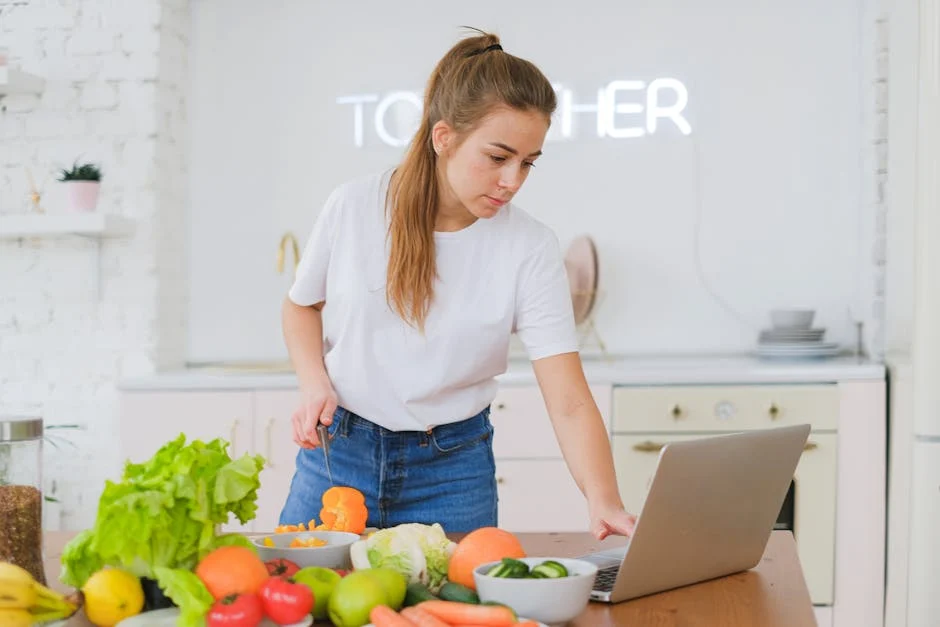
Before you do anything, decide what you’re going to eat. Start small. You don’t need to plan every single meal for seven days. Aim for 3-4 recipes for the week. Pick recipes that share ingredients to simplify your shopping list. For example, grilled chicken can be used in a salad, a wrap, and a grain bowl. Be realistic about your schedule—plan a grab-and-go meal for your busiest day.
Step 2: Make a Strategic Grocery List
An organized list saves you time and prevents impulse buys. Group items by their section in the store (produce, dairy, meat, pantry). Before you leave, double-check your pantry and fridge to see what you already have. To save even more time, consider using a grocery pickup or delivery service. Don’t be afraid to buy pre-cut vegetables if chopping is your least favorite part.
Step 3: Efficient Cooking and Assembly
This is where you make the magic happen. To be efficient, think about your workflow:
- Start with what takes longest: Get your grains (rice, quinoa) cooking and put anything that needs roasting in the oven first.
- Multitask: While those items cook, chop your vegetables and prepare your proteins.
- Batch cook components: Cook all of your chicken, roast all of your vegetables, and hard-boil all of your eggs at the same time.
- Cool before storing: Let everything cool down before you pack it into containers to prevent condensation and sogginess.
Step 4: Proper Storage and Labeling
Store your meals properly to keep them fresh and safe. Use airtight containers and let food cool completely before sealing and refrigerating. Label each container with the contents and the date it was made. A simple piece of masking tape and a marker works perfectly. Plan to eat meals with delicate ingredients (like salads) earlier in the week and save heartier meals (like stews) for later.
Time-Saving Meal Prep Strategies for the Extremely Busy
If even a 2-hour prep session feels impossible, these shortcuts are for you. The goal is to make meal prep work for your life, not the other way around.
Batch Cooking and Recipe Multiplying
Batch cooking is the foundation of efficient meal prep. Instead of making five distinct meals, you prepare large quantities of core components that can be mixed and matched. For example, on Sunday you could prepare:
- A big batch of quinoa
- Grilled chicken breasts
- Roasted broccoli and sweet potatoes
- A simple vinaigrette dressing
These components can become a chicken and quinoa bowl on Monday, a chicken salad on Tuesday, and a side dish for another meal on Wednesday.
Buffet-Style Meal Prep
This is a flexible alternative to packing pre-portioned meals. You prepare several components and store them in separate large containers in the fridge. Each day, you build your plate based on what you’re in the mood for. This approach prevents flavor fatigue and is great for households where people have different preferences. A sample buffet could include:
- Proteins: Shredded chicken, chickpeas
- Veggies: Roasted carrots, steamed green beans, raw spinach
- Grains: Brown rice
- Sauces: Pesto, salsa
Strategic Use of Convenience Items
Let go of the guilt. Using smart convenience items is not cheating; it’s a strategy. High-quality shortcuts can save you significant time while still allowing you to eat well. Good options include:
- Rotisserie chicken: A ready-to-eat protein source.
- Frozen vegetables: They are just as nutritious as fresh and require no washing or chopping.
- Pre-washed salad greens: A huge time-saver.
- Canned beans: A quick and easy source of plant-based protein and fiber.
- Jarred sauces and broths: Look for low-sodium and low-sugar options.
Best Meal Prep Recipes and Ideas for Busy People
The best meal prep recipes are simple, use minimal ingredients, and hold up well in the fridge. Focus on one-pot meals, sheet pan dinners, and no-cook options.
Breakfast Meal Prep Ideas
Mornings are often the most rushed part of the day. Having breakfast ready can make a huge difference. For more detailed recipes, check out these ideas for healthy breakfast meal prep.
- Overnight Oats: Combine oats, milk, and your favorite toppings in a jar. Let it sit overnight in the fridge.
- Egg Muffins: Whisk eggs with veggies and cheese, pour into a muffin tin, and bake.
- Smoothie Packs: Portion out fruit, vegetables, and protein powder into freezer bags. In the morning, just add liquid and blend.
Lunch Meal Prep Options
Lunches need to be portable and delicious, whether you’re eating at a desk or on the go.
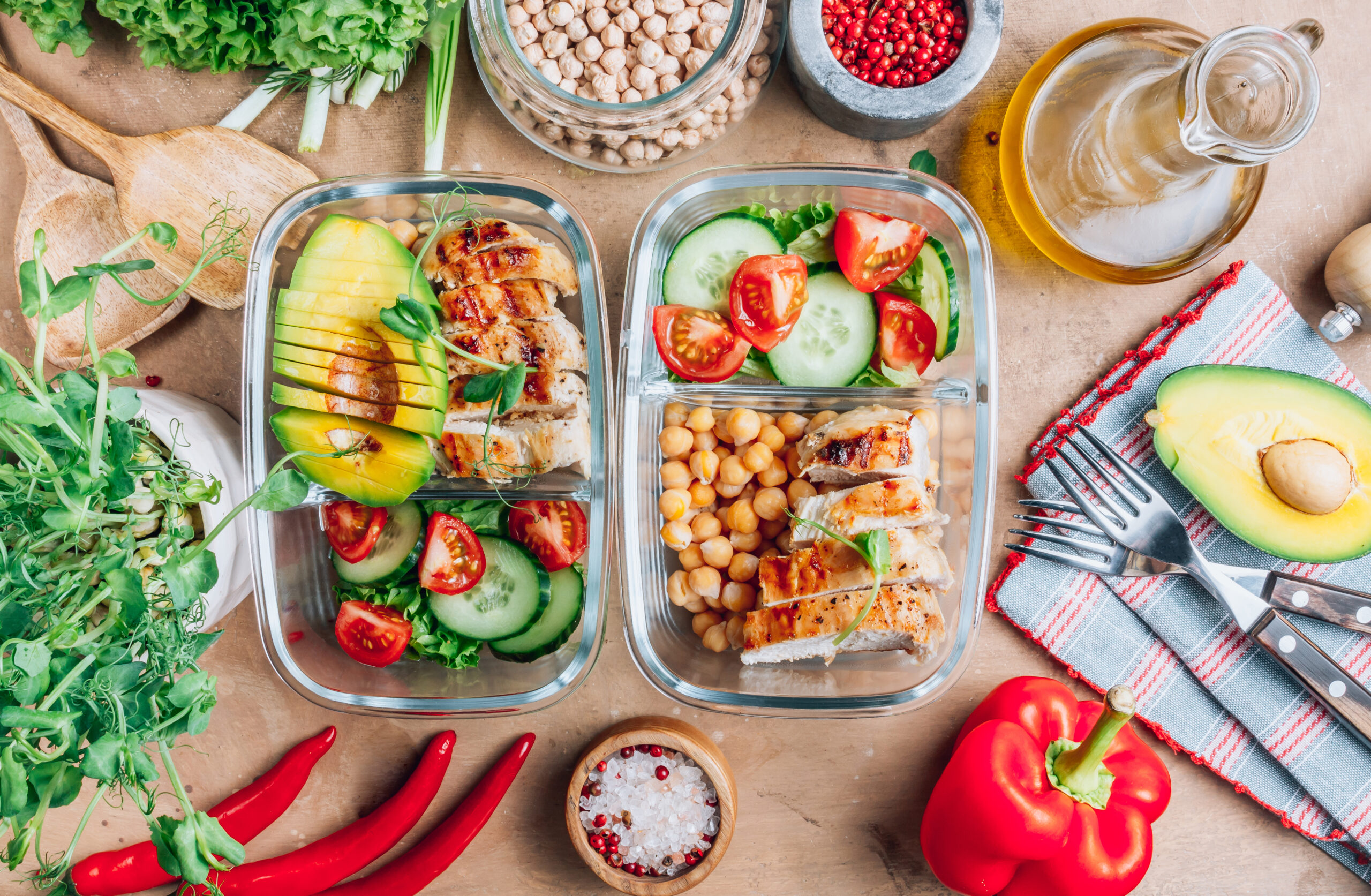
- Grain Bowls: Combine a grain (quinoa, rice), a protein (chicken, chickpeas), roasted veggies, and a dressing.
- Mason Jar Salads: Layer dressing on the bottom, followed by hard vegetables, grains, protein, and leafy greens on top.
- Soups and Stews: These often taste even better the next day. Portion into microwave-safe containers.
Looking for more inspiration? We have a collection of healthy lunch meal prep recipes that are perfect for busy workdays.
Dinner Meal Prep Solutions
Dinner prep can be about making a full meal or just getting a head start.
- Sheet Pan Meals: Toss a protein (sausage, salmon) and vegetables (broccoli, potatoes) with oil and seasonings on a sheet pan and roast.
- Slow Cooker Meals: Pulled pork, chili, and curry are all fantastic make-ahead options.
- Stir-fry Packs: Pre-chop all your vegetables and protein for a stir-fry. When you get home, it will cook in under 10 minutes.
Meal Prep Schedule: When and How to Prep
There’s no single “right” time to meal prep. The key is to find a routine that fits your schedule and energy levels.
Single Session vs. Split Prep
- Single Session: This is the classic Sunday afternoon prep. You get everything done in one 2-3 hour block, leaving your weeknights completely free. The downside is that food prepared on Sunday might not be as fresh by Friday.
- Split Prep: This involves two shorter sessions, perhaps 1 hour on Sunday and another 30-45 minutes on Wednesday. This approach ensures your meals are fresher mid-week and can feel less overwhelming.
Time Estimates and Realistic Expectations
Don’t expect to become a meal prep expert overnight. Start small. Prepping just three lunches for the week is a huge win. For one person, a simple prep should take about 60-90 minutes. For a family, it might be closer to 2-3 hours. Remember, you will get faster and more efficient with practice.
Meal Prep Tips for Specific Dietary Needs
The principles of meal prep apply to any eating style. You just need to swap out the ingredients.
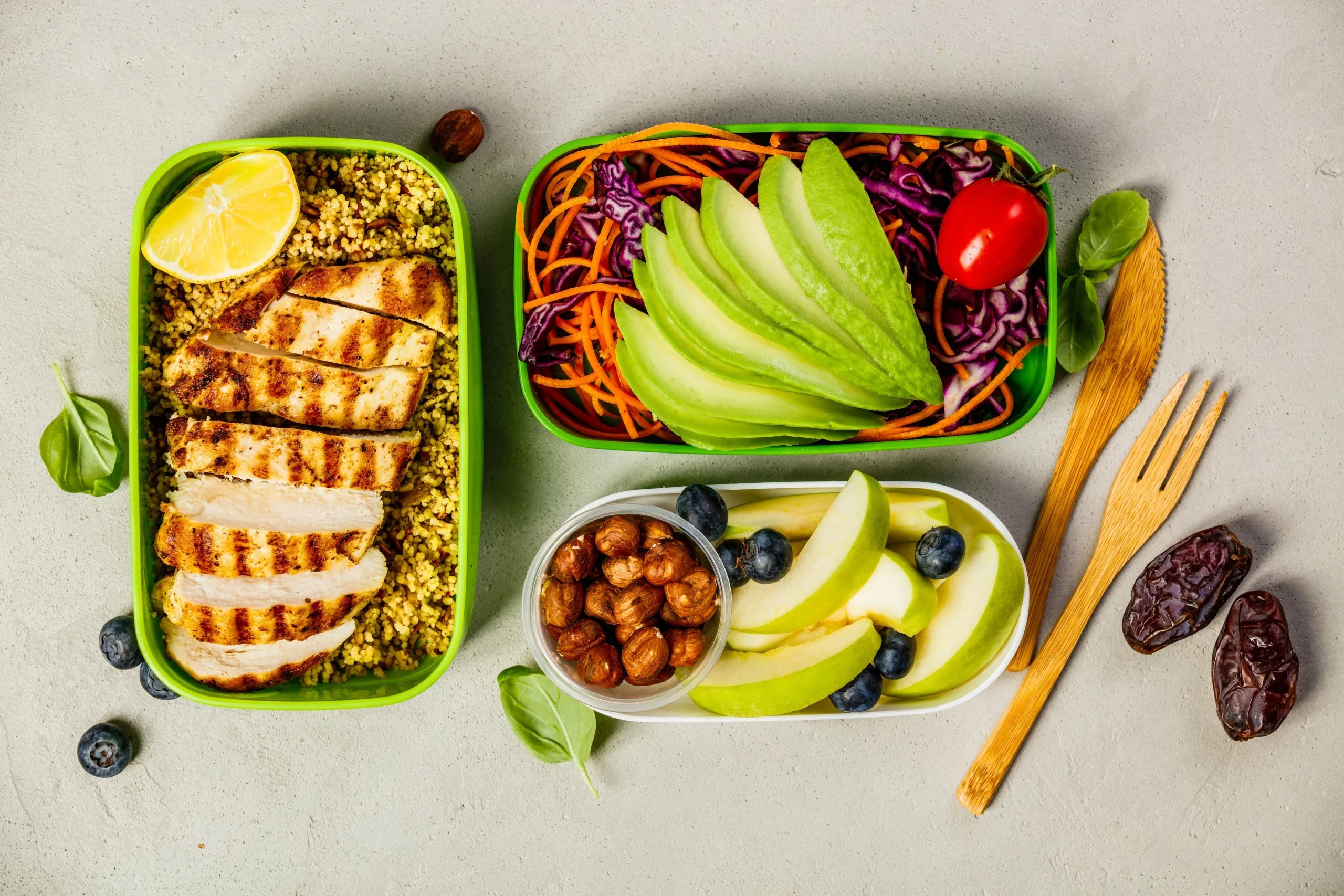
- High-Protein: Focus on batch cooking lean proteins like chicken, fish, lean beef, eggs, and tofu. Add Greek yogurt or protein powder to smoothies and oats.
- Low-Carb/Keto: Prep non-starchy vegetables like cauliflower, zucchini, and leafy greens. Your proteins will be key, along with healthy fats like avocado and nuts. Cauliflower rice and zucchini noodles are great base ingredients.
- Vegetarian/Vegan: Batch cook plant-based proteins like lentils, chickpeas, tofu, and tempeh. Quinoa is an excellent source of complete protein. Ensure you have plenty of roasted vegetables and healthy fats on hand.
- Allergy-Friendly: Meal prep is one of the best ways to control ingredients and avoid cross-contamination. You have full oversight of what goes into your food, making it easier to manage allergies to gluten, dairy, nuts, or other allergens.
Meal prep is a skill, and like any skill, it gets easier with practice. Start with one or two meals this week and see how it feels. You might be surprised at how much time and mental energy you get back. For more tips and inspiration on your wellness journey, explore the resources at Not One Type.

Có thể bạn quan tâm
Healthy Eating on the Go: Simple Strategies for Busy Lifestyles
Maintaining nutritious eating habits while managing a hectic schedule can feel overwhelming, but healthy eating...
Dec
Healthy Snack Ideas for On the Go: Easy Portable Options for Busy Lifestyles
Finding nutritious snacks that travel well can transform your daily routine and help you maintain...
Dec
How to Build Sustainable Eating Habits: A Guide to Healthier Living and a Greener Planet
Sustainable eating habits involve choosing foods that support both personal health and environmental wellbeing. It’s about...
Dec
Healthy Grocery List: Complete Guide + Printable Template
Creating a healthy grocery list is one of the most effective first steps you can...
Dec
Healthy Grocery List for 2: Complete Guide to Smart Shopping and Meal Planning
Shopping for two people requires a strategic approach to avoid waste while maintaining a healthy...
Dec
How to Stock a Pantry: Your Complete Guide to Essential Kitchen Staples
A well-stocked pantry is the heart of a happy, efficient kitchen. It’s your secret weapon...
Dec