
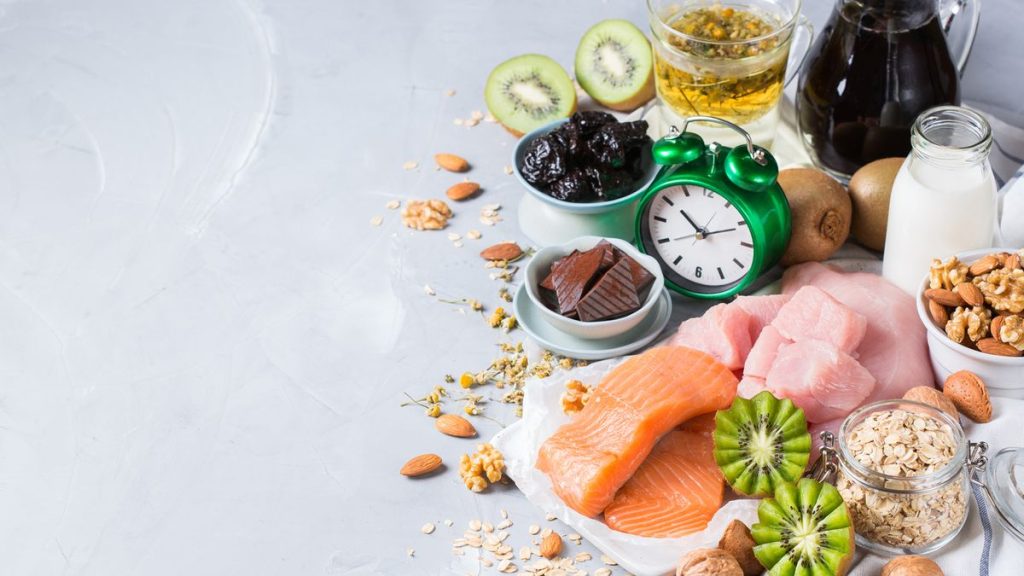
Quality sleep is essential for your physical health, mental wellbeing, and daily performance. Yet, many of us struggle to get the rest we need. While things like stress and screen time get a lot of attention, what you eat plays a surprisingly big role in regulating your body’s natural sleep-wake cycle. The right foods contain compounds like melatonin, tryptophan, and magnesium that can help you fall asleep faster and enjoy deeper rest. Conversely, knowing the worst foods to eat before bed is just as important for a peaceful night.
How Food Affects Sleep Quality
The connection between your diet and sleep isn’t just an old wives’ tale; it’s backed by science. Specific nutrients directly influence the hormones and neurotransmitters that control when you feel tired and when you feel alert. Think of it as giving your body the right building blocks to create a state of calm and readiness for sleep.

The Role of Melatonin in Sleep Regulation
Melatonin is often called the “sleep hormone” for a good reason. Your brain’s pineal gland produces it in response to darkness, signaling that it’s time to wind down. This hormone governs your circadian rhythm—your internal 24-hour clock. While your body makes its own melatonin, consuming foods that naturally contain it can supplement your levels and reinforce that “time for bed” signal.
Tryptophan and Serotonin Production
Tryptophan is an essential amino acid, meaning your body can’t produce it on its own; you have to get it from food. It serves as a precursor to serotonin, a neurotransmitter that promotes feelings of wellbeing and relaxation. Your body then converts serotonin into melatonin. This is why protein-rich foods containing tryptophan are so effective. Combining them with complex carbohydrates can help the tryptophan cross the blood-brain barrier more easily, enhancing its calming effects.
Magnesium’s Impact on Sleep
If you ever feel restless or tense at night, a lack of magnesium could be a factor. This vital mineral helps calm the nervous system by supporting the production of GABA, a neurotransmitter that quiets brain activity. Magnesium also helps relax your muscles and can reduce levels of the stress hormone cortisol. Studies have linked magnesium deficiency to insomnia, making it a critical nutrient for restorative sleep.
Best Fruits That Help You Sleep
Certain fruits are packed with sleep-promoting compounds. Adding them to your evening routine can be a simple and delicious way to improve your rest.
Tart Cherries and Cherry Juice
Tart cherries, especially the Montmorency variety, are one of the best natural sources of melatonin. Research has shown that drinking tart cherry juice can increase sleep duration and improve sleep quality, particularly for those with insomnia. A small glass of juice or a handful of dried tart cherries in the evening can be beneficial.
Kiwifruit
This small green fruit is a sleep superstar. One study found that participants who ate two kiwis one hour before bed fell asleep 42% faster and reported better sleep quality. This is likely due to kiwi’s high serotonin content, antioxidants, and folate, a nutrient whose deficiency is sometimes linked to sleep disorders.
Bananas
Bananas are a convenient bedtime snack for good reason. They contain a trifecta of sleep-supporting nutrients: magnesium and potassium for muscle relaxation, and tryptophan to help your body produce serotonin and melatonin.
Other Sleep-Friendly Fruits
- Avocados: Rich in magnesium and healthy fats that promote satiety without spiking your blood sugar.
- Oranges & Pineapple: These fruits also provide a natural source of melatonin.
- Figs: A good source of magnesium, potassium, and fiber, which helps with stable digestion through the night.
Nuts and Seeds for Better Sleep
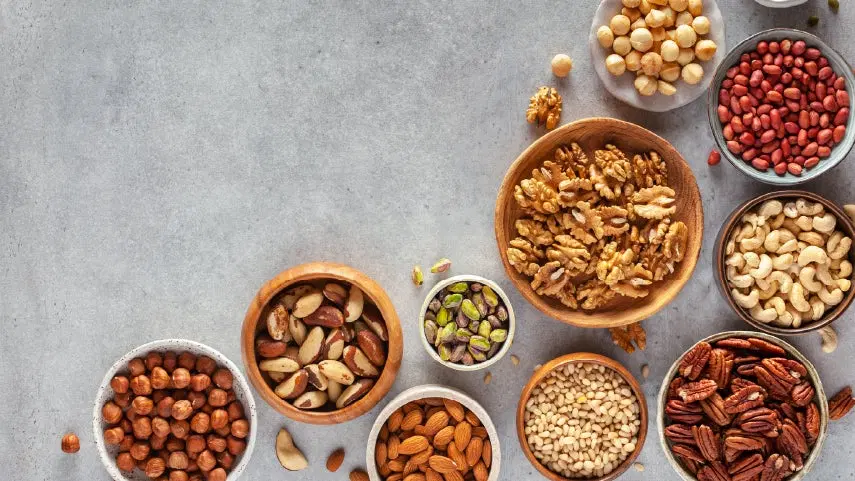
Nuts and seeds are fantastic evening snacks. They offer a balanced mix of melatonin, magnesium, tryptophan, and healthy fats that keep you full without feeling heavy.
Almonds
A small handful of almonds is an excellent choice before bed. They are a great source of both melatonin and magnesium, which work together to reduce nerve activity and prepare your body for rest.
Walnuts
Walnuts are another top contender, as they are one of the best plant-based sources of melatonin. They also contain omega-3 fatty acids, which can contribute to better sleep quality over time.
Pistachios
Pistachios are packed with melatonin, magnesium, and vitamin B6. Vitamin B6 is crucial because it helps convert tryptophan into melatonin, making the whole process more efficient.
Pumpkin Seeds
Just one ounce of pumpkin seeds provides an impressive 37% of your daily magnesium needs. They also contain tryptophan and healthy fats, making them a nutrient-dense option to support your sleep.
Protein Sources That Promote Sleep
Lean protein sources can be very effective for sleep, as long as you choose the right ones. Focus on options that are high in tryptophan and easy to digest.
Turkey and Chicken
The post-Thanksgiving dinner drowsiness is real, and it’s largely thanks to the tryptophan in turkey. Both turkey and chicken are excellent lean protein sources that boost melatonin production. Just be sure to opt for baked or roasted preparations, not fried.
Fatty Fish
Oily fish like salmon, tuna, and mackerel are unique because they provide a combination of omega-3 fatty acids and vitamin D. Both are essential for the body’s regulation of serotonin. Research suggests that regular consumption of fatty fish can lead to significant improvements in sleep quality.
Eggs
Eggs are a simple and versatile source of both melatonin and tryptophan. A hard-boiled egg is an easy, light snack that won’t weigh you down before bed.
Tofu and Edamame
Soy-based products like tofu and edamame are powerful plant-based sources of tryptophan. They also contain compounds called isoflavones, which some studies suggest may help regulate sleep duration.
Dairy Products for Sleep Support
The tradition of drinking a warm glass of milk before bed is rooted in science. Dairy products contain tryptophan as well as calcium, which helps the brain use tryptophan to manufacture melatonin. Studies, particularly in older adults, have found that consuming milk can lead to better sleep.
Complex Carbohydrates and Whole Grains
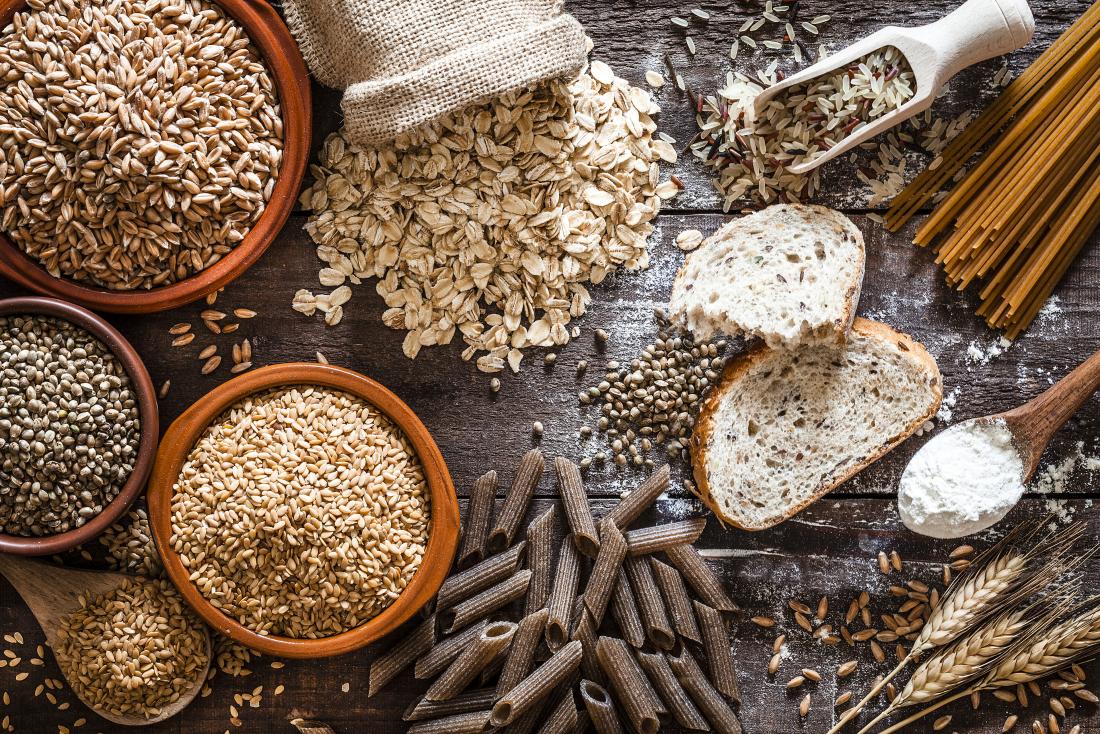
Pairing a small portion of complex carbohydrates with a tryptophan-rich protein is a classic strategy for promoting sleep. Carbs help make tryptophan more available to the brain and can increase serotonin levels.
Oatmeal
A small bowl of warm oatmeal is comforting and effective. Oats are a natural source of melatonin and contain complex carbs that provide a steady release of energy, preventing blood sugar crashes that can wake you up.
White Rice
Interestingly, some research has shown that white rice, with its higher glycemic index, can help induce sleep when consumed a few hours before bedtime. The key is a small portion to avoid digestive discomfort.
Whole Grain Bread and Quinoa
A slice of whole-grain toast with a bit of turkey or a small serving of quinoa can be part of a balanced, sleep-friendly meal. Quinoa is especially beneficial as it contains both protein and magnesium.
Vegetables That Support Better Sleep
Don’t overlook vegetables when planning your evening meal. Many are packed with nutrients that can help you unwind.
Leafy Greens (Spinach and Kale)
Spinach is a powerhouse of magnesium and tryptophan. Kale is rich in vitamin B6, which supports the production of serotonin and melatonin.
Sweet Potatoes and Avocados
Both are excellent sources of potassium and magnesium, which help relax muscles. Avocados also provide healthy fats that contribute to a feeling of calm and satiety.
Chickpeas
Chickpeas are a fantastic source of vitamin B6, playing a vital role in serotonin production. Hummus with a few whole-grain crackers or veggie sticks makes for a great late-night snack.
Beverages That Help You Sleep
What you drink in the evening matters just as much as what you eat. Choosing the right beverage can be the perfect final step in your wind-down routine. For a deeper look, you might want to explore other drinks to help you sleep.
Chamomile Tea
Chamomile is a classic herbal remedy for sleeplessness. It contains an antioxidant called apigenin, which binds to receptors in your brain that may decrease anxiety and initiate sleep.
Tart Cherry Juice
As mentioned earlier, unsweetened tart cherry juice is a concentrated source of melatonin and has been shown in studies to improve sleep.
Milk
Whether you warm it up or drink it cold, milk’s combination of tryptophan and calcium makes it a time-tested sleep aid. If you are lactose intolerant, fortified soy milk or almond milk can be good alternatives.
Foods and Drinks to Avoid Before Bed
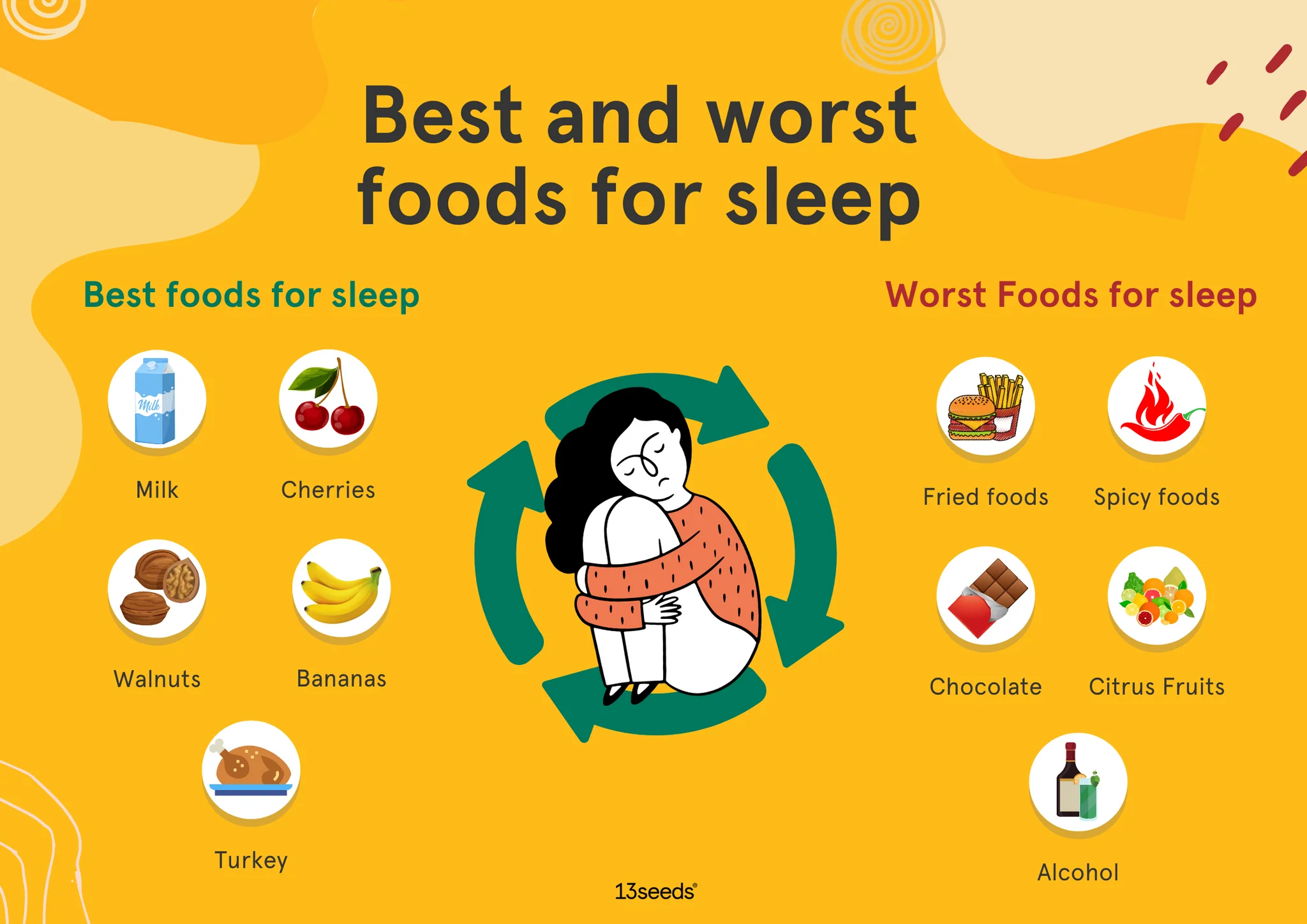
Just as some foods help you sleep, others can actively disrupt it. Being mindful of these can make a huge difference. Steer clear of obvious stimulants like coffee, but also be aware of the more subtle sleep-stealers. Many of these are precisely the foods that keep you awake.
- Caffeine: Its stimulating effects can last for over six hours.
- Alcohol: While it might make you feel drowsy initially, it disrupts REM sleep later in the night.
- Spicy & Acidic Foods: These can cause heartburn and indigestion.
- High-Fat & Fried Foods: They are slow to digest and can cause discomfort.
- High-Sugar Foods: They can cause blood sugar spikes and crashes that disturb sleep.
Best Practices for Eating Before Bed
- Timing is Key: Eat your last large meal 2-3 hours before bed. If you need a snack, keep it light and have it about an hour before you lie down.
- Portion Control: A small, light snack is best. Think a handful of nuts, not a full plate of leftovers.
- Smart Combinations: Pair a protein with a complex carb. For example, a banana with almond butter or a few whole-grain crackers with a slice of turkey. This combination provides a sustained release of sleep-promoting nutrients.
When to Eat for Optimal Sleep
Consistency is crucial. Aim to finish dinner at least 2-3 hours before your bedtime to allow for proper digestion. A small, strategic snack closer to bedtime is fine if you’re hungry, as going to bed starving can also disrupt sleep. Aligning your meal times with your sleep schedule helps reinforce your body’s circadian rhythm.
Other Factors That Affect Sleep Quality
Diet is a powerful tool, but it’s just one piece of the puzzle. For the best results, combine a sleep-friendly diet with good sleep hygiene. This includes:
- Getting regular exercise (but not too close to bedtime).
- Managing stress through practices like meditation or journaling.
- Creating a dark, cool, and quiet sleep environment.
- Sticking to a consistent sleep-wake schedule.
- Limiting screen time before bed.
By nourishing your body with the right foods and adopting healthy habits, you can pave the way for more restful nights and more energized days. For more tips on living a balanced life, feel free to explore more content on www.notonetype.org.

Có thể bạn quan tâm
Healthy Eating on the Go: Simple Strategies for Busy Lifestyles
Maintaining nutritious eating habits while managing a hectic schedule can feel overwhelming, but healthy eating...
Dec
Healthy Snack Ideas for On the Go: Easy Portable Options for Busy Lifestyles
Finding nutritious snacks that travel well can transform your daily routine and help you maintain...
Dec
How to Build Sustainable Eating Habits: A Guide to Healthier Living and a Greener Planet
Sustainable eating habits involve choosing foods that support both personal health and environmental wellbeing. It’s about...
Dec
Healthy Grocery List: Complete Guide + Printable Template
Creating a healthy grocery list is one of the most effective first steps you can...
Dec
Healthy Grocery List for 2: Complete Guide to Smart Shopping and Meal Planning
Shopping for two people requires a strategic approach to avoid waste while maintaining a healthy...
Dec
How to Stock a Pantry: Your Complete Guide to Essential Kitchen Staples
A well-stocked pantry is the heart of a happy, efficient kitchen. It’s your secret weapon...
Dec