
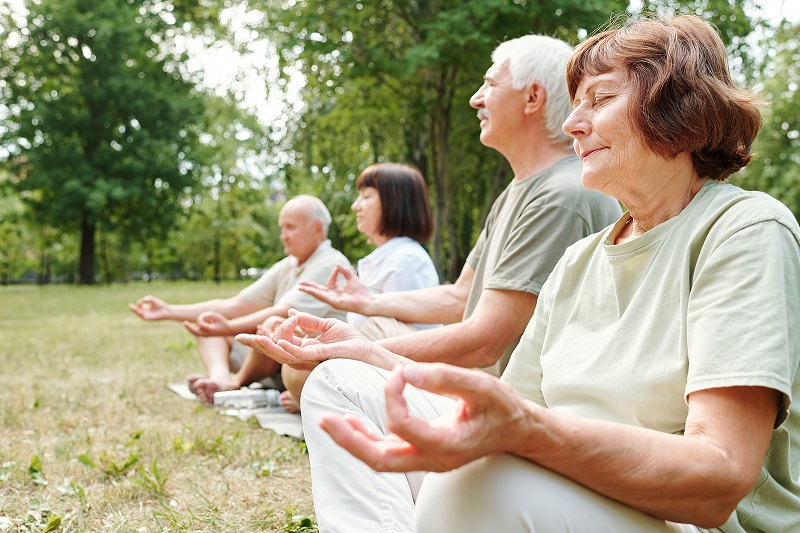
Self-care becomes so much more important as we get older. It’s what helps us maintain our independence, stay active, and truly enjoy life. Whether you’re navigating retirement, managing health changes, or just want to brighten your daily routine, a little self-care goes a long way. It can improve your physical health, mental clarity, and emotional balance. These aren’t complicated, life-altering changes, but simple, straightforward self care activities you can weave into your life to make the most of your golden years.
Why Does Self-Care Matter for Seniors
As a wellness blogger, I often talk about how self-care is crucial at every stage of life, but it takes on a special meaning in our later years. It’s not about indulgence; it’s about intentionally doing things that protect our physical and mental health. Life brings changes—retirement, shifts in our health, or kids moving far away—that can be challenging. Self-care is our personal toolkit for navigating these transitions with grace and strength. It’s about empowering ourselves to live with vitality and purpose.
Benefits of Prioritizing Your Well-Being
When we consistently take care of ourselves, the rewards are immense. It helps us maintain independence by keeping our bodies strong and our minds clear. Regularly engaging in new activities can preserve our cognitive abilities and even lower the risk of memory decline. Beyond the physical, self-care helps us find personal fulfillment through hobbies and relationships that bring us joy. And just as importantly, it gives us the tools to manage daily stress and anxiety, leading to a more peaceful and balanced life.
Physical Health and Wellness
Our physical health is the foundation of everything else. When our bodies feel good, we have the energy and ability to do the things we love. Think of it as tending to a garden—consistent care helps everything flourish. Staying physically healthy is what allows us to stay independent and maintain a high quality of life.
Stay Active with Regular Exercise
You don’t need to run a marathon to reap the benefits of exercise. Regular physical activity is key for seniors, as it improves balance, which can reduce the risk of falls, supports heart health, and gives your mood a natural boost. The best part is finding something you genuinely enjoy. This could be a daily walk in the park, a gentle yoga or tai chi class, swimming, or even just stretching while you watch TV. Even light activity makes a huge difference in the long run. The goal is active aging, not intense training.
Eat a Balanced, Nutritious Diet
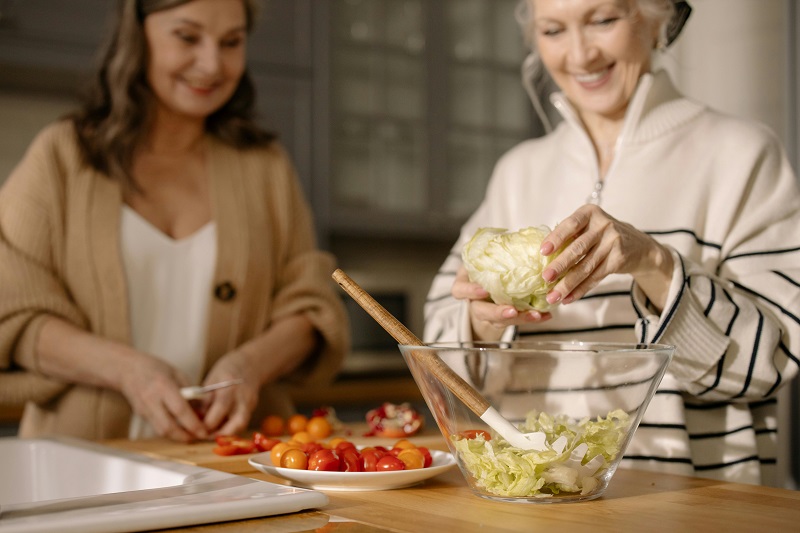
Food is fuel, and the right fuel makes all the difference in our energy levels and immune function. A balanced diet full of nutrient-dense foods—think colorful fruits and vegetables, lean proteins, whole grains, and healthy fats—supports your overall health. I try to be mindful about limiting sugar and salt, but it’s not about restriction. It’s about nourishment. Of course, it’s always a good idea to chat with your doctor before making any big dietary changes, especially regarding supplements.
Stay Hydrated Throughout the Day
Did you know our sense of thirst can fade a bit as we age? That’s why it’s so important to be intentional about drinking water. Staying hydrated is critical for digestion, circulation, and keeping your energy levels up. I keep a water bottle with me throughout the day as a simple reminder. Eating water-rich foods like watermelon or cucumbers helps, too!
Keep Up with Medical Checkups
This is one of the most practical forms of self-care. Staying on top of routine preventative care helps catch potential issues early. Making time for blood pressure checks, eye exams, dental visits, and hearing tests is a proactive way to invest in your long-term health and independence.
Self Care for Seniors: Mental and Emotional Well-Being
Our mental health is just as important as our physical health. It’s normal to face stress or anxiety, but we have so many tools to help us manage these feelings. Nurturing our emotional well-being allows us to stay resilient and find joy in everyday life.
Manage Stress with Relaxation Techniques
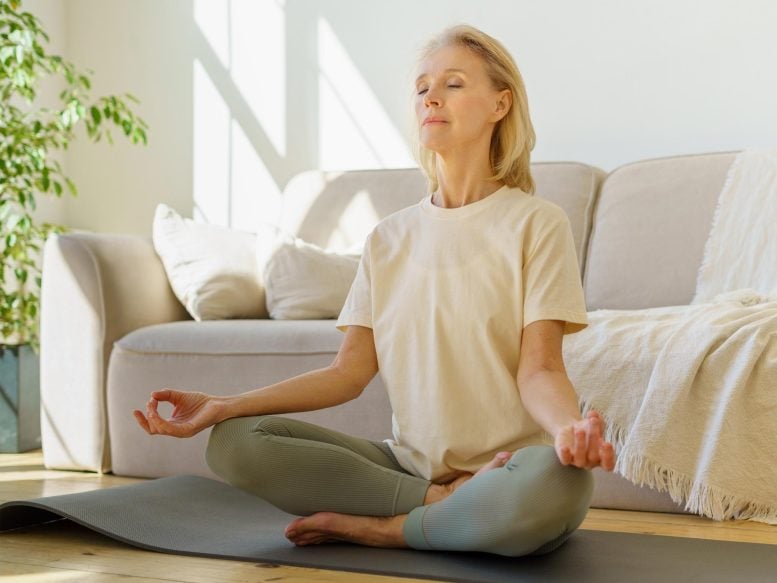
Chronic stress can take a toll on our health, contributing to issues like high blood pressure. Simple relaxation practices can make a world of difference. Things like meditation, deep breathing exercises, or even just listening to calming music for a few minutes each day can significantly lower stress levels. If you’re feeling overwhelmed and need help with how to turn a bad day around, these small moments of peace can be a great starting point.
How Can You Keep Your Mind Sharp and Engaged?
Keeping our brains active is a powerful way to support cognitive health and prevent memory loss. The key is to challenge your mind regularly. This can be fun! Do a daily crossword puzzle, read books, learn a few words in a new language, or play strategy games with friends. These activities aren’t just pastimes; they are essential workouts for your brain.
Social Connection and Engagement
Humans are wired for connection. As we get older, it can sometimes be harder to maintain our social circles, which is why being proactive is so important. Loneliness is a real health risk, linked to everything from depression to heart disease. Staying engaged with others is vital for our happiness.
Build and Maintain Relationships
Nurturing your relationships is a cornerstone of social well-being. Make it a habit to schedule regular phone calls or video chats with family and friends. If possible, join a local club or volunteer for a cause you care about. These connections provide a support system and a sense of belonging that is incredibly valuable.
Pursue Hobbies and Interests
Hobbies are wonderful for our minds and spirits. They provide a sense of purpose and are a great way to meet new people. Whether it’s gardening, painting, playing an instrument, or joining a book club, engaging in activities you love keeps life interesting and vibrant.
Quality Sleep for Better Health
Never underestimate the power of a good night’s sleep. It’s when our bodies and minds repair and recharge. To improve your sleep, try to:
- Aim for 7-9 hours a night.
- Stick to a consistent bedtime and wake-up time.
- Create a dark, quiet, and cool sleeping environment.
- Avoid screens like phones or TVs for an hour before bed.
- Limit caffeine, especially in the afternoon and evening.

Creating a Safe and Comfortable Home
Feeling safe at home is a form of self-care that provides peace of mind. Simple modifications can drastically reduce the risk of falls and injuries without needing a major renovation. A few practical ideas include installing grab bars in the bathroom, using non-slip mats in the shower and kitchen, making sure hallways and stairs are well-lit, and removing tripping hazards like loose rugs.
Building Your Self-Care Routine
Knowing what to do is one thing; actually doing it is another. The best way to incorporate these habits is by creating a simple and sustainable self-care routine.
Start Small and Stay Consistent
You don’t have to change everything at once. Pick one or two small things to start with, like going for a 10-minute walk each morning or drinking an extra glass of water. Consistency is more important than perfection. Small, steady steps lead to big results over time.
Track Progress and Celebrate Wins
Take a moment to acknowledge your efforts! You could keep a simple journal to note what you did each day that made you feel good. Seeing your progress is a great motivator and helps reinforce these positive new habits.
Get Support When You Need It
There’s no need to do this alone. Share your goals with a friend or family member who can offer encouragement. Your support system is there to help you succeed, and asking for help is a sign of strength.
Conclusion
Self-care for seniors isn’t about adding more tasks to your to-do list. It’s about making mindful choices every day that honor your health and happiness. By focusing on these different types of self care, from moving your body to connecting with loved ones, you are investing in a future that is vibrant, independent, and joyful. It’s a journey of small, consistent steps, and you are absolutely worth the effort.
Here at www.notonetype.org, we believe in supporting well-being at every age. We hope these tips help you on your path

Có thể bạn quan tâm
Self Care at Work: Simple Strategies to Boost Your Well-Being and Productivity
Taking care of yourself at work isn’t selfish—it’s essential for maintaining your health, happiness, and...
Dec
Self Care Activities for Staff Meetings: 20 Simple Ideas to Boost Wellbeing
Staff meetings don’t have to drain your team’s energy. In fact, they can be the...
Dec
Self Care for Teens: 15+ Tips to Manage Stress and Build Healthy Habits
Being a teenager is a lot. Between school pressure, a social life that’s always online,...
Dec
Self-Care for Women: 25+ Ideas to Prioritize Your Well-Being
Self-care isn’t a luxury—it’s essential for women balancing careers, relationships, family, and countless daily responsibilities....
Dec
Self Care for Women Over 40: Your Complete Guide to Thriving in Midlife
Turning 40 marks a shift where your body, mind, and priorities begin to change in...
Dec
How to Turn a Bad Day Around: 15 Simple Strategies That Actually Work
Everyone has bad days—those mornings when you wake up late, spill coffee on your shirt,...
Dec