
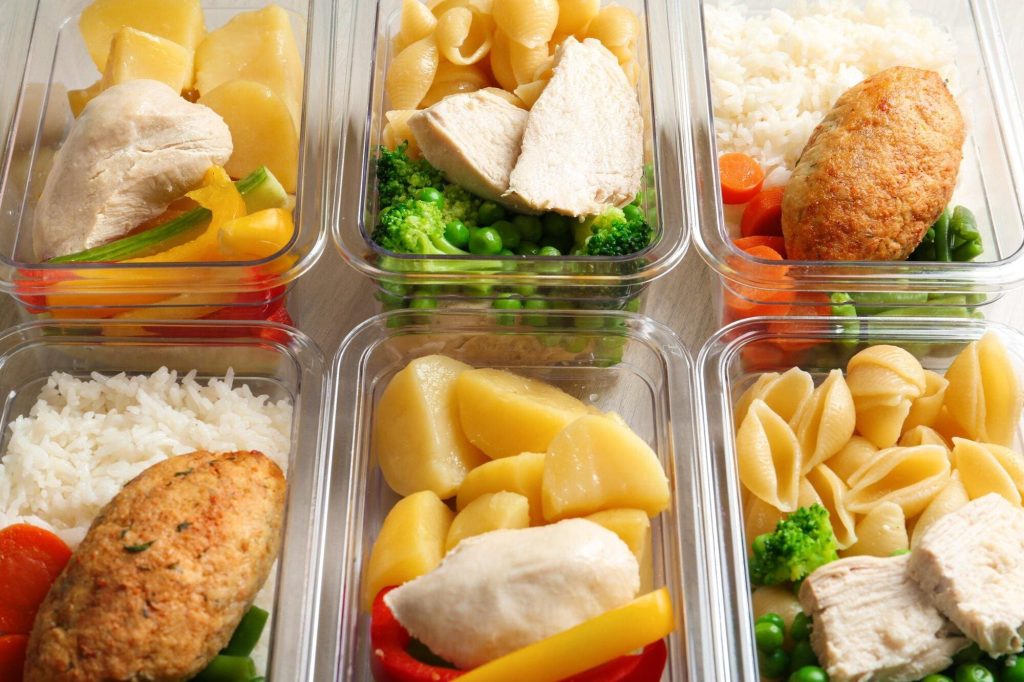
Preparing healthy lunches in advance can transform hectic weekdays into moments of calm, nourishing calm. It’s the secret to reclaiming your midday break while effortlessly supporting your nutrition goals and your budget. Meal prepping is simple: you batch-cook complete meals or components on one day—usually a Sunday—and store them in portioned containers for grab-and-go convenience. If you’re looking for even more healthy meal prep ideas to cover all your meals, we’ve got you covered. This guide is your starting point, packed with tested recipes, storage strategies, and practical tips to help you master the art of the prepped lunch.
Benefits of Lunch Meal Prep
Dedicating a couple of hours to lunch prep offers a massive return on your investment. Here’s what you gain:
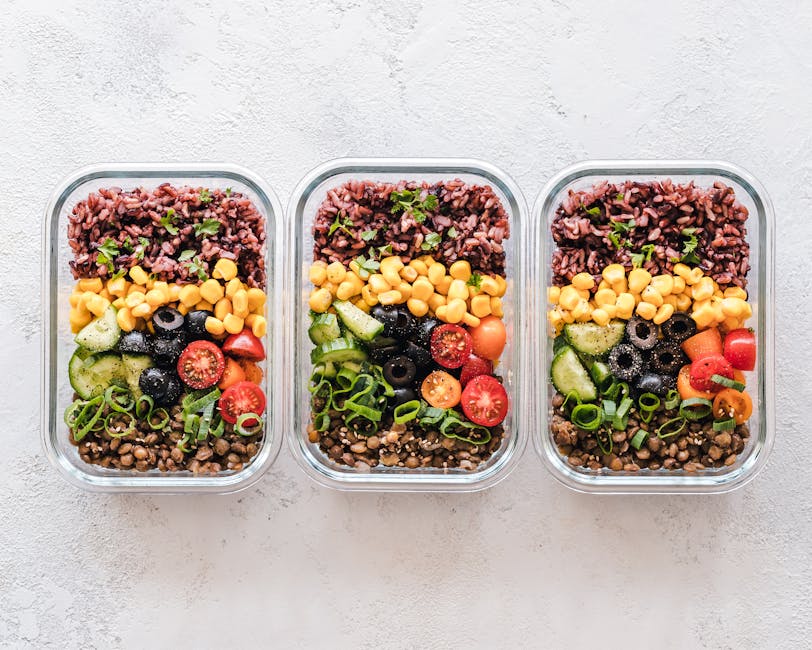
- Consistent Nutrition: You control the ingredients, ensuring your meals are packed with the nutrients you need without hidden sugars, salts, or unhealthy fats. Practicing mindful eating during meal prep can help you tune into your hunger cues and portion needs more accurately.
- Effortless Goal Adherence: Whether you’re aiming for weight management, muscle gain, or simply eating more vegetables, pre-portioned meals make it easy to stay on track. It’s also a great opportunity to add foods shown to improve mood or include ingredients known as foods which give you energy to support your afternoon focus.
- Budget-Friendly: The savings are significant. By avoiding daily takeout or cafe lunches, you could easily save over $200 a month.
- Reduced Temptation: When a healthy, delicious meal is waiting for you in the fridge, you’re far less likely to reach for convenient but unhealthy options.
- Eco-Conscious: Skipping takeout means you’re also skipping the single-use plastic containers, bags, and cutlery that come with it.
Essential Meal Prep Equipment and Containers
You don’t need a kitchen full of fancy gadgets to start meal prepping, but a few key items will make the process much smoother.
- Airtight Containers: These are your most important tool. Glass containers are a fantastic investment as they are durable, don’t stain, and are safe for both the microwave and dishwasher.
- Mason Jars: Perfect for layered salads and overnight oats.
- Quality Chef’s Knife & Cutting Boards: A sharp knife makes chopping vegetables a breeze.
- Measuring Cups & Spoons: Essential for accurate portioning and consistent recipes.
- Sheet Pans: The workhorse of batch cooking. You can roast vegetables and proteins on them at the same time.
Best Containers for Lunch Storage
Choosing the right container is key to keeping your food fresh and appealing.
- 3-Compartment Glass Containers: Ideal for keeping meal components separate. Think chicken, rice, and broccoli in their own sections. Look for borosilicate glass with snap-lock lids.
- 30-ounce Rectangular Glass Containers: A great all-purpose size for grain bowls, pastas, and stir-fries.
- Wide-Mouth Pint Mason Jars: The gold standard for layered salads. The shape keeps the dressing separate from the greens until you’re ready to eat.
- Reusable Silicone Bags: A sustainable option for sandwiches, wraps, and snacks.
How to Meal Prep Lunches: A Step-by-Step Guide
Getting started is easier than you think. Follow this simple roadmap for a successful prep session.
- Select Your Recipes: Choose 2-3 different recipes for the week to ensure variety.
- Create a Shopping List: Organize your list by store section (produce, protein, pantry) to make shopping efficient.
- Schedule Your Prep Time: Block out 2-3 hours on your calendar. Sunday afternoon is a popular choice for many.
- Cook in Batches: Cook all your grains (like quinoa or rice) and proteins (like chicken or tofu) at once. Roast vegetables on a large sheet pan.
- Cool Completely: This is a crucial food safety step! Let all cooked food cool to room temperature before sealing containers and refrigerating.
- Portion and Store: Divide your cooked components into your containers for the week.
- Label and Date: A simple piece of masking tape and a marker will do. This helps you track freshness.
Planning Your Weekly Menu
A little planning goes a long way. To prevent food waste and boredom, choose recipes that share a few key ingredients. For instance, if you’re grilling chicken for salad bowls, make extra to use in wraps later in the week. Aim for a balance of protein, healthy fats, and complex carbs to keep you energized and full all afternoon.
Batch Cooking Techniques
Efficiency is the name of the game. Use your time wisely by employing smart techniques.
- Oven Power: Use multiple racks in your oven to roast a pan of chicken and a pan of vegetables simultaneously.
- Appliance Multitasking: Get your rice cooker or Instant Pot going with a batch of grains while you chop vegetables or sauté on the stovetop.
- Slow Cooker Magic: Let your slow cooker do the work on a soup or shredded chicken while you focus on other tasks.
High-Protein Lunch Meal Prep Recipes
A high-protein lunch is your best defense against the dreaded afternoon slump. These recipes deliver 25-45 grams of protein per serving to promote satiety, maintain muscle, and keep your blood sugar stable.
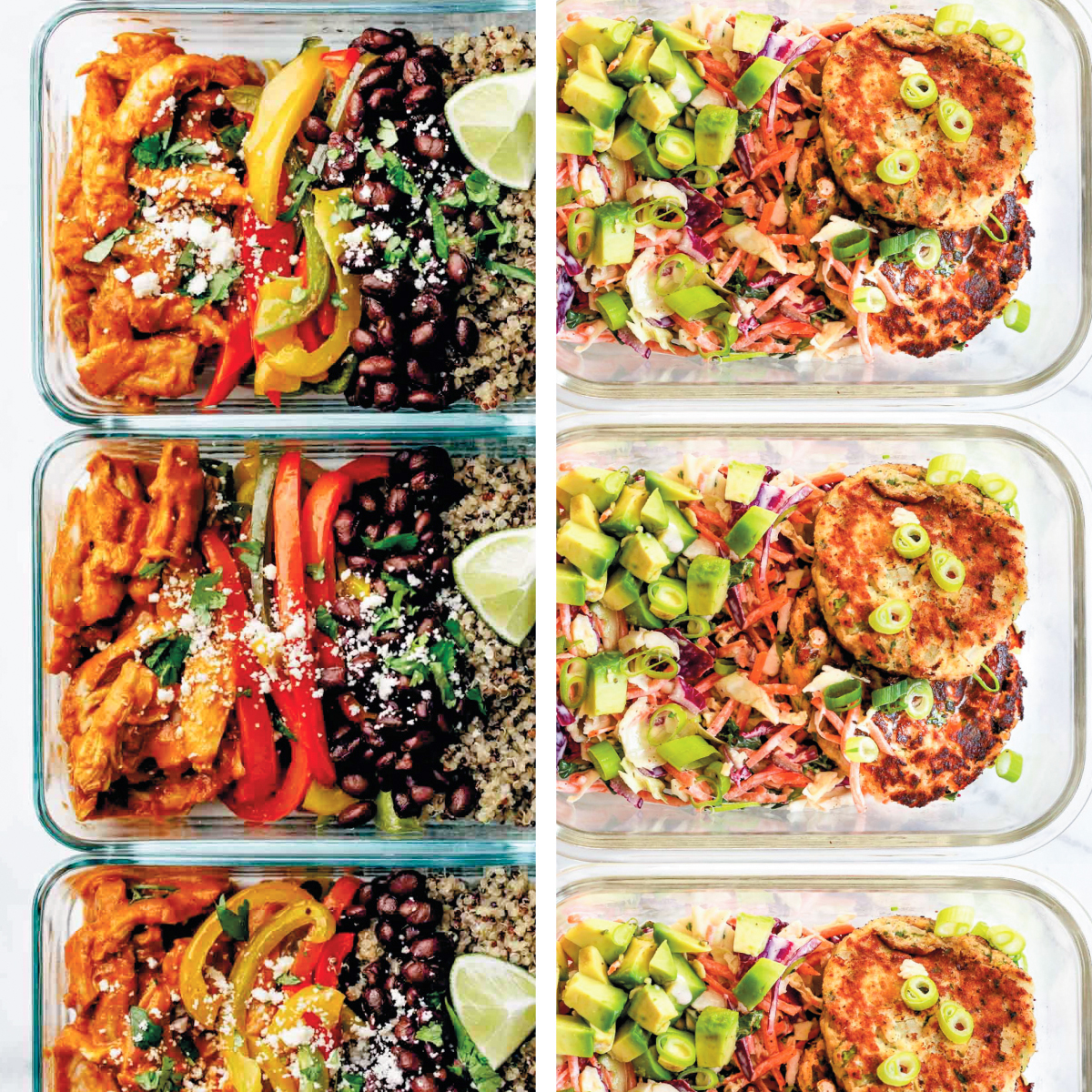
Greek Chicken Salad Bowls
A vibrant and fresh bowl that’s packed with flavor. It features marinated grilled chicken, crisp cucumbers, cherry tomatoes, red onion, Kalamata olives, and chickpeas over a bed of romaine. Topped with feta cheese and a simple lemon-olive oil vinaigrette. Stores for 4 days in the fridge.
Buffalo Chicken Rice Bowls
For those who like a little kick. Spicy buffalo-seasoned chicken is served over a brown rice and cauliflower rice blend, then topped with diced celery, tomatoes, and a creamy Greek yogurt ranch dressing. Stores for 4-5 days.
Salmon Niçoise Protein Bowls
This elegant, French-inspired bowl combines seared or canned salmon, hard-boiled eggs, crisp green beans, cherry tomatoes, olives, and baby potatoes on a bed of mixed greens. The Dijon vinaigrette ties it all together beautifully. Plus, it’s rich in healthy omega-3 fats. Stores for 3-4 days.
Steak and Broccoli Teriyaki Bowls
A satisfying meal that tastes like your favorite takeout, but healthier. Sliced sirloin steak and steamed broccoli are coated in a savory teriyaki glaze and served with brown rice or quinoa. Stores for 4 days.
Vegetarian and Vegan Lunch Meal Prep Recipes
Plant-based lunches can be incredibly satisfying and protein-packed. These recipes are perfect for everyone, whether you’re a committed vegan or just looking to eat less meat.
Mediterranean Quinoa Buddha Bowls
A feast for the eyes and the palate. This bowl starts with a fluffy quinoa base and is topped with roasted chickpeas, cucumber, tomatoes, red onion, and hummus. A drizzle of tahini-lemon dressing completes this masterpiece. Stores for 4-5 days.
Chickpea Salad Sandwiches
A brilliant vegan alternative to chicken or tuna salad. Mashed chickpeas are mixed with celery, red onion, fresh dill, and a creamy lemon-Dijon dressing. Prep the filling in advance and assemble your sandwich or wrap daily for the best texture. Filling stores for 5 days.
Tofu Tikka Masala with Rice
Rich, creamy, and deeply flavorful. Marinated tofu cubes are simmered in a fragrant tomato-coconut curry sauce and served over basmati rice. This recipe is also freezer-friendly! Stores for 4 days in the fridge or 3 months in the freezer.
Black Bean Quinoa Burrito Bowls
All the flavors of a burrito, no tortilla required. Layer cilantro-lime quinoa with seasoned black beans, corn salsa, bell peppers, and a scoop of guacamole or sliced avocado. Stores for 4 days (add avocado just before serving).
Low-Carb and Keto Lunch Meal Prep Ideas
These recipes keep net carbs under 15g per serving while delivering plenty of flavor, protein, and healthy fats, making them perfect for anyone following a ketogenic or low-carb lifestyle.
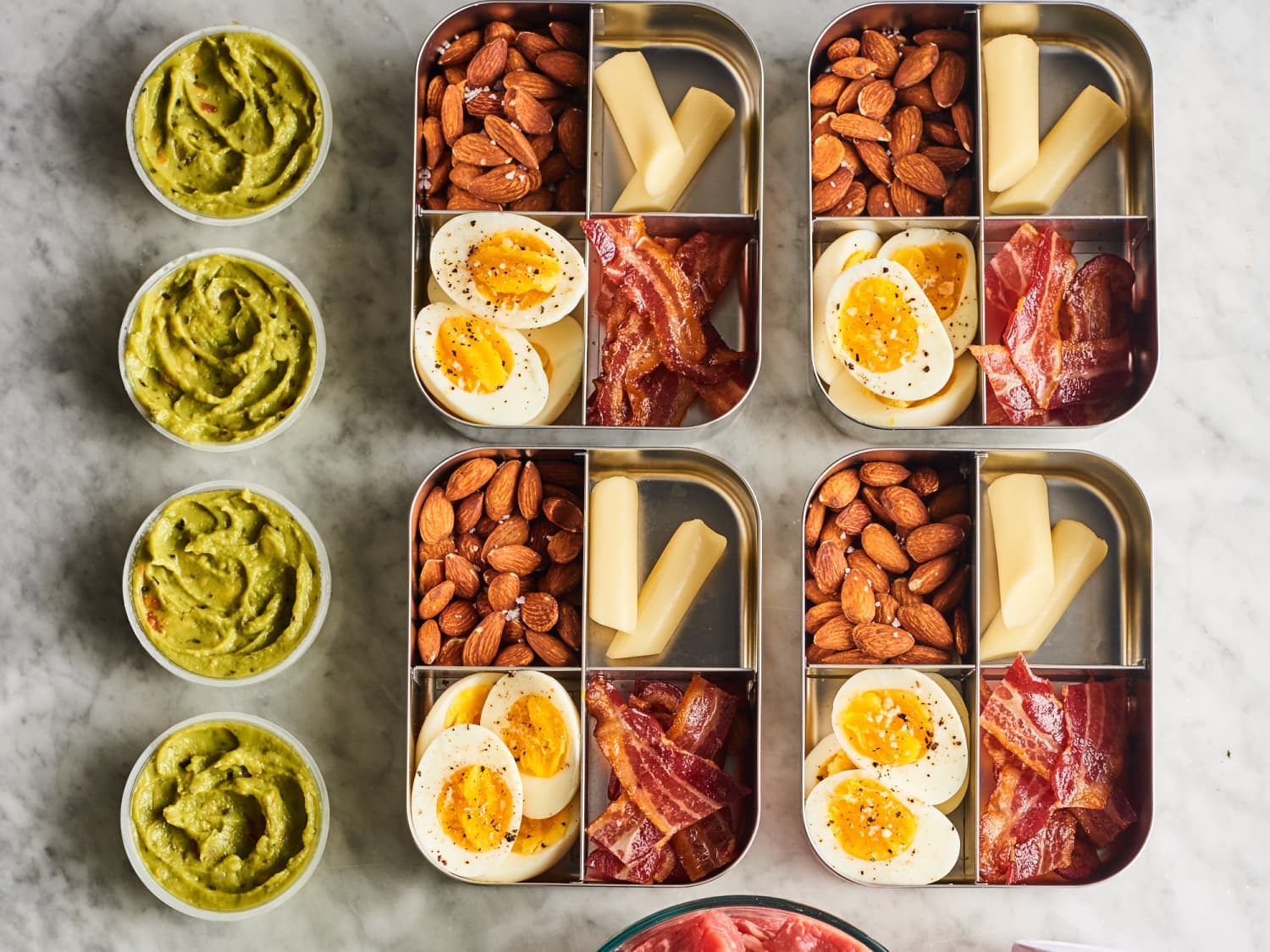
Keto Chicken Caesar Lettuce Wraps
A classic salad turned into a portable lunch. Use large, crisp romaine leaves as a wrap for grilled chicken, crispy bacon, Parmesan cheese, and a creamy Caesar dressing. Simple, yet so satisfying. Stores for 3 days.
Egg Roll in a Bowl
All the savory goodness of an egg roll without the wrapper. This quick dish features ground pork or turkey sautéed with coleslaw mix, ginger, garlic, and soy sauce. It’s ready in 15 minutes and is incredibly delicious. Stores for 4 days.
Cauliflower Rice Salmon Poke Bowls
A fresh and light option. Cubed raw salmon or tuna is served over cauliflower rice with cucumber, avocado, and a sesame-ginger dressing. It’s a fantastic way to get your omega-3s. Best assembled and eaten within 2 days.
Soup and Stew Meal Prep Recipes
Soups and stews are meal prep superstars. Their flavors often get even better after a day or two in the fridge, and they freeze beautifully, making them perfect for long-term storage.
Tuscan White Bean and Kale Soup
A hearty, rustic vegetarian soup loaded with cannellini beans, kale, tomatoes, and Italian herbs. It’s packed with fiber and plant-based protein. Stores for 4 days in the fridge or 3 months in the freezer.
Thai Coconut Curry Soup
This fragrant soup is both comforting and exciting, with a perfect balance of spicy, sweet, and savory notes. You can make it with chickpeas, chicken, or shrimp and plenty of vegetables. Stores for 4 days.
Chicken Vegetable Minestrone
A classic for a reason. This Italian-style soup is brimming with seasonal vegetables, beans, whole wheat pasta, and shredded chicken in a savory tomato-herb broth. Stores for 4 days.
Pasta and Grain Bowl Meal Prep Recipes
Grain bowls provide sustained energy thanks to complex carbohydrates and fiber. They are endlessly customizable and make for a truly satisfying lunch.
Southwest Black Bean Pasta Salad Bowls
A zesty and refreshing pasta salad. Whole wheat rotini is tossed with black beans, corn, bell peppers, cherry tomatoes, and a creamy cilantro-lime dressing. Stores for 4-5 days.
Broccoli Pesto Quinoa Bowls
A vibrant green bowl that’s full of goodness. Fluffy quinoa is topped with roasted broccoli, crispy chickpeas, sun-dried tomatoes, and a generous dollop of lemon-basil pesto. Stores for 4 days.
Asian Sesame Noodle Bowls
Cool, refreshing, and delicious. Whole wheat spaghetti or rice noodles are tossed with edamame, shredded carrots, bell peppers, and a savory peanut-sesame sauce. Add grilled tofu or chicken for an extra protein boost. Stores for 4 days.
Proper Storage and Food Safety Guidelines
Food safety is non-negotiable. Always cool cooked food to room temperature (within 2 hours) before sealing and refrigerating. Your fridge should be set to 40°F (4°C) or below. Use airtight containers to prevent cross-contamination and always reheat leftovers to an internal temperature of 165°F (74°C).
How Long Does Meal Prep Last in the Fridge?
As a general guideline:
- Cooked meat, poultry, and grains: 4-5 days
- Fish and seafood: 2-3 days
- Soups and stews: 4 days
- Hard-boiled eggs: 1 week
- Salads with dressing separate: 4-5 days
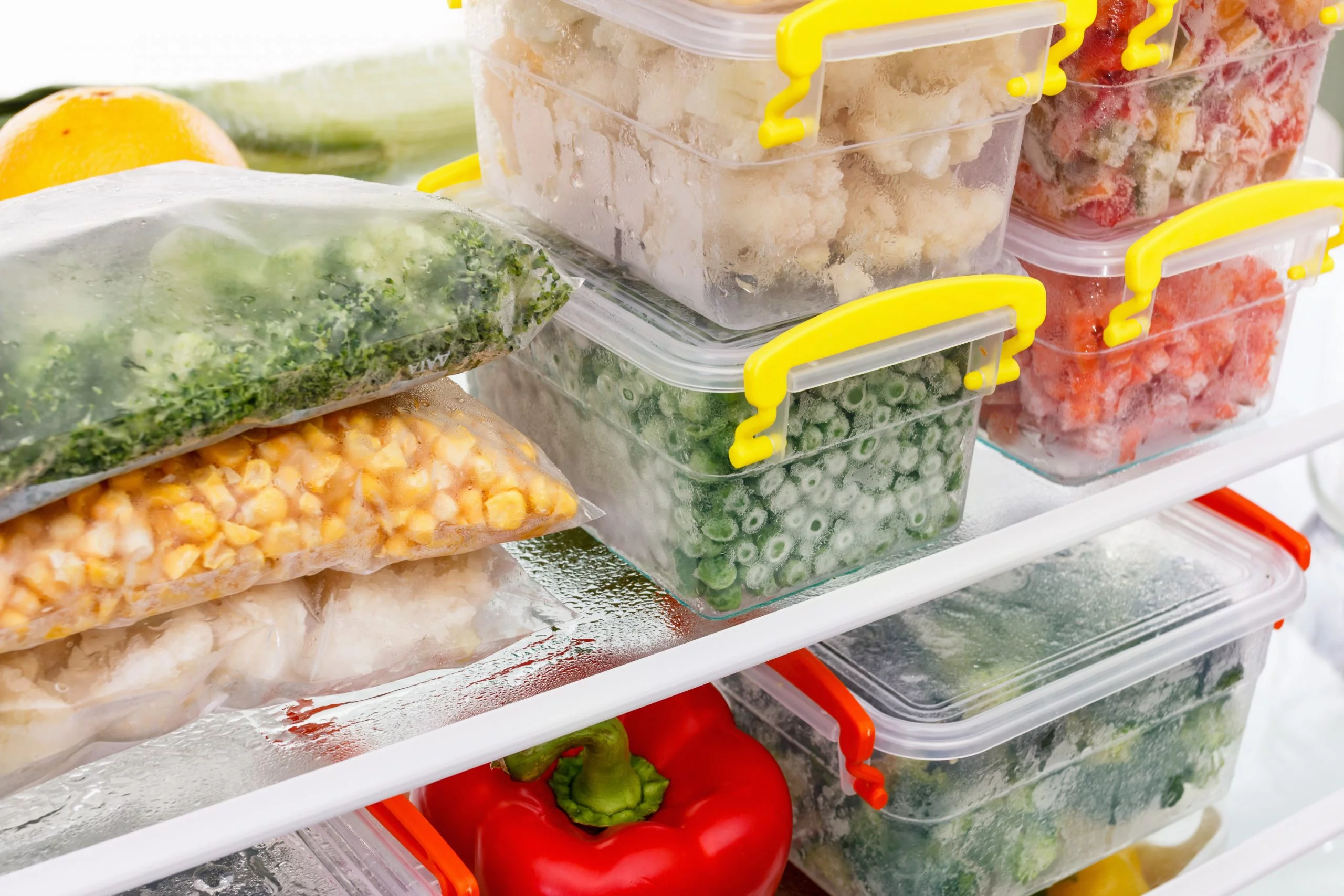
Freezing Lunch Meal Prep for Longer Storage
Soups, stews, chilis, burritos, and curries are excellent candidates for the freezer.
To freeze properly, cool the food completely, transfer it to a freezer-safe container (leaving an inch of headspace for expansion), label it with the date and contents, and store for up to 3 months. Thaw it overnight in the refrigerator before reheating.
Time-Saving Meal Prep Shortcuts
Don’t have a ton of time? No problem. These hacks can cut your prep time significantly. For those of us with packed schedules, these tips make meal prep for busy people a realistic goal.
- Embrace the Pre-Prepped: Use pre-washed greens, pre-chopped vegetables, and rotisserie chicken.
- Lean on Your Pantry: Canned beans, lentils, and tuna are inexpensive, ready-to-use protein sources.
- Frozen is Your Friend: Frozen fruits and vegetables are just as nutritious as fresh and require no chopping.
- Smart Outsourcing: Buy a quality store-bought hummus, pesto, or salad dressing.
Budget-Friendly Meal Prep Tips
Eating healthy doesn’t have to be expensive. In fact, meal prepping is one of the best ways to save money on food.
- Shop Seasonally: Build your menu around produce that’s currently in season and on sale.
- Buy in Bulk: Proteins like chicken and ground turkey are often cheaper in larger packages. Portion and freeze what you won’t use immediately.
- Incorporate Plant-Based Proteins: Lentils, beans, tofu, and eggs are incredibly affordable and nutritious protein sources.
- Use Your Scraps: Save vegetable scraps in a freezer bag to make a flavorful homemade broth later. Looking for more ways to make your money go further? We have a whole guide on cheap meal prep.
Getting started with meal prep is a journey, not a destination. Start small with one or two recipes this week and see how it feels. You’ll quickly discover the freedom and peace of mind that comes with a fridge full of delicious, healthy lunches ready to go. For more inspiration on building healthy habits, explore the resources at Not One Type.

Có thể bạn quan tâm
Healthy Eating on the Go: Simple Strategies for Busy Lifestyles
Maintaining nutritious eating habits while managing a hectic schedule can feel overwhelming, but healthy eating...
Dec
Healthy Snack Ideas for On the Go: Easy Portable Options for Busy Lifestyles
Finding nutritious snacks that travel well can transform your daily routine and help you maintain...
Dec
How to Build Sustainable Eating Habits: A Guide to Healthier Living and a Greener Planet
Sustainable eating habits involve choosing foods that support both personal health and environmental wellbeing. It’s about...
Dec
Healthy Grocery List: Complete Guide + Printable Template
Creating a healthy grocery list is one of the most effective first steps you can...
Dec
Healthy Grocery List for 2: Complete Guide to Smart Shopping and Meal Planning
Shopping for two people requires a strategic approach to avoid waste while maintaining a healthy...
Dec
How to Stock a Pantry: Your Complete Guide to Essential Kitchen Staples
A well-stocked pantry is the heart of a happy, efficient kitchen. It’s your secret weapon...
Dec