
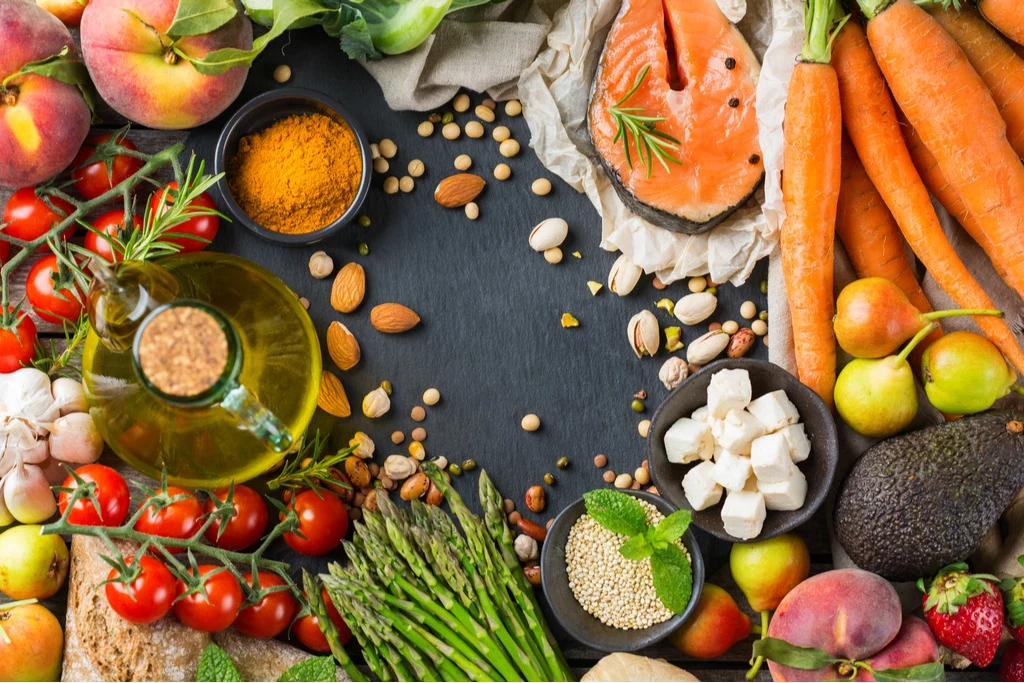
What Are Good Eating Habits?
At their core, good eating habits are the consistent, mindful behaviors you practice around food. They involve how you select, prepare, and consume meals to support your body’s nutritional needs and long-term health goals.
Unlike restrictive fad diets that often promise quick fixes and ultimately fail, these habits are built on sustainability and balance. Think of them not as a temporary change, but as a lifestyle upgrade. The goal is to build a positive, stress-free relationship with food.
The Science Behind Habit Formation
Why do some habits stick while others fade? It comes down to a simple neurological loop: the cue, the routine, and the reward.
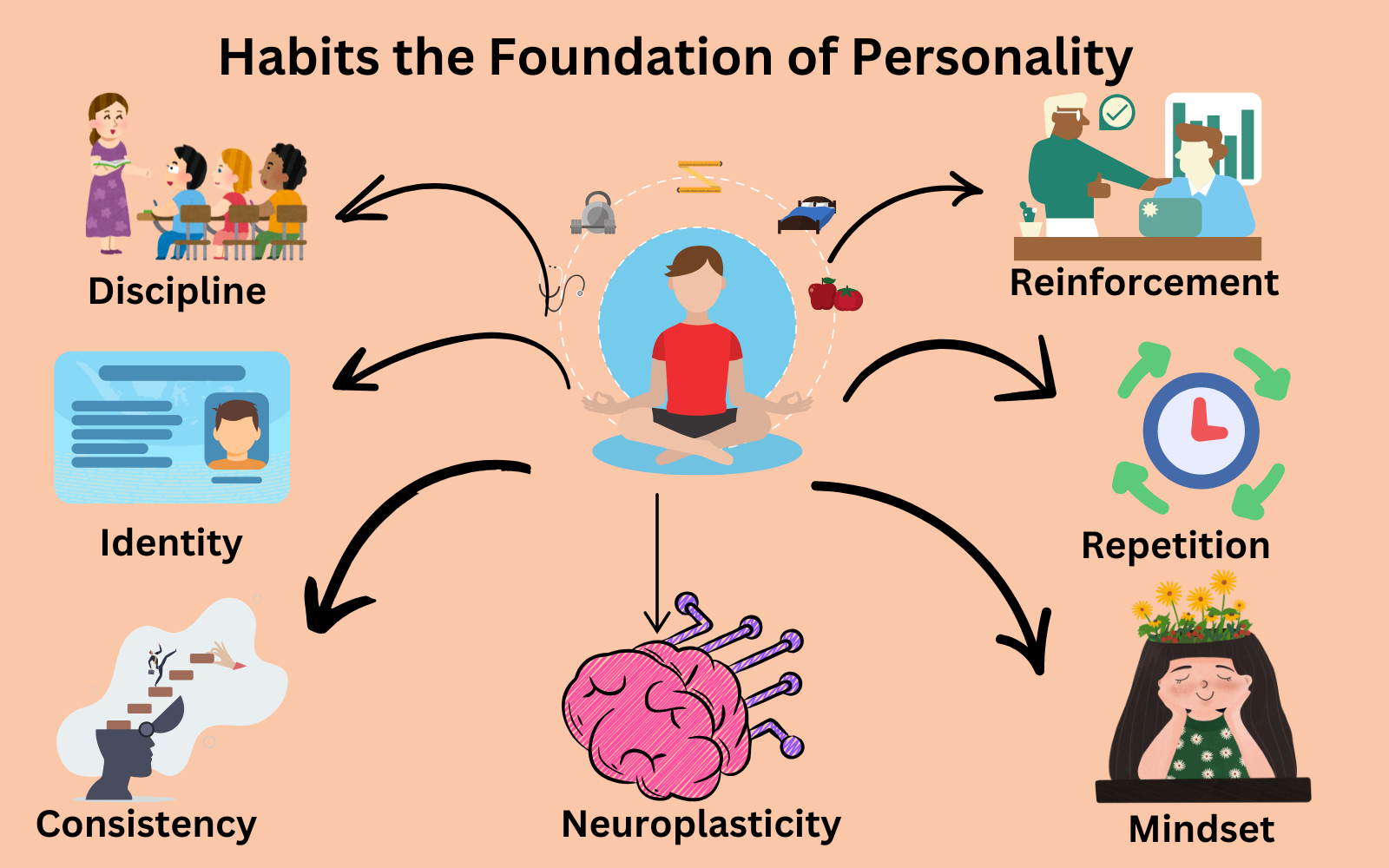
- Cue: The trigger that initiates the behavior (e.g., feeling stressed after work).
- Routine: The behavior itself (e.g., reaching for a bag of chips).
- Reward: The benefit you gain from the routine (e.g., a momentary feeling of comfort).
Every time you repeat this loop, you strengthen the neural pathways in your brain, making the behavior more automatic. Research suggests it can take anywhere from 21 to over 66 days to form a new habit. This science of neuroplasticity shows that by starting with small, consistent changes, you can literally rewire your brain to prefer healthier routines.
Benefits of Developing Good Eating Habits
The rewards of cultivating healthy eating patterns extend far beyond the number on a scale. They create a ripple effect across your entire life.
- Reduced Chronic Disease Risk: Diets rich in whole foods, like the well-studied Mediterranean and DASH diets, are linked to a lower risk of heart disease, type 2 diabetes, and certain cancers.
- Sustainable Weight Management: Instead of yo-yo dieting, you build a foundation that naturally supports a healthy weight.
- Increased Energy Levels: Fueling your body with nutrient-dense foods prevents energy spikes and crashes, giving you steady power throughout the day.
- Enhanced Mental Clarity: Good nutrition is crucial for brain health, helping to improve focus, memory, and mood.
- Improved Gut Health: A varied, fiber-rich diet fosters a thriving gut microbiome, which is essential for digestion and immune function.
- Better Relationship with Food: By ditching the “good food” vs. “bad food” mentality, you reduce food-related anxiety and learn to eat more intuitively.
Core Principles of Healthy Eating
Building good eating habits doesn’t require a nutrition degree. It simply comes down to a few timeless principles. Frameworks like the USDA MyPlate provide a great visual guide for putting these concepts into practice.
Understanding Nutrient-Dense Foods
Nutrient density refers to the amount of beneficial nutrients—vitamins, minerals, fiber, and antioxidants—a food contains relative to its calorie count.
Think of it as getting the most nutritional “bang for your buck.”
- Veggies & Fruits: Leafy greens, broccoli, berries, and oranges.
- Lean Proteins: Lentils, chickpeas, fish, chicken, and tofu.
- Whole Grains: Quinoa, oats, brown rice, and whole-wheat bread.
- Healthy Fats: Avocados, nuts, seeds, and olive oil.
In contrast, empty-calorie foods like sugary drinks and processed snacks offer little nutritional value.
The Role of Balance and Variety
Your body needs a wide array of nutrients to function optimally, and no single food can provide them all. This is where balance and variety come in.
Balance means getting a sensible mix of macronutrients (protein, carbs, fats) and micronutrients from different food groups. Variety means switching up your choices within those groups. “Eating the rainbow” isn’t just a catchy phrase; it’s a simple way to ensure you’re getting a diverse range of phytonutrients, which are powerful plant compounds that protect your health.
15 Good Eating Habits to Start Today
Ready to make a change? Here are 15 simple, science-backed habits you can begin incorporating into your life right now.

- Drink Water as Your Primary Beverage: Prioritize water over sugary sodas, juices, and specialty coffees. Proper hydration is essential for metabolism, digestion, and even appetite control. Keep a reusable water bottle handy to remind yourself to sip throughout the day.
- Eat Slowly and Mindfully: It takes about 20 minutes for your brain to register that you’re full. Slow down, put your fork down between bites, and savor the flavors and textures of your food. Turn off screens during meals to prevent distracted overeating.
- Fill Half Your Plate with Vegetables and Fruits This is one of the easiest ways to boost nutrient intake and manage portions naturally. If you’re wondering how to increase your vegetable intake, start by adding a side salad to your lunch or tossing a handful of spinach into your morning smoothie.
- Choose Whole Grains Over Refined Grains: Swap white bread, pasta, and rice for their whole-grain counterparts. Whole grains are packed with fiber, which aids digestion, helps you feel full longer, and promotes stable blood sugar levels.
- Practice Portion Control: Use smaller plates and bowls to visually guide your portions. For a few weeks, try measuring out standard serving sizes to get a better sense of what they look like. This isn’t about restriction; it’s about awareness.
- Plan and Prep Meals in Advance: Meal prepping is a game-changer. Dedicate an hour or two on the weekend to plan your meals, chop veggies, or cook a batch of grains. When healthy food is the easy option, you’re more likely to choose it.
- Eat Protein at Every Meal: Including a source of protein—like eggs, yogurt, chicken, fish, or beans—with each meal helps keep you full and satisfied, preventing mindless snacking between meals.
- Limit Added Sugars: Become a label detective. Added sugars hide in everything from ketchup and salad dressing to yogurt and granola. The American Heart Association recommends limiting added sugar to support a healthy heart and weight.
- Include Healthy Fats: Fats are not the enemy! Unsaturated fats from sources like olive oil, avocados, nuts, and salmon are crucial for brain health, reducing inflammation, and helping your body absorb certain vitamins.
- Establish Regular Meal Times: Eating at roughly the same times each day helps regulate your body’s internal clock and hunger hormones. It can prevent the extreme hunger that often leads to overeating.
- Read Nutrition Labels: Understanding what’s in your food empowers you to make better choices. Look for short ingredient lists with recognizable, whole-food ingredients. Pay attention to serving sizes, sodium, and added sugars.
- Cook at Home More Often: When you cook your own meals, you have complete control over the ingredients, portion sizes, and cooking methods. It’s one of the most effective ways to improve your diet.
- Practice the 80/20 Rule: Perfection is the enemy of progress. Aim to make nutritious choices 80% of the time, and allow yourself the flexibility to enjoy your favorite treats 20% of the time without guilt. This makes healthy eating sustainable for life.
- Listen to Hunger and Fullness Cues: Learn to distinguish between true physical hunger and emotional triggers like boredom or stress. Eat when you’re hungry and stop when you’re comfortably satisfied, not stuffed.
- Limit Highly Processed Foods: Focus on foods that are as close to their natural state as possible. While not all processed foods are bad, ultra-processed items are often engineered to be hyper-palatable and low in nutrients.
Building Sustainable Eating Habits
Knowing what to do is one thing; making it stick is another. The key is to focus on progress, not perfection.
Starting Small and Building Momentum
Don’t try to change everything at once. This approach often leads to feeling overwhelmed and giving up. Instead, master one small habit at a time. This is the principle behind habit stacking, where you link a new habit to an existing one.
For example:
- Instead of: “I’m going to completely overhaul my diet.”
- Try: “After I pour my morning coffee (existing habit), I will drink one full glass of water (new habit).”
These small wins build confidence and create momentum for bigger changes.

Overcoming Common Obstacles
Life happens. Setbacks are a normal part of the process, not a sign of failure. Here’s how to navigate common challenges:
- Time Constraints: Lean on simple meals, meal prep, and healthy convenience items like pre-chopped veggies or frozen fruit.
- Budget Limitations: Plan meals around sales, buy seasonal produce, and embrace budget-friendly proteins like beans, lentils, and eggs.
- Social Pressure: Decide ahead of time what you’ll order at a restaurant or eat a small, healthy snack before going to a party so you’re not starving.
- Emotional Eating: Find non-food-related ways to cope with stress, such as going for a walk, listening to music, or calling a friend.
Good Eating Habits for Specific Goals
While the core principles remain the same, you can tailor your focus to meet specific health objectives.
Eating Habits for Weight Management
For sustainable weight management, focus on habits that create a modest calorie deficit without deprivation. Prioritize protein and fiber at every meal to enhance satiety. Manage portions, reduce liquid calories from soda and alcohol, and address the emotional triggers behind overeating.
Eating Habits for Disease Prevention
To lower your risk of chronic disease and support longevity, adopt an anti-inflammatory eating pattern. This means loading up on fruits, vegetables, and omega-3 fatty acids from fish and flaxseeds. Emphasize whole grains for heart health, limit sodium to manage blood pressure, and reduce red and processed meat intake.
Eating Habits for Better Energy and Performance
To fuel an active lifestyle, focus on balanced meals with complex carbohydrates for sustained energy release. Hydration is key. Pay attention to pre- and post-workout nutrition to support muscle repair and replenish glycogen stores. Avoid skipping meals, as this can impair both physical and mental performance.
Creating a Supportive Eating Environment
Your environment has a massive impact on your choices. Set yourself up for success by making the healthy choice the easy choice.

Smart Grocery Shopping Strategies
A healthy diet begins at the grocery store. Go in with a plan to avoid impulse buys.
- Always shop with a list. A well-planned healthy grocery list is your best defense against unhealthy temptations.
- Shop the perimeter first. This is where you’ll find fresh produce, lean proteins, and dairy.
- Don’t shop hungry. You’re far more likely to grab high-calorie, low-nutrient foods when your stomach is empty.
- Read the labels. Compare brands to find options lower in sodium and added sugar.
Maintaining Habits While Eating Out
Eating out is a part of life and should be enjoyed! You can still make mindful choices without feeling restricted.
- Look at the menu online beforehand.
- Don’t be afraid to ask for substitutions, like steamed vegetables instead of fries or dressing on the side.
- Control portions. Ask for a to-go box when your meal arrives and pack up half for later.
- Choose water over sugary drinks to save on empty calories.
Monitoring Progress and Adjusting Habits
How do you know if your new habits are working? Look beyond the scale. Pay attention to other signs of progress:
- Do you have more energy in the afternoon?
- Are you sleeping better?
- Do your clothes fit differently?
- Is your mood more stable?
Use a journal or a habit-tracking app to note your progress. If a certain habit isn’t working for you, don’t be afraid to adjust. This is your journey, and flexibility is crucial for long-term success.
Conclusion: It’s About Progress, Not Perfection
Building good eating habits is a journey of small, consistent steps that add up to significant, lasting change. It’s not about being perfect; it’s about making choices that nourish your body and make you feel your best.
Release the pressure of an all-or-nothing mindset. Celebrate your small wins, be compassionate with yourself when you have an off day, and remember that every healthy choice is a step in the right direction. By focusing on creating sustainable eating habits, you are investing in your most valuable asset: your long-term health and well-being.
Good eating habits aren’t built overnight — they’re the result of small, mindful choices repeated every day. As you continue this journey toward a healthier, more balanced life, remember to stay patient and consistent with yourself. For more practical guidance and inspiration, explore www.notonetype.org and discover a community dedicated to mindful living.

Có thể bạn quan tâm
Healthy Eating on the Go: Simple Strategies for Busy Lifestyles
Maintaining nutritious eating habits while managing a hectic schedule can feel overwhelming, but healthy eating...
Dec
Healthy Snack Ideas for On the Go: Easy Portable Options for Busy Lifestyles
Finding nutritious snacks that travel well can transform your daily routine and help you maintain...
Dec
How to Build Sustainable Eating Habits: A Guide to Healthier Living and a Greener Planet
Sustainable eating habits involve choosing foods that support both personal health and environmental wellbeing. It’s about...
Dec
Healthy Grocery List: Complete Guide + Printable Template
Creating a healthy grocery list is one of the most effective first steps you can...
Dec
Healthy Grocery List for 2: Complete Guide to Smart Shopping and Meal Planning
Shopping for two people requires a strategic approach to avoid waste while maintaining a healthy...
Dec
How to Stock a Pantry: Your Complete Guide to Essential Kitchen Staples
A well-stocked pantry is the heart of a happy, efficient kitchen. It’s your secret weapon...
Dec