

Tossing and turning at night is an experience most of us know all too well. While millions of people struggle to get quality rest, the solution might be simpler than you think—and it could be waiting in your kitchen. Beyond just what you eat, certain beverages contain natural compounds that can help you relax and support a healthy sleep cycle. If you’re looking for alternatives to counting sheep, exploring the right bedtime drink can be a gentle and effective step. From herbal teas to fruit juices, a warm, soothing drink can be a wonderful part of a calming evening ritual.
This guide explores the best drinks to help you sleep. We’ll look at how they work, when to drink them, and how to make them part of a routine that sets you up for a night of deep, restorative rest. Just like finding the right foods help you sleep, discovering your perfect bedtime beverage can make a significant difference.
How Can Drinks Improve Your Sleep Quality?
It’s not just about the comforting warmth of a mug in your hands. Certain drinks contain specific compounds that interact with your body’s chemistry to promote sleep. They work by supporting the production of neurotransmitters that calm the nervous system, regulate your internal clock, and ease you into a state of relaxation. Understanding these key ingredients helps explain why a simple cup of tea can be so powerful.
What are the key sleep-promoting compounds in beverages?
Several key players are responsible for the sleep-inducing effects of these drinks. Here are the main ones:
- Melatonin: Often called the “sleep hormone,” melatonin helps regulate your body’s circadian rhythm, or your internal 24-hour clock. Its levels naturally rise in the evening to signal that it’s time for bed.
- Tryptophan: This amino acid is a precursor to serotonin (a mood-stabilizing neurotransmitter) and melatonin. Your body can’t produce it on its own, so you must get it from your diet. Harvard Health Publishing notes its importance in the sleep process.
- Magnesium: This essential mineral plays a crucial role in calming the body. It activates the parasympathetic nervous system, which is responsible for helping you relax and de-stress. It also helps regulate neurotransmitters and melatonin.
- GABA (Gamma-aminobutyric acid): As an inhibitory neurotransmitter, GABA reduces neuronal excitability throughout the nervous system. In simple terms, it helps calm your brain activity, making it easier to fall asleep.
- Apigenin: This antioxidant, commonly found in chamomile, binds to specific receptors in your brain that may decrease anxiety and initiate sleep.
When is the best time to drink sleep-promoting beverages?
Timing is key to getting the most out of your bedtime drink. For most herbal teas and warm milk, drinking them about 30 to 60 minutes before bed gives the active compounds enough time to start working. This window allows your body to relax without you needing a bathroom trip in the middle of the night.
However, some drinks, like tart cherry juice, may have different protocols. Research suggests that consuming it twice a day—once in the morning and again 1-2 hours before sleep—can yield the best results for improving sleep duration.
Best Herbal Teas for Sleep
Herbal teas are a classic, caffeine-free choice for winding down. The simple act of preparing and sipping a warm beverage is a calming ritual in itself. These teas deliver a combination of soothing compounds, hydration, and a moment of mindfulness before bed.
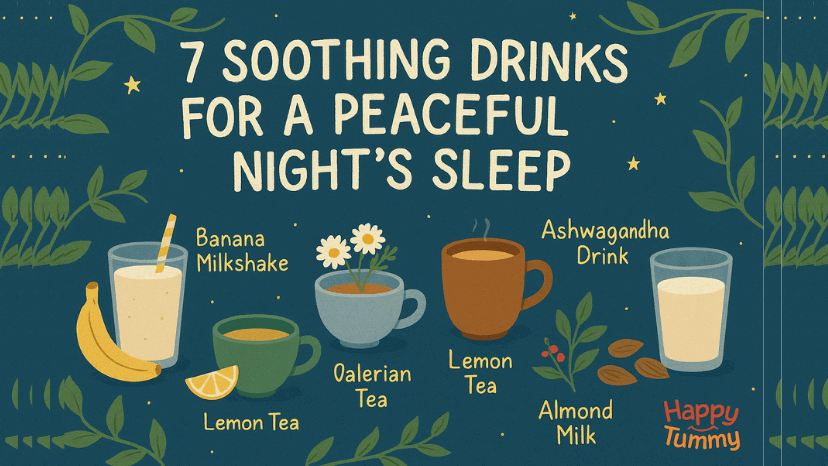
Chamomile Tea
Chamomile is arguably the most famous sleep tea, and for good reason. It contains apigenin, an antioxidant that binds to GABA receptors in the brain, creating a sedative-like effect. Studies, including a 2019 review, have consistently shown that chamomile can modestly improve sleep quality and reduce the time it takes to fall asleep. To prepare, steep a tea bag or a tablespoon of dried flowers in hot water for about 5 minutes.
Valerian Root Tea
Used for centuries as a remedy for insomnia, valerian root is thought to increase the levels of GABA in the brain. Unlike chamomile, its effects are often more noticeable with consistent use. The taste is quite earthy, which some people prefer to blend with other herbs like lemon balm. The Mayo Clinic notes that while more research is needed, it’s generally considered safe for short-term use.
Passionflower Tea
If stress or racing thoughts are keeping you up, passionflower tea might be your answer. It has been shown to boost GABA levels, which helps quiet brain activity. It’s particularly effective for reducing anxiety-related sleep disturbances. Its calming properties make it a great addition to a sleep-focused herbal blend.
Lavender Tea
Known for its calming aroma, lavender is also beneficial when consumed as a tea. The simple act of inhaling the steam while you sip can promote relaxation. Research has focused heavily on lavender aromatherapy, showing it can improve sleep quality, especially in people with mild insomnia. The tea offers a mild, slightly sweet flavor that’s pleasant on its own.
Lemon Balm Tea
Part of the mint family, lemon balm has a mild, citrusy flavor and has been used since the Middle Ages to reduce stress and improve sleep. A 2011 study found that a combination of valerian and lemon balm helped reduce insomnia symptoms by 42% in participants. It’s an excellent choice if you’re looking for a gentle, calming effect.
Ashwagandha Tea
Ashwagandha is an adaptogenic herb, meaning it helps your body manage stress more effectively. Its primary active compounds, withanolides, are credited with its sleep-promoting properties. This tea is especially helpful for individuals whose sleep problems stem from anxiety or being overworked, as it helps calm the nervous system over time.
Peppermint Tea
While not a sedative, peppermint tea is a fantastic bedtime choice if digestive issues like bloating or indigestion are keeping you awake. It acts as a natural muscle relaxant, which can ease stomach discomfort. It’s naturally caffeine-free and offers a refreshing, soothing flavor.
Decaffeinated Green Tea
Surprised? While regular green tea is a stimulant, the decaffeinated version contains L-theanine, an amino acid that promotes relaxation without drowsiness. L-theanine helps increase levels of GABA, serotonin, and dopamine in the brain. Just be sure the label clearly states it is decaffeinated.
Fruit-Based Sleep Drinks
If tea isn’t your preference, certain fruit-based drinks pack a powerful, sleep-promoting punch. They deliver essential vitamins, minerals, and natural compounds that support a good night’s rest.
Tart Cherry Juice
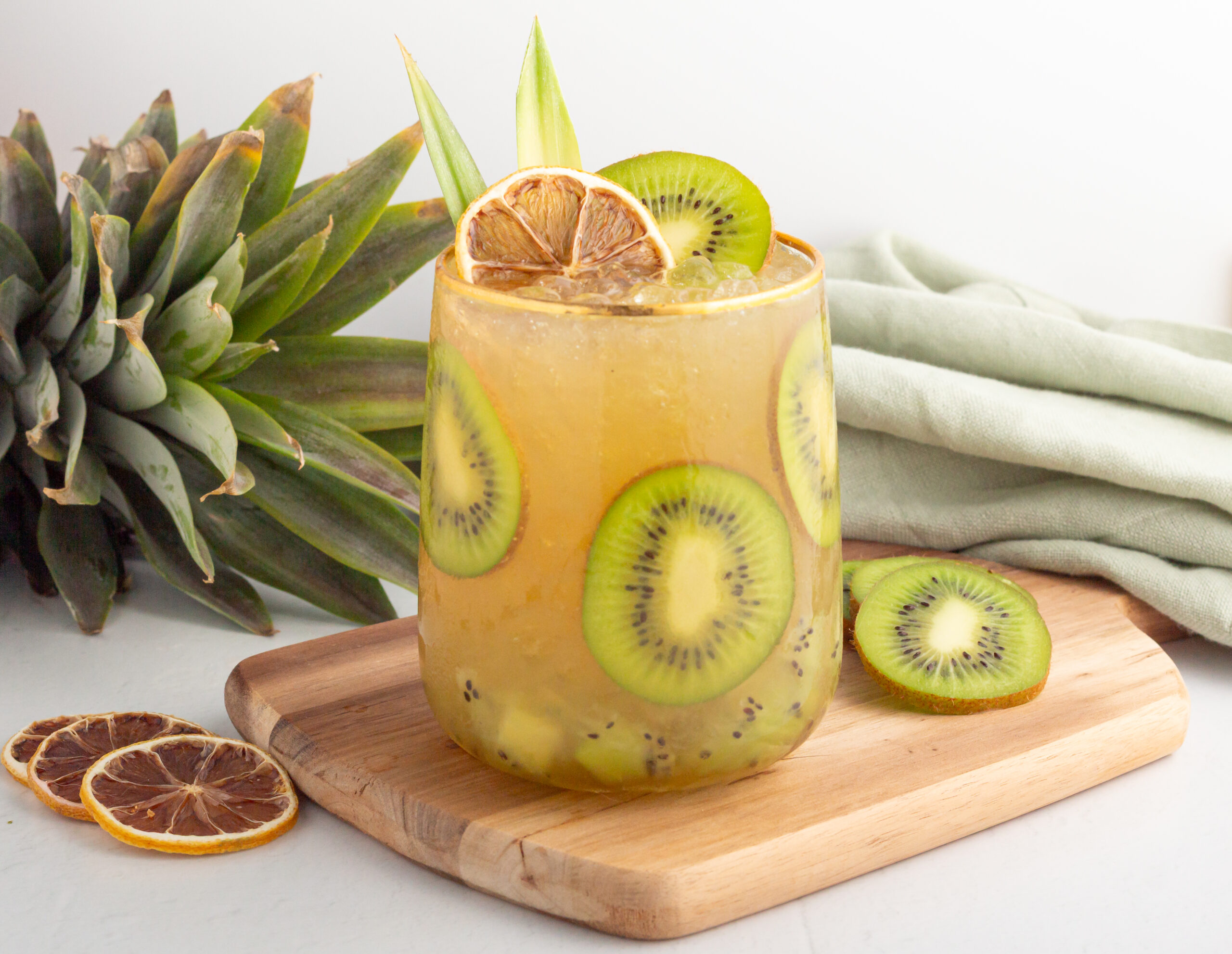
Tart cherry juice, especially from the Montmorency variety, is one of the most well-researched natural sleep aids. It’s often listed among the top foods that help you sleep. It’s a significant natural source of melatonin and tryptophan. A notable 2018 study found that adults with insomnia who drank tart cherry juice for two weeks increased their sleep time by an average of 84 minutes. For best results, experts recommend drinking an 8-ounce glass in the morning and another 1-2 hours before bed.
Banana Smoothie
A simple banana smoothie can be a delicious and effective sleep aid. Bananas are rich in magnesium and potassium, which act as natural muscle relaxants. They also contain tryptophan. Blending a banana with almond milk, another good source of sleep-promoting nutrients, creates a creamy and satisfying bedtime treat.
Milk-Based Drinks for Better Sleep
The tradition of drinking warm milk before bed is rooted in both science and psychology. The comforting ritual signals to your brain that it’s time to wind down, while the nutrients in milk provide a biological nudge toward sleep.
Warm Cow’s Milk
Warm milk is a classic for a reason. It contains four key sleep-promoting compounds: tryptophan, calcium, vitamin D, and melatonin. Calcium helps the brain use tryptophan to manufacture melatonin. The warmth itself is also soothing, making it a comforting part of a bedtime routine.
Almond Milk
For a lactose-free option, almond milk is an excellent choice. It’s a natural source of melatonin, tryptophan, and magnesium, a powerful trio for promoting sleep. Its light, nutty flavor makes it a versatile base for smoothies or golden milk.
Golden Milk (Turmeric Milk)
This traditional Ayurvedic drink is a warm, spicy beverage made by mixing milk (dairy or plant-based) with turmeric and other spices like ginger and cinnamon. The active compound in turmeric, curcumin, is thought to reduce inflammation and anxiety while potentially boosting serotonin and dopamine levels. This can have a calming effect that prepares you for sleep.
Other Effective Sleep-Promoting Drinks
Beyond teas, juices, and milk, a few other beverages have earned a reputation for helping people rest better.

Magnesium Drink Mix
Magnesium powders that dissolve in water have become incredibly popular. They deliver a direct dose of this calming mineral, which helps activate the parasympathetic nervous system. The viral “Sleepy Girl Mocktail” combines tart cherry juice, magnesium powder, and sparkling water for a fizzy, effective pre-bedtime drink.
Malted Milk Drinks (Ovaltine, Horlicks)
A comforting classic, malted milk is made from wheat and malted barley, which are high in B vitamins and magnesium. A warm mug of Ovaltine or Horlicks can help reduce stress and relax muscles, making it a beloved bedtime tradition, particularly in the UK.
What Drinks to Avoid Before Bed
Just as important as knowing what to drink is knowing what to avoid. Certain beverages can seriously disrupt your sleep architecture, even if they make you feel drowsy initially.
Caffeinated Beverages
This is the most obvious culprit. Caffeine has a half-life of 5-6 hours, meaning it can linger in your system long after you’ve finished your cup. It works by blocking adenosine, a chemical that promotes sleep. Avoid coffee, caffeinated teas, energy drinks, and many sodas after 2 PM to protect your sleep. These are among the most common foods that keep you awake.
Alcohol
While a glass of wine might make you feel sleepy at first, alcohol ultimately sabotages your rest. It disrupts your REM sleep, the most restorative stage, and often leads to waking up in the middle of the night as your body metabolizes it. For better sleep, it’s best to stick to non-alcoholic alternatives in the evening.
Sugary Drinks and Sodas
A spike in blood sugar can interfere with your sleep patterns. Sugary drinks, including juice cocktails and sodas, can cause this spike, followed by a crash that may wake you up later. They are often listed among the worst foods to eat before bed, and the same logic applies to drinks.
High-Acid Beverages
For some people, citrus juices like orange or grapefruit juice can trigger heartburn or acid reflux, especially when consumed before lying down. This discomfort can make it very difficult to fall and stay asleep.
Final Thoughts
Finding the right drink to help you sleep can be a comforting and effective way to improve your nightly rest. Whether it’s a classic cup of chamomile tea, a glass of tart cherry juice, or a warm mug of golden milk, these beverages offer natural compounds that gently guide your body toward sleep.
Remember, these drinks are a tool, not a magic cure. They work best when combined with a consistent routine and good sleep hygiene. At www.notonetype.org, we believe that small, intentional changes to your daily habits can lead to profound improvements in your overall well-being. Sweet dreams!

Có thể bạn quan tâm
Healthy Eating on the Go: Simple Strategies for Busy Lifestyles
Maintaining nutritious eating habits while managing a hectic schedule can feel overwhelming, but healthy eating...
Dec
Healthy Snack Ideas for On the Go: Easy Portable Options for Busy Lifestyles
Finding nutritious snacks that travel well can transform your daily routine and help you maintain...
Dec
How to Build Sustainable Eating Habits: A Guide to Healthier Living and a Greener Planet
Sustainable eating habits involve choosing foods that support both personal health and environmental wellbeing. It’s about...
Dec
Healthy Grocery List: Complete Guide + Printable Template
Creating a healthy grocery list is one of the most effective first steps you can...
Dec
Healthy Grocery List for 2: Complete Guide to Smart Shopping and Meal Planning
Shopping for two people requires a strategic approach to avoid waste while maintaining a healthy...
Dec
How to Stock a Pantry: Your Complete Guide to Essential Kitchen Staples
A well-stocked pantry is the heart of a happy, efficient kitchen. It’s your secret weapon...
Dec