
A daily stretching routine is one of the simplest and most powerful habits you can build. It’s a quiet conversation with your body that can significantly improve your flexibility, ease muscle tension, and just make you feel better. Whether you have five minutes in the morning or a bit more time in the evening, consistent stretching helps increase your range of motion, improve circulation, and relieve stress. This guide offers practical ways to build a stretching routine that fits your life and helps you reach your wellness goals. At Not One Type, we believe in finding what works for you.
Why You Need a Daily Stretching Routine
Incorporating stretching into your daily life isn’t just about touching your toes; it’s a fundamental practice for long-term health. The physical benefits are well-documented. Regular stretching improves flexibility, enhances blood flow to your muscles, reduces stiffness, and can play a role in preventing injuries. Mentally, it offers a moment of mindfulness, helping to relieve stress and improve your awareness of your own body.
Organizations like the American College of Sports Medicine (ACSM) recommend flexibility exercises for all adults. Research from Harvard Medical School supports this, highlighting how stretching helps maintain joint mobility and muscle health as we age.
Key Health Benefits of Stretching
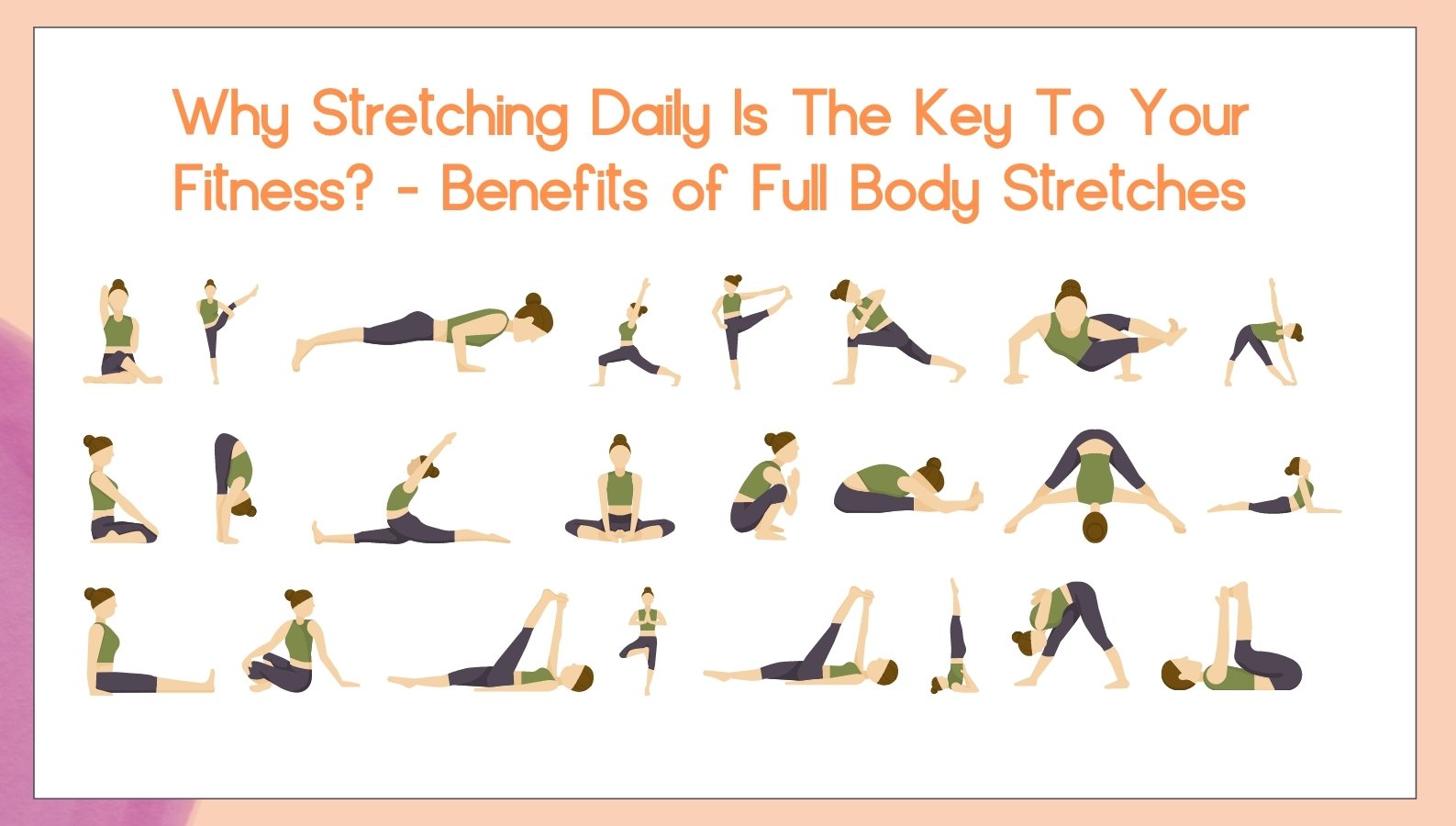
When you commit to a regular routine, your body thanks you in numerous ways. Here’s a closer look at the benefits:
- Increased Range of Motion: Stretching helps keep your joints moving freely, making everyday activities easier.
- Enhanced Blood Circulation: Gentle stretching boosts blood flow, delivering more oxygen and nutrients to your muscles and helping them recover.
- Reduced Risk of Injury: Flexible, well-conditioned muscles are less prone to strains and tears, especially during physical activity.
- Improved Athletic Performance: A better range of motion and improved circulation can translate directly to better performance in sports and workouts. Looking for other ways to get moving? Some people find a quick workout to boost energy in the morning sets a positive tone for the day.
- Better Posture: Stretching muscles in the chest, shoulders, and lower back can help counteract the slouching that comes from long hours of sitting.
- Stress Relief: The act of stretching releases tension held in the muscles, which can have a calming effect on the mind.
How Stretching Improves Flexibility and Mobility
So, what’s happening inside your body when you stretch? Regular stretching gently encourages your muscle fibers to lengthen and become more elastic over time. It’s not about forcing a change in one session but about consistency.
Think of it like this: your muscles adapt to the positions you hold most often. If you sit all day, your hip flexors can become short and tight. Stretching signals to these muscles that it’s okay to relax and lengthen. Research shows that accumulating just 10 minutes of stretching per muscle group each week can lead to significant gains in flexibility.
Understanding Different Types of Stretching
Not all stretches are created equal. The two main types you’ll encounter are static and dynamic stretching. Understanding the difference is key to knowing when to use each for the best results. Other types, like passive and ballistic stretching, are generally more specialized and not typically recommended for a general daily routine.
Static vs. Dynamic Stretching: When to Use Each
Dynamic stretching involves active movements where your joints and muscles go through a full range of motion. Think of arm circles, leg swings, or torso twists. This type of stretching is ideal for a pre-workout warm-up. It gets your blood flowing, increases muscle temperature, and prepares your body for more intense activity. Aim for about 10-12 repetitions for each movement.
Static stretching is what most people picture when they think of stretching. It involves holding a position for a period of time, typically 15-30 seconds, to lengthen a muscle. This is best done post-workout or as a standalone flexibility session when your muscles are already warm. Holding a static stretch helps muscles relax, improves long-term flexibility, and aids in recovery.
How Often Should You Stretch Daily
Consistency is more important than intensity. The ACSM suggests adults should perform flexibility exercises at least two to three times per week, but daily stretching is highly beneficial and often easier to make a habit.
The main goal is to accumulate enough stretching time for each major muscle group. What matters is the total time under tension. This could mean a single 10-minute session once a week or, more practically, a few minutes every single day.
Optimal Duration and Hold Times
For most adults, holding a static stretch for 15-30 seconds is effective. If you’re looking for significant flexibility gains, holding for up to 60 seconds can be even more beneficial. Older adults, in particular, may see better results from these longer holds.
Repeat each stretch 2-4 times. A simple daily routine lasting just 5 to 10 minutes is a realistic and highly effective goal for most people.
Best Time to Stretch: Morning vs. Evening
There’s no single “best” time to stretch—it depends on your goals and your schedule.
Morning stretching is a fantastic way to wake up your body. It helps shake off the stiffness from sleep, increases blood flow, and can provide a gentle boost of energy and mental clarity for the day ahead.
Evening stretching is geared more toward relaxation and recovery. It helps release the physical tension that has built up throughout the day, aids muscle recovery, and can improve your sleep quality by calming your nervous system.
Ultimately, the most effective time to stretch is whenever you will actually do it consistently.
Pre-Workout vs. Post-Workout Stretching
This is a common point of confusion. Here’s the simple rule:
- Before your workout: Focus on dynamic stretching after a 5-10 minute light warm-up (like walking or jogging). This prepares your muscles for action without decreasing their power.
- After your workout: This is the perfect time for static stretching. Your muscles are warm and pliable, making them receptive to lengthening. This helps with recovery and improves your overall flexibility.
Avoid doing deep static stretches on cold muscles, as this can increase your risk of injury.
Complete Daily Stretching Routine for Beginners
This 10-minute routine targets all the major muscle groups and requires no equipment. Focus on your breathing—inhale as you prepare, and exhale as you deepen the stretch. Never push into pain; a gentle pulling sensation is what you’re aiming for.
Neck and Shoulder Stretches
Perfect for releasing tension from screen time.
- Neck Tilt: Sit or stand tall. Gently tilt your head, bringing your right ear toward your right shoulder. Hold for 15-30 seconds. Repeat on the left side.
- Shoulder Rolls: Inhale and lift your shoulders up toward your ears. Exhale and roll them back and down. Repeat 5 times, then reverse the direction for 5 more.
Upper Body and Chest Stretches
Helps counteract a slouched posture.
- Doorway Chest Stretch: Stand in a doorway and place your forearms on the frame, with your elbows slightly below shoulder height. Step forward with one foot until you feel a gentle stretch across your chest. Hold for 30 seconds.
- Upper Back Stretch: Clasp your hands in front of you and round your upper back, pushing your hands away from your body. Hold for 20-30 seconds.
Lower Back and Core Stretches
Ideal for relieving lower back tightness.
- Cat-Cow: Start on your hands and knees. Inhale as you drop your belly and look up (Cow). Exhale as you round your spine and tuck your chin (Cat). Flow between the two for 5-8 breaths.
- Knees-to-Chest: Lie on your back and gently pull both knees toward your chest. Hold for 30-60 seconds, rocking gently from side to side if it feels good.
Hip Flexor and Glute Stretches
Crucial for those who sit for long periods.
- Kneeling Hip Flexor Stretch: Kneel on your right knee, with your left foot flat on the floor in front of you. Gently press your hips forward until you feel a stretch in the front of your right hip. Hold for 30 seconds, then switch sides.
- Figure-4 Stretch: Lie on your back with your knees bent. Cross your right ankle over your left thigh. Gently pull your left thigh toward you until you feel a stretch in your right glute. Hold for 30 seconds, then switch sides.
Leg Stretches: Hamstrings, Quads, and Calves
Essential for overall mobility and function.
- Hamstring Stretch: Sit on the floor with your right leg extended straight and your left foot against your inner right thigh. Gently fold forward over your right leg. Hold for 30 seconds, then switch sides.
- Standing Quad Stretch: Stand tall, holding onto a wall or chair for balance. Grab your right ankle and gently pull your heel toward your glute. Keep your knees together. Hold for 30 seconds, then switch sides.
- Calf Stretch: Stand facing a wall with your hands on it for support. Step your right foot back, keeping the leg straight and the heel on the floor. Hold for 30 seconds, then switch sides.
Targeted Stretching Routines for Specific Needs
While a general routine is great, you can also tailor your stretches to your lifestyle.
Stretching Routine for Desk Workers and Sedentary Lifestyles
If you spend hours sitting, your body needs specific attention. Focus on the stretches listed above for the neck, chest, lower back, and hip flexors. Add in some wrist circles and finger stretches to combat typing fatigue. This is especially helpful if you also need stretches for standing all day, as both lifestyles strain similar muscle groups. Try to take a 5-minute stretch break every hour or two. Good ergonomics at your workspace is also key.
Morning Wake-Up Stretching Sequence
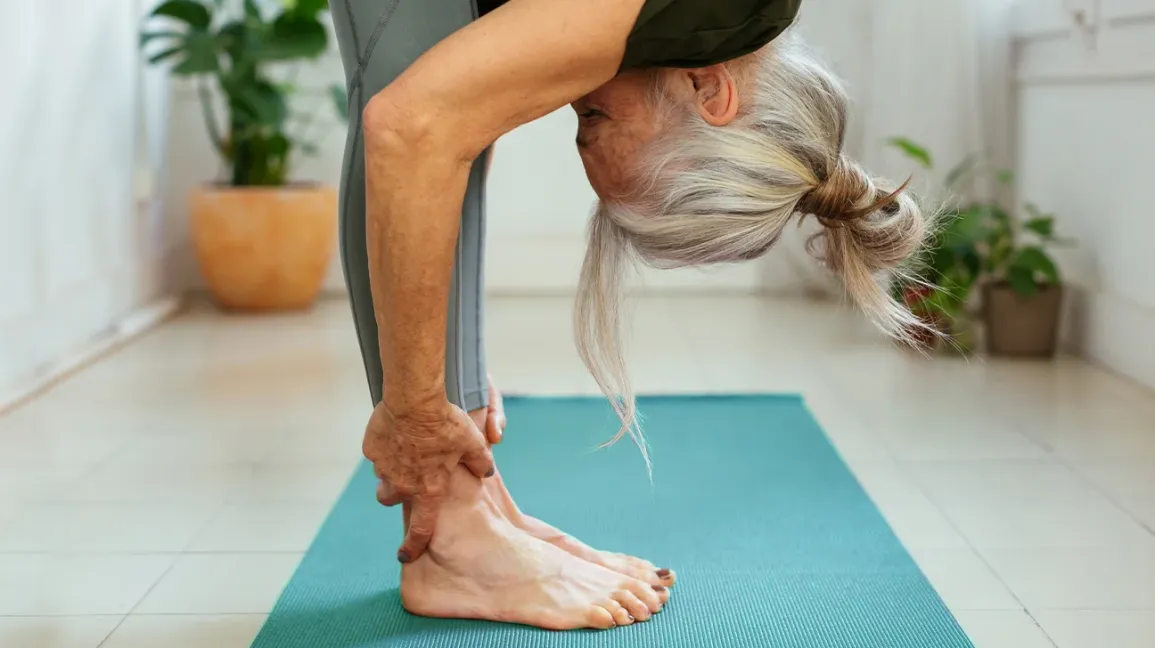
Start your day with gentle movement. While still in bed, try the knees-to-chest and a gentle spinal twist. Once you’re up, a few Cat-Cows and a standing forward fold can help wake up your spine and hamstrings. The goal is to move gently and connect with your breath, setting a positive tone for the day.
Evening Relaxation and Recovery Stretches
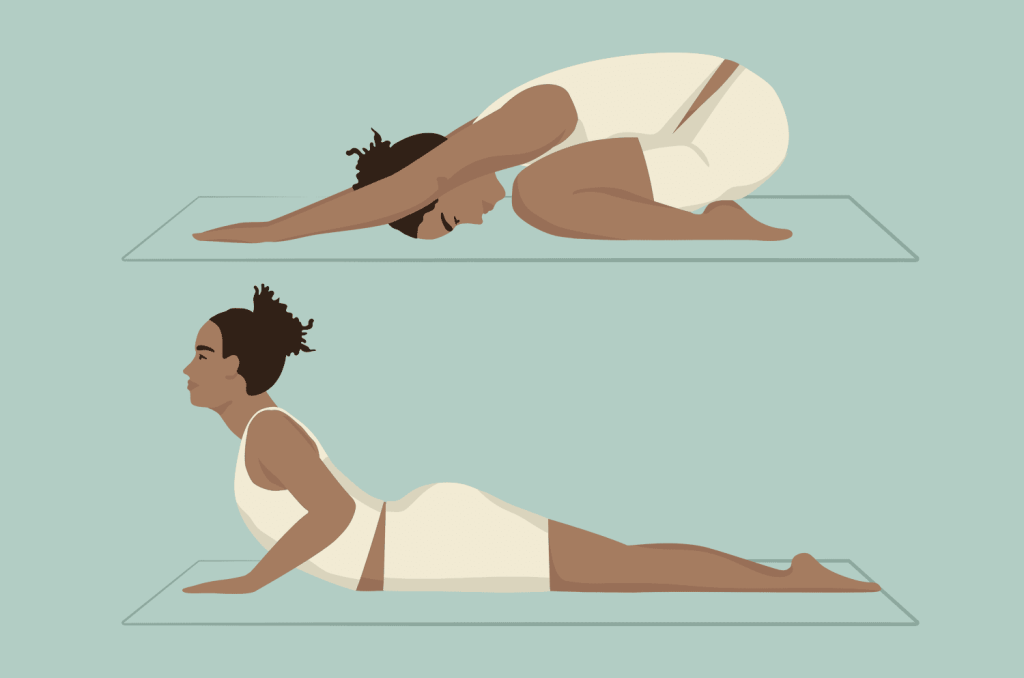
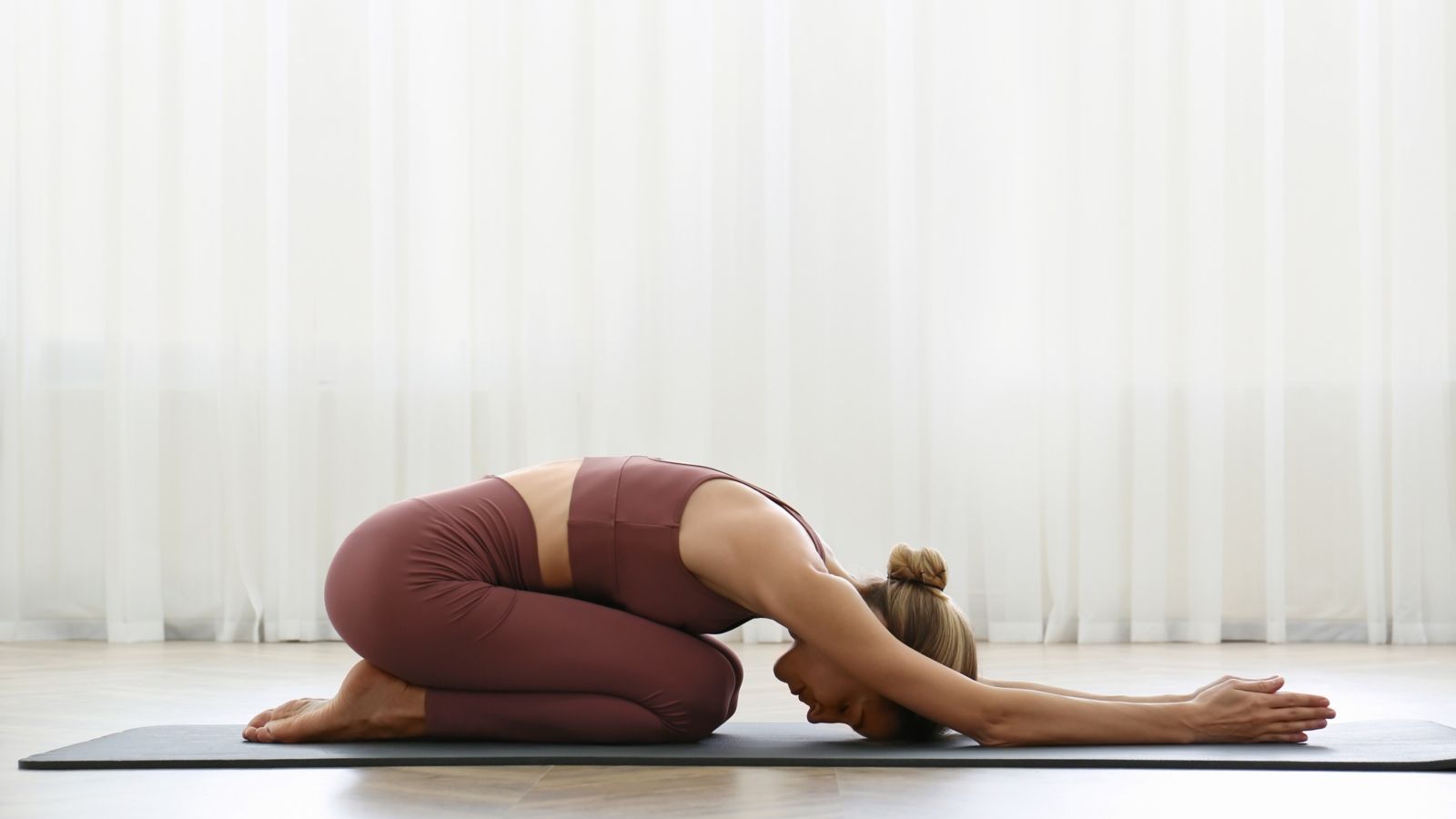
Help your body unwind before sleep. This routine should focus on longer holds (45-60 seconds) and deep breathing. Poses like Child’s Pose, a seated forward fold, and Legs-Up-the-Wall are excellent for calming the nervous system. This practice can be a form of mindfulness that significantly improves sleep hygiene.
Common Stretching Mistakes to Avoid
To get the most out of your routine and stay safe, avoid these common errors:
- Stretching Cold Muscles: Always warm up with 5 minutes of light activity first. A quick walk, jogging in place, or even a workout using stairs can do the trick.
- Bouncing: Bouncing (ballistic stretching) can cause micro-tears in the muscle. Hold stretches in a steady, static position.
- Pushing into Pain: A stretch should feel like mild tension, not sharp pain. If it hurts, ease up.
- Holding Your Breath: Breathe deeply and continuously. Exhaling as you deepen the stretch helps your muscles relax.
- Stretching an Injury: Don’t stretch an acutely injured or torn muscle. Allow it to heal first.
Proper Form and Breathing Techniques
Good form ensures you’re stretching the right muscle safely. Keep your spine in a neutral position when possible and avoid locking your joints. Move into and out of stretches slowly. Your breath is your guide. Deep, diaphragmatic breathing sends a signal to your nervous system to relax, which allows your muscles to release more effectively.
How to Tell If You’re Overstretching
Listen to your body. Signs of overstretching include:
- Sharp or shooting pain.
- Numbness or tingling.
- Pain that lasts for hours or days after stretching.
- Feeling less stable or weaker in a joint.
Productive stretching feels like a gentle pull. Harmful stretching hurts. Progress should be gradual over weeks, not forced in a single session.
Tips for Building a Consistent Stretching Habit
Making stretching a habit is the hardest part. Here are some strategies that work:
- Start Small: Commit to just 5 minutes a day. It’s easier to start small and build up than to aim for 30 minutes and quit after a week.
- Pair It with an Existing Habit: Stretch while your morning coffee brews, right after you brush your teeth, or just before you get into bed. This is called “habit stacking.”
- Set a Reminder: Use your phone or a calendar alert for the first few weeks until the routine becomes automatic.
- Create a Comfortable Space: Have a dedicated spot with a mat or a soft rug where you can stretch without distractions.
Tracking Your Flexibility Progress
Seeing progress is a great motivator. Every couple of weeks, check in with yourself. Can you reach a little further in your hamstring stretch? Do your shoulders feel less tight? You could even take a progress photo. A journal can also be helpful for noting how you feel before and after your sessions.
When to Seek Professional Guidance
While a general stretching routine is safe for most, there are times when it’s best to consult a professional, like a physical therapist or certified personal trainer.
Seek guidance if you experience:
- Chronic pain that doesn’t improve.
- Limited mobility that interferes with daily life.
- An acute injury.
- Uncertainty about the proper form for your body.
A professional can provide a personalized assessment, identify any muscle imbalances, and design a routine tailored specifically to your needs, which is especially important for anyone with underlying health conditions.
Building a daily stretching routine is an investment in your long-term health and well-being. It’s a simple act of self-care that pays huge dividends. Start small, be consistent, and listen to your body. For more tips on wellness and building healthy habits, explore more content here at Not One Type.

Có thể bạn quan tâm
Workout Boost Energy: 7 Best Exercises to Increase Vitality
Despite the common assumption that exercise depletes energy, research consistently shows the opposite: strategic workouts...
Dec
12 Best Stretches for Standing All Day (Relief & Prevention)
Standing for hours on end is tough on the body. Whether you’re a nurse, a...
Dec
Stair Workout Guide: 15+ Exercises for All Fitness Levels
Stair workouts offer one of the most accessible and effective forms of exercise you can...
Dec
How Working Out Improves Your Mood?
Some days, just getting out of bed feels like a win. On those days, the...
Nov
How to Motivate Yourself to Workout in the Morning (11 Proven Strategies)
Getting out of bed for a morning workout can feel nearly impossible, especially when your...
Nov
How to Motivate Yourself to Workout Alone: 15 Proven Strategies That Work
Let’s be honest: mustering the energy to work out is tough enough. But doing it...
Nov