

Building a relationship that lasts takes more than just love—it requires consistent effort, open communication, and mutual respect. I’ve learned that whether you’re just starting out or have been together for years, the right advice can make all the difference in navigating challenges and deepening your connection. This guide is a collection of practical, time-tested tips that have helped me and many others create a healthy, fulfilling partnership. Think of it as a friendly chat about the essential marriage advice that truly works, helping you build the relationship you deserve.
Why Good Relationships Don’t Just Happen
Okay, let’s get real for a moment. The fairytale idea that the “right” couple never has to work at their relationship is a myth. A strong partnership isn’t something you find; it’s something you build, day by day. Every relationship goes through seasons—the exciting beginning, the comfortable middle, and the inevitable tough spots. The key is knowing that these shifts are normal. Putting in the effort to adapt and grow together isn’t a sign of trouble; it’s a sign of commitment. The work you invest will pay off in a connection that’s both rewarding and resilient.
Communication Foundations
Talk Openly About Your Needs and Feelings
One of the biggest lessons I’ve learned is that my partner can’t read my mind. It sounds simple, but so many of us expect our loved ones to just know what we need. Instead of dropping hints or getting quiet, try expressing your needs and feelings directly but gently. A simple “I feel a bit lonely and would love to spend some quality time together tonight” works much better than a sigh and an eye-roll. It’s about starting a conversation, not an attack. The best time for these chats? When you’re both calm and can actually listen, not when you’re already stressed or tired.
Practice Active Listening
Communication is a two-way street, and listening is just as important as talking. Active listening isn’t just staying quiet until it’s your turn to speak. It’s about genuinely trying to understand your partner’s perspective. When they’re talking, put your phone down and give them your full attention. Try repeating back what you heard in your own words, like, “So, it sounds like you’re feeling overwhelmed at work right now. Is that right?” This simple act shows you’re engaged and makes your partner feel truly seen and heard. It’s a game-changer for building trust. If you want to explore this further, learning how to communicate better with your spouse is a great starting point.
Be Transparent and Vulnerable
This one can be tough, but it’s where the deep connection happens. Being transparent means sharing the real you—your fears, your insecurities, even things you’re not proud of. Vulnerability isn’t a weakness; it’s an invitation for your partner to see your whole heart. When you create a safe space to talk about anything without judgment, you build an unbreakable bond of emotional intimacy. It means you can talk about a weird dream, a passing crush, or a fear about the future and know your partner is on your team.
Building and Maintaining Trust
Keep Your Promises
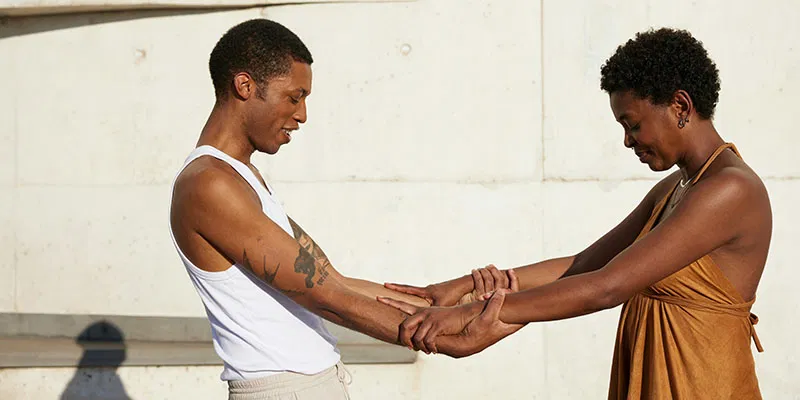
Trust is built on a foundation of reliability. It’s not about grand, dramatic gestures, but about the small, everyday things. When you say you’ll do something, do it. If you promise to call after work, make that call. Every kept promise, no matter how small, adds another brick to that foundation. Of course, life happens. If you can’t follow through, communicate it as soon as you know. A simple, “Hey, I’m running late and won’t be able to pick up dinner after all,” is far better than silence. Consistency is what shows your partner they can count on you.
Address Issues as They Arise
Have you ever felt a small annoyance grow into a huge resentment? I know I have. Letting things fester is like a poison for relationships. While you don’t need to pick apart every little thing, it’s important to speak up when something genuinely bothers you. Addressing small issues promptly prevents them from snowballing into major conflicts. It’s about finding the balance between letting the little things go and ensuring your feelings are respected. When you’re wondering how do you rebuild trust in a relationship, remember that it often starts with being honest about the small things.
Create a Judgment-Free Zone
For trust to flourish, both partners need to feel safe. This means creating a space where you can share anything—a mistake, a fear, a dream—without worrying about being criticized or shamed. When your partner opens up to you, your first response should be one of acceptance and support, even if you don’t fully understand. Judgment shuts down communication instantly. An open, accepting environment encourages honesty and makes you both feel like you have a true sanctuary with each other.
Respect as the Foundation
Respect Different Interests and Perspectives
You and your partner are two different people, and that’s a good thing! You don’t have to love all the same hobbies or agree on every single movie. A strong relationship has room for individuality. Respecting your partner’s need for alone time or their passion for a hobby you don’t share shows that you value them as a person, not just as your partner. Maintaining your own identity makes the relationship richer and gives you more to share with each other.
Recognize Your Partner’s Equal Say
A relationship is a team. In a healthy team, every player’s voice matters. Decisions, big or small, should be made together. When one person dominates the decision-making, it creates an imbalance that can lead to resentment. If one person on the team is unhappy with a decision, the team isn’t winning. It’s crucial to make sure both partners feel their opinions are heard and valued equally.
Support Each Other’s Goals and Growth
Be each other’s biggest fan. Celebrate their wins, encourage them when they face setbacks, and be genuinely interested in their personal growth. A partnership thrives when both people feel supported in their individual ambitions, whether it’s a career change, a new fitness goal, or learning a new skill. Competing with your partner holds you both back, but cheering them on lifts you both up.
Keeping Romance and Connection Alive
Make Quality Time Non-Negotiable
In our busy lives, it’s easy to let quality time slip. That’s why you have to be intentional about it. Schedule it in if you have to! Quality time doesn’t mean sitting in the same room scrolling on your phones. It means putting distractions away and truly focusing on each other. It could be a 15-minute chat before bed, a walk after dinner, or a dedicated date night. These moments of connection are the glue that holds you together.

Don’t Stop Dating Each Other
Remember the excitement of your first few dates? There’s no reason for that to end. Continuing to “date” your partner is essential for keeping the romance alive, especially after you’ve been together for a while or have kids. Plan fun outings, surprise them with a special dinner, or just get dressed up for a night in. Making an effort to court each other reminds you both why you fell in love in the first place.
Appreciate the Small Gestures
Romance isn’t always about big, expensive gestures. More often, it’s the small, thoughtful things that mean the most. A cup of coffee in the morning, a text just to say “I’m thinking of you,” or taking care of a chore you know they dislike. These little acts of kindness are daily deposits into your relationship’s emotional bank account. They show you’re paying attention and that you care.
Healthy Conflict Resolution
Don’t Fight Unless the Mood Is Right
Trying to resolve a conflict when you’re both angry is like trying to put out a fire with gasoline. When emotions are running high, you’re not talking to the person; you’re talking to their bad mood. It’s perfectly okay—and incredibly healthy—to say, “I’m too upset to talk about this right now. Can we take a break and come back to it in an hour?” Taking a timeout allows you both to calm down and approach the problem with a clearer head.
Throw Away the Scorecard
Relationships are not a competition. Keeping a tally of who did the dishes last or who apologized first is toxic. This kind of scorekeeping creates a dynamic of winning and losing, not teamwork. Instead of focusing on what’s “fair,” focus on what’s needed for the team to succeed. Contribute because you care about your partner and the relationship, not to even the score. This is one of the key ways to learn how to deal with relationship stress before it builds up.
Use Humor to Diffuse Tension
Sometimes, a little humor can be the perfect circuit breaker in a tense moment. Being able to laugh at yourselves or a silly situation can prevent a minor disagreement from becoming a full-blown fight. Of course, this doesn’t mean laughing off a serious concern. But for the smaller stuff, a shared laugh can remind you that you’re on the same side and strengthen your bond.
Setting Healthy Boundaries
Establish Clear Expectations Early
Unspoken expectations are often the root of disappointment. It’s important to talk about what you both want and need from the relationship. This includes everything from how you handle finances to how much time you spend with extended family. These expectations can and should be revisited as your relationship evolves. Being clear from the start prevents a lot of misunderstandings down the road.
Respect Personal Space and Independence
Being in a relationship doesn’t mean you have to be joined at the hip. Healthy relationships allow for independence. You both need time for your own friends, hobbies, and personal space. This isn’t a threat to the relationship; it makes it stronger. Having a life outside of your partnership gives you more to bring back to it and helps you both feel whole as individuals.
Know Your Non-Negotiables
Everyone has core values and dealbreakers. These are the things that are fundamental to who you are. While relationships require compromise, you should never have to compromise your non-negotiables. Knowing what they are and communicating them clearly isn’t being difficult; it’s an act of self-respect. It helps your partner understand you on a deeper level and builds a relationship based on mutual respect for each other’s core principles.
Growing Together Long-Term
Plan for Your Future Together
Talking about and planning for the future is a powerful way to show commitment. It creates a sense of security and reinforces that you’re a team with shared goals. This doesn’t just mean big things like buying a house. It can also be planning a vacation for next year or talking about your personal goals for the next five years and how you can support each other in achieving them.

Embrace Change and Adapt
The person you are today isn’t the same person you were five years ago, and the same is true for your partner. People grow and change, and your relationship needs to be flexible enough to grow with you. Resisting change can cause friction. Instead, embrace it as an opportunity to rediscover each other at different stages of life. A lasting relationship is one that can adapt to new circumstances, challenges, and phases.
Seek Help When You Need It
There’s a strange stigma around couples counseling, but there shouldn’t be. Seeking help from a professional isn’t a sign of failure; it’s a sign that you care enough about your relationship to fight for it. Sometimes, an outside perspective is exactly what you need to learn new tools for communication and connection. If you feel stuck, don’t be afraid to reach out for support.”,
“conclusion”: “A good relationship is one of life’s greatest gifts, but it’s a gift that requires care and attention. It’s built from countless small moments: a listening ear, a kept promise, a shared laugh. By focusing on communication, trust, and mutual respect, you can build a partnership that is not only strong but also deeply fulfilling. Remember that this journey is unique to you and your partner. There will be ups and downs, but with intention and effort, you can create a beautiful life together. These are some of the most important keys to a successful marriage and partnership.
For more thoughts on wellness and building a balanced life, feel free to explore more at www.notonetype.org.

Có thể bạn quan tâm
How to Be a Better Wife: Practical Ways to Strengthen Your Marriage
Being a wife is a role that evolves. Some days it feels natural, and other...
Dec
How to Deal with an Angry Partner: Effective Strategies for a Healthier Relationship
Dealing with a partner who frequently expresses anger can feel overwhelming. It’s emotionally draining. Whether...
Dec
How to Deal with Relationship Stress: 7 Proven Ways
Relationship stress affects nearly every couple at some point, causing tension, communication breakdowns, and emotional...
Dec
How to Rebuild Trust in a Relationship: A Step-by-Step Guide
Rebuilding trust after it’s been broken can feel like trying to glue a shattered vase...
Dec
How to Fix a Broken Marriage: 12 Proven Steps to Reconnect
Fixing a broken marriage is possible when both partners commit to the process, even when...
Dec
How to Communicate Better with Your Spouse: 12 Simple Tips
Let’s be real for a second. Even in the best marriages, communication can get… tricky....
Dec