
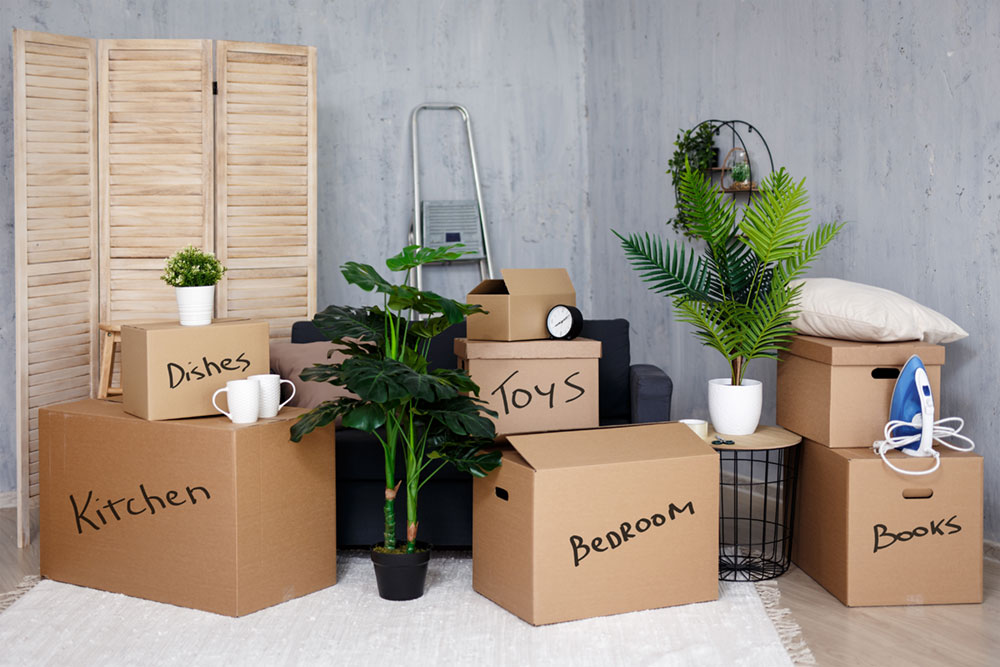
Moving to a new home is an exciting fresh start. But let’s be honest—the process can feel completely overwhelming. Packing up your entire life is a huge task, and it often highlights just how much stuff we accumulate. This is the perfect opportunity to lighten your load. Decluttering before moving saves time, reduces moving costs, and cuts down on the stress of packing items you no longer need. It can feel daunting, so if you’re not sure where to begin, our guide on how to start decluttering when overwhelmed is a great first step. By sorting through your belongings and making intentional choices, you can turn a chaotic move into an organized, efficient process.
Why Decluttering Before Moving Saves Time and Money
Let’s talk about the practical side of things. Most moving companies charge based on the weight and volume of your shipment. It’s simple math: fewer items mean lower costs. Think about the heavy furniture you never liked or the boxes of books you haven’t touched in a decade. Each pound you leave behind is money back in your pocket. One moving industry study suggested that the average long-distance move costs over $4,000. Getting rid of just 10-15% of your belongings could easily save you hundreds.
Beyond the financial savings, you’re also saving a ton of time and energy. You’ll spend less time packing, less time loading the truck, and—most importantly—less time unpacking and finding a place for everything in your new home. The real prize is the emotional benefit. Starting fresh in a new space without the physical and mental weight of clutter is truly freeing.

When to Start: The Perfect Decluttering Timeline
Procrastination is the enemy of a smooth move. The key is to start much earlier than you think you need to. Rushed decisions often lead to regret, either by keeping too much or tossing something important.
- Studio/1-Bedroom: Aim for 3-4 months.
- 2-3 Bedrooms: Give yourself 4-5 months.
- 4+ Bedrooms / Family Home: Start 5-6 months out, or even earlier if you can.
Early Phase: 6+ Months Before Moving
This is the time for easy wins. Start with the areas that have the least emotional attachment. Think about the garage, attic, basement, or storage closets. Go through seasonal decorations, old sporting equipment, and anything you rarely use. Making these simpler decisions first builds momentum and makes the harder choices later feel more manageable.
Mid-Timeline: 3-4 Months Before Moving
Now it’s time for the main event. Work your way through the house room by room. This is when you’ll tackle more personal areas like bedrooms, offices, and closets. You’ll also deal with more challenging categories like family photos, kids’ artwork, and other sentimental belongings. Use this period to schedule a donation pickup for larger items or plan a weekend for a garage sale.
Final Push: 1-2 Months Before Moving
In the last couple of months, you should be making final decisions on any borderline items. Finalize your donation runs and dispose of anything that can’t be sold or given away. The goal is to finish decluttering before you start the serious packing. This way, you’re only boxing up things you truly want and need in your new home.
How to Decide What to Keep, Donate, and Throw Away
Okay, so how do you actually decide? Understanding how to declutter your home effectively starts with a clear system. The most common method is the four-box system. Get four bins and label them: Keep, Donate, Sell, and Trash. As you pick up each item, you have to decide which box it goes into. No “I’ll decide later” pile allowed. If you’re new to this whole process, check out our general decluttering tips for beginners for a solid foundation.

The One-Year Rule
A simple but effective guideline is the one-year rule. If you haven’t used an item in the last 12 months, chances are you won’t miss it. Of course, there are exceptions for things like formal wear, specialized tools, or seasonal gear. But for everyday items, it’s a great way to challenge the “just in case” mindset that leads to clutter.
Evaluating Sentimental Items
This is the hardest part for most of us. How do you let go of things tied to precious memories? This is a common struggle, especially when you feel like you want to keep everything. A great approach is to ask yourself if the item truly brings you joy, a concept popularized by Marie Kondo.
Sometimes, the memory is more important than the object itself. Take a photo of the item before you let it go. You can create a digital album of these memories that takes up zero physical space. For items you’re really unsure about, create a “maybe box.” Seal it and write a date on it six months in the future. If you haven’t needed to open it by then, you can donate it without looking inside.
Measuring Your New Space
This is a crucial, often overlooked step. Get the floor plan for your new home and measure your current furniture. That oversized sectional you love might not fit in your new living room. Moving something that won’t fit is a waste of money, time, and effort. Create a simple layout to see what works and what doesn’t. This makes decisions about large items much more logical and less emotional.
Room-by-Room Decluttering Guide
Tackling the whole house at once is a recipe for burnout. The best strategy is to focus on one room—or even one part of a room—at a time. To keep track of it all, using a simple declutter checklist can be a game-changer.
Kitchen
The kitchen is often full of duplicates and unused gadgets.
- Keep: Dishes and utensils you use weekly, functional appliances, and food storage containers that have matching lids.
- Donate: Duplicate items (how many can openers do you need?), that bread maker you used once, and excess mugs.
- Toss: Expired food and spices, broken cookware, and worn-out dish towels.
Bedroom and Closets
Closets can be overwhelming, so be systematic.
- Keep: Clothes that fit you right now and that you genuinely enjoy wearing.
- Donate: Good-condition clothing you no longer wear, shoes that hurt your feet, and bags that aren’t your style.
- Toss: Anything torn, stained, or worn-out. Old, discolored bedding.
Living Room
This space is about comfort and function.
- Keep: Furniture that fits your new space, decor you love, and books you know you’ll reread.
- Donate: Books you’ve read, games the family has outgrown, and decor that no longer matches your taste.
- Toss: Old magazines, broken electronics, frayed cables, and wobbly or damaged furniture.
Bathroom
Bathrooms are small spaces that collect a surprising amount of clutter.
- Keep: Unexpired medications and toiletries you use regularly. Clean, functional towels.
- Donate: Sealed, unused products you tried but didn’t like.
- Toss: Expired makeup and medications, empty bottles, and old toothbrushes.
Garage, Basement, and Storage Areas
These are often the toughest spots.
- Keep: Tools that work and that you actually use. Holiday decorations that you love.
- Donate or Sell: Unused sports gear, duplicate tools, and excess seasonal decorations.
- Toss: Broken items, hazardous materials (check local rules!), and mystery boxes you haven’t opened since your last move.
Smart Decluttering Strategies and Tips
Start Small with Easy Wins
Feeling overwhelmed? Start with one drawer. Or one shelf. Or just the junk mail pile on the counter. These quick wins provide a hit of dopamine and build the confidence you need to tackle bigger projects. Minimalism doesn’t happen overnight.

Stop Bringing New Items Home
During your decluttering phase, put yourself on a temporary shopping ban for non-essential items. The goal is to have a net outflow of stuff from your home. Bringing new things in while trying to get old things out is like trying to bail out a boat with a hole in it.
Digitize Papers and Photos
Piles of paper and boxes of old photos create a lot of physical clutter. Invest in a decent scanner or use a scanning app to digitize important documents, kids’ artwork, and old photographs. Store them in the cloud or on an external hard drive to preserve the memories while freeing up space.
Use Clear Labels and Sorting Bins
Label your boxes or bins clearly. This visual system makes sorting much faster. As soon as a “donate” or “trash” bin is full, get it out of the house immediately—put it in your car or take it to the dumpster. Don’t let it sit around, tempting you to second-guess your decisions.
Where to Donate, Sell, or Dispose of Unwanted Items
Donation Centers and Charities
Organizations like Goodwill and The Salvation Army are great for a wide variety of items. Habitat for Humanity ReStore accepts furniture, appliances, and building materials. Also, look for local charities, schools, animal shelters, or libraries that may need specific items. Many organizations offer free pickup for large donations.
Selling Items Online and at Garage Sales
Facebook Marketplace and Craigslist are excellent for selling furniture and large items locally. For higher-value goods, consider eBay or local consignment shops. A garage sale can be a great way to get rid of a lot of stuff at once, but be realistic—it’s more about clearing clutter than making a huge profit.
Proper Disposal and Recycling
For everything else, you need a disposal plan. Check your local sanitation department’s website for rules on bulk trash pickup. For old electronics, look for e-waste recycling events in your community. If you have a lot of junk, consider hiring a junk removal service like 1-800-GOT-JUNK?. It can be worth the cost for the convenience alone.
Getting Help with Decluttering
You don’t have to do this alone. Moving is a major life event, and it’s okay to ask for help.
Hiring Professional Organizers
If you are completely overwhelmed or short on time, a professional organizer can be a lifesaver. They provide an objective perspective and efficient systems to get the job done quickly. They’re particularly helpful for people who struggle with sentimental attachment or chronic disorganization.
Involving Family and Friends
Ask family members to finally come and get the things they’ve been storing at your house. Better yet, turn decluttering into a social event. Invite friends over to help you sort, and offer them pizza and first dibs on anything in the donate pile. A helping hand can make the work go faster and feel less like a chore.
Decluttering for a move is more than just cleaning out your closets; it’s about intentionally designing your future. By deciding what’s truly important, you make space—physically and mentally—for the next chapter of your life. It’s a challenging process, but the reward of walking into a clean, organized new home is absolutely worth it. Here at www.notonetype.org, we believe that creating an intentional living space is a powerful form of self-care.

Có thể bạn quan tâm
How to Declutter Your Home for Sale: A Complete Guide to Attracting Buyers
Selling your home is a huge step, and let’s be honest, the thought of sorting...
Dec
7 Unusual Ways to Declutter Your Home (Beyond Basic Tips)
Decluttering doesn’t have to mean spending entire weekends sorting through every closet or following rigid...
Dec
How to Start Decluttering When Overwhelmed: 13 Simple Strategies That Work
Staring at piles of stuff while feeling frozen about where to begin is a frustrating...
Dec
How to Declutter Your House in One Day: Fast & Easy Guide
Decluttering your entire house in a single day feels like a huge goal, right? I...
Dec
Practical Decluttering Tips for Seniors: A Complete Guide to Downsizing Safely
Decluttering can feel like a huge task, especially when you’ve spent a lifetime gathering memories...
Dec
Decluttering Tips for Hoarders: 10 Easy Steps to Reclaim Your Space
Living with excessive clutter can feel overwhelming, but taking the first step toward a cleaner,...
Dec