
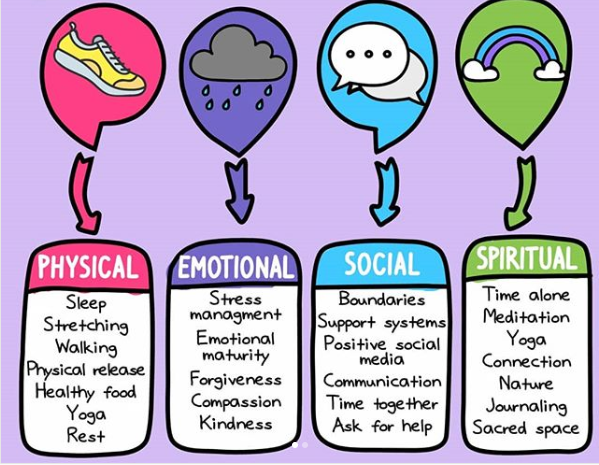
Self-care isn’t just about bubble baths and face masks—it’s a holistic approach to maintaining your wellbeing across every area of your life. Understanding the different types of self care helps you identify which areas need more attention and create a balanced routine that supports your overall health. It’s about being intentional with your choices. Many of these simple self care activities can be woven into your day without much fuss.
Whether you’re feeling physically drained, emotionally overwhelmed, or socially disconnected, there’s a type of self-care that can help you feel more centered and energized.
What Is Self Care and Why Does It Matter?
At its core, self-care is any intentional action you take to care for your physical, mental, and emotional health. It’s not selfish; it’s a necessary practice for staying resilient. When you consistently meet your own needs, you’re better equipped to handle stress, show up for others, and prevent the deep exhaustion of burnout.
Think of it like putting on your own oxygen mask first. Self-care looks different for everyone. For one person, it might be a quiet morning with a book. For another, it’s a long run after work. It’s about honestly asking yourself, “What do I need right now?” and then giving yourself permission to receive it.
Physical Self Care
Physical self-care involves any activity that helps your body function well and maintain good health. It’s often the first thing people think of when they hear “self-care,” and for good reason. When you take care of your body, your mind and mood often follow. The connection between physical and mental wellbeing is incredibly strong.
Key Physical Self Care Activities
- Sleep: Aiming for 7-9 hours of quality sleep each night is fundamental. Pairing good sleep hygiene with a simple nighttime skincare routine creates a calming ritual that signals to your body it’s time to wind down and rest.
- Nutrition: Eating nourishing meals that give you sustained energy. It’s not about restriction, but about fueling your body with what feels good.
- Movement: Finding ways to move your body that you actually enjoy, whether it’s walking, dancing, lifting weights, or stretching.
- Hydration: Drinking enough water throughout the day.
- Health Check-ins: Attending regular medical and dental appointments and taking any prescribed medications.
- Hygiene: Simple acts like showering and caring for your skin can reset your entire day.
Simple Ways to Start Physical Self Care Today
You don’t have to overhaul your life overnight. Start small. Go for a 10-minute walk after lunch. Add one more vegetable to your dinner plate. Go to bed 15 minutes earlier than usual. The goal is to build small, consistent habits that stick.
Emotional Self Care
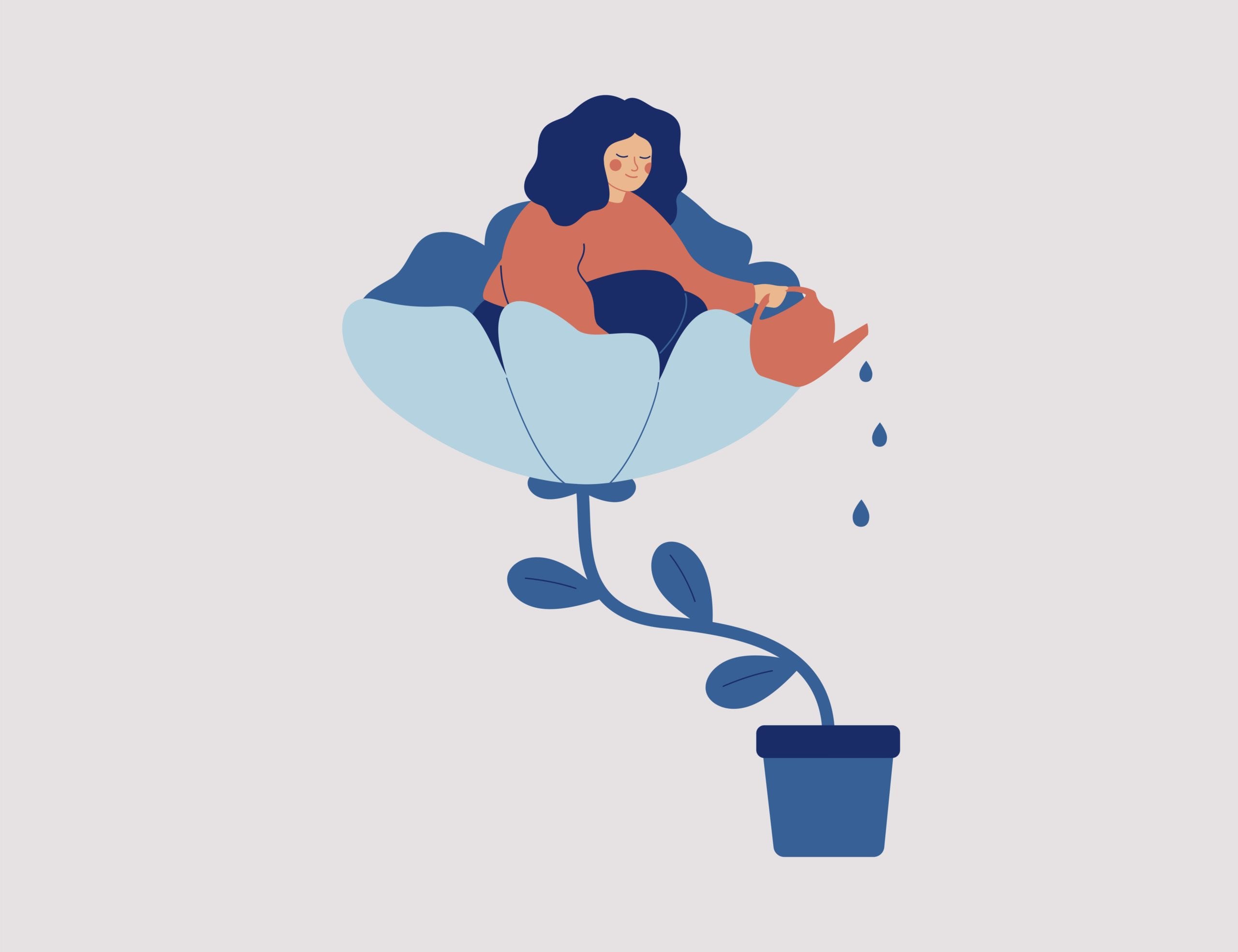
Emotional self-care is about creating space to acknowledge and process your feelings in a healthy way. It’s about building self-awareness and learning to treat yourself with kindness, especially when things are tough. This practice is essential for building resilience and navigating life’s ups and downs without feeling constantly overwhelmed. The journey of emotional care is particularly important, and there are many forms of self care for women that focus on creating these supportive practices.
Effective Emotional Self Care Practices
- Journaling: Writing down your thoughts can help you understand them more clearly.
- Therapy: Talking with a therapist or counselor provides a safe space to explore your feelings.
- Self-Compassion: Treating yourself with the same kindness you’d offer a good friend. Practicing how to love yourself through self-compassion means recognizing that being kind to yourself, especially during difficult times, is a fundamental form of emotional self-care.
- Setting Boundaries: Protecting your emotional energy by saying “no” when you need to.
- Creative Expression: Using art, music, or writing as an outlet for your emotions.
- Stress Management: Finding healthy ways to cope with stress, like deep breathing or meditation.
How to Build Emotional Awareness
Start by simply checking in with yourself a few times a day. Ask, “What am I feeling right now?” and try to name the emotion without judgment. Notice what situations or people trigger certain feelings. This isn’t about controlling your emotions, but about understanding them. With practice, you’ll get better at recognizing what you need and responding with care.
Mental Self Care (Intellectual Self Care)
Mental self-care involves activities that stimulate your mind, encourage learning, and keep you engaged. It helps pull you out of mental ruts and keeps your perspective fresh. An active mind is a healthy mind, and these practices contribute to your overall sense of energy and curiosity.
Ways to Practice Mental Self Care
- Read a book on a topic you know nothing about.
- Listen to a podcast that makes you think.
- Learn a new skill, like a language or a musical instrument.
- Do a puzzle or play a strategy game.
- Take a different route on your daily walk or commute to stimulate your brain.
- Engage in critical thinking by exploring different viewpoints on a subject.
Balancing Mental Stimulation and Rest
It’s also important to give your brain downtime. Constant stimulation can be just as draining as boredom. Mental self-care also includes allowing your mind to rest and wander. Sometimes, the best thing you can do for your brain is to do nothing at all.
Social Self Care
Social self-care is about cultivating supportive relationships and finding a balance between meaningful social time and restorative alone time. As humans, we need connection. Strong social ties can reduce feelings of loneliness, provide a crucial support system, and contribute greatly to our happiness.
Building Healthy Social Connections
- Spend quality time with people who make you feel good.
- Schedule regular calls or meetups with friends you trust.
- Join a club or group that aligns with your interests.
- Practice being a good listener in your conversations.
- Don’t be afraid to ask for help when you need it.

Setting Social Boundaries
Part of healthy social self-care is knowing your limits. This means learning to say no to social events that feel draining, limiting time with people who are consistently negative, and carving out alone time to recharge your social battery. It also includes being mindful of your social media use and how it affects your mental health.
Spiritual Self Care
Spiritual self-care is about connecting with your values and whatever you feel is bigger than yourself. It doesn’t have to be religious. It’s about finding a sense of meaning, purpose, and inner peace. This practice helps ground you and provides a sense of perspective on your life.
Spiritual Self Care Activities
- Meditation or mindfulness: Quieting your mind and being present in the moment.
- Time in nature: Walking in the woods, sitting by the ocean, or simply watching the sunset.
- Gratitude: Taking time to notice and appreciate the good things in your life.
- Reflection: Contemplating your values and what truly matters to you.
- Community: Engaging with a spiritual group or community if that feels right for you.
- Volunteering: Contributing to a cause you care about.
Finding Your Spiritual Practice
Your spiritual practice is deeply personal. Experiment to find what resonates with you. For some, it’s a quiet walk in nature. For others, it’s volunteering at a local shelter. The goal is to find activities that make you feel connected and centered.
Practical Self Care
This is the behind-the-scenes work that makes your life run more smoothly. Practical self-care involves the tasks and responsibilities that, when handled, reduce future stress and create a sense of order. While not always fun, taking care of these things is an act of kindness to your future self.

Practical Self Care Examples
- Creating a budget and tracking your spending.
- Paying bills on time.
- Organizing and cleaning your living space.
- Meal prepping for the week ahead.
- Scheduling appointments and managing your calendar.
- Tackling that pile of laundry.
Making Practical Tasks More Enjoyable
You can make these tasks feel less like chores. Try listening to your favorite podcast while cleaning, breaking a big organizational project into small 15-minute chunks, or rewarding yourself with something you enjoy after you’ve paid your bills.
Financial Self Care
Financial self-care involves managing your money in a way that reduces stress and supports your goals. Financial health is a huge component of overall wellbeing. When you feel in control of your finances, it frees up mental and emotional energy for other things.
Financial Self Care Strategies
- Budgeting: Know what’s coming in and what’s going out.
- Saving: Build an emergency fund for unexpected expenses.
- Education: Learn about personal finance through books, podcasts, or workshops.
- Planning: Set financial goals, whether it’s saving for a vacation or planning for retirement.
- Mindful Spending: Allocate some “fun money” for things that bring you joy, guilt-free.
Environmental Self Care
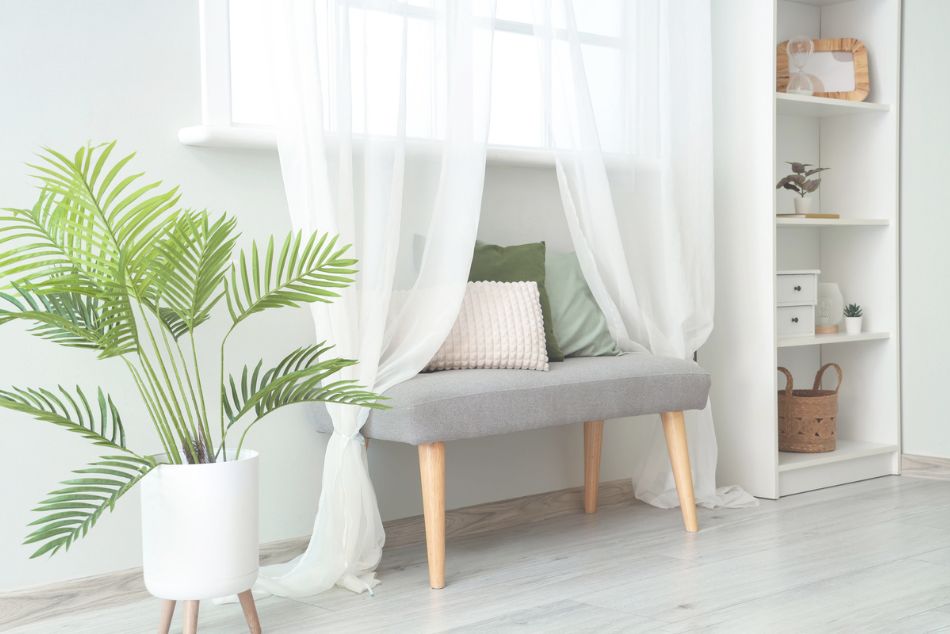
Your physical surroundings have a significant impact on your mood and stress levels. Environmental self-care is about creating a space that feels safe, comfortable, and supportive. This applies to your home, your workspace, and any other environment where you spend a lot of time.
Creating a Supportive Home Environment
- Declutter: Get rid of things you no longer need or love.
- Organize: Create systems so that your space is functional and easy to maintain.
- Cleanliness: Keep your space clean in a way that feels good to you (this doesn’t mean it has to be perfect).
- Comfort: Add elements that feel comforting, like soft blankets, good lighting, or pleasant scents.
- Safety: Ensure your home is a safe and secure place.
Professional Self Care (Work/School)
Professional self-care involves creating boundaries and habits that help you thrive in your work or academic life without burning out. It’s about ensuring your professional responsibilities don’t completely take over your life. Finding ways to practice self care at work is key to long-term career satisfaction and sustainability.
Professional Self Care Practices
- Set clear boundaries between work and personal time.
- Take your scheduled breaks, including a real lunch break away from your desk.
- Learn to say “no” to additional responsibilities when your plate is full.
- Communicate your needs and limits clearly to colleagues or supervisors.
- Turn off work notifications after hours.
- Take time off when you need it to rest and recharge.
How to Create a Balanced Self Care Routine
Getting started doesn’t have to be overwhelming. You don’t need to master all nine types of self-care at once.
Start by checking in with yourself. Which area of your life feels the most neglected right now? Is it your physical health? Your social connections? Your cluttered home?
Pick one area to focus on first. Then, choose one small, simple action you can take this week. Maybe it’s scheduling a coffee date with a friend (social), decluttering one drawer (environmental), or going to bed 20 minutes earlier (physical).
Once that one small action starts to feel like a habit, you can add another. The goal is to build a flexible and sustainable self care routine that evolves with your needs.
Self-care is a continuous practice of checking in and responding with kindness. It’s about building a life that feels good and supportive from the inside out. For more ideas and a community focused on wellness, feel free to explore more at www.notonetype.org.

Có thể bạn quan tâm
Self Care at Work: Simple Strategies to Boost Your Well-Being and Productivity
Taking care of yourself at work isn’t selfish—it’s essential for maintaining your health, happiness, and...
Dec
Self Care Activities for Staff Meetings: 20 Simple Ideas to Boost Wellbeing
Staff meetings don’t have to drain your team’s energy. In fact, they can be the...
Dec
Self-Care for Seniors: 12 Easy Tips to Stay Healthy and Happy
Self-care becomes so much more important as we get older. It’s what helps us maintain...
Dec
Self Care for Teens: 15+ Tips to Manage Stress and Build Healthy Habits
Being a teenager is a lot. Between school pressure, a social life that’s always online,...
Dec
Self-Care for Women: 25+ Ideas to Prioritize Your Well-Being
Self-care isn’t a luxury—it’s essential for women balancing careers, relationships, family, and countless daily responsibilities....
Dec
Self Care for Women Over 40: Your Complete Guide to Thriving in Midlife
Turning 40 marks a shift where your body, mind, and priorities begin to change in...
Dec