
Breaking up is one of the most emotionally challenging experiences you’ll face, but it’s also an opportunity to rediscover yourself and grow. Whether your relationship lasted a few months or several years, the pain of separation is real and deserves time and attention to heal properly. This guide offers practical, compassionate strategies to help you navigate the immediate aftermath, process your emotions in healthy ways, and eventually move forward. Think of this as your personal roadmap for how to get over a breakup and step into a new chapter of your life.
Understanding Your Emotions After a Breakup
First things first: whatever you’re feeling right now is completely normal. Sadness, anger, confusion, relief—sometimes all at once. There’s no “right” way to feel. The pain is a natural response to loss, and giving yourself permission to feel it is the first step toward healing.
It’s also important to know that your healing timeline is your own. It can depend on the length of the relationship, your support system, and so many other personal factors. Be patient with yourself.
The Stages of Breakup Grief
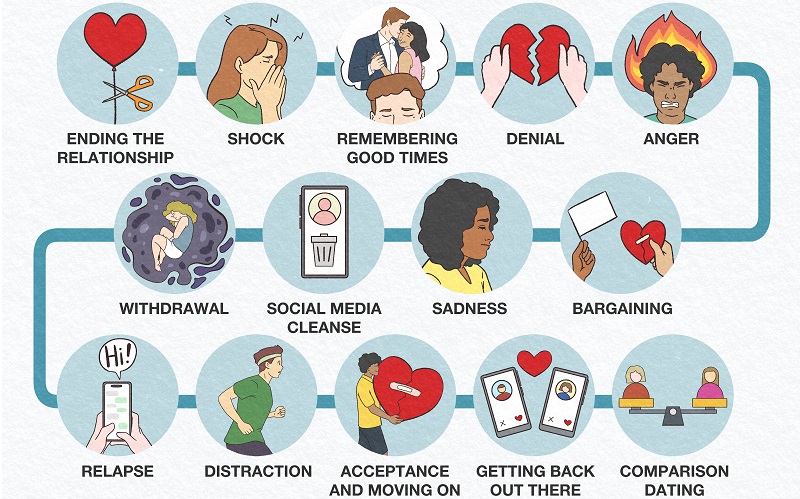
You’ve probably heard of the stages of grief, and they absolutely apply to breakups. But it’s not a straight line. You might bounce between them, and that’s okay.
- Desperate for Answers & Denial: You might find yourself replaying conversations, wondering what went wrong, or even hoping it’s all a misunderstanding. It’s the mind’s way of protecting itself from the initial shock.
- Bargaining: This is the “what if” stage. “What if I had done this differently?” It’s a painful but normal part of trying to regain a sense of control.
- Anger: You might feel angry at your ex, at the situation, or even at yourself. Anger can be a powerful, mobilizing emotion, but it’s important to channel it constructively.
- Depression & Sadness: This is where the reality of the loss truly sets in. This stage is often marked by a deep sense of sadness and is a crucial part of processing the pain. It’s common to experience feeling lonely after a breakup during this time.
- Acceptance & Hope: This isn’t about suddenly being “over it.” It’s about accepting the reality of the breakup and starting to see a future for yourself without your ex. Hope begins to redirect your energy forward.
How Long Does It Take to Get Over a Breakup?
This is the question everyone asks, and the honest answer is: it varies. While there are some general guidelines, what matters most is your commitment to healthy coping, not just waiting for time to pass.
- Mini-breakups (under 9 months): Often 1-3 months.
- Mid-breakups (9 months to 2 years): Typically 3-6 months.
- Major breakups (3-10+ years): Can take 6-12 months or even longer. This is especially true when learning how to get over a long term relationship.
Remember, these are just estimates. The goal isn’t to race to a finish line but to heal thoroughly.
Immediate Steps to Take Right After a Breakup
The first 24-72 hours can feel like a blur. Your main job is to just get through them. Focus on the absolute basics and avoid making any major life decisions while you’re in this raw emotional state.
Allow Yourself to Feel Your Emotions
Seriously, don’t bottle it up. If you need to cry, cry. If you need to scream into a pillow, do it. Suppressing your feelings only prolongs the pain.
Find healthy outlets. Schedule a sad movie marathon. Create that breakup playlist and let it all out. Giving your grief a designated time and place—a “container”—can keep it from overwhelming your entire day.
Reach Out to Your Support System
You don’t have to go through this alone. Call that friend who always knows what to say. Go stay with your family for a weekend. Let the people who love you, support you.
A good support system will listen when you need to talk but also help distract you when you’re stuck in a loop. A walk-and-talk with a friend can be incredibly therapeutic.
Establishing Healthy Boundaries and the No Contact Rule
Creating distance is crucial for clarity and healing. The no contact rule means cutting off all communication with your ex for a set period (often 30-90 days) to give yourself space to process without their influence. It’s not a game; it’s a strategy for your well-being.
This space prevents you from falling into toxic cycles of on-again, off-again and helps you break emotional dependency. It allows you to see the relationship more clearly and begin to build a life without them in it.

Setting Boundaries on Social Media
Social media can be a minefield after a breakup. Protect your peace.
- Mute or Unfollow: You don’t need to see what they’re up to. It will only lead to comparison and pain.
- Resist the Urge to “Check-In”: This is a form of self-torture. If you need to, temporarily block them to remove the temptation.
- Take a Break: If it’s all too much, a social media detox for a week or two can do wonders for your mental health.
What to Do If You Share Living Space or Have Mutual Friends
This can be tricky, but it’s manageable with clear communication. If you live together, create a plan for one person to move out. In the meantime, establish separate schedules and spaces.
With mutual friends, be upfront. Ask them not to share information about your ex with you, and vice versa. You may need to politely decline certain group hangouts for a while, and that’s okay. Prioritize your healing.
Essential Self-Care Practices for Healing
Self-care isn’t just bubble baths and face masks (though those can be nice!). It’s about fundamentally nurturing your well-being. Creating a simple daily routine can provide a sense of stability when everything else feels chaotic.
Physical Self-Care Activities
Your mind and body are connected. Tending to your physical health will directly impact your emotional resilience.
- Move Your Body: Exercise releases endorphins, which are natural mood boosters. A brisk walk, a dance class, or a gym session can make a huge difference.
- Prioritize Sleep: Healing is hard work. If you find you cant sleep after break up, try creating a relaxing bedtime routine—no screens, maybe some herbal tea. Aim for 7-9 hours.
- Nourish Yourself: It’s easy to turn to comfort food or lose your appetite entirely. Try to eat balanced, nutritious meals to keep your energy levels stable.
Emotional and Mental Self-Care
This is about processing your thoughts and being kind to yourself.
- Journaling: Write down everything you’re feeling without judgment. It’s a safe space to process your thoughts and track your progress over time.
- Practice Self-Compassion: Talk to yourself like you would a friend going through the same thing. Avoid self-blame. Dr. Kristin Neff’s work on self-compassion is a wonderful resource here.
- Consider Therapy: Talking to a professional is a sign of strength. A therapist can provide tools and a supportive environment to navigate your grief.
Creative Outlets for Processing Pain
Sometimes words aren’t enough. Creativity can be a powerful way to channel complex emotions.
Try painting what you feel, writing a poem, or creating a playlist that tells the story of your healing journey. Learning a new skill, like pottery or cooking, can also be a fantastic way to focus your mind on something positive and new.
Rediscovering Yourself and Building New Habits
A breakup, as painful as it is, opens up a space in your life. It’s an opportunity to fill that space with things that are just for you. This is the time to reconnect with the person you are outside of the relationship.

Reconnecting With Old Interests and Friends
What did you love to do before the relationship? Pick up that guitar again. Rejoin that sports league. Call up those friends you haven’t seen in a while. Reclaiming these parts of yourself is a powerful step in rebuilding your identity. This is a key part of learning how to deal with a breakup alone.
Trying New Experiences and Activities
Push yourself gently out of your comfort zone. Take that solo trip you’ve always dreamed of. Sign up for a language class. Join a hiking group. New experiences create new memories and new neural pathways, literally helping your brain move on and build an identity that isn’t tied to your past.
Setting Goals for Your Next Chapter
Start thinking about your future. What do you want to achieve in your career? What fitness goal could you work towards? What new skill do you want to learn? Having something positive to focus on gives you a sense of purpose and helps you look forward with excitement instead of backward with longing.
Managing Difficult Moments and Setbacks
Healing is not a linear process. You will have good days and bad days. Anniversaries, birthdays, or even just a song on the radio can trigger a wave of sadness. This is normal. The key is to have a plan for these moments.
What to Do When You Feel Like Reaching Out
The urge will hit, probably when you’re feeling lonely or vulnerable. Here’s your game plan:
- Call a Friend Instead: Have one or two people on speed dial for these moments.
- Journal It Out: Write a letter to your ex with everything you want to say. Don’t send it.
- Use the 24-Hour Rule: Tell yourself you can reach out, but you have to wait 24 hours. The urge will likely pass.
- Distract Yourself: Put on a movie, go for a run, or tackle a project. Finding how to distract yourself from a breakup can be a lifesaver.
Dealing With Reminders and Shared Memories
Decide what to do with their stuff. You can box it up to deal with later, return it, or get rid of it. There’s no wrong answer, just do what feels best for you.
As for places with shared memories, you have two options: avoid them for a while or reclaim them by making new memories there with friends or by yourself.
When Are You Ready to Date Again?
There’s no magic timeline. You’re likely ready when the idea of dating feels exciting, not like a way to distract yourself or prove you’ve moved on.

Ask yourself: Have I processed the lessons from my last relationship? Can I think about my ex without feeling intense pain or anger? Am I comfortable and happy being on my own? When you’re dating from a place of wholeness, not emptiness, you’re on the right track.
Navigating a breakup is a journey, one with ups and downs. Be kind to yourself, lean on your people, and trust in your ability to heal. You will get through this, and you will come out stronger on the other side. For more resources on personal growth and wellness, feel free to explore more on our site, www.notonetype.org.

Có thể bạn quan tâm
How to Be a Better Wife: Practical Ways to Strengthen Your Marriage
Being a wife is a role that evolves. Some days it feels natural, and other...
Dec
Essential Advice for Building a Strong, Lasting Relationship
Building a relationship that lasts takes more than just love—it requires consistent effort, open communication,...
Dec
How to Deal with an Angry Partner: Effective Strategies for a Healthier Relationship
Dealing with a partner who frequently expresses anger can feel overwhelming. It’s emotionally draining. Whether...
Dec
How to Deal with Relationship Stress: 7 Proven Ways
Relationship stress affects nearly every couple at some point, causing tension, communication breakdowns, and emotional...
Dec
How to Rebuild Trust in a Relationship: A Step-by-Step Guide
Rebuilding trust after it’s been broken can feel like trying to glue a shattered vase...
Dec
How to Fix a Broken Marriage: 12 Proven Steps to Reconnect
Fixing a broken marriage is possible when both partners commit to the process, even when...
Dec