
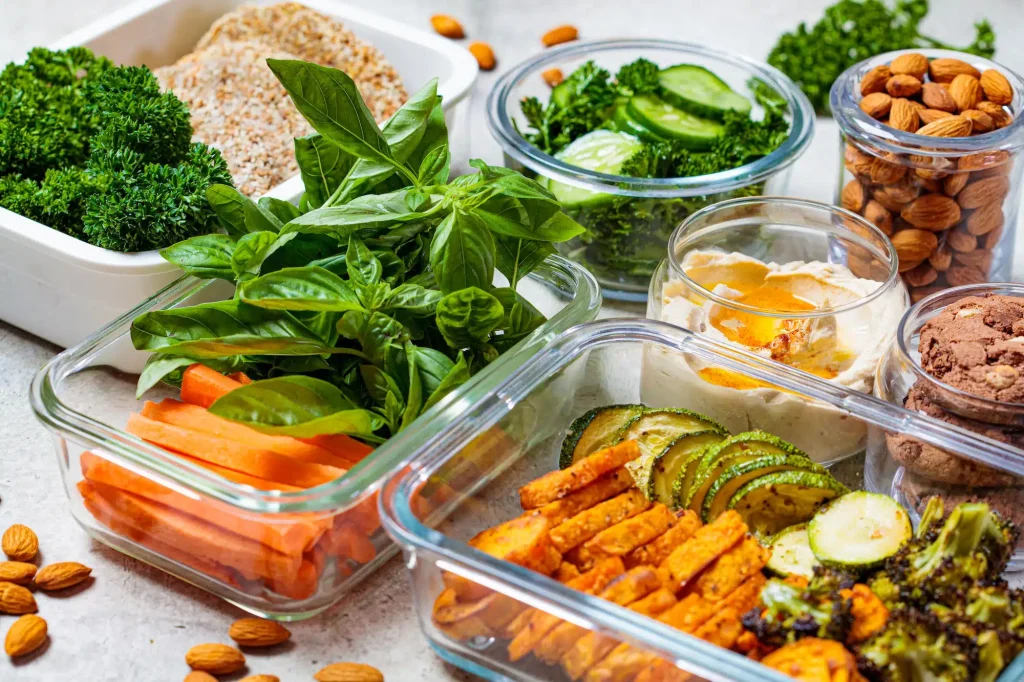
Meal prep is more than just a trend; it’s a powerful strategy for reclaiming your time and taking control of your health. By preparing nutritious meals in advance, you can navigate hectic weekdays with ease, sidestep unhealthy takeout temptations, and stay aligned with your wellness goals and develop good eating habits. Whether you’re a complete beginner or looking to refresh your routine, we’ve gathered over 50 practical ideas to make your week smoother. From protein-packed breakfasts to satisfying dinners, these tips and recipes will help you keep your meals fresh, flavorful, and exciting. If you often feel overwhelmed by the week, you’ll find that great meal prep for busy people is a total game-changer.
What Is Meal Prep and Why It Matters
At its core, meal prep is the simple act of planning and preparing meals or meal components ahead of schedule. This can mean cooking a big batch of chicken for the week, chopping all your vegetables, or portioning out complete grab-and-go lunches.
The “why” is where it gets truly compelling. Embracing meal prep offers a cascade of benefits that impact your health, finances, and daily stress levels.
Health Benefits of Meal Prepping
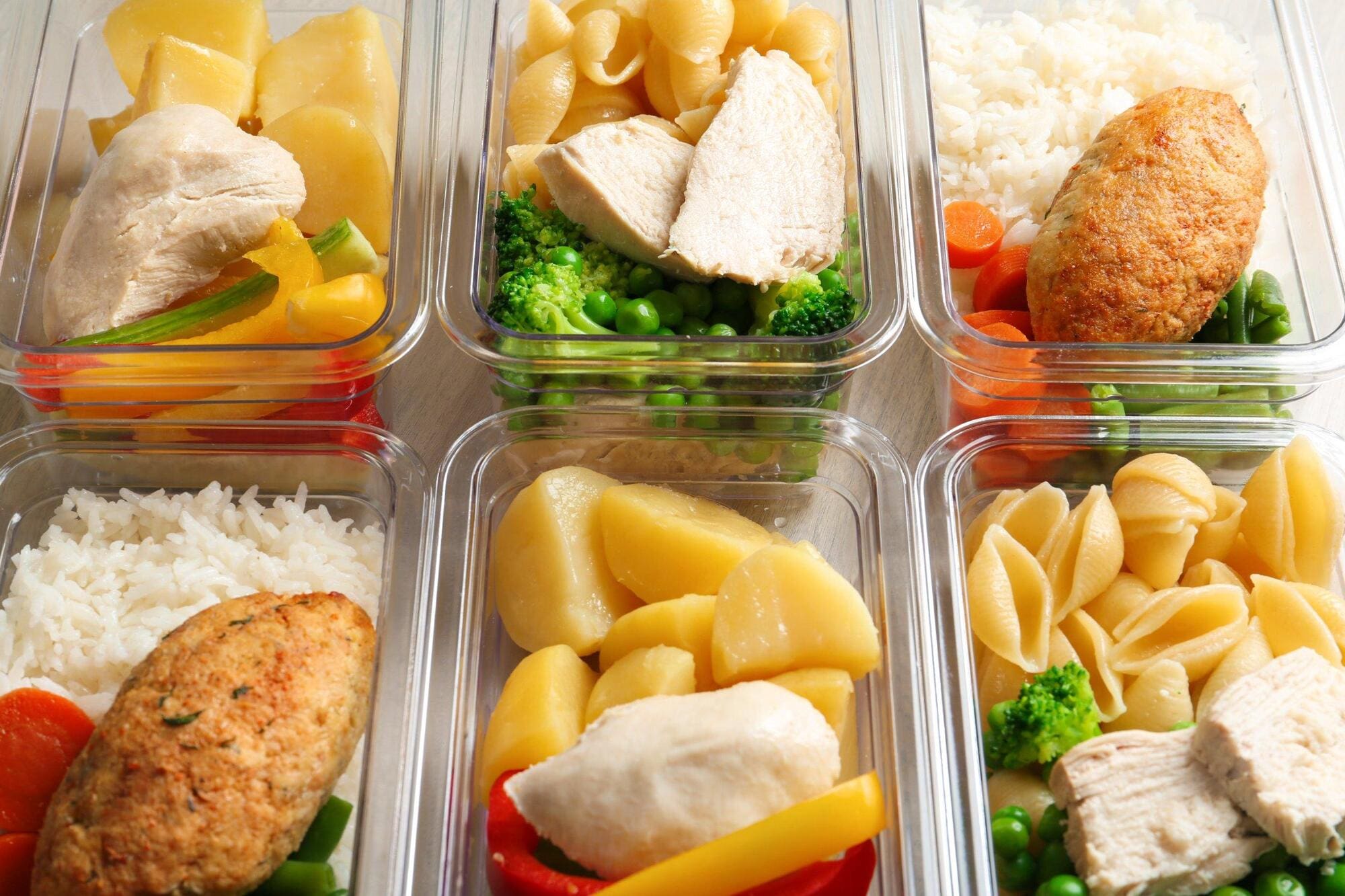
When you prep your own meals, you become the chef. You control every ingredient—the amount of salt, the type of oil, and the portion sizes. This simple shift has profound health implications. Home-cooked meals are consistently linked to better dietary quality and a lower risk of chronic diseases. By pre-portioning your food, you naturally practice mindful eating, which is a cornerstone of effective weight management and overall wellness.
Time and Money Savings
Imagine freeing up an extra 30-60 minutes every single day. That’s what meal prep can do. By investing a few hours on a Sunday, you eliminate the daily scramble of deciding what to cook, preparing ingredients, and cleaning up. Financially, the savings add up quickly. You’ll make fewer impulsive trips to restaurants, reduce food waste by using what you buy, and can take advantage of bulk purchasing. It’s one of the most effective ways to start cheap meal prep without sacrificing quality.
Getting Started: Essential Meal Prep Basics
Diving into meal prep doesn’t have to be overwhelming. The key is to start small and build momentum. Begin by choosing just two or three simple recipes for the week ahead—perhaps a few lunches to take to work. As you get comfortable, you can gradually expand to cover more meals.
Best Meal Prep Containers and Equipment
The right tools make all the difference. Investing in a good set of containers will keep your food fresh and make your life easier.
- Glass Containers: Durable, oven-safe, and they don’t stain or retain odors. Perfect for reheating meals.
- BPA-Free Plastic Containers: Lightweight, portable, and often more budget-friendly. Ideal for salads and cold lunches.
- Compartmented Containers: Excellent for keeping components separate (like a main, a side, and a sauce) and for automatic portion control.
Look for containers with airtight, leak-proof lids that are stackable, microwave-safe, and dishwasher-friendly.
Food Storage and Safety Guidelines
Keeping your prepped food safe is non-negotiable. Always cool cooked food to room temperature before sealing and refrigerating to prevent bacteria growth. Your refrigerator should be set at or below 40°F (4°C).
Here’s a general guideline for shelf life:
- Cooked meat and poultry: 3-4 days
- Cooked seafood: 2-3 days
- Roasted vegetables and cooked grains: Up to 5 days
Always label your containers with the prep date and practice the “first in, first out” method to ensure you eat the oldest meals first.
Healthy Breakfast Meal Prep Ideas
Mornings are often the most rushed part of the day. Having a nutritious breakfast ready to go sets a positive tone and provides sustained energy. If you want to dive deeper, we have tons of specific healthy breakfast meal prep recipes to explore.
Overnight Oats and Chia Pudding
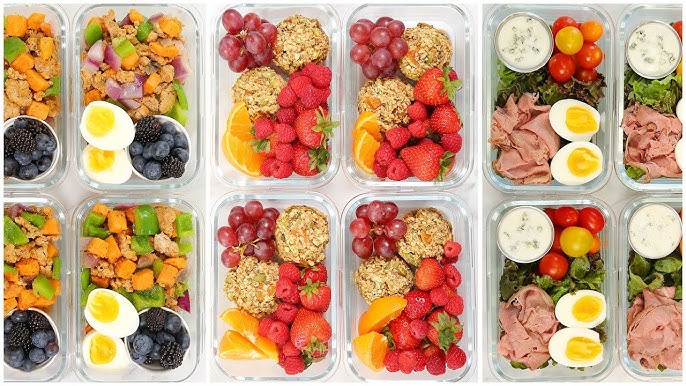
These no-cook wonders are a meal prepper’s dream. Simply combine rolled oats or chia seeds with your milk of choice (dairy or plant-based) in a jar, add flavorings like maple syrup or vanilla, and let it sit overnight. In the morning, top with fresh berries, nuts, or a dollop of yogurt. They are packed with fiber and healthy fats to keep you full.
Egg-Based Meal Prep Options
Eggs are a fantastic source of protein.
- Hard-Boiled Eggs: The ultimate grab-and-go snack. Store them unpeeled for up to a week.
- Egg Muffins: Whisk eggs with your favorite veggies, cheese, or sausage, pour into a muffin tin, and bake. They reheat in seconds.
- Scrambled Egg Bowls: Scramble a big batch and portion it with roasted potatoes and bell peppers.
Protein-Packed Breakfast Muffins and Breads
Bake a batch of muffins or a loaf of banana bread made with whole grains, Greek yogurt, or protein powder. These can be easily frozen and thawed overnight or quickly warmed in the microwave for a comforting and energizing start to your day.
Easy Lunch Meal Prep Ideas
Say goodbye to sad desk lunches. These portable and delicious ideas stay fresh and will make you look forward to your midday meal. Our collection of healthy lunch meal prep recipes offers even more inspiration.
Grain Bowls and Buddha Bowls
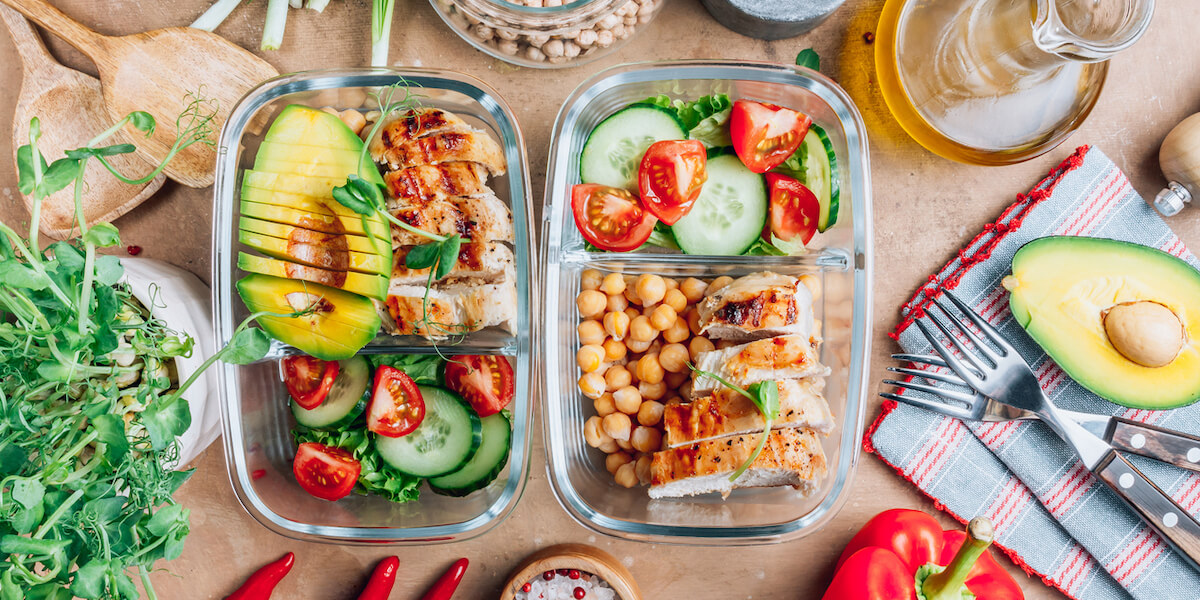
A grain bowl is a perfect formula for a balanced lunch. Start with a base of quinoa, brown rice, or farro. Add a protein like grilled chicken, chickpeas, or tofu. Pile on roasted or raw vegetables and pack a flavorful dressing on the side to add just before eating.
Salads That Don’t Get Soggy
The secret to a crisp meal prep salad is layering.
- Dressing: Pour it at the very bottom of your jar or container.
- Hard Veggies: Add sturdy ingredients like carrots, cucumbers, and bell peppers next.
- Grains & Protein: Layer your quinoa, chicken, or beans on top.
- Delicate Greens: Finish with lettuce or spinach at the very top, away from the dressing.
Wraps and Sandwiches for On-the-Go
For handheld lunches, prep the components separately. Cook your chicken or mix your chickpea salad ahead of time. In the morning, simply assemble your wrap or sandwich to prevent the bread from getting soggy. Using a large lettuce leaf as a barrier can also work wonders.
Satisfying Dinner Meal Prep Ideas
After a long day, having a healthy, home-cooked dinner ready to reheat feels like a luxury. These ideas are family-friendly and maintain their quality beautifully.
Sheet Pan Meals
The ultimate in efficiency. Toss a protein (like salmon, chicken thighs, or sausage) and your favorite vegetables (broccoli, asparagus, potatoes) with olive oil and seasonings on a single baking sheet and roast. Cleanup is minimal, and portioning is a breeze.
Slow Cooker and Instant Pot Recipes
These appliances are meal prep powerhouses. Make large batches of chili, beef stew, chicken tikka masala, or lentil soup with minimal effort. These dishes often taste even better the next day and freeze exceptionally well.
Stir-Fries and Asian-Inspired Dishes
Whip up a quick teriyaki tofu or a beef and broccoli stir-fry. To keep vegetables crisp upon reheating, slightly undercook them during the initial prep. Cooked noodles and rice can be stored alongside the main dish.
Casseroles and Baked Dishes
Comforting, hearty, and easy to portion. A chicken poblano casserole, a classic tuna pasta bake, or a vegan shepherd’s pie can be made on Sunday and enjoyed throughout the week.
Meal Prep Tips and Time-Saving Strategies
Work smarter, not harder, with these expert tips.
Batch Cooking Techniques
You don’t have to prep full meals. Try “component prepping” by batch cooking versatile staples. Cook a large pot of quinoa, grill a pack of chicken breasts, and roast a big tray of vegetables. Throughout the week, you can mix and match these components to create different meals, which helps prevent flavor fatigue.
Choosing Versatile Ingredients
Think about ingredients that can pull double or triple duty. A rotisserie chicken can be used for chicken salad, tacos, and a grain bowl. Roasted sweet potatoes can be a side dish one night and the base of a breakfast hash the next.
Storing Sauces and Dressings Separately
This is the golden rule of meal prep. To prevent soggy meals, always store sauces, dressings, and other wet components in small, separate containers. Add them just before you’re ready to eat to keep everything fresh and crisp.
Common Meal Prep Mistakes to Avoid
Avoid these common pitfalls to ensure your meal prep journey is a success:
- Making Too Much: Don’t prep more than you can realistically eat in 4-5 days.
- Forgetting Variety: Eating the same meal every day can lead to burnout. Rotate your recipes weekly.
- Ignoring Food Safety: Don’t leave food out for too long to cool. Refrigerate promptly.
- Choosing the Wrong Recipes: Avoid prepping dishes that don’t reheat well, like fried foods or creamy sauces that might separate.
With a little planning, meal prep can transform your week, leaving you with more time, less stress, and a clear path to your health goals. Ready to start planning? Explore the delicious possibilities at www.notonetype.org.

Có thể bạn quan tâm
Healthy Eating on the Go: Simple Strategies for Busy Lifestyles
Maintaining nutritious eating habits while managing a hectic schedule can feel overwhelming, but healthy eating...
Dec
Healthy Snack Ideas for On the Go: Easy Portable Options for Busy Lifestyles
Finding nutritious snacks that travel well can transform your daily routine and help you maintain...
Dec
How to Build Sustainable Eating Habits: A Guide to Healthier Living and a Greener Planet
Sustainable eating habits involve choosing foods that support both personal health and environmental wellbeing. It’s about...
Dec
Healthy Grocery List: Complete Guide + Printable Template
Creating a healthy grocery list is one of the most effective first steps you can...
Dec
Healthy Grocery List for 2: Complete Guide to Smart Shopping and Meal Planning
Shopping for two people requires a strategic approach to avoid waste while maintaining a healthy...
Dec
How to Stock a Pantry: Your Complete Guide to Essential Kitchen Staples
A well-stocked pantry is the heart of a happy, efficient kitchen. It’s your secret weapon...
Dec