
Shopping for two people requires a strategic approach to avoid waste while maintaining a healthy diet on a budget. It’s a unique balance—you’re no longer just shopping for one, but you don’t need the bulk quantities that larger families do. This comprehensive guide provides a categorized grocery list tailored for couples or small households, complete with affordable protein options, essential produce, pantry staples, and practical shopping strategies. We’ll help you save money without compromising on the joy and nutrition of good food, laying the foundation for good eating habits.
Why Grocery Shopping for Two Requires Special Planning
Ever come home from the grocery store with a cart full of food, only to find half of it spoiled by the end of the week? You’re not alone. Shopping for two presents unique challenges that larger households often don’t face.
The main hurdles are portion control and food waste. Most supermarkets package items in family-sizes, leading couples to either overbuy or feel limited in their choices. This can quickly derail both your budget and your health goals. Without a clear plan, it’s easy to overspend on food that ultimately gets thrown away.
This is where strategic meal planning becomes your superpower. A well-organized grocery list transforms your shopping trips from a guessing game into an efficient, money-saving mission. It ensures you buy exactly what you need, encouraging you to eat nutritious, home-cooked meals all week long.
Complete Healthy Grocery List Categories
Here’s a breakdown of essential items to build your healthy grocery list for 2, organized by category to make your shopping trip a breeze.
Protein Sources for Two People
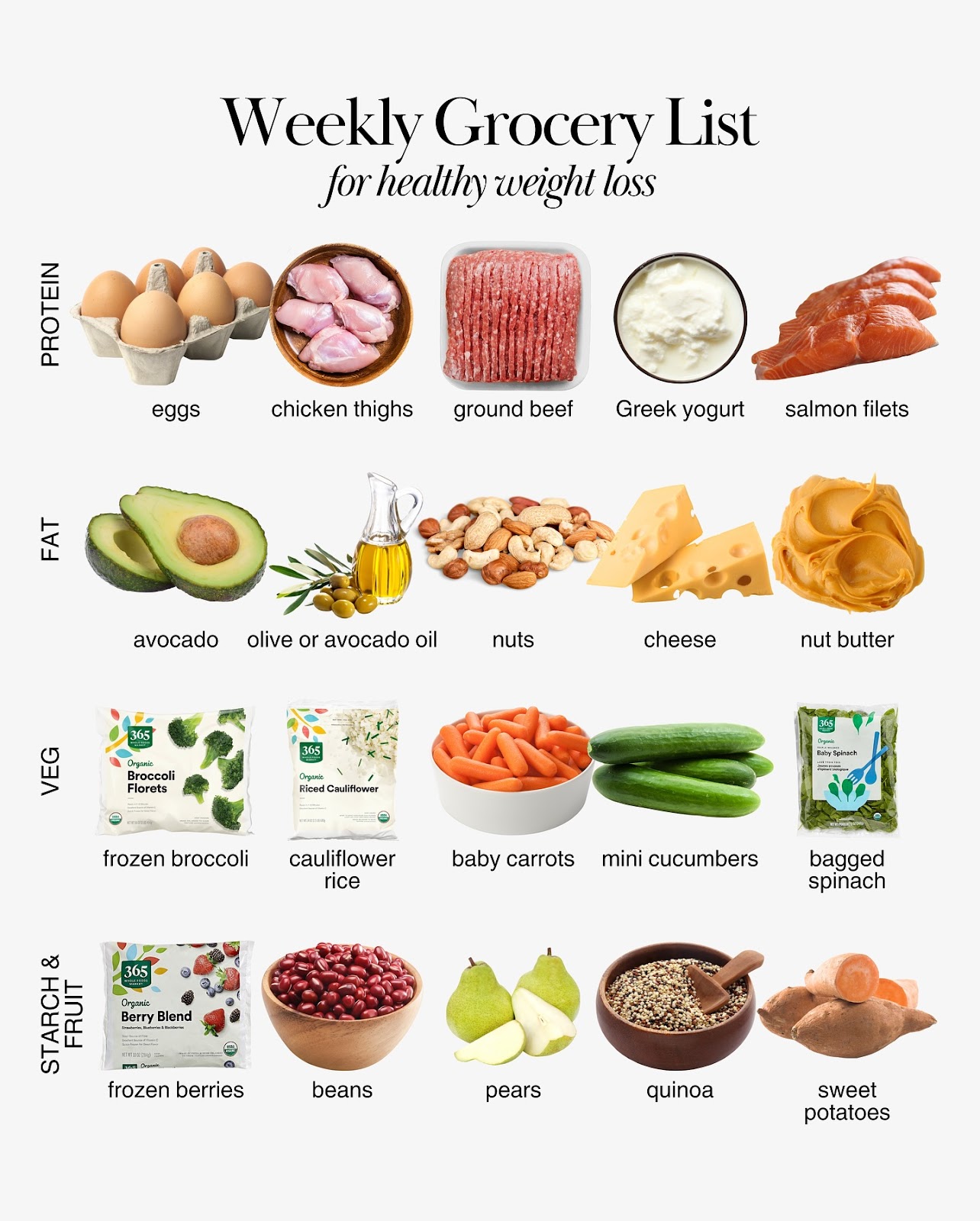
Protein is the building block of your meals. Aim for variety to get a wide range of nutrients.
- Animal-Based:
- Eggs: A budget-friendly powerhouse. Buy a dozen.
- Chicken: Opt for 2-4 chicken breasts or a small pack of bone-in thighs for better value.
- Fish: Two salmon fillets (fresh or frozen) or a couple of cans of tuna/sardines.
- Ground Meat: One pound of ground turkey or lean beef is versatile for tacos, pasta sauce, or burgers.
- Pork: Two pork chops or a small tenderloin.
- Plant-Based & Dairy:
- Beans & Lentils: Canned (1-2 cans) or dried are incredibly cheap and versatile.
- Tofu or Tempeh: One block is usually enough for 2-3 meals.
- Greek Yogurt or Cottage Cheese: Choose a medium-sized container for breakfasts and snacks.
Storage Tip: Divide larger packs of meat into portion sizes for two before freezing. This prevents waste and makes weeknight dinners much faster.
Carbohydrates and Whole Grains
Complex carbs provide sustained energy. These pantry staples are easy to store and cook in small batches.
- Grains: Brown rice, quinoa, barley. Buy from bulk bins if possible to get the exact amount you need.
- Oats: A container of rolled or steel-cut oats for breakfast.
- Potatoes: 2-3 sweet potatoes or russet potatoes.
- Whole Grain Bread: One loaf. Freeze half if you don’t eat it quickly.
- Whole Wheat Pasta: One box is perfect for several meals for two.
Fresh Produce and Vegetables
Focus on versatile veggies that can be used in multiple dishes.
- Leafy Greens: A bag of spinach or a head of lettuce.
- Cruciferous Veggies: One head of broccoli or cauliflower.
- Aromatics: Onions and garlic are non-negotiable for flavor.
- Versatile Staples: Bell peppers, carrots, celery, zucchini, and tomatoes. Buy 2-3 of each.
- Seasonal Options: Always check for what’s in season for the best price and flavor.
Waste-Reduction Tip: Chop and freeze any vegetables you won’t use in time. They’re perfect for future soups, stews, or stir-fries.
Fruits for Daily Nutrition
Mix fresh and frozen fruits to balance cost and convenience.
- Staples: Apples and bananas are cheap and portable.
- Berries: Buy a small container fresh, or a larger bag frozen for smoothies and oatmeal.
- Citrus: A few oranges, lemons, and limes. Lemons and limes are great for adding flavor to water and dishes.
- Avocados: Buy 2-3 and ripen them on the counter as needed.
- Seasonal Fruits: Grapes, melon, peaches—whatever is in season!
Healthy Fats and Oils
Healthy fats are essential for brain health and satiety. A little goes a long way.
- Oils: A bottle of extra virgin olive oil for dressings and a neutral oil (like avocado) for cooking.
- Nuts & Seeds: A small bag of almonds, walnuts, chia seeds, or flax seeds.
- Nut Butter: One jar of peanut or almond butter.
- Avocados: A true superfood, great on toast or in salads.
Dairy and Dairy Alternatives
Buy smaller containers to avoid spoilage.
- Milk: A half-gallon of dairy milk or a carton of almond/soy/oat milk.
- Cheese: A block of cheddar or a bag of shredded mozzarella.
- Yogurt: A medium tub of plain Greek yogurt is incredibly versatile.
- Butter: One stick is usually sufficient.
Pantry Staples and Dry Goods
A well-stocked pantry is the secret to easy weeknight meals. These items have a long shelf life, making them perfect for a household of two. For more ideas, explore our guide on how to stock a pantry.
- Canned Goods: Tomatoes (diced, crushed), beans (black, chickpeas), tuna, or salmon.
- Broth/Stock: A carton of chicken, vegetable, or beef broth.
- Vinegars & Sauces: Balsamic vinegar, apple cider vinegar, soy sauce, hot sauce.
- Spices & Herbs: Don’t forget salt, pepper, garlic powder, onion powder, cumin, and dried herbs like oregano and basil.
Budget-Friendly Shopping Strategies for Couples
Eating healthy doesn’t have to be expensive. With a few smart strategies, you can nourish yourselves without breaking the bank.
Shopping Seasonally to Save Money
Buying produce that’s in season is one of the easiest ways to save money. It’s more abundant, which means it’s cheaper and tastes better.
- Fall: Squash, Brussels sprouts, apples, sweet potatoes.
- Winter: Citrus fruits, kale, root vegetables.
- Spring: Asparagus, peas, strawberries, leafy greens.
- Summer: Tomatoes, zucchini, corn, berries, melon.
Using Coupons and Loyalty Programs
Don’t underestimate the power of digital coupons and store loyalty programs. Apps like Ibotta or your local grocery store’s app can offer cash back or direct discounts on items you already buy. Plan your list around weekly sales for maximum savings.
Choosing Cost-Effective Proteins
Protein is often the most expensive part of the grocery bill, but it doesn’t have to be.
- Embrace Plant-Based: Beans, lentils, and tofu are incredibly cheap and healthy. Try a “Meatless Monday” to cut costs.
- Buy Bone-In Meats: Bone-in chicken thighs are often much cheaper per pound than boneless, skinless breasts.
- Choose Frozen Fish: Frozen salmon or tilapia is usually less expensive than fresh and just as nutritious.
Weekly Meal Planning Guide for Two
A little planning goes a long way in reducing stress and food waste.
Creating a Balanced Weekly Menu
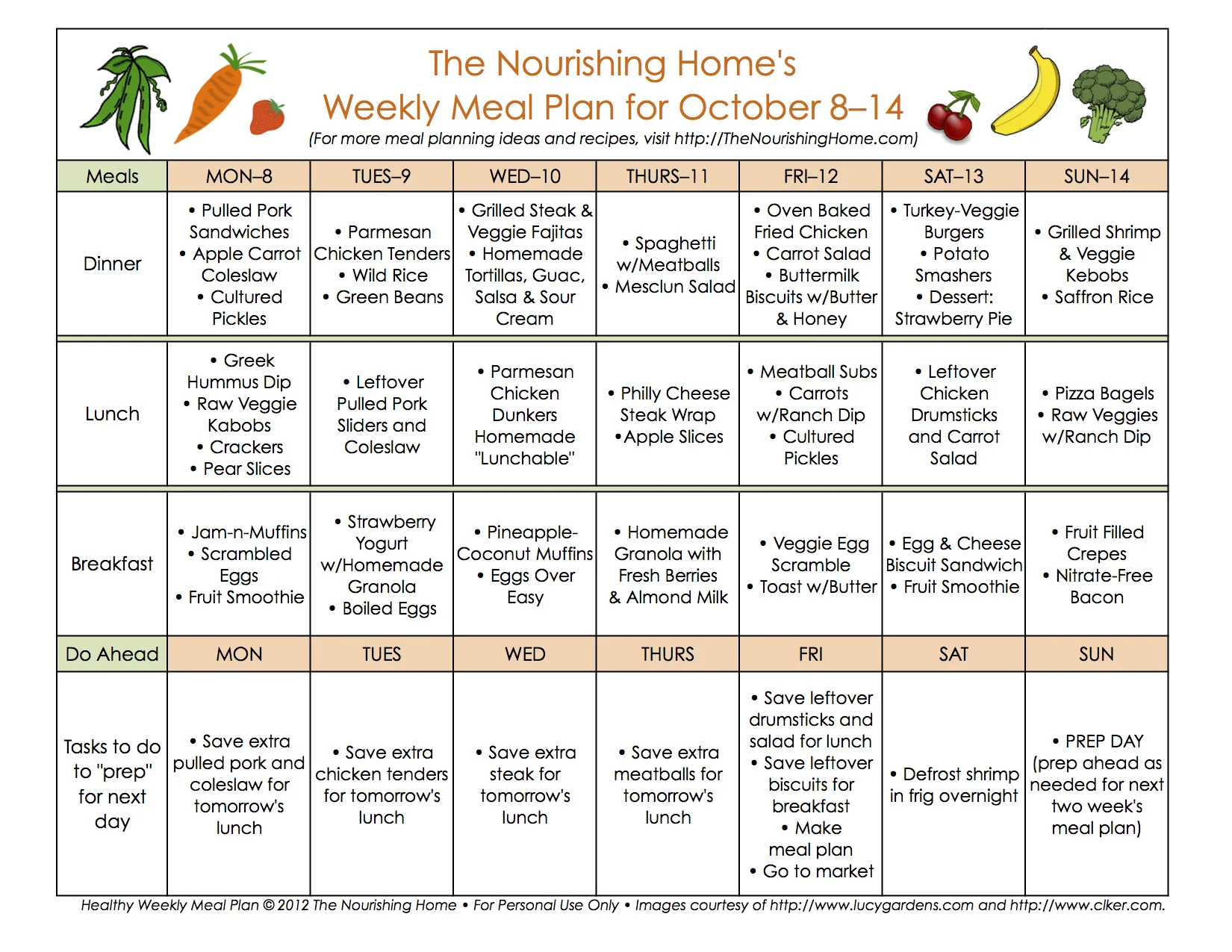
You don’t need to plan every meal down to the last detail. Instead, create a flexible framework.
- Pick Your Proteins: Choose 3-4 proteins for the week.
- Plan Around Shared Ingredients: Plan meals that use similar produce. If you buy cilantro for tacos, use the rest in a grain bowl or soup.
- Incorporate Leftovers: Plan a “leftover night” or pack leftovers for lunch. This is key for both budget and waste reduction.
- Keep It Simple: Stick to simple, familiar recipes on busy weeknights and save more complex meals for the weekend.
Batch Cooking and Meal Prep Tips
Meal prep can be a game-changer. Dedicate an hour or two on Sunday to prepare for the week ahead.
- Cook Grains: Make a big batch of quinoa or brown rice.
- Prep Veggies: Wash and chop vegetables so they’re ready to be thrown into salads or stir-fries.
- Marinate Proteins: Portion out chicken or tofu into marinades.
Managing Leftovers Effectively
Think of leftovers as ingredients for a new meal.
- Roast Chicken: Can become chicken salad, a topping for a grain bowl, or filling for wraps.
- Roasted Vegetables: Can be added to a frittata, blended into a soup, or mixed with pasta.
- Chili or Stew: Serve it over a baked potato or with rice for a new spin.
Smart Shopping Tips to Reduce Food Waste
Reducing food waste is good for your wallet and the planet. This is a core part of developing sustainable eating habits.
Buying Appropriate Portions for Two
The bulk aisle is your best friend. You can buy the exact amount of grains, nuts, and spices you need. For packaged goods, consciously choose smaller options when available, even if the per-unit price seems slightly higher. The money saved from not throwing food away often makes up for it.
Proper Food Storage Techniques
How you store your food matters.
- Refrigerator: Keep ethylene-producing fruits (like apples and bananas) away from sensitive vegetables (like lettuce). Use the crisper drawers correctly.
- Freezer: Wrap meats tightly in plastic wrap and foil to prevent freezer burn.
- Pantry: Store items like flour and grains in airtight containers.
- Know Your Dates: “Best by” is a suggestion for peak quality, while “use by” is a safety date.
Making DIY Convenience Foods
Pre-packaged and pre-chopped foods come with a high markup. Save money by doing it yourself.
- Shred your own cheese from a block.
- Wash and chop your own lettuce.
- Make your own salad dressings and granola.
- Portion out nuts and dried fruit for easy healthy snack ideas for on the go.
Sample Grocery Shopping List Template for Two
Here’s a flexible template you can adapt. Aim to pick a few items from each category for a week’s worth of meals.
Produce
- [ ] 1 Onion
- [ ] 1 head of Garlic
- [ ] 2-3 Potatoes/Sweet Potatoes
- [ ] 1 bag Spinach/Lettuce
- [ ] 1 head Broccoli/Cauliflower
- [ ] 2 Bell Peppers
- [ ] 2 Zucchini/Cucumbers
- [ ] 1 bunch Carrots
- [ ] 1 container Tomatoes
- [ ] 3-4 Apples/Oranges
- [ ] 1 bunch Bananas
- [ ] 1 container Berries (fresh or frozen)
- [ ] 2 Avocados
- [ ] 1 Lemon/Lime
Proteins
- [ ] 1 dozen Eggs
- [ ] 1 lb Chicken (breasts or thighs)
- [ ] 1 lb Ground Turkey/Beef
- [ ] 2 servings Fish (salmon, tuna)
- [ ] 1 block Tofu/Tempeh
- [ ] 1-2 cans Beans/Lentils
Dairy & Alternatives
- [ ] 1/2 gallon Milk or 1 carton plant-based milk
- [ ] 1 container Greek Yogurt/Cottage Cheese
- [ ] 1 block/bag Cheese
Pantry & Grains
- [ ] 1 loaf Whole Grain Bread
- [ ] 1 box Whole Wheat Pasta
- [ ] Rice/Quinoa (from bulk bin)
- [ ] 1 container Oats
- [ ] 1 jar Nut Butter
- [ ] Nuts/Seeds (almonds, walnuts, chia)
- [ ] Olive Oil
- [ ] 1 can Diced Tomatoes
- [ ] 1 carton Broth
Healthy Eating on Different Budget Levels
Your grocery list can be adapted to fit any budget. The USDA provides food plans at different cost levels, which can be a helpful guide.
Thrifty Budget Plan (USDA Guidelines)
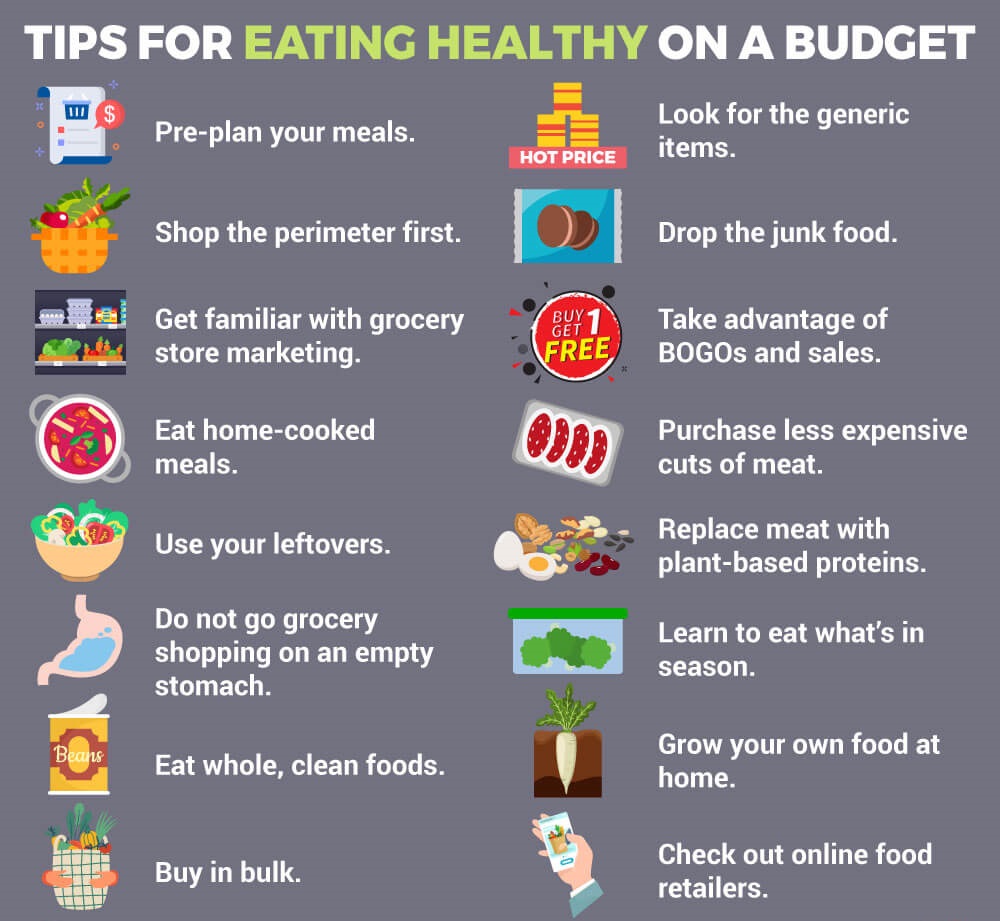
On a thrifty budget, focus on cost-effective staples.
- Proteins: Prioritize eggs, canned tuna, beans, lentils, and bone-in chicken thighs.
- Produce: Stick to budget-friendly basics like bananas, apples, potatoes, carrots, and onions. Buy frozen vegetables.
- Grains: Oats, brown rice, and whole wheat pasta are your best friends.
Moderate Budget Options
A moderate budget allows for more variety and convenience.
- Proteins: You can incorporate more fresh fish like salmon, lean ground beef, and boneless chicken breasts.
- Produce: Splurge on organic versions of the “Dirty Dozen,” fresh berries, and pre-chopped vegetables.
- Specialty Items: This budget allows for things like quinoa, almond butter, and higher-quality cheeses.
Flexible Spending for Premium Items
If you have more room in your budget, you can strategically splurge on items that enhance nutrition and enjoyment.
- Proteins: Opt for wild-caught salmon, grass-fed beef, or organic chicken.
- Produce: Enjoy organic produce freely, including more expensive items like asparagus or artisanal mushrooms.
- Premium Staples: This could include artisanal whole grain bread, high-quality olive oil, or gourmet coffee.
Final Thoughts
Creating a healthy grocery list for two is a skill that blends planning, strategy, and a little creativity. By focusing on meal planning, smart shopping, and effective food storage, you can enjoy delicious, nutritious meals together without the stress of overspending or wasting food. It’s an investment in your health, your finances, and your life together.
Ready to take these habits on the road? Check out our tips for healthy eating on the go to stay nourished no matter where life takes you. For more inspiration, visit us at www.notonetype.org.

Có thể bạn quan tâm
Healthy Eating on the Go: Simple Strategies for Busy Lifestyles
Maintaining nutritious eating habits while managing a hectic schedule can feel overwhelming, but healthy eating...
Dec
Healthy Snack Ideas for On the Go: Easy Portable Options for Busy Lifestyles
Finding nutritious snacks that travel well can transform your daily routine and help you maintain...
Dec
How to Build Sustainable Eating Habits: A Guide to Healthier Living and a Greener Planet
Sustainable eating habits involve choosing foods that support both personal health and environmental wellbeing. It’s about...
Dec
Healthy Grocery List: Complete Guide + Printable Template
Creating a healthy grocery list is one of the most effective first steps you can...
Dec
How to Stock a Pantry: Your Complete Guide to Essential Kitchen Staples
A well-stocked pantry is the heart of a happy, efficient kitchen. It’s your secret weapon...
Dec
15 Practical Ways to Eat More Vegetables Daily
Most adults in the US fall short of recommended vegetable intake, with nearly 9 out...
Dec