
Sustainable eating habits involve choosing foods that support both personal health and environmental wellbeing. It’s about minimizing waste, reducing carbon emissions, and promoting ethical food production. Did you know that our global food systems account for a massive chunk—up to a third—of all greenhouse gas emissions? This means the choices on your plate have a direct impact on climate change, water resources, and biodiversity.
But here’s the good news: adopting sustainable practices doesn’t require a drastic, overnight lifestyle change. Simple shifts like incorporating more plants into your diet, cutting down on food waste, and choosing local produce can create meaningful benefits for your health and the planet. If you’re curious about how these small changes add up, we have a great resource on the basics of a healthy lifestyle that complements this guide perfectly.
What Are Sustainable Eating Habits?
At its core, sustainable eating is a mindful approach to food that considers the entire lifecycle of what you consume. It’s built on a few key principles: low environmental impact, positive health benefits, ethical sourcing, and minimal waste. This isn’t just another fad diet; it’s a holistic philosophy that connects your kitchen to the global ecosystem.
Unlike diets that focus solely on weight loss or specific nutrient ratios, sustainable eating asks bigger questions. Where did this food come from? How much water and land did it take to produce? Who grew it? Answering these helps you understand the connection between food production and major environmental challenges like greenhouse gas emissions, water scarcity, and land degradation. It’s about making choices that are good for you and good for the Earth, for years to come.
The Environmental Impact of Food Choices
Every food has a story, and part of that story is its environmental footprint. The production of animal-based foods, especially red meat like beef and lamb, has a significantly higher environmental cost compared to plant-based foods. This is due to factors like methane emissions from livestock, deforestation for grazing land, and massive water consumption.
The data is compelling. A landmark 2018 study from the University of Oxford found that adopting a vegan diet could be the “single biggest way” to reduce your environmental impact. Researchers discovered it could reduce an individual’s carbon footprint from food by up to 73%, lower wildlife destruction by 66%, and decrease water use by 54%. You don’t have to go fully vegan to make a difference, but understanding this impact empowers you to make more informed choices.
Health Benefits of Sustainable Eating
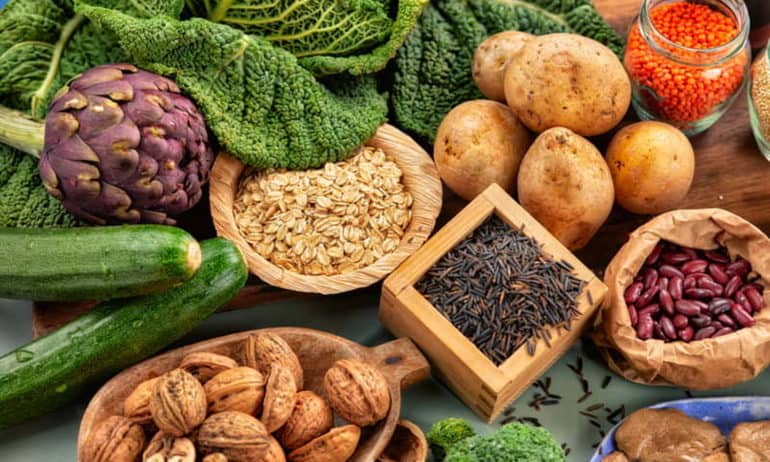
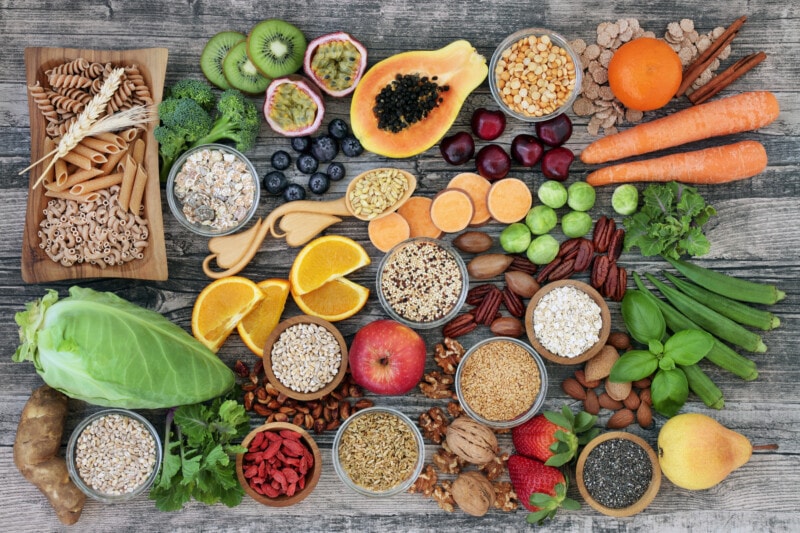
What’s incredible is that the eating patterns best for the planet are often the best for our bodies, too. A diet rich in plants—fruits, vegetables, whole grains, and legumes—is a cornerstone of sustainable eating and is also linked to a lower risk of chronic diseases like heart disease, type 2 diabetes, and certain cancers.
Think of well-regarded eating patterns like the Mediterranean diet or the Planetary Health Diet. Both emphasize plant-forward meals and are celebrated for their health benefits and environmental sustainability. This approach isn’t about restriction; it’s about mindfully choosing a diverse range of whole foods that nourish you from the inside out.
Prioritize Plant-Based Foods
Making plant-based foods the star of your plate is a foundational step in sustainable eating. This means building your meals around vegetables, fruits, legumes (like lentils and chickpeas), nuts, seeds, and whole grains.
And let’s be clear: this doesn’t mean you have to become a vegetarian or vegan overnight. Even small shifts, like participating in “Meatless Monday” or simply reducing your meat consumption one or two days a week, make a significant difference. Plant-based proteins are versatile, delicious, and can easily replace meat in your favorite dishes. If you’re looking for inspiration, you might enjoy our guide on nutritious and easy meal prep ideas.
Simple Plant-Based Swaps for Everyday Meals
Getting started is easier than you think. You don’t need to learn a whole new way of cooking. Instead, try these simple swaps:
- For bolognese or chili: Use lentils or finely chopped mushrooms instead of ground beef.
- For tacos or burritos: Seasoned black beans or crumbled tofu make a fantastic filling.
- For stir-fries: Add extra veggies and a protein like edamame or cashews.
- A simple rule of thumb: Aim to fill at least half your plate with vegetables and fruits at every meal.
Reduce Meat and Dairy Consumption
While prioritizing plants is key, it’s also important to understand the specific impact of meat and dairy. The production of red meat and dairy contributes disproportionately to greenhouse gas emissions, land use, and water consumption. For example, producing one kilogram of beef emits more than 60 kilograms of greenhouse gases, far more than plant-based proteins.
Reducing your intake can be a gradual process. Try treating meat as a side dish rather than the main event. Opt for smaller portions or choose meats with a lower environmental impact, like poultry, over beef or lamb.
Choosing Sustainable Animal Products When You Do Eat Them
For those who choose to continue eating animal products, you can still make more sustainable choices. When you shop, look for labels that indicate more responsible farming practices.
- Grass-fed beef: These cattle are raised on pasture, which can be better for the environment and animal welfare.
- Pasture-raised poultry: Chickens that have access to the outdoors.
- Sustainably caught fish: Look for certifications like the Marine Stewardship Council (MSC) blue label.
- Organic and hormone-free dairy: These labels often indicate better animal welfare and land management practices.
Minimize Food Waste
Reducing food waste is one of the single most effective sustainable habits you can adopt. When we throw away food, we’re also wasting all the resources—water, energy, and land—that went into producing it. Plus, food rotting in landfills releases methane, a potent greenhouse gas.
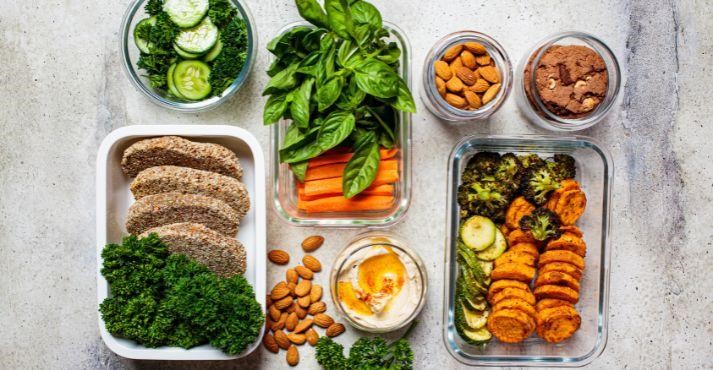
Here’s a powerful motivator: research shows that consumers who plan their meals waste significantly less food. It’s a win-win—you save money, eat healthier, and help the planet. Simple strategies like planning meals, buying only what you need, storing food properly, and using leftovers creatively can make a huge impact.
Meal Planning Strategies to Prevent Waste
A little planning goes a long way. Follow these steps to become a food-waste-fighting pro:
- Shop your kitchen first: Before heading to the store, check your fridge, freezer, and pantry to see what you already have.
- Create a weekly meal plan: Decide what you’ll eat for the week and make a detailed shopping list based on those meals.
- Stick to your list: Avoid impulse buys that you might not end up using.
- Learn proper storage: Store fruits and vegetables correctly to prolong their freshness. For example, keep onions and potatoes in a cool, dark place, not the fridge.
- Embrace the freezer: Batch cook meals or freeze leftovers and produce before they go bad.
Buy Local and Seasonal Produce
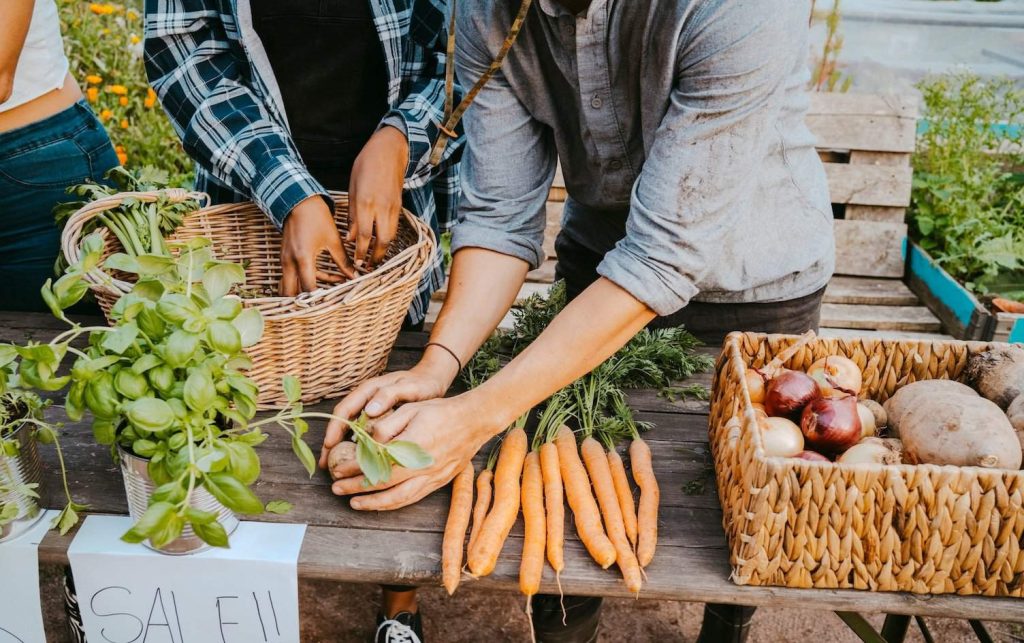
Eating locally grown and seasonal foods offers a wealth of benefits. It reduces food miles—the distance your food travels from farm to plate—which cuts down on transportation emissions. It also supports local farmers and strengthens your community’s economy.
Plus, seasonal produce that is picked at its peak is often fresher, more nutritious, and tastes better. Look into concepts like a “100-mile diet” or joining a Community Supported Agriculture (CSA) program, where you receive a regular box of produce directly from a local farm. While it’s not always possible for everyone, every local purchase helps.
How to Find Local Food Sources
Finding local food is getting easier every year. Here’s how you can connect with local producers:
- Search online: Look for “farmers’ markets near me” or “CSA programs in [your city].”
- Visit local co-ops: Food cooperatives often prioritize sourcing from local and regional farms.
- Talk to farmers: When you’re at the market, ask them about their growing practices and what’s currently in season. It’s a great way to learn more about your food.
Choose Whole Foods Over Processed Options
Whole foods—those that are in or close to their natural state—are generally more sustainable than their highly processed counterparts. Think apples instead of apple-flavored fruit snacks. Ultra-processed foods often require more energy to produce, come with excessive packaging, and have long supply chains.
By focusing on whole grains, fresh produce, and simple proteins, you naturally reduce your consumption of packaging and additives. A simple guideline is to shop the perimeter of the grocery store, where fresh foods are typically located. For more tips on clean eating, check out our guide on how to increase vegetable intake.
Reduce Packaging and Single-Use Plastics
Our food system is a major source of plastic pollution. You can combat this by making conscious choices to reduce packaging waste.
- Bring reusable bags for groceries and produce.
- Buy from bulk bins when possible, using your own containers for grains, nuts, and spices.
- Choose products in glass or cardboard over plastic.
- Carry a reusable water bottle and coffee cup.
- Store leftovers in reusable containers instead of plastic wrap or single-use bags.
Practice Mindful and Intentional Eating
Sustainability is also about your mindset. Mindful eating means paying full attention to your food—where it comes from, how it tastes, and how it makes your body feel. This practice helps you recognize your body’s hunger and fullness cues, which can reduce overconsumption and food waste.
By developing a deeper appreciation for your food, you become more intentional about your choices. You start to value the effort that went into growing and preparing it, making you less likely to waste it.
Compost and Repurpose Food Scraps
Even with the best planning, some food scraps are unavoidable. Composting is a fantastic way to keep this organic matter out of landfills. When you compost, you turn scraps like vegetable peels, coffee grounds, and eggshells into nutrient-rich soil for your garden.
Don’t have a backyard? Many cities offer municipal composting programs, or you can try a small indoor worm composter (vermicomposting). Before you compost, get creative! Use vegetable scraps to make a flavorful homemade stock, or regrow green onions from their roots on your windowsill.
Start Small and Build Gradually
Remember, building sustainable eating habits is a journey, not a destination. It’s easy to feel overwhelmed, so don’t try to change everything at once. Pick one or two small, manageable goals to start with.
- Maybe you commit to one meatless day per week.
- Perhaps you start by always bringing reusable bags to the grocery store.
- Or maybe you focus on planning your meals for just one week to reduce waste.
Every small change adds up. Celebrate your progress and be patient with yourself. Over time, these small actions will become habits that create a lasting, positive impact.
Conclusion
Adopting sustainable eating habits is a powerful way to vote with your fork for a healthier you and a healthier planet. By prioritizing plants, minimizing waste, and making more conscious choices, you contribute to a more resilient and ethical food system. It’s a journey of continuous learning and small, meaningful actions. We hope these tips empower you to get started. For more inspiration on living a balanced and intentional life, feel free to explore more resources on our website www.notonetype.org.

Có thể bạn quan tâm
Healthy Eating on the Go: Simple Strategies for Busy Lifestyles
Maintaining nutritious eating habits while managing a hectic schedule can feel overwhelming, but healthy eating...
Dec
Healthy Snack Ideas for On the Go: Easy Portable Options for Busy Lifestyles
Finding nutritious snacks that travel well can transform your daily routine and help you maintain...
Dec
Healthy Grocery List: Complete Guide + Printable Template
Creating a healthy grocery list is one of the most effective first steps you can...
Dec
Healthy Grocery List for 2: Complete Guide to Smart Shopping and Meal Planning
Shopping for two people requires a strategic approach to avoid waste while maintaining a healthy...
Dec
How to Stock a Pantry: Your Complete Guide to Essential Kitchen Staples
A well-stocked pantry is the heart of a happy, efficient kitchen. It’s your secret weapon...
Dec
15 Practical Ways to Eat More Vegetables Daily
Most adults in the US fall short of recommended vegetable intake, with nearly 9 out...
Dec