
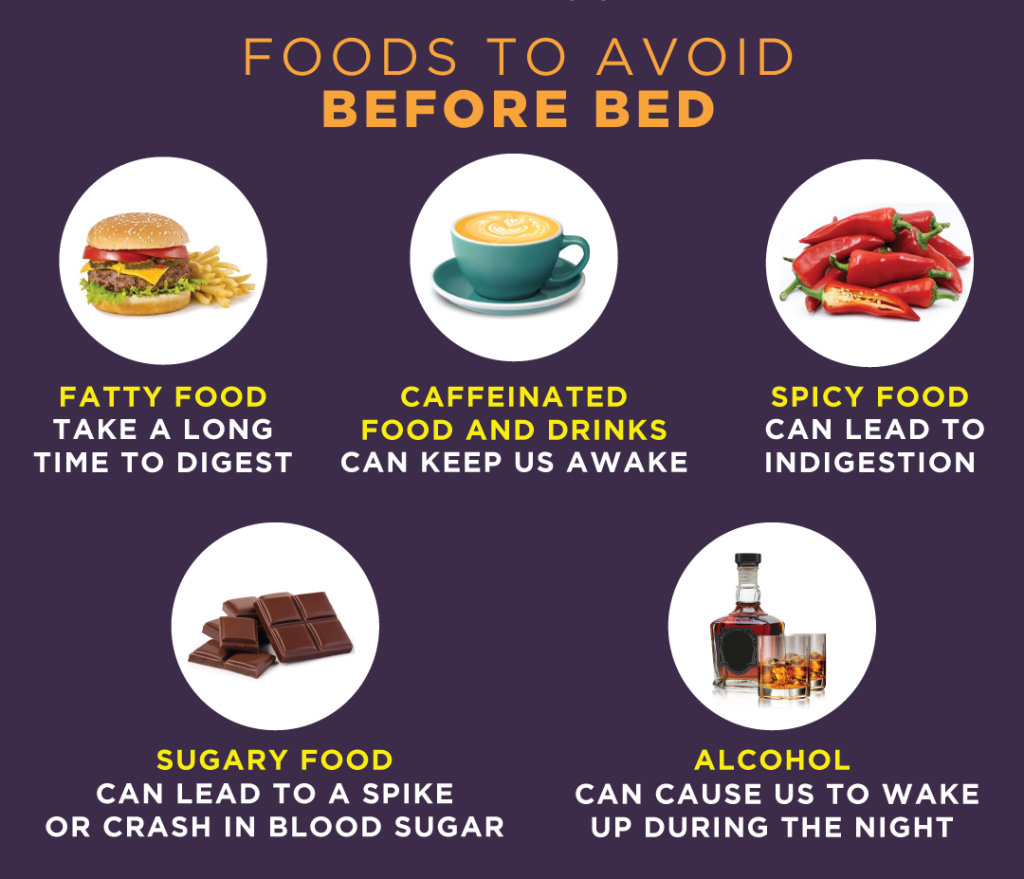
Eating the wrong foods before bed can turn a restful night into hours of tossing and turning. Certain foods trigger acid reflux, spike blood sugar levels, or contain stimulants that interfere with your body’s natural sleep-wake cycle. While some foods help you sleep, others do the exact opposite. Understanding which foods disrupt sleep effects helps you make better evening snack choices for deeper, more restorative rest.
Why What You Eat Before Bed Matters
The connection between your diet and sleep quality is stronger than you might think. When you sleep, your digestive system slows down. Eating a large or heavy meal right before lying down forces it to work overtime when it should be resting. This can lead to discomfort, indigestion, and frequent awakenings.
Ideally, you should finish your last large meal about 2-3 hours before bedtime. This gives your body ample time to digest. Certain food properties—like high acidity, fat content, caffeine, and sugar—are particularly disruptive. They can directly interfere with your ability to fall and stay asleep, robbing you of the restorative deep sleep you need to feel your best.
High-Fat Foods That Prevent Deep Sleep
Greasy, heavy foods are some of the biggest culprits when it comes to poor sleep. Foods like burgers, fried chicken, and full-fat dairy products are difficult for your body to digest. This slow digestion process can trigger the production of stomach acid, leading to heartburn.
Research published in the Journal of Clinical Sleep Medicine found that diets high in saturated fat are associated with less restorative, slow-wave sleep. When you eat fatty foods close to bedtime, you’re more likely to wake up during the night, ultimately decreasing your overall sleep quality.
Pizza: The Late-Night Sleep Saboteur
Pizza is a classic late-night craving, but it’s a recipe for a restless night. It delivers a one-two punch of sleep disruption. First, the acidic tomato sauce can trigger heartburn. Second, the high-fat cheese and toppings slow digestion significantly. When you lie down after eating pizza, it’s easier for stomach acid to creep back up into your esophagus, causing that familiar burning sensation of acid reflux—a condition that affects roughly one-third of Americans weekly.
Ice Cream and Other High-Fat Desserts
That comforting bowl of ice cream before bed might not be so comforting for your sleep cycle. Ice cream is packed with fat and sugar. This combination can cause your blood sugar to spike and then crash while you’re sleeping, which can cause you to wake up. Research has shown that high-sugar and high-fat snacks can disrupt the circadian rhythm and lead to more frequent awakenings, preventing you from reaching the deeper stages of sleep.
Foods Containing Caffeine
This might seem obvious, but caffeine hides in more than just your morning coffee. It’s a central nervous system stimulant that can make it difficult to fall asleep for hours. Many people don’t realize that certain foods are also significant sources of caffeine, and these are often some of the main foods that keep you awake. Common culprits include chocolate, certain teas, sodas, and energy drinks.
Caffeine works by blocking adenosine, a brain chemical that makes you feel sleepy. The effect can last for hours, depending on your personal metabolism.
Dark Chocolate vs. Milk Chocolate
Dark chocolate is often praised for its antioxidants, but it contains more caffeine than milk chocolate. A single ounce of dark chocolate can have as much as 23 milligrams of caffeine—about a quarter of the amount in a cup of coffee. While that might not sound like much, it can be enough to interfere with sleep if you’re sensitive. The added sugar in both milk and dark chocolate can also contribute to a restless night.
Spicy Foods and Hot Peppers
Spicy foods can be problematic for sleep in a couple of ways. The main compound in hot peppers, capsaicin, is known to raise body temperature. Your body temperature naturally needs to drop slightly to initiate sleep, and anything that interferes with this process can make it harder to doze off. Furthermore, spicy dishes are a common trigger for indigestion and heartburn, making it uncomfortable to lie down.
Acidic Foods That Trigger Heartburn
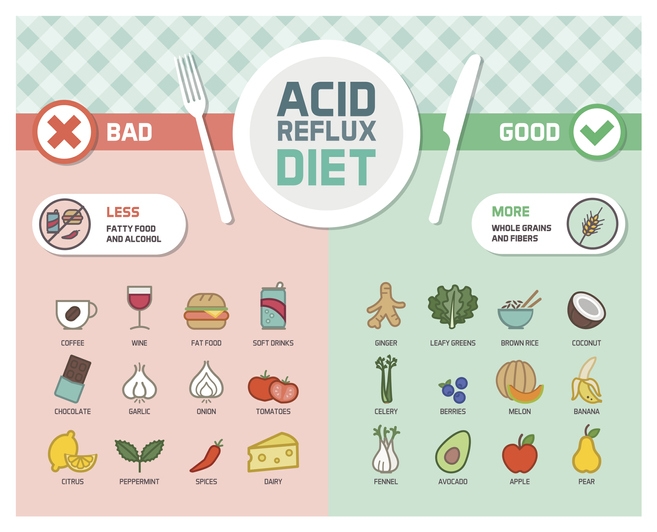
Acid reflux is a major sleep disruptor. When you’re standing or sitting, gravity helps keep stomach acid where it belongs. But when you lie down, it’s much easier for that acid to travel up into your esophagus, causing discomfort and pain. Eating acidic foods shortly before bed significantly increases this risk.
Citrus Fruits and Juices
Oranges, grapefruits, and their juices are incredibly healthy, but their high acidity makes them a poor choice for a late-night snack. Consuming them within a few hours of bedtime can trigger heartburn, especially if you’re already prone to it. It’s best to enjoy these fruits earlier in the day.
Tomatoes and Tomato-Based Products
Like citrus, tomatoes are highly acidic. This means tomato-based products like pasta sauce, salsa, and ketchup can cause the same acid reflux issues that disrupt sleep. If you’re having pasta for dinner, try to eat it at least three hours before you plan to go to sleep.
Sugary Foods and Refined Carbohydrates
Foods high in sugar and refined carbs—like white bread, pastries, and candy—send your blood sugar on a roller coaster. You get a quick spike in glucose, followed by a sharp crash. This crash can cause your body to release stress hormones like cortisol and adrenaline, which can wake you up in the middle of the night.
A study from the American Journal of Clinical Nutrition found that diets high in refined carbohydrates were linked to a higher risk of insomnia. These foods often lack the fiber to slow down sugar absorption, leading to unstable glucose levels throughout the night.
Sugary Cereals
Many breakfast cereals are loaded with sugar and refined carbs, making them one of the worst foods to eat before bed. They provide empty calories that spike your blood sugar and can contribute to weight gain if eaten habitually at night. They also lack sleep-promoting nutrients like tryptophan or magnesium.
Chips and Salty Snacks
Potato chips and other salty snacks pose a triple threat to sleep. First, they’re often made from refined carbohydrates. Second, they’re high in fat, which slows digestion. Third, their high sodium content can lead to dehydration and water retention overnight.
A study from the European Society of Endocrinology suggested that eating salty foods before bed contributes to more superficial, disrupted sleep. It can also make you thirsty, leading to drinking more water and then waking up for bathroom trips.
Alcohol and Its Sleep-Disrupting Effects
Many people believe a glass of wine or a beer before bed helps them sleep. While alcohol is a sedative and can make you feel drowsy initially, it severely disrupts your sleep architecture later in the night. It suppresses REM sleep, which is crucial for memory and mood regulation.
As your body metabolizes the alcohol, you’re more likely to wake up during the second half of the night. Alcohol is also a diuretic, meaning it can cause you to wake up to use the bathroom.
High-Fiber Foods Consumed Too Late
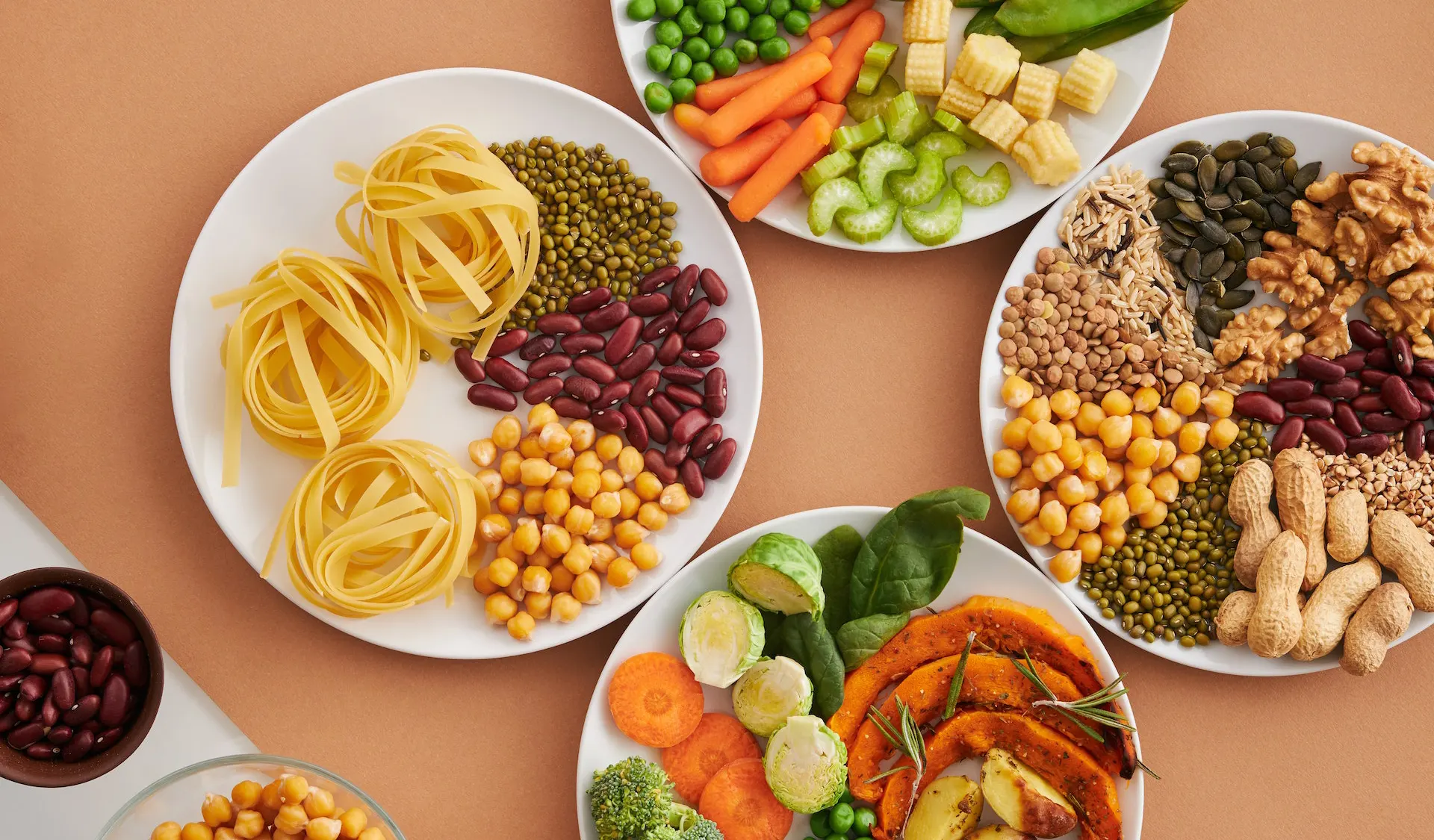
This might be surprising because fiber is incredibly healthy. However, eating a large portion of high-fiber foods like beans, lentils, or broccoli right before bed can cause gas and bloating. The digestive discomfort can be enough to keep you awake. It’s better to consume these nutrient-dense foods earlier in the day to reap their benefits without disrupting your sleep.
Other Surprising Sleep Disruptors
- Onions: Can cause gas and increase acid production, especially when eaten raw.
- Celery: It’s a natural diuretic, which can lead to more nighttime bathroom breaks.
- Pasta: A heavy portion of refined carbs can spike blood sugar.
- Carbonated Beverages: Can cause gas, bloating, and often contain caffeine.
How Do These Foods Actually Affect Sleep Quality?
So, what’s happening inside your body? These foods disrupt sleep through several key mechanisms:
- Activating Your Digestive System: High-fat and heavy meals force your digestive system to work hard when it should be resting.
- Triggering Acid Reflux: Acidic and spicy foods cause discomfort that makes it hard to lie down and sleep peacefully.
- Fluctuating Blood Sugar: Sugary foods and refined carbs cause spikes and crashes in glucose, leading to restlessness and awakenings.
- Stimulating the Brain: Caffeine blocks sleep-inducing chemicals, keeping you alert.
- Increasing Urination: Diuretics like alcohol and celery lead to disruptive bathroom trips.
Better Bedtime Snack Alternatives
If you need a small snack before bed, choose something that supports sleep instead of sabotaging it. Look for foods containing tryptophan, magnesium, and melatonin. These choices can also help you learn how to fall asleep fast.
Some excellent choices include:
- A handful of almonds or pistachios
- A small banana with a spoonful of almond butter
- A piece of turkey
- A small bowl of oatmeal
- Tart cherries or a small glass of tart cherry juice
These options are light and contain nutrients that can help calm your body and prepare it for rest. You can also explore various drinks to help you sleep that are both calming and caffeine-free.
Conclusion
What you eat in the hours before bed can make or break your night’s sleep. By avoiding high-fat, spicy, acidic, and sugary foods, you can prevent common issues like indigestion, heartburn, and blood sugar swings that lead to restless nights. Instead, focus on timing your meals well and choosing light, sleep-promoting snacks if needed.
Making these small adjustments can lead to big improvements in your sleep quality, helping you establish better sleep habits and wake up feeling refreshed and energized. For more tips on living a balanced and healthy life, explore the resources here at www.notonetype.org.

Có thể bạn quan tâm
Healthy Eating on the Go: Simple Strategies for Busy Lifestyles
Maintaining nutritious eating habits while managing a hectic schedule can feel overwhelming, but healthy eating...
Dec
Healthy Snack Ideas for On the Go: Easy Portable Options for Busy Lifestyles
Finding nutritious snacks that travel well can transform your daily routine and help you maintain...
Dec
How to Build Sustainable Eating Habits: A Guide to Healthier Living and a Greener Planet
Sustainable eating habits involve choosing foods that support both personal health and environmental wellbeing. It’s about...
Dec
Healthy Grocery List: Complete Guide + Printable Template
Creating a healthy grocery list is one of the most effective first steps you can...
Dec
Healthy Grocery List for 2: Complete Guide to Smart Shopping and Meal Planning
Shopping for two people requires a strategic approach to avoid waste while maintaining a healthy...
Dec
How to Stock a Pantry: Your Complete Guide to Essential Kitchen Staples
A well-stocked pantry is the heart of a happy, efficient kitchen. It’s your secret weapon...
Dec