
So, you’re looking to start a meditation practice, or maybe deepen an existing one. That’s amazing. One of the first questions that pops up is, “When should I actually do it?” The truth is, the perfect time to meditate is deeply personal, but ancient wisdom and modern science both point towards the early morning as a particularly powerful window. Whether you’re a beginner exploring what is meditation, or a seasoned pro, let’s explore how different times of day can shape your practice. While the morning has its magic, the most important thing is finding a slot you can genuinely commit to.
Why Morning Is Considered the Best Time to Meditate
There’s a reason so many traditions recommend meditating as the sun rises. Have you ever noticed how the world feels still and quiet in the pre-dawn hours? That’s the perfect backdrop for turning inward. Ancient yogic texts refer to the time between 3 and 6 AM as Brahmamuhurtha, or the “ambrosial hours.” It’s a time when the mind is believed to be naturally clear and receptive, making it easier to settle into a deep focus.
Starting your day with meditation sets a calm, intentional tone before the chaos of emails, deadlines, and daily tasks takes over. It’s like giving yourself a protective buffer of peace. I’ve personally found that when I meditate first thing, I’m less reactive and more centered for the rest of the day. It just works.

The Science Behind Morning Meditation
It’s not just ancient wisdom; there’s some science to it, too. After a night of rest, your brain isn’t yet cluttered with the day’s worries. Your mind is in a state that’s more accessible to stillness. There are simply fewer distractions clamoring for your attention.
Our internal body clocks, or circadian rhythms, also play a part. Mental clarity is often at its peak in the early hours. By meditating in the morning, you leverage this natural brain state. This can also help lower cortisol (the stress hormone) levels, setting you up for a less stressful day from the get-go.
Creating a Morning Meditation Routine
Building a morning habit can feel daunting, but it doesn’t have to be. Here’s what helped me:
- Start small: Wake up just 15 minutes earlier than usual. You don’t need a full hour.
- Meditate first: Do it before you touch your phone. Seriously. The emails and notifications can wait. This small act preserves that precious morning clarity.
- Find your spot: Choose a consistent, quiet corner in your home. It signals to your brain that it’s time to meditate.
- Keep it short: Begin with just 5-10 minutes. Consistency is far more important than duration when you’re starting. Our morning meditation guide has more tips to help you get started.
Evening Meditation: Benefits and Best Practices
If you’re not a morning person, don’t worry. Evening meditation is a fantastic way to decompress and transition from a busy day to a restful night. A session between 10 PM and midnight can help you process the day’s events, let go of stress, and prepare your mind and body for rest, especially if you’re trying to build healthier sleep habits for deeper nighttime recovery.
However, there’s a small catch. For some people, meditation can be energizing. If you find yourself feeling more awake after an evening session, try meditating an hour or two before you plan to hit the hay. This creates a gentle “wind-down” period rather than a last-minute jolt of alertness.
Using Meditation to Wind Down
Evening is the perfect time for specific techniques that promote relaxation. Evening is an ideal time for practices that encourage deep relaxation. Techniques like body scan meditation, gentle breathwork, or other calming self-care activities can help you unwind and let go of the tension built up throughout the day. With a body scan, you slowly bring awareness to each part of your body, easing physical tightness you may not have realized you were carrying. Simple breathwork or a guided relaxation session can also help quiet a busy, overstimulated mind. This practice creates a much-needed buffer between your work life and your rest, making it a great tool for anyone who struggles with sleep anxiety. For targeted practices, exploring a meditation for sleep can be incredibly helpful.
Bookending Your Day with Meditation
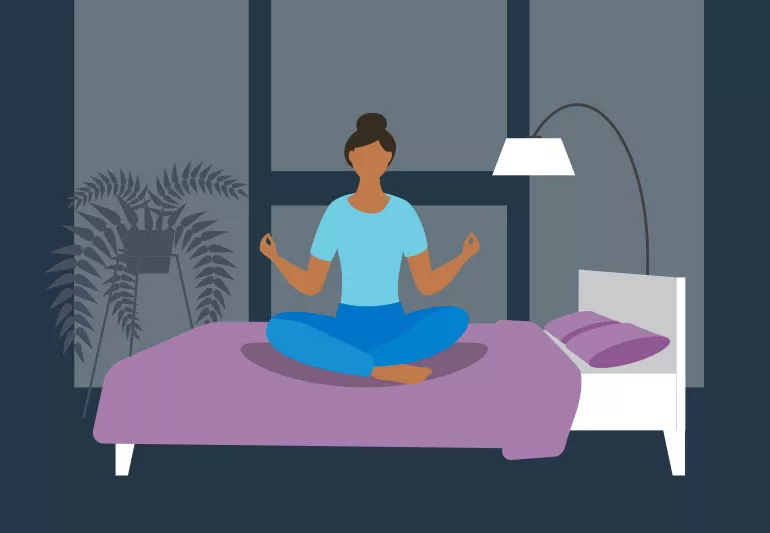
For a more immersive approach, try “bookending” your day. This involves meditating both in the morning and in the evening. The morning session can be about setting an intention for the day ahead—how you want to feel, what you want to focus on. The evening session then becomes a time for reflection and release, letting go of whatever didn’t go as planned. Many experienced practitioners swear by this dual approach, as it creates a continuous cycle of mindfulness.
Meditation During the Day: Midday and Lunch Break Options
Let’s be real—sometimes mornings and evenings are just too hectic. That’s where midday meditation comes in. Taking just 5 or 10 minutes during your lunch break (ideally between 10 AM and 1 PM) can be a powerful way to reset your brain. It helps combat that dreaded afternoon energy slump that usually hits around 2 or 3 PM. Think of it as a mental coffee break, but without the caffeine jitters.
Quick Meditation Techniques for Busy Schedules
You don’t need a quiet room and a cushion to meditate. Here are some quick techniques for a midday reset:
- Mindful Breathing: Simply focus on your breath for 2-3 minutes at your desk.
- Desk Meditation: Close your eyes, place your feet flat on the floor, and just notice the sensations in your body.
- Walking Meditation: If you can step outside, a short, mindful walk can do wonders. Instead of rushing, pay attention to the feeling of your feet on the ground and the environment around you. It’s a great way to practice walking meditation without needing a special setup.
- Use an App: Many apps offer guided sessions that are just 3-5 minutes long, perfect for a busy schedule.
Does Timing Really Matter for Meditation?
So, after all this, what’s the verdict? While the morning offers clear advantages like a quieter environment and a fresher mind, the absolute best time to meditate is the time you will actually do it.
Consistency is the secret ingredient that makes meditation effective. A 10-minute daily practice at lunchtime will bring you far more benefits than a “perfect” 30-minute morning session that you only manage to do once a month. Your personal schedule, energy levels, and lifestyle should be your ultimate guide.
Finding What Works for Your Lifestyle
I encourage you to experiment. Be your own scientist. Try meditating in the morning for one week, then switch to midday for a week, and then to the evening. Notice how you feel.
- When did you feel most focused?
- When was it easiest to be consistent?
- How did it impact your energy and mood?
Life happens. If you have young children, work night shifts, or have a demanding schedule, the “ideal” time might not be feasible. That’s perfectly okay. The goal is to find a realistic slot that works for your life.
When Is the Best Time to Meditate? Meditation Timing Tips for Beginners
If you’re just starting, it’s easy to get overwhelmed. My advice? Keep it simple.
- Pick the easiest time: Don’t aim for the “best” time; aim for the most convenient time in your current schedule.
- Start with 5 minutes: The biggest hurdle is just showing up. Once the habit is formed, you can explore how long you should meditate to find a duration that feels right.
- Focus on the habit, not perfection: Building the routine is the number one priority.

Common Timing Mistakes to Avoid
Here are a few pitfalls I’ve seen people (and myself!) fall into:
- Meditating right after a heavy meal: Your body is busy digesting, which can make you feel sleepy and unfocused.
- Trying to meditate when you’re exhausted: If you’re about to fall asleep, you might just doze off. If this is a recurring issue, learning how to not fall asleep during meditation can be very useful.
- Choosing a time with constant interruptions: Meditating when your family is getting ready for school is probably not the best idea.
- Inconsistent timing: Switching your time every day makes it harder to form a habit. Try to stick to one time for at least a week.
Building Consistency Over Perfection
Remember, meditation is a practice, not a performance. If you miss a day, don’t beat yourself up. Just come back to your cushion the next day. The goal is to create a sustainable ritual that supports you. Set a reminder on your phone or pair your meditation with an existing habit, like right after you brush your teeth or before you have your morning coffee. This “habit stacking” makes it much easier to stay on track.
Optimizing Your Meditation Environment at Any Time
No matter when you choose to meditate, creating a supportive environment can make a huge difference.
- Minimize distractions: Put your phone on silent and in another room. Let your family or roommates know you need a few minutes of quiet.
- Find a dedicated space: Even if it’s just a specific chair, having a designated spot helps.
- Consider props: A good cushion can make all the difference. Learning how to sit for meditation properly can prevent discomfort and distraction.
- Adjust the lighting: Soft, gentle light works well for most people.
- Manage the temperature: Make sure you won’t be too hot or too cold.
Ultimately, the journey of meditation is about finding what nourishes you. The “best” time is the one that fits seamlessly into your life, the one that you can return to day after day.
I hope this helps you find your rhythm. For more thoughts on wellness and finding what works for you, feel free to explore more at www.notonetype.org.

Có thể bạn quan tâm
Morning Meditation Guide: How to Start Your Day with Mindfulness
Starting your day with morning meditation can completely change your mental clarity, reduce stress, and...
Dec
How to Sit for Meditation: 7 Positions & Posture Guide (2025)
Finding the right way to sit for meditation can feel like the first big hurdle....
Dec
Meditating on the Breath: A Complete Guide to Breath-Focused Meditation
Meditating on the breath is one of the simplest and most accessible forms of what...
Dec
How to Stay Awake During Meditation: Simple Techniques That Work
It’s a familiar story. You settle onto your cushion, ready for a session of peace...
Dec
Can You Meditate Lying Down? A Complete Guide
Let’s clear this up right away: you absolutely can meditate lying down. If you’ve ever...
Dec
Can You Meditate With Music? Benefits & How-To Guide
Meditation comes in many forms, and the question of whether you can meditate with music...
Dec