
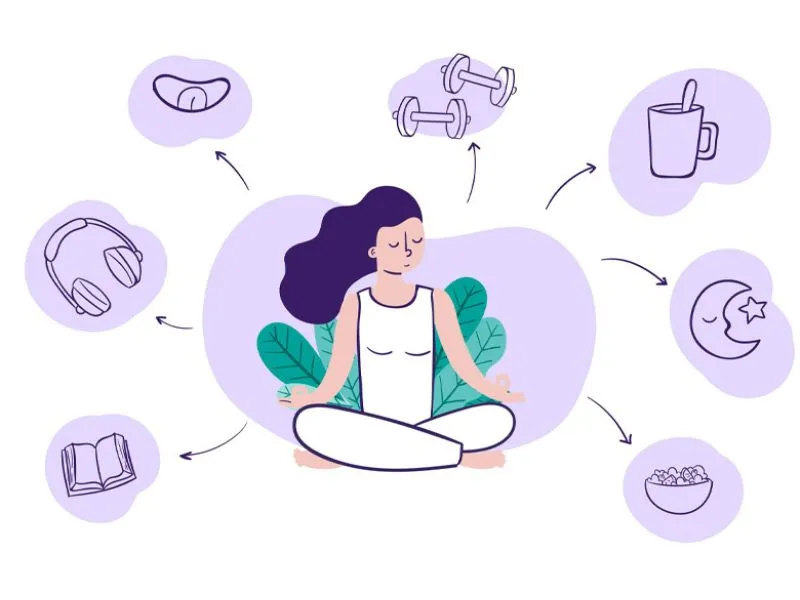
Let’s be honest, the term “self-care” gets thrown around a lot. We see it on social media, often paired with bubble baths and expensive face masks. While those things are nice, they don’t capture the full picture. A true self care routine is a personal collection of intentional self care activities that nurture your physical, mental, and emotional wellbeing. It’s not about one-off treats; it’s about building sustainable, daily habits that help you manage stress, prevent burnout, and show up as your best self. Building a routine that actually sticks starts with understanding what you truly need and choosing practices that fit your life.
What Is Self Care and Why Does It Matter?
At its core, self care is the practice of taking deliberate action to preserve or improve your own health. It’s the opposite of performative self-care that just looks good for a photo. Genuine self-care addresses your deeper needs. It might be saying “no” to a commitment that would drain you or making time for a quiet walk to clear your head.
The benefits are real and far-reaching:
- Reduced stress: Consistent self-care helps regulate your nervous system.
- Improved mental health: It gives you tools to manage anxiety and build emotional resilience.
- Better physical health: When you prioritize sleep, nutrition, and movement, your body thanks you.
- Increased self-awareness: You learn to listen to your body and mind’s signals.
Most importantly, self-care is not selfish. It’s necessary. You can’t pour from an empty cup, and caring for yourself is what keeps your cup full enough to care for others and handle life’s challenges.
The Five Types of Self Care
A balanced routine touches on different parts of your wellbeing. To build a comprehensive plan, it helps to understand the main types of self care. Think of them as pillars supporting your overall health.
- Physical: Caring for your body. This includes how you move, what you eat, and how much you sleep. Think exercise, nutrition, and rest.
- Mental: Engaging your mind in a healthy way. This is about learning, curiosity, and mindfulness. Think hobbies, reading, or solving a puzzle.
- Emotional: Acknowledging and processing your feelings. It’s about self-compassion and seeking support when needed. Think journaling, therapy, or talking with a trusted friend.
- Social: Nurturing relationships with others. This involves connection and setting healthy boundaries. Think quality time with loved ones.
- Spiritual: Connecting with your values and what gives you a sense of purpose. This doesn’t have to be religious. Think meditation, spending time in nature, or volunteering.
Everyone’s needs are different. You might need more social self-care one week and more mental self-care the next. The key is awareness.
How to Create Your Personalized Self Care Routine
So, where do you start? The best way is to check in with yourself. Ask some honest questions:
- Which area of my life feels the most drained right now?
- What is one small thing I could do that would feel nourishing, not like another chore?
- What gets in the way of me taking time for myself?
The biggest mistake is trying to do too much at once. Start small. Choose one or two manageable activities. If your barrier is time, find a five-minute practice. If it’s money, focus on free options. The goal is to make it feel easy and restorative.
Daily Self Care Activities (15 Minutes or Less)
Consistency with small actions has a bigger impact than sporadic grand gestures. Here are some ideas you can sprinkle throughout your day.
Morning:
- Drink a glass of water before your coffee.
- Stretch for five minutes before getting out of bed.
- Avoid checking your phone for the first 15 minutes of your day.
- Do a one-minute breathing exercise.
Midday:
- Take a short walk during your lunch break.
- Do a few desk stretches.
- Eat your meal without screens.
- Pause for a moment to name three things you’re grateful for.
Evening:
- Write down one good thing that happened today.
- Do a gentle, calming stretch.
- Put your phone away an hour before bed.
- Create a simple skincare routine.
Weekly and Monthly Self Care Practices
These are the bigger appointments you make with yourself. Scheduling them in advance makes them more likely to happen.
Weekly Ideas:
- A longer workout class or outdoor hike.
- Dedicated time for a hobby you love.
- A coffee date or phone call with a good friend.
- Meal prepping healthy food for the week.
Monthly Ideas:
- A trip to a park or nature reserve.
- A digital declutter: organize files and unsubscribe from emails.
- A goal review session to check in on your progress.
- Trying something new, like a pottery class or a new recipe.
Morning Self Care Routine Ideas
How you start your day can set the tone for the next 12+ hours. A morning routine doesn’t have to be an hour long; even 10 minutes of intention can make a huge difference.
Instead of grabbing your phone and letting the world’s demands rush in, try to carve out a small pocket of peace. Hydrate your body, do some gentle movement to wake up your muscles, and maybe journal one page about what’s on your mind. A nourishing breakfast fuels your brain and body. This quiet time is a message to yourself that your wellbeing comes first.
Evening Self Care Routine for Better Sleep
A good night’s sleep is one of the most powerful forms of self-care. An evening wind-down routine signals to your brain that it’s time to switch off. The blue light from screens can disrupt your natural sleep cycle, so try to put them away an hour before bed.
Instead, you could take a warm shower, drink some herbal tea, or read a book (a real one!). A “brain dump” in a journal—writing down all the tasks and worries buzzing in your head—can clear your mind for rest. Creating a calm environment and a consistent bedtime are key parts of good sleep hygiene.
Physical Self Care Routine Activities
Physical self-care is about respecting your body, not punishing it. Find movement that feels good to you, whether it’s dancing in your kitchen, lifting weights, or taking a walk. Fuel your body with nutritious food that gives you energy, and don’t forget to hydrate.
Listening to your body is a crucial skill. It tells you when it needs rest and when it needs to move. Regular checkups, stretching, and getting enough sleep (aim for 7-9 hours) are all non-negotiable acts of physical care.
Mental and Emotional Self Care Practices
Your mind and emotions need care, too. This work is often less visible but incredibly important. Practices like journaling help you process thoughts, while mindfulness and meditation train you to observe them without judgment.
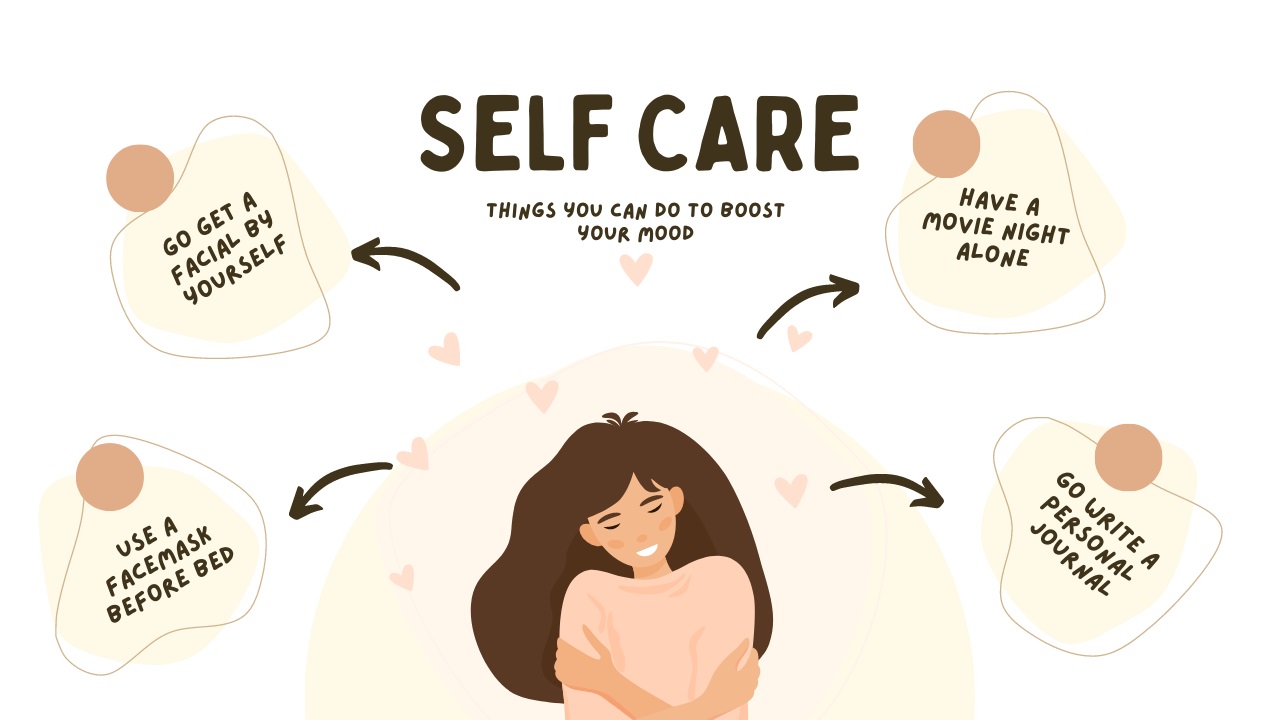
Setting boundaries is a powerful form of emotional self-care. It’s okay to say “no” to things that overcommit you. Engaging in hobbies, learning new skills, and taking breaks from social media all support your mental wellness. Remember, knowing how to turn a bad day around is a skill built through consistent practice. And sometimes, the best self-care is asking for help from a therapist or a friend.
Self Care for Stress Management
When stress hits, having a toolkit of practices is essential. Deep breathing exercises, like the 4-7-8 technique (inhale for 4, hold for 7, exhale for 8), can calm your nervous system in minutes.
Movement is another great way to release tension. Even a quick walk can shift your perspective. Especially when deadlines loom, practicing self care at work can prevent overwhelm. Over time, you’ll learn to identify your stress triggers, which is the first step to addressing them at their root.
Budget-Friendly Self Care Ideas
Self-care does not have to be expensive. In fact, some of the most effective practices are completely free. The value comes from your intention and presence, not the price tag.
Here are some ideas:
- Walk in a park or on a nature trail.
- Borrow books, movies, or music from your local library.
- Cook a simple, favorite meal at home.
- Meditate using a free app or guided video.
- Call a friend you haven’t spoken to in a while.
- Watch the sunrise or sunset.
- Listen to a favorite playlist or an interesting podcast.
Common Self Care Routine Mistakes to Avoid
Sometimes our best intentions get derailed. Here are a few common pitfalls to watch out for:
- Making it a chore: Self-care should reduce stress, not add to it. If it feels like another obligation, it’s not the right practice for you right now.
- Comparing your routine: What works for an influencer on Instagram might not work for you. Your routine should be tailored to your life.
- Being too ambitious: Trying to add five new habits at once is a recipe for burnout. Start with one.
- Waiting until you’re burnt out: Self-care is proactive, not just reactive. It’s maintenance, not just repair.
- Feeling guilty: You are worthy of your own time and care. Period.
How to Make Your Self Care Routine Stick
Creating a new habit takes time and strategy. Here’s how to make it last.

- Schedule It: Put your self-care time in your calendar, just like a doctor’s appointment.
- Use Habit Stacking: Pair your new self-care habit with something you already do. For example, “After I brush my teeth, I will meditate for two minutes.”
- Start Tiny: Make the habit so small it’s almost impossible not to do it. Want to journal? Start with one sentence a day. Building sustainable self love habits means treating yourself with consistent kindness through small, daily actions rather than waiting for perfect conditions or grand gestures.
- Remember Your “Why”: When you feel unmotivated, reconnect with why you started this. Is it to feel less stressed? To have more energy?
- Be Flexible & Forgive Yourself: Life happens. You will miss a day. The goal isn’t perfection; it’s consistency over time. Don’t let one missed day turn into a missed month. Just begin again tomorrow.
Building a self care routine is a journey of self-discovery. It’s about learning to listen to yourself and honoring what you hear. Start small, be kind to yourself, and choose practices that genuinely fill your cup.
For more ideas and inspiration on your wellness journey, feel free to explore more resources here at www.notonetype.org.

Có thể bạn quan tâm
Self Care at Work: Simple Strategies to Boost Your Well-Being and Productivity
Taking care of yourself at work isn’t selfish—it’s essential for maintaining your health, happiness, and...
Dec
Self Care Activities for Staff Meetings: 20 Simple Ideas to Boost Wellbeing
Staff meetings don’t have to drain your team’s energy. In fact, they can be the...
Dec
Self-Care for Seniors: 12 Easy Tips to Stay Healthy and Happy
Self-care becomes so much more important as we get older. It’s what helps us maintain...
Dec
Self Care for Teens: 15+ Tips to Manage Stress and Build Healthy Habits
Being a teenager is a lot. Between school pressure, a social life that’s always online,...
Dec
Self-Care for Women: 25+ Ideas to Prioritize Your Well-Being
Self-care isn’t a luxury—it’s essential for women balancing careers, relationships, family, and countless daily responsibilities....
Dec
Self Care for Women Over 40: Your Complete Guide to Thriving in Midlife
Turning 40 marks a shift where your body, mind, and priorities begin to change in...
Dec