
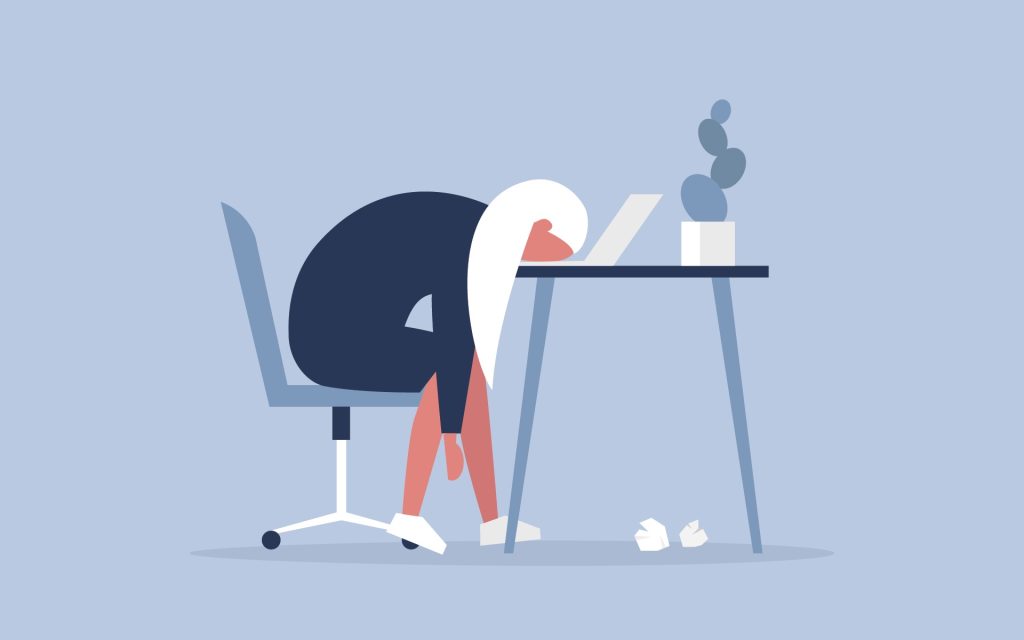
Everyone has bad days—those mornings when you wake up late, spill coffee on your shirt, or just feel off for no clear reason. The good news is that a bad start doesn’t have to dictate your entire day. It’s actually a chance to practice some simple self care activities and take back control. With the right strategies, you can interrupt negative momentum, shift your perspective, and genuinely turn things around. Here are 15 practical, simple ways to reset your mood and reclaim your day when everything seems to be going wrong.
Why Bad Days Happen?
Before diving into solutions, it helps to know what’s going on in your head and body. A “bad day” isn’t just a vague feeling; it’s often a biological and psychological response to stress. Understanding this normalizes the experience and makes it feel less personal and more manageable.
The Science Behind Bad Moods
When you face a stressor—like a looming deadline or a frustrating traffic jam—your body’s alarm system goes off. This is the “fight-or-flight” response, which releases hormones like cortisol and adrenaline. While useful for actual emergencies, these hormones can leave you feeling agitated, unfocused, and on edge when they linger.

The goal is to activate your parasympathetic nervous system, which is your body’s “rest-and-digest” mode. This system helps you calm down and is key to resetting your day. Simple actions can trigger this shift and encourage the release of feel-good hormones like endorphins and serotonin.
Why One Bad Moment Can Snowball
Have you ever noticed how stubbing your toe in the morning can lead to a chain reaction of negativity? That’s a real psychological pattern. When you’re already in a bad mood, your brain is more likely to interpret neutral or slightly negative events as major problems.
This is often called an emotion processing bias. It’s a downward spiral where one bad thing colors your perception of everything that follows. The first step to breaking this cycle is simply recognizing that it’s happening. Your whole day isn’t ruined; your brain is just stuck in a negative loop.
Quick Physical Strategies to Reset Your Mood
Sometimes, the fastest way to change your mind is to change what your body is doing. These physical techniques create an immediate physiological shift that can interrupt the stress response and help you feel better in minutes.
Take a Cold Shower or Splash Your Face
There’s a reason this is a classic. A splash of cold water on your face or a quick cold shower creates a jolt to your nervous system. This sensory shock pulls you out of your head and into the present moment, instantly interrupting negative thought patterns. It acts as a physical and symbolic reset—a fresh start.
Do a Quick Burst of Exercise
You don’t need an hour at the gym. Just 5-10 minutes of movement can release mood-boosting endorphins and burn off nervous energy. Try doing some jumping jacks, running up and down the stairs, putting on your favorite song and dancing, or taking a brisk walk around the block. The goal is to get your heart rate up and shift your body’s state.
Practice Deep Breathing Exercises
Controlled breathing is one of the most powerful tools for calming your nervous system. When you’re stressed, your breath becomes shallow. Deep breathing tells your body it’s safe to relax.

Try the 4-7-8 method:
- Breathe in through your nose for 4 seconds.
- Hold your breath for 7 seconds.
- Exhale slowly through your mouth for 8 seconds.
Repeat this 3-5 times. You’ll feel your heart rate slow down almost immediately.
Try Grounding Techniques
Grounding pulls your attention away from anxious thoughts and back to your physical surroundings. It’s a simple form of mindfulness.
Use the 5-4-3-2-1 method:
- 5: Name five things you can see.
- 4: Name four things you can feel (your feet on the floor, the texture of your shirt).
- 3: Name three things you can hear.
- 2: Name two things you can smell.
- 1: Name one thing you can taste.
This simple exercise anchors you in the present, making it harder for your mind to spiral.
Mental and Emotional Reset Strategies
Once you’ve addressed the physical side of stress, you can work on reframing your mindset. These strategies help you get some distance from negative emotions and choose a more balanced perspective.
Change Your Environment or Outfit
A small change in your surroundings can signal a big mental shift. If you’ve been stuck at your desk, move to a different room or step outside for five minutes. Changing out of the clothes you were wearing when your day went south can also create a psychological boundary, telling your brain, “That part of the day is over. We’re starting fresh now.”
Practice Gratitude or Reframe Your Perspective
When things go wrong, our brains focus on the negative. You can consciously fight this by identifying 3-5 things you’re grateful for, no matter how small. It could be your morning coffee, a sunny day, or a pet.
You can also try cognitive reframing. Instead of thinking, “This traffic is ruining my day,” try, “This gives me a few extra minutes to listen to my favorite podcast.” You’re not denying the frustration; you’re just choosing a more empowering lens. This is one of many types of self care that focuses on mental well-being.
Write Down Your Feelings
Getting your frustrations out of your head and onto paper can be incredibly freeing. Grab a notebook and just write down everything that’s bothering you. Don’t worry about grammar or structure—this is a “brain dump.” Often, seeing your problems written down makes them feel more concrete and manageable.

Give Yourself Permission to Reset
Sometimes the most powerful thing you can do is make a conscious decision. Say it out loud: “I’m starting my day over right now.” This simple declaration gives you permission to let go of what happened earlier. It’s a small commitment that breaks the cycle of feeling bad about feeling bad.
Social and Sensory Mood Boosters
Humans are sensory and social creatures. Engaging your senses and connecting with others are fast tracks to a better mood.
Connect With Someone You Care About
A quick connection can make a world of difference. Call a friend who always makes you laugh, send a text to a family member, or have a quick chat with a friendly coworker. Social connection releases oxytocin, a hormone that promotes feelings of bonding and trust, which directly counters the effects of cortisol.
Watch or Listen to Something Funny
Laughter is potent medicine. It triggers the release of endorphins and provides immediate physical relief from tension. Keep a playlist of funny YouTube clips, your favorite comedian’s specials, or a go-to sitcom. A few minutes of genuine laughter can completely shift your emotional state.
Listen to Music That Lifts Your Mood
Music has a direct line to the emotional centers of your brain. Create a “mood boost” playlist filled with songs that make you feel energized, happy, or calm. Instead of listening to sad music that matches your mood, choose music that reflects the mood you want to have.

Spend Time With a Pet
If you have a pet, go spend a few minutes with them. Petting a dog or cat has been shown to lower blood pressure and reduce stress hormones. Their simple, unconditional affection is a powerful antidote to a bad day. No pet? Watching cute animal videos online can have a similar, albeit smaller, effect.
Practical Life Management Strategies
Sometimes a bad day is caused by feeling completely overwhelmed. Regaining a sense of control, even in a small way, can turn things around.
Eliminate or Delegate One Thing From Your Schedule
Look at your to-do list and ask yourself: “What is the one thing I can let go of today?” It could be a non-essential errand, a meeting you can reschedule, or a chore that can wait. Dropping just one task can create the mental breathing room you need. This can be an important form of self care at work when you feel buried in tasks.
Break Your Day Into Small, Manageable Chunks
When your entire day feels like a mountain, just focus on the next small hill. Instead of worrying about everything you have to do, just pick one small, specific action. “I will answer these two emails,” or “I will make that one phone call.” Accomplishing a small task builds momentum and restores your sense of capability.
Take a Power Nap
If you’re able, a short 15-20 minute nap can work wonders for your mood and focus. It’s like a hard reset for your brain. Just be sure to keep it brief, as longer naps can sometimes leave you feeling groggy. If you can’t nap, simply closing your eyes and resting quietly for 10 minutes can also be restorative.
Long-Term Habits to Build Resilience Against Bad Days
While the strategies above are great for in-the-moment resets, building long-term habits can make you more resilient, so bad days don’t happen as often or hit as hard.
Establish a Morning Routine
How you start your day often sets the tone for the rest of it. A consistent morning routine provides a sense of stability and control. It doesn’t have to be complicated—just 10-15 minutes of quiet time, stretching, journaling, or mindfully drinking your coffee before the chaos begins can make a huge difference.

Prioritize Quality Sleep
There’s no getting around it: sleep deprivation makes everything harder. When you’re tired, your emotional regulation is weaker, and your stress tolerance is lower. Aiming for 7-9 hours of quality sleep per night is one of the most effective ways to build a strong foundation for good days.
Practice Regular Self-Care
Think of self-care as proactively filling your cup so you have reserves to draw from when things get tough. A consistent self care routine is an investment in your well-being. This includes exercise, hobbies, time in nature, or whatever truly recharges you. When you’re not constantly running on empty, a minor setback is less likely to derail your entire day.
Ultimately, turning a bad day around is about recognizing that you have the power to choose your next action. You don’t have to let a bad morning win. By having a few of these simple tools in your back pocket, you can reset, reframe, and get back on track. For more tips on wellness and intentional living, feel free to explore more at www.notonetype.org.

Có thể bạn quan tâm
Self Care at Work: Simple Strategies to Boost Your Well-Being and Productivity
Taking care of yourself at work isn’t selfish—it’s essential for maintaining your health, happiness, and...
Dec
Self Care Activities for Staff Meetings: 20 Simple Ideas to Boost Wellbeing
Staff meetings don’t have to drain your team’s energy. In fact, they can be the...
Dec
Self-Care for Seniors: 12 Easy Tips to Stay Healthy and Happy
Self-care becomes so much more important as we get older. It’s what helps us maintain...
Dec
Self Care for Teens: 15+ Tips to Manage Stress and Build Healthy Habits
Being a teenager is a lot. Between school pressure, a social life that’s always online,...
Dec
Self-Care for Women: 25+ Ideas to Prioritize Your Well-Being
Self-care isn’t a luxury—it’s essential for women balancing careers, relationships, family, and countless daily responsibilities....
Dec
Self Care for Women Over 40: Your Complete Guide to Thriving in Midlife
Turning 40 marks a shift where your body, mind, and priorities begin to change in...
Dec