
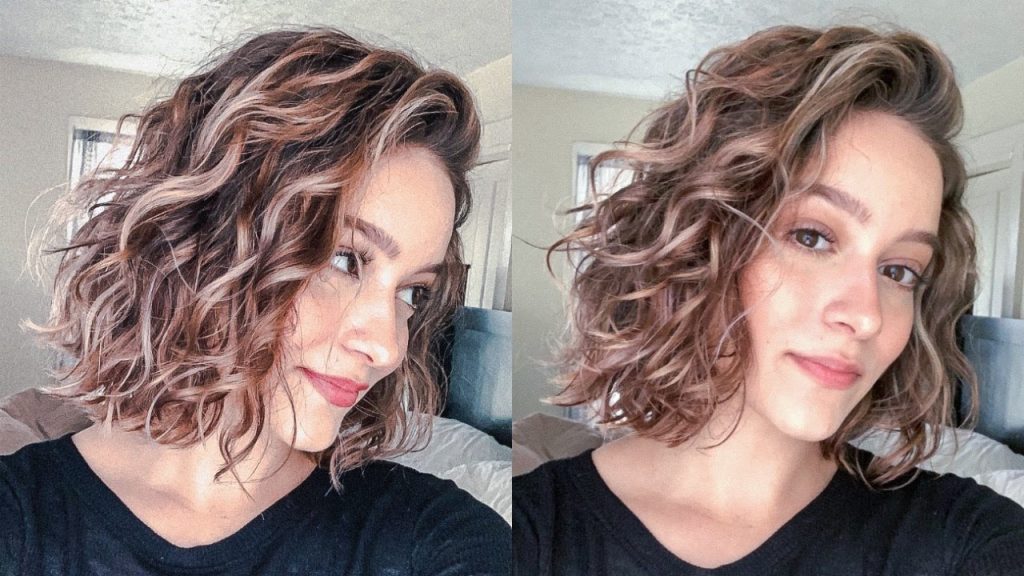
Sleeping with wavy hair can feel like a nightly gamble. You go to bed with decent waves, only to wake up to a frizzy, flattened, or tangled mess. I’ve been there more times than I can count. The good news is that you don’t have to choose between a good night’s sleep and good hair. With a few simple adjustments to your routine, you can learn how to protect hair while sleeping and wake up with waves that are still bouncy, defined, and ready to go. This guide will walk you through everything from game-changing hairstyles to the best fabrics for your pillowcase.
Why Sleeping on Wavy Hair Is Challenging
So, what’s the big deal with sleeping on wavy hair? Unlike straight hair that can often be brushed back into place, wavy hair has a specific pattern. When you lie down, the pressure from your head, combined with tossing and turning, can easily crush that pattern.
Then there’s the friction. Most of us sleep on cotton pillowcases, which feel soft to the touch but are quite rough on a microscopic level. As you move, your hair shafts rub against the cotton fibers, roughing up the cuticle and leading to that dreaded morning frizz. Cotton also absorbs moisture, pulling hydration right out of your hair, leaving it dry and more prone to tangling. Protecting your waves overnight isn’t just about aesthetics; it’s about maintaining hair health and saving you a ton of styling time in the morning.
The Pineapple Method for Wavy Hair
The pineapple method is probably the most popular technique for protecting waves and curls overnight, and for good reason—it’s simple and effective. The goal is to gather your hair in a way that keeps the wave clumps from getting squished while you sleep.
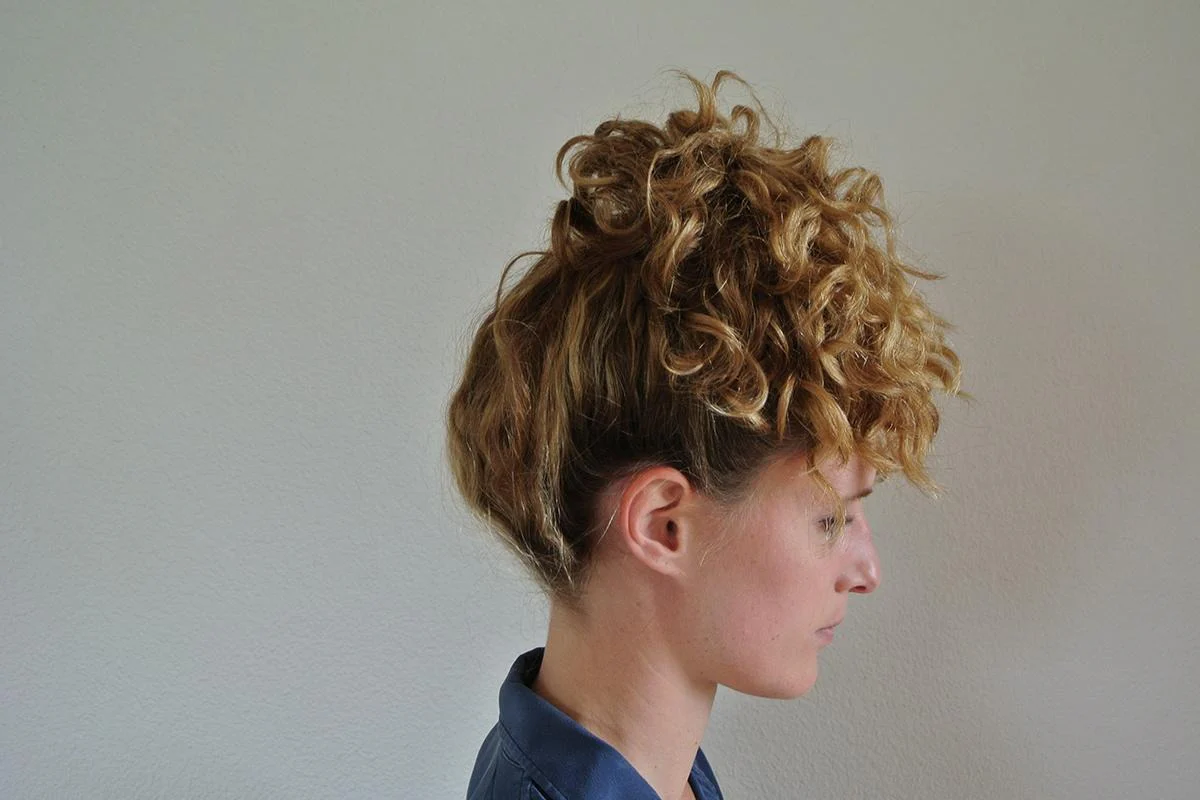
Here’s how you do it:
- Flip your head forward so all your hair falls toward the floor.
- Gently gather your hair into a very high, loose ponytail right on top of your head. The placement is key; it should be high enough that you won’t be lying on it.
- Secure it with a soft scrunchie. Don’t wrap it too tightly. The idea is to hold the hair, not to create a severe ponytail that will leave a dent.
This method lifts your hair up and away from your neck and back, minimizing friction and preventing you from flattening the majority of your waves.
Best Scrunchies for Pineappling
Not all hair ties are created equal. When you’re putting your hair in a pineapple, the scrunchie you use matters. Traditional elastic hair ties are a no-go; their tight grip can create noticeable dents and even cause breakage.
Instead, opt for scrunchies made from either satin or silk. These smooth materials glide over your hair instead of snagging it, which is exactly what you need to prevent frizz. Avoid materials like velvet or terrycloth, as they can still cause friction. If you have very thick or long hair, a jumbo-sized satin scrunchie can be a lifesaver, providing a gentle hold without compressing your wave pattern.
Pineapple Variations for Different Hair Lengths
What if your hair isn’t long enough for a traditional pineapple? You still have options.
- For Long Hair: If your hair is long enough to spill over the pineapple, you can loosely wrap the ends around the base or tuck them into a silk or satin bonnet for extra protection.
- For Short Hair: If you have shorter waves that can’t all reach the crown of your head, try a partial pineapple or a “multi-pineapple.” You can create one pineapple with the top half of your hair (from the ears up) and leave the rest down. Or, you can create two or three small, loose ponytails on top of your head. It’s all about finding what’s comfortable and effective for your length, and we have a whole guide on how to sleep with short hair if you need more ideas.
Choosing the Right Pillowcase Material
Your pillowcase is in contact with your hair for roughly eight hours a night, making it one of the most important factors in your overnight hair care strategy. As mentioned earlier, cotton is your enemy when it comes to preserving waves. It saps moisture and creates frizz.
Your best options are satin and silk. Both materials create a smooth, low-friction surface that allows your hair to glide across the pillow as you sleep. This simple switch can dramatically reduce frizz, tangles, and moisture loss, helping your waves stay defined and hydrated.
Satin vs Silk: Which Is Better?
While they offer similar benefits, there are key differences between satin and silk. Silk is a natural protein fiber produced by silkworms. It’s known for being incredibly smooth, breathable, and great at helping hair and skin retain moisture. However, it’s also more expensive and requires delicate care, like hand washing.
Satin, on the other hand, is a type of weave, not a natural fiber. Most satin pillowcases are made from polyester. While it’s not as breathable as silk, a high-quality satin pillowcase provides a similarly smooth surface at a much lower price point. It’s also more durable and can usually be machine washed. For most people, a satin pillowcase offers the perfect balance of performance and practicality.
Using Hair Bonnets and Scarves
If you want to take your overnight protection to the next level, a satin or silk bonnet or scarf is a fantastic option. They fully encase your hair, creating a complete barrier against the friction of your pillowcase (even if you already use a silk one). This is especially helpful if you move around a lot in your sleep. Some people find them more secure than just a pineapple. You can even combine methods—put your hair in a pineapple and then cover it with a bonnet.
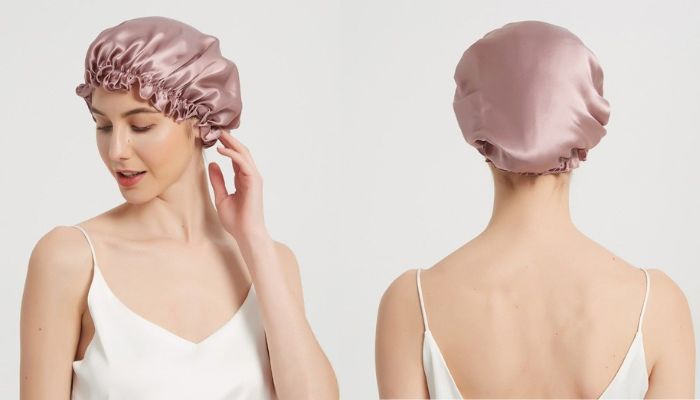
There are plenty of styles, from adjustable drawstring bonnets to simple elastic-edge caps. Finding one that fits snugly without being too tight is key to keeping it on all night. It’s a method many people with curly hair swear by, and if you’re curious about how to sleep with curly hair without a bonnet, many of these other techniques will still work wonders.
Alternative Overnight Methods for Wavy Hair
If the pineapple isn’t your thing, don’t worry. There are other ways to protect your waves.
- Loose Braid: A single, very loose braid can keep your hair contained and prevent tangling. It will alter your wave pattern slightly, but it often results in soft, uniform waves in the morning.
- Twists or a Loose Bun: You can separate your hair into two or more sections and loosely twist them, or gather your hair into a loose bun at the nape of your neck or on top of your head. The key word for all these styles is loose. Anything too tight will stretch your natural waves and create kinks.
Medusa Clipping Technique
For those with very short wavy hair, the Medusa clipping technique is a lifesaver. It involves using several small claw clips to lift sections of hair at the root and secure them on top of your head. You’re essentially creating multiple mini-pineapples. Position the clips so you aren’t lying directly on them. This method prevents the roots from flattening, which is often the biggest challenge for short waves.
Plopping for Overnight Protection
Plopping is typically a technique used to help wet hair dry with enhanced definition. However, you can also use it on dry hair overnight. Simply lay a cotton t-shirt or microfiber towel on a flat surface, flip your hair forward onto it, then wrap the fabric around your head like a turban. This creates a soft, protective barrier that holds your waves in place without causing friction.
Should You Sleep on Wet Wavy Hair?
This is a common question, and the general answer is: try to avoid it. When hair is wet, it’s in its most fragile state and is more susceptible to breakage. Sleeping with wet hair also keeps your scalp damp for a prolonged period, which isn’t ideal for scalp health. Plus, your waves are unlikely to dry in a defined or consistent pattern.
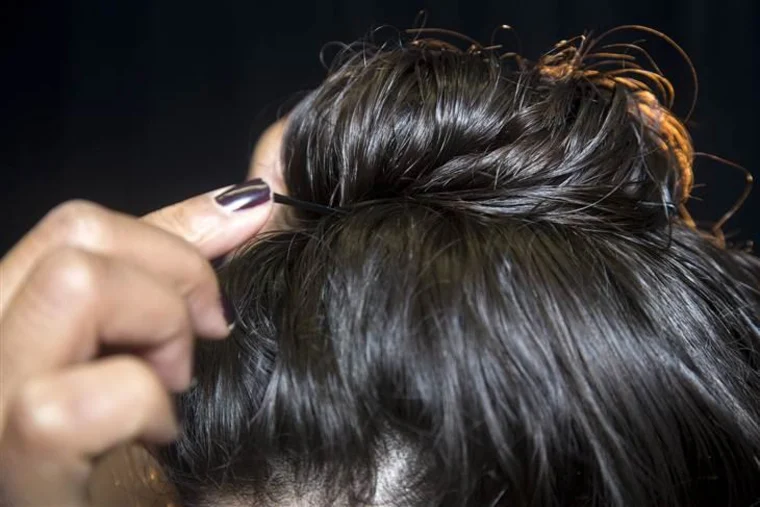
If you must wash your hair at night, it’s best to diffuse or air-dry it completely before bed. For more details on why this is important, check out our full guide on how to sleep with wet hair.
Sleeping in the Gel Cast
There is one exception to the ‘no wet hair’ rule. If you style your hair with a strong-hold gel or mousse, it will form a crunchy layer as it dries, known as a gel cast. This cast acts as a protective shell around your wave clumps. If you let your hair dry 100% in its cast, you can then pineapple it and sleep on it. The cast protects the waves from frizz and flattening. In the morning, you simply “scrunch out the crunch” with your hands to release soft, defined waves.
Pre-Bedtime Hair Care Routine
What you do before putting your hair up can make a big difference. A good pre-bedtime routine helps maintain moisture and prepares your hair for the night.
- Moisturize: If your hair feels dry, lightly mist it with water and apply a small amount of leave-in conditioner.
- Seal the Ends: Apply a lightweight oil to your ends to prevent them from drying out overnight. This is especially important for maintaining healthy hair with good hair porosity.
- Gentle Detangling: Use your fingers or a very wide-tooth comb to gently remove any major tangles before styling for bed. Avoid vigorous brushing, which can pull out your wave pattern.
How to Refresh Wavy Hair in the Morning
Even with the best protection, your waves might need a little pick-me-up in the morning.
First, gently take down your pineapple or other protective style. Give your hair a few minutes to settle. Then, you can use a spray bottle with water (or water mixed with a bit of leave-in conditioner) to lightly mist any sections that look frizzy or stretched out.
Once your hair is slightly damp, scrunch it with your hands, squeezing upward toward the scalp to encourage the waves to reform. If needed, you can apply a small amount of curl cream or mousse. For individual waves that have gone rogue, you can finger coil them back into shape. This simple refresh routine usually takes less than five minutes and brings your waves right back to life.
Protecting your waves overnight might seem like a lot of work at first, but once you find a method that works for you, it becomes a quick and easy part of your nightly routine. Experiment with these techniques and see what gives you the best results. Waking up with beautiful, ready-to-go waves is totally achievable! For more personalized hair care tips, feel free to explore the resources on www.notonetype.org.

Có thể bạn quan tâm
How to Sleep With Wet Hair: Tips to Protect Your Strands Overnight
Washing your hair at night saves time in the morning, but going to bed with...
Dec
How to Get Wavy Hair Overnight Short Hair: 8 Easy Heatless Methods
Getting wavy hair overnight with short hair is easier than you might think, and you...
Dec
How to Sleep With Short Hair: Tips to Wake Up With Beautiful, Damage-Free Hair
Sleeping with short hair can feel like a nightly gamble. You go to bed with...
Dec
How to Keep Hair Straight Overnight: 10 Easy Methods That Work
It’s a familiar story. You spend precious time carefully flat-ironing your hair until it’s perfectly...
Dec
How to Sleep with Curly Hair Without a Bonnet: (8 Easy Ways)
Protecting your curls overnight doesn’t have to mean wearing a bonnet. Maybe you find them...
Dec
How to Sleep with Curly Hair Without Frizz (2025 Guide)
Waking up with flattened, frizzy curls is frustrating, but it doesn’t have to be your...
Dec