

Loving yourself unconditionally. It sounds like a big, beautiful, and maybe even impossible idea, right? For years, I thought it was something reserved for other people. It means accepting all of you—the brilliant parts, the messy parts, the parts you hide—without needing to fix or change anything first. It’s a quiet, powerful act of self-respect that builds a foundation for peace and resilience. This isn’t about grand gestures, but about the small, consistent steps we take every day. If you’re ready to learn how to love yourself on a deeper level, this guide is for you.
What Is Unconditional Self-Love and Why It Matters?
Let’s be honest, most of us learn to love ourselves conditionally. We feel good about ourselves if we get the promotion, if we lose the weight, or if someone else approves of us. That’s conditional love—it depends on external validation.
Unconditional self-love is different. It’s an internal anchor. It’s the belief that you are inherently worthy of love and respect, simply because you exist. It doesn’t mean you stop growing or improving. It means your self-worth isn’t on the line while you do it. This matters because when your sense of value comes from within, you’re less shaken by criticism, setbacks, or the opinions of others. You become your own safest space.

Begin with Self-Awareness and Acceptance
The first step toward unconditional love isn’t about changing; it’s about noticing. It’s about gently tuning into yourself without the immediate urge to judge or fix what you find. This is where you start building a relationship with the real you.
Practice Mindfulness and Meditation
Mindfulness is simply the practice of paying attention to the present moment on purpose. You don’t need to sit cross-legged for an hour (unless you want to!). It can be as simple as pausing to notice the feeling of warm water on your hands as you wash dishes or taking three deep breaths before answering an email.
Meditation helps quiet the noise of your inner critic. Apps like Calm or Headspace are great starting points. Just a few minutes a day helps you observe your thoughts and feelings without getting swept away by them. You learn that you are the observer, not the storm.
Acknowledge Strengths and Imperfections
We are often experts at listing our flaws but struggle to name our strengths. Grab a journal and try this:
- List your strengths: What are you good at? What do people compliment you on? Think about your kindness, your resilience, your creativity, your sense of humor. Write it all down.
- Acknowledge your imperfections: Now, write down a few things you consider flaws. But instead of judging them, look at them with curiosity. Maybe your “stubbornness” is also a sign of your passion and determination. Reframe them not as failures, but as part of your uniquely human story.
Embracing both sides of the coin is the essence of unconditional love.
Healing Past Wounds and Forgiving Yourself
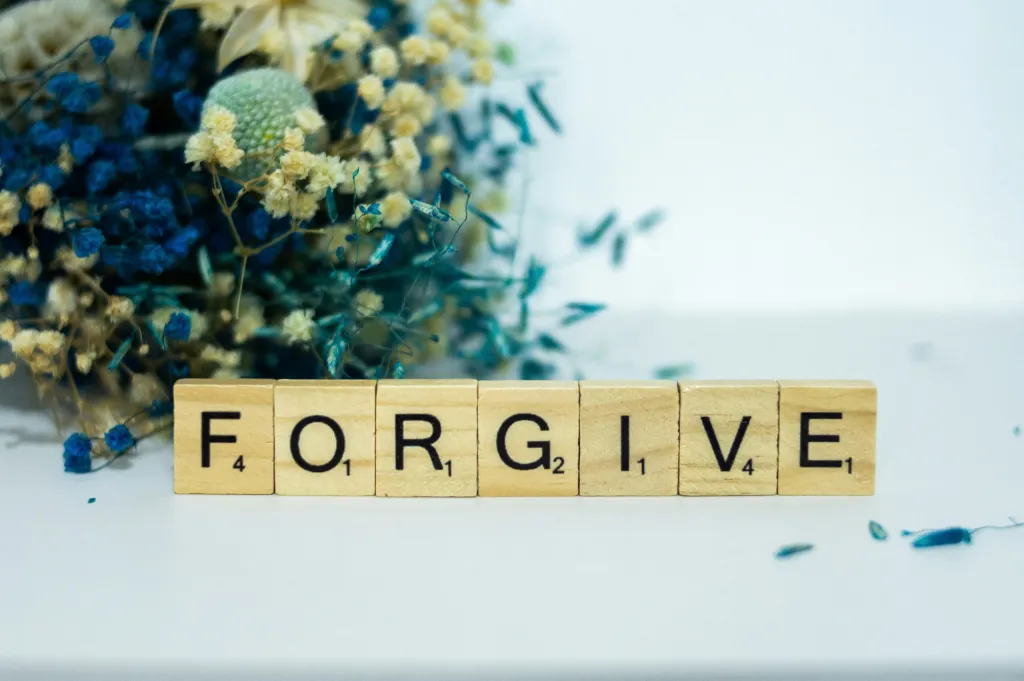
We all have a closet full of past mistakes, regrets, and moments we wish we could do over. Unconditional self-love requires us to stop punishing ourselves for them. Healing isn’t about forgetting; it’s about letting go of the emotional weight.
Embrace Compassionate Self-Talk
Think about how you’d talk to a friend who made a mistake. You’d likely be kind, understanding, and encouraging. Now, turn that voice inward. When you catch yourself in a spiral of negative self-talk, pause and consciously switch to a kinder tone.
Instead of: “I can’t believe I messed that up. I’m so stupid.”
Try: “That didn’t go as planned, and that’s okay. It was a learning experience. I did my best with what I knew at the time.”
This practice feels unnatural at first, but it rewires your brain to treat yourself with the same compassion you so easily give to others. It’s a core component of building healthy mental health habits.
Release Old Trauma and Resentments
Holding onto old pain is like trying to swim while carrying a backpack full of rocks. It’s exhausting. Healing might involve journaling, therapy, or simply making a conscious decision to forgive yourself for not knowing then what you know now. It’s about giving your inner child the safety and reassurance it might not have received back then. You can’t change the past, but you can change the power it has over your present.
Setting Healthy Boundaries and Prioritizing Needs
Unconditional self-love isn’t passive; it’s active. It involves protecting your peace and honoring your needs by setting boundaries. A boundary is simply a line you draw to protect your well-being. It teaches others how to treat you and, more importantly, reinforces your own self-worth. It’s a critical skill when learning how to value yourself as a woman.
Learn to Ask for What You Need
Many of us are taught that it’s selfish to put our needs first. But you can’t pour from an empty cup. Start small. Clearly and calmly state what you need, whether it’s help with a task, 15 minutes of quiet time, or emotional support from a partner. People aren’t mind-readers. Articulating your needs is an act of self-respect.
Protect Your Energy from Toxicity
Some relationships drain you, while others fill you up. Pay attention to how you feel after interacting with people. If someone consistently leaves you feeling anxious, small, or exhausted, that’s a sign that a boundary is needed. This might mean limiting your time with them, having a difficult conversation, or in some cases, ending the relationship. Protecting your energy isn’t selfish; it’s essential, especially when figuring out how to love yourself in a relationship.

Cultivate Gratitude and Self-Care Practices
Self-love grows where gratitude and care are planted. These daily practices shift your focus from what’s wrong to what’s right, nurturing a deep appreciation for yourself and your life. They become the foundation for your ongoing personal growth.
Daily Gratitude Practices
Gratitude is a powerful antidote to negativity. Each day, take a moment to identify three things you’re grateful for. Be specific. Instead of just “my family,” try “the way my partner made me coffee this morning.” Make sure one of those things is about yourself. For example: “I’m grateful for my body’s ability to heal,” or “I’m grateful for my patience in a difficult meeting today.”
Engage in Activities That Bring Joy
What makes you feel alive? What did you love to do as a child before the world told you to be practical? Make time for it. Whether it’s painting, hiking, dancing in your kitchen, or reading a novel, joy is not a luxury. It’s a vital part of a healthy life. Scheduling these activities demonstrates to yourself that your happiness matters. These are some of the most effective self love habits you can build.

Embrace Your Journey with Patience and Consistency
Learning how to love yourself unconditionally is not a destination you arrive at one day. It’s a lifelong practice. There will be days when your inner critic is loud and old habits creep back in. That’s okay. The goal isn’t perfection; it’s progress.
On those hard days, be extra kind to yourself. Acknowledge the feeling, take a deep breath, and gently return to your practices. Celebrate the small wins—the moment you chose a kind thought, set a boundary, or took five minutes for yourself. Each step, no matter how small, is a victory.
This is your journey. Be patient with it, be consistent, and trust the process. You are worthy of this love, right now, exactly as you are. For more thoughts on wellness and self-discovery, you can always find me over at www.notonetype.org.

Có thể bạn quan tâm
Self Care at Work: Simple Strategies to Boost Your Well-Being and Productivity
Taking care of yourself at work isn’t selfish—it’s essential for maintaining your health, happiness, and...
Dec
Self Care Activities for Staff Meetings: 20 Simple Ideas to Boost Wellbeing
Staff meetings don’t have to drain your team’s energy. In fact, they can be the...
Dec
Self-Care for Seniors: 12 Easy Tips to Stay Healthy and Happy
Self-care becomes so much more important as we get older. It’s what helps us maintain...
Dec
Self Care for Teens: 15+ Tips to Manage Stress and Build Healthy Habits
Being a teenager is a lot. Between school pressure, a social life that’s always online,...
Dec
Self-Care for Women: 25+ Ideas to Prioritize Your Well-Being
Self-care isn’t a luxury—it’s essential for women balancing careers, relationships, family, and countless daily responsibilities....
Dec
Self Care for Women Over 40: Your Complete Guide to Thriving in Midlife
Turning 40 marks a shift where your body, mind, and priorities begin to change in...
Dec