

Selling your home is a huge step, and let’s be honest, the thought of sorting through years of stuff can feel overwhelming. But here’s something I’ve learned: decluttering your space before it hits the market isn’t just a chore; it’s one of the most powerful things you can do to attract buyers. A clean, organized home lets people truly see the space and imagine their own lives unfolding there, instead of being distracted by your personal belongings. It’s about creating a blank canvas.
This isn’t just a feeling, either. A well-presented home can sell faster and often for a better price. Think about transforming your home from your space into a welcoming, desirable product. If you’re new to this, checking out some general decluttering tips for beginners can be a great starting point.
Why Decluttering Matters When Selling Your Home
So, why is this so important? It really comes down to buyer psychology. When someone walks into your home for a viewing, they’re making snap judgments. A clean, open space feels cared for, larger, and full of potential. Clutter, on the other hand, can send the opposite message.
Decluttering is a key part of good home staging. It helps create better listing photos, which are the first thing buyers see. According to the National Association of Realtors, staged homes can sell 73% faster than their non-staged counterparts. The benefits are clear: a quicker sale, potentially higher offers, and a much smoother moving process for you down the line.
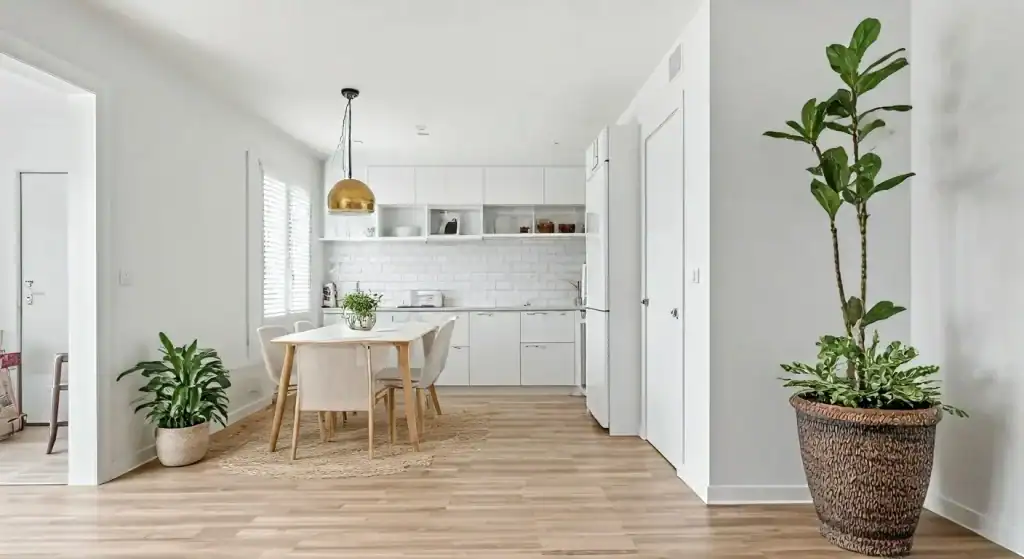
How Clutter Affects Buyer Perception
Have you ever walked into a room and immediately felt a little stressed or closed-in? That’s what clutter can do to a potential buyer.
- It Prevents Visualization: When buyers see your family photos on the wall and your kid’s art on the fridge, they see your life, not theirs. It makes it harder for them to mentally move their own furniture and family into the space.
- It Suggests a Lack of Storage: An overstuffed closet screams, “There’s not enough room here!” Even if the closet is huge, filling it to the brim gives the impression of inadequate storage space.
- It Makes Rooms Feel Smaller: Piles of magazines, crowded countertops, and too much furniture shrink a room visually. Buyers want to see the floor space and the architectural features, not navigate an obstacle course.
Financial Benefits of a Decluttered Home
Taking the time to declutter isn’t just about aesthetics; it’s a smart financial move. The return on investment is significant.
- Higher Sale Price: Real estate agents often suggest that decluttering can boost the final sale price by 3-5%. On a $400,000 home, that’s an extra $12,000 to $20,000.
- Faster Sale: A home that shows well gets more interest and more competitive offers, reducing the time it sits on the market. This saves you money on mortgage payments, taxes, and insurance for a property you’re ready to leave.
- Better Photos and Tours: Amazing real estate photography is non-negotiable today. A decluttered home looks fantastic online, attracting more viewers and leading to more in-person showings.
When to Start Decluttering Before Listing
If I can offer one piece of advice, it’s this: start earlier than you think you need to. The process always takes longer than we imagine. For an average-sized home, I’d recommend starting 2-3 months before you plan to list it. If you know you have a lot to go through, give yourself even more time.
Starting early turns a frantic rush into a manageable project. You can tackle it room by room without burning out. It also gives you time to sort items properly, hold a garage sale, or make thoughtful donations instead of just throwing things in a dumpster at the last minute. This gradual process can be much easier, especially if you need to learn how to start decluttering when overwhelmed.
How to Declutter Your Home for Sale: Creating Your Decluttering Action Plan
Okay, ready to get started? A little prep work makes all the difference. Before you empty a single drawer, set up a system. The goal is to make quick, confident decisions and avoid getting bogged down.
Momentum is your best friend. Put on some music, set a timer for 25-minute sprints, and focus on one small area at a time. This isn’t about making your home perfect overnight; it’s about making consistent progress.

Essential Supplies You’ll Need
Gather your tools before you begin. Having everything on hand means you won’t have to stop mid-flow.
- Boxes: Get a variety of sizes for packing and sorting.
- Heavy-Duty Trash Bags: For things that are truly ready to go.
- Labels and Markers: Label everything. You’ll thank yourself later.
- Storage Bins: Clear plastic bins are great for items going into storage.
- Donation Boxes: Keep these separate and ready to drop off.
- Basic Cleaning Supplies: You’ll want to wipe down shelves and surfaces as you clear them.
The Three-Category Sorting System
This is a classic for a reason. As you pick up each item, make an immediate decision and place it into one of three categories:
- Keep for Staging: These are the essential, neutral items that will stay in the home for showings. Think of your best-looking towels, a simple vase, or a sleek coffee maker.
- Pack/Store: These are items you love and want to take to your new home but don’t need for staging. This includes personal photos, most of your books, seasonal clothing, and extra furniture.
- Donate/Discard: This category is for things you no longer use, need, or love. Be honest with yourself. If an item is broken, stained, or hasn’t been used in over a year, it’s probably time to let it go.
Room-by-Room Decluttering Guide
The best way to tackle a whole house is one room at a time. Start with the high-impact areas that buyers care about most: the kitchen, living room, and primary bedroom. And remember, buyers are curious. They will open closets and cabinets, so organizing the inside is just as important as clearing the outside.
Kitchen Decluttering Essentials
The kitchen can make or break a sale. Buyers want to see a functional, spacious, and clean workspace.
- Clear the Counters: This is rule number one. Remove everything except one or two essential, attractive items, like a nice coffee machine or a bowl of fresh fruit.
- Organize the Pantry and Cabinets: Aim for your cabinets and pantry to look about 50-70% full. This creates a sense of spaciousness. Group like items together and get rid of expired food.
- Empty the Fridge Door: Remove all magnets, photos, and calendars. A clean, clear refrigerator looks modern and well-maintained.
Living Room and Common Areas
This is where buyers will imagine relaxing and entertaining. Your job is to make that easy for them.
- Remove Excess Furniture: Is there a chair that blocks a natural walkway? Too many side tables? Move them out to make the room feel open and easy to navigate.
- Pack Away Personal Items: This means family photos, memorabilia, and collections. You want buyers to see the fireplace, not your vacation snapshots.
- Tidy Up Entertainment Centers: Organize DVDs, games, and cables. Or better yet, pack most of them away.

Bedrooms and Closets
Bedrooms should feel like serene, restful retreats. And closets? They are all about storage potential.
- Master the Closet: The 50% rule is critical here. Pack away all out-of-season clothing and anything you don’t wear regularly. Use matching hangers for a clean, boutique-like feel. This is a simple trick with a huge impact.
- Clear All Surfaces: Nightstands and dressers should be mostly empty. A lamp, a book, and maybe one small decorative item are all you need.
- Go Neutral: Pack away any personal posters or bold, taste-specific artwork. Stick with neutral bedding.
Bathrooms
Think “hotel spa.” Bathrooms should feel impeccably clean and impersonal.
- Wipe the Countertops: Remove everything from the vanity. Put out a nice soap dispenser, a small plant, and perhaps a neatly folded hand towel.
- Hide Toiletries: Organize your medicine cabinet and clear out any personal items. Store daily-use products in a small basket you can easily put away before a showing.
- Display Fresh Towels: Hang a fresh, matching set of neutral-colored towels.
Garage, Basement, and Storage Areas
Don’t neglect these spaces! Buyers are definitely assessing them for storage capacity.
- Get Things Off the Floor: Use shelving or pegboards to organize tools and boxes. The more floor space a buyer can see, the bigger the area will feel.
- Create Zones: Group items logically. A corner for gardening supplies, a section for tools, etc. This shows the space is functional.
- Get Rid of Junk: Be ruthless with broken lawnmowers, old paint cans, and mystery boxes you haven’t opened in a decade.
Outdoor Spaces and Curb Appeal
The first impression happens before a buyer even steps through the door. Good curb appeal is essential.
- Tidy the Yard: Mow the lawn, trim bushes, and pull weeds.
- Declutter the Porch: Remove any dead plants, excessive decorations, or worn-out welcome mats. A simple, inviting seating arrangement is perfect.
- Organize Outdoor Gear: Store hoses, garden tools, and kids’ toys neatly out of sight.
Depersonalizing Your Home for Maximum Appeal
While closely related, depersonalizing is different from decluttering. Decluttering is about removing excess, while depersonalizing is about removing you. It might sound harsh, but it’s the key to letting buyers connect with the property.
Replace family photos with neutral art. Pack away hobby collections, religious items, and sports memorabilia. The goal is to create a beautiful, neutral space where anyone could feel at home. It’s a temporary change that helps make the sale.
Storage Solutions During the Selling Process
So where does all this stuff go? You have a few options:
- Rent a Storage Unit: This is the most common solution. It gets everything completely off-site, ensuring your home (including the garage and basement) looks as spacious as possible.
- Ask Friends or Family: If you have a generous relative with extra garage space, this can be a great free option.
- Consolidate: If you have a large basement or garage that is in good shape, you can neatly stack and cover labeled boxes in one designated area. Just make sure it still looks organized.
Working with Real Estate Agents and Professional Stagers
Don’t be afraid to ask for help! Your real estate agent is a fantastic resource. They see homes through a buyer’s eyes every single day and can provide objective feedback that you might miss. Ask them to do a walk-through and point out specific things that should be packed away.

For some homes, especially vacant ones or those in a competitive market, a professional stager can be a game-changer. They are experts in arranging furniture and decor to highlight a home’s best features.
Common Decluttering Mistakes to Avoid
- Waiting Too Long: Procrastination is the enemy. Start early to avoid stress.
- Hiding Clutter: Don’t just shove things into closets. Buyers will look there.
- Making It Sterile: Depersonalize, but don’t make the house feel empty and cold. A few well-placed, neutral decor items are important.
- Forgetting Outdoor Areas: Curb appeal is your first and last impression.
- Letting It Get Messy Again: Once you’ve decluttered, you have to maintain it.
Maintaining Your Decluttered Home During Showings
Living in a home that’s on the market can be tricky. The key is to have a system for quick tidy-ups.
- The 15-Minute Sweep: Every morning or evening, do a quick run-through. Put away dishes, wipe counters, make beds, and fluff pillows.
- Use Baskets: Have a designated basket for mail, keys, and other daily clutter. You can stash it in a closet before a showing.
- Be Ready to Go: Keep your home in a “show-ready” state as much as possible. It makes last-minute viewing requests much less stressful. Thinking about what you’ll need for your next chapter can also be a great motivator; a solid declutter checklist for moving can keep you focused on the end goal.
Decluttering your home for sale is an act of preparation that pays off in every way. It sets the stage for buyers to fall in love, leads to a better financial outcome, and gives you a huge head start on your own move. It takes work, but it’s an investment in your future.
For more ideas on creating a thoughtful and organized living space, feel free to explore everything we’re doing over at www.notonetype.org.

Có thể bạn quan tâm
How to Declutter Your Home Before Moving (Save Time & Money)
Moving to a new home is an exciting fresh start. But let’s be honest—the process...
Dec
7 Unusual Ways to Declutter Your Home (Beyond Basic Tips)
Decluttering doesn’t have to mean spending entire weekends sorting through every closet or following rigid...
Dec
How to Start Decluttering When Overwhelmed: 13 Simple Strategies That Work
Staring at piles of stuff while feeling frozen about where to begin is a frustrating...
Dec
How to Declutter Your House in One Day: Fast & Easy Guide
Decluttering your entire house in a single day feels like a huge goal, right? I...
Dec
Practical Decluttering Tips for Seniors: A Complete Guide to Downsizing Safely
Decluttering can feel like a huge task, especially when you’ve spent a lifetime gathering memories...
Dec
Decluttering Tips for Hoarders: 10 Easy Steps to Reclaim Your Space
Living with excessive clutter can feel overwhelming, but taking the first step toward a cleaner,...
Dec