

If you’re looking to reduce your caffeine intake or avoid the afternoon crash that comes with coffee, certain foods can naturally boost your energy and alertness. These caffeine-free options provide essential nutrients like B vitamins, iron, and complex carbohydrates that support sustained energy. While many people search for all kinds of foods that keep you awake, the best choices offer steady, lasting energy by stabilizing blood sugar levels, unlike the quick spike and fall from caffeine.
How Caffeine-Free Foods Boost Energy
Natural energy production isn’t about a quick jolt; it’s about providing your body with the right fuel. Your body creates energy primarily by converting food into glucose, which powers your cells. The key is how quickly this conversion happens. Caffeine acts as a central nervous system stimulant, which provides a temporary feeling of alertness. In contrast, nutrient-dense foods offer a more reliable and crash-free source of energy by supporting your body’s natural metabolism.
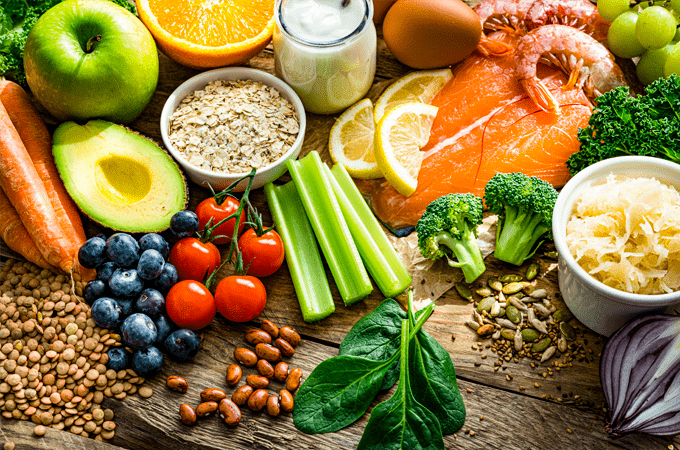
The Role of Complex Carbohydrates
Unlike simple sugars found in candy and soda that cause a rapid spike and crash in blood sugar, complex carbohydrates are digested slowly. Think of them as slow-burning logs for your internal fire. Found in foods like whole grains and vegetables, they are made of long chains of sugar molecules that your body breaks down over time. This process ensures a steady release of glucose into your bloodstream, providing consistent energy for hours.
Essential Vitamins and Minerals for Energy
Certain micronutrients are critical for your body’s energy-making machinery. B vitamins, especially B6 and B12, are famous for their role in helping convert the food you eat into usable cellular energy. Iron is crucial for creating hemoglobin, the protein in red blood cells that carries oxygen from your lungs to the rest of your body. Without enough oxygen, you feel tired and sluggish. Similarly, minerals like potassium and magnesium play essential parts in muscle function and converting glucose into energy.
Top Fruits That Provide Natural Energy
Fruits are nature’s perfect snack for a quick yet sustained energy lift. They contain natural sugars for immediate use, paired with fiber to slow down absorption and prevent a crash. They are also packed with vitamins and water to keep you hydrated and alert.
Bananas
There’s a reason athletes often reach for a banana. They are a fantastic source of potassium, an electrolyte that helps your muscles function correctly and supports energy conversion. Bananas also contain vitamin B6 and a mix of natural sugars and complex carbs. This combination provides a quick boost that smoothly transitions into sustained energy, making them a perfect pre-workout or mid-afternoon snack.
Apples
An apple a day might just keep the drowsiness away. Apples provide about 13 grams of natural sugar for a quick pick-me-up. More importantly, their high fiber content ensures this energy is released slowly and steadily. They also contain boron, a mineral that has been linked to improved mental alertness. The satisfying crunch and hydration they offer are bonuses.
Berries and Dates
Berries like blueberries, strawberries, and raspberries are loaded with antioxidants, which help reduce inflammation—a known contributor to fatigue. Their natural sugars provide a clean energy source. Dates are even more concentrated in natural sugars, delivering a powerful energy boost almost instantly. The fiber in both berries and dates helps moderate this energy release for a smooth experience.
Energizing Vegetables and Leafy Greens
Vegetables, especially the dark, leafy ones, are nutrient powerhouses that directly combat fatigue and improve alertness. They are rich in the very vitamins and minerals your cells need to produce energy efficiently.
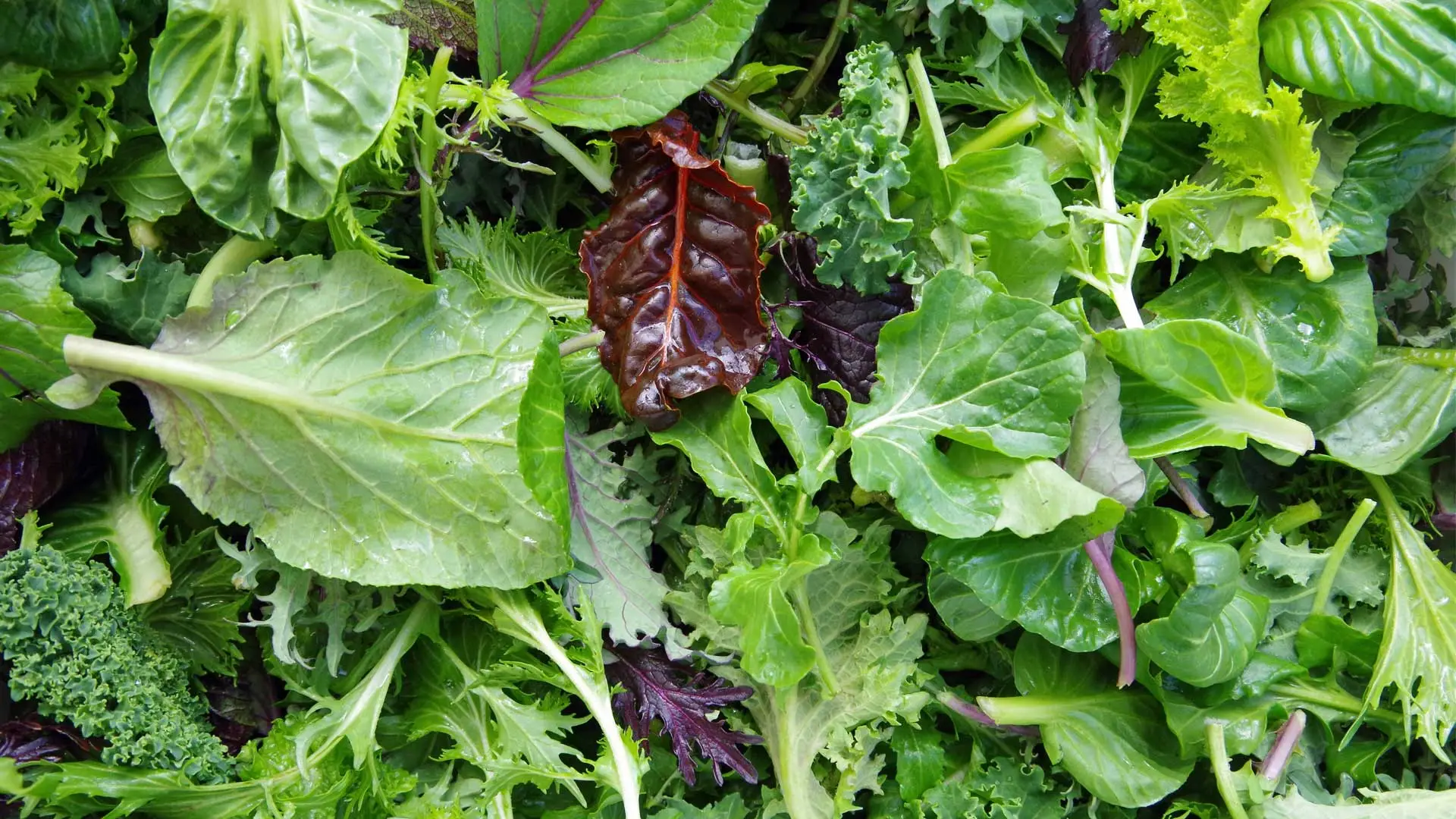
Spinach and Kale
Spinach and kale are packed with iron and potassium, two minerals essential for energy production. Iron deficiency is a leading cause of fatigue, especially for women. These greens also support the production of nitric oxide, which helps improve blood flow, delivering oxygen and nutrients to your brain and muscles more effectively. Tossing them in a smoothie or salad is an easy way to fight off midday sluggishness.
Sweet Potatoes
Sweet potatoes are a prime example of a delicious complex carbohydrate. A medium-sized sweet potato contains around 25 grams of complex carbs and plenty of fiber. This combination ensures a slow, methodical release of energy that can keep you going for hours. They are a far better choice than refined carbs like white bread, which can lead to a quick slump.
Protein-Rich Foods for Sustained Alertness
Protein is vital for keeping you full and maintaining energy. It slows the absorption of carbohydrates, further stabilizing blood sugar levels. It also provides the amino acids your body needs to repair tissues and build neurotransmitters that regulate your mood and focus.
Eggs
Eggs are a complete protein source, meaning they contain all nine essential amino acids. This protein provides sustained energy and helps you feel satisfied, preventing the urge to reach for sugary snacks. Eggs are also rich in B vitamins, which help convert the food you eat into fuel. An egg or two for breakfast can set a stable energy foundation for your entire day.
Nuts and Seeds
Almonds, walnuts, and cashews are excellent sources of protein, healthy fats, and magnesium. Magnesium is involved in over 300 biochemical reactions in the body, including the conversion of glucose into energy. Chia seeds are particularly special, offering a powerful trio of omega-3 fatty acids, protein, and fiber for long-lasting energy and mental clarity.
Beans and Legumes
Beans, lentils, and chickpeas offer a triple threat against fatigue: blood-sugar-stabilizing fiber, muscle-sustaining protein, and slow-burning complex carbs. Their slow-digesting nature makes them perfect for preventing the dreaded afternoon slump. Plus, they are great sources of iron and B vitamins, making them true energy powerhouses.
Whole Grains and Complex Carb Options
Starting your day with whole grains is one of the best ways to ensure steady energy. Their high fiber content prevents the energy spikes and crashes associated with refined breakfast cereals or pastries.
Oatmeal
Oatmeal is the quintessential energy-boosting breakfast. It’s made of complex carbohydrates and soluble fiber, which digests slowly and keeps you feeling full. This prevents a post-breakfast energy dip and helps you stay focused until lunch. For an extra boost, top your oatmeal with berries and a sprinkle of nuts.
Whole Grain Alternatives
If oatmeal isn’t your thing, other whole grains like quinoa, brown rice, and whole-wheat bread offer similar benefits. They provide a steady stream of glucose to your brain and body, supporting consistent energy levels and preventing mental fog throughout the day.
Healthy Fats for Lasting Energy
Healthy fats are an incredibly dense and efficient source of energy. Your body can convert them to fuel, and they help you feel full and satisfied, which is key to avoiding low-energy slumps.

Avocados
Avocados are loaded with healthy monounsaturated fats that your body can easily use for energy. They are also packed with B vitamins that help turn the carbohydrates you eat into glucose. Adding avocado to your meals provides a creamy, delicious source of lasting energy.
Dark Chocolate and Cacao
Good news for chocolate lovers! Raw cacao and dark chocolate (70% or higher) contain compounds that can boost energy. Theobromine is a mild stimulant that provides a smoother, less jittery lift than caffeine. Cacao also contains phenylethylamine (PEA), a compound that can support mood and energy levels, offering a gentle and sustained boost.
Hydration and Caffeine-Free Beverages
Sometimes, the reason you feel tired is simply that you’re dehydrated. Before reaching for a snack, try drinking a glass of water. Proper hydration is one of the most fundamental yet overlooked components of maintaining high energy levels.
Water and Lemon Water
Dehydration is a primary cause of fatigue and brain fog. Even mild dehydration can impair concentration and make you feel drowsy. Keeping a water bottle handy throughout the day is a simple but powerful habit. For an extra boost, add a slice of lemon. The vitamin C can help reduce feelings of fatigue, and the fresh scent can be invigorating.
Herbal Teas and Natural Alternatives
If you miss the ritual of a warm drink, several caffeine-free options can help. Peppermint tea is naturally stimulating and can improve focus and alertness. For those seeking something more potent, maca and ginseng are traditional remedies known for their anti-fatigue properties. Of course, if you’re looking for the opposite effect to wind down at night, there are plenty of relaxing drinks to help you sleep as well.
When and How to Eat for Optimal Energy
What you eat is important, but how and when you eat can make a significant difference in your daily energy levels. Strategic meal timing and food combinations can help you avoid slumps and maintain vitality all day long.
Building Energy-Boosting Meals
For sustained energy, aim to combine the three macronutrients—complex carbs, lean protein, and healthy fats—in every meal. For example, a great energy-boosting lunch could be a large salad with spinach (carbs), grilled chicken (protein), avocado (fat), and a sprinkle of seeds (fat/protein). This combination ensures a slow, steady release of energy that will carry you through the afternoon.
Timing Your Food Intake
Eating small, regular meals every 3-4 hours can help maintain stable blood sugar and energy levels. This prevents the extreme hunger that might lead you to grab a sugary, low-nutrient snack. Save quick-energy foods like a piece of fruit for right before physical activity, and focus on balanced meals for the rest of the day. Understanding which foods to eat when is key—just as important as knowing the worst foods to eat before bed for preserving good sleep and next-day energy.
Conclusion: Fueling Your Day, Naturally
Switching from caffeine to food-based energy is about working with your body, not against it. By choosing whole foods rich in complex carbs, protein, and essential nutrients, you can build a foundation for stable, lasting energy without the jitters or crashes. It’s a sustainable approach to feeling alert and vibrant every day. While a morning coffee is a cherished ritual for many, it’s empowering to know you have an arsenal of delicious foods to power you through. Just as there are foods for energy, there are also specific foods that help you sleep, creating a holistic cycle of rest and activity.
At www.notonetype.org, we believe in small, sustainable changes for a healthier life. Explore our other articles to find more tips on wellness and personal development.

Có thể bạn quan tâm
Healthy Eating on the Go: Simple Strategies for Busy Lifestyles
Maintaining nutritious eating habits while managing a hectic schedule can feel overwhelming, but healthy eating...
Dec
Healthy Snack Ideas for On the Go: Easy Portable Options for Busy Lifestyles
Finding nutritious snacks that travel well can transform your daily routine and help you maintain...
Dec
How to Build Sustainable Eating Habits: A Guide to Healthier Living and a Greener Planet
Sustainable eating habits involve choosing foods that support both personal health and environmental wellbeing. It’s about...
Dec
Healthy Grocery List: Complete Guide + Printable Template
Creating a healthy grocery list is one of the most effective first steps you can...
Dec
Healthy Grocery List for 2: Complete Guide to Smart Shopping and Meal Planning
Shopping for two people requires a strategic approach to avoid waste while maintaining a healthy...
Dec
How to Stock a Pantry: Your Complete Guide to Essential Kitchen Staples
A well-stocked pantry is the heart of a happy, efficient kitchen. It’s your secret weapon...
Dec