

Decluttering can feel like a huge task, especially when you’ve spent a lifetime gathering memories and belongings. But I’ve learned that it’s one of the most loving things we can do for ourselves or our older family members. It’s about creating a safer, more comfortable space to live. Whether you’re preparing to downsize, moving to a new community, or just want to make your current home safer, the right approach changes everything. This guide offers practical, kind strategies to help you tackle decluttering one small step at a time, making it feel less like a chore and more like a fresh start. These are some great decluttering tips for beginners that can help anyone get started.
Why Does Decluttering Matter for Seniors?
It’s about so much more than just having a tidy house. For seniors, a clutter-free environment is directly linked to safety and well-being. Think about it: fewer things on the floor mean fewer tripping hazards. The National Council on Aging reports that falls are the leading cause of fatal and non-fatal injuries for older Americans. Clearing pathways is a simple, effective way to improve mobility and reduce that risk.
Beyond the physical benefits, there’s a mental boost, too. Living in a chaotic space can feel stressful and draining. Research has shown that a decluttered environment can lead to better focus and reduced anxiety. It makes daily routines simpler and allows you to enjoy your home without the weight of managing so much stuff. For family members and caregivers, a tidy home makes it easier to provide support and help with daily tasks.

Getting Started: How to Plan Your Decluttering Journey
The key to avoiding that overwhelmed feeling is to start with a simple plan. Don’t just jump in and start pulling everything out of a closet. Taking a few moments to think through the process will save you a lot of energy and frustration down the road. This is especially true if you’re wondering how to start decluttering when overwhelmed; a good plan is your best friend.
Create a Realistic Timeline
This isn’t a race. Be gentle with yourself. If you have a deadline, like an upcoming move, start weeks or even months in advance. I recommend scheduling short decluttering sessions—maybe just 60 to 90 minutes at a time, a few times a week. Working for short bursts prevents physical and emotional fatigue. You’ll be surprised how much you can accomplish over time without feeling burned out.
Decide Who Should Help
Decluttering can be an emotional process, and having support makes a world of difference. Involving family can be a wonderful way to share stories and decide together where cherished items should go. However, sometimes an objective perspective is helpful. Professional senior move managers or organizers are trained to provide non-judgmental, efficient support. They can manage the logistics and help you make decisions without the emotional baggage that can sometimes come with family dynamics.
The Best Decluttering Methods for Seniors
To make decisions easier, it helps to have a system. Instead of looking at a pile and feeling lost, these simple methods give you a clear framework to follow. It’s all about breaking down choices into manageable categories.
The Four-Box Sorting System
This is my favorite method because of its simplicity. Get four boxes and label them clearly: Keep, Donate, Sell, and Trash/Recycle.
- Keep: For items you use regularly, truly love, or hold significant value.
- Donate: For things in good condition that someone else could use.
- Sell: For valuable items you no longer need but are worth the effort to sell.
- Trash/Recycle: For anything broken, expired, or unusable.
As you pick up each item, decide which of the four boxes it belongs in. No second-guessing. This clear process helps you move steadily without getting stuck on any one item for too long.

The 90-Day Test for Uncertain Items
What about those things you’re not quite ready to let go of? For these, the 90-day test is perfect. Put these uncertain items in a box, seal it, and write the date on it. Store it somewhere out of the way, like a garage or closet. If you don’t need or even think about anything in that box for the next 90 days, it’s a strong sign you can live without it. This gives you emotional space to part with things later.
Room-by-Room Decluttering Strategy
Trying to declutter an entire house at once is a recipe for burnout. The most effective approach is to focus on one room—or even just one small area of a room—at a time. Each completed space gives you a wonderful sense of accomplishment and the motivation to keep going. A simple declutter checklist can help you track your progress room by room.
Starting with High-Traffic Areas
I always suggest starting where you’ll feel the biggest impact. Begin with the kitchen, living room, or bedroom. Clearing these spaces will immediately improve your daily life and safety. Imagine walking freely through your living room or easily finding what you need in the kitchen. Seeing these immediate benefits makes it much easier to tackle the more challenging areas later.
Tackling Storage Spaces and Closets
Basements, garages, and closets often become homes for forgotten things. When you get to these areas, be systematic. Pull things out into the open, sort through them using the four-box method, and be honest about what you really need. Getting rid of duplicates is a great place to start. Organize what’s left in clear, labeled bins so you can easily find things in the future.

What to Declutter First: Common Problem Areas
Certain items tend to pile up over the years. Targeting these categories first can make a big difference in both space and safety.
Remove Hazardous Items for Safety
Your safety is the top priority. Before you do anything else, walk through your home and remove these common hazards:
- Loose rugs or worn-out carpets that could cause a fall.
- Expired medications and old pantry items.
- Wobbly or broken furniture.
- Tangled cords from unused electronics.
- Anything left on floors or stairs.
Removing these items provides an immediate safety boost.
Eliminate Duplicate Items
Most of us have duplicates we don’t need. Look through your kitchen for extra mugs and utensils, your office for too many scissors, and your linen closet for worn-out towels. Pick your favorite or the one in the best condition and let the rest go. You’ll still have everything you need, just without the excess clutter.
Handle Sentimental Items with Care
This is often the hardest part. It’s difficult when you know how to declutter when you want to keep everything. Remember, you are not getting rid of the memory, just the physical object. Try these ideas:
- Take photos: A picture of a sentimental item can preserve the memory without taking up space.
- Go digital: Scan old photos, letters, and important documents to save them on a computer.
- Pass them on: Give cherished items to family members who will appreciate their history.
- Create a memory box: Keep only your most treasured keepsakes in one special box.
Smart Storage and Organization Solutions
Once you’ve decluttered, smart organization is key to keeping your home tidy. The goal is to make things easy to find and access, especially if you have mobility challenges.
Use Clear Bins and Labels
Transparent storage containers are a game-changer. You can see what’s inside without having to pull down and open every box. Use a marker to write a clear, bold label on the front of each one. Stackable options are great for maximizing vertical space in closets.
Keep Frequently Used Items Accessible
Organize your spaces with accessibility in mind. Store items you use every day—like your favorite mug or daily medications—at waist or counter height. This simple change means less bending down and reaching up, which reduces physical strain and the risk of a fall. Aging in place becomes much more manageable when your environment works for you.
Safety Considerations During Decluttering
As you clear out the clutter, take the opportunity to make your home even safer. A decluttered space is the perfect canvas for adding important safety features.
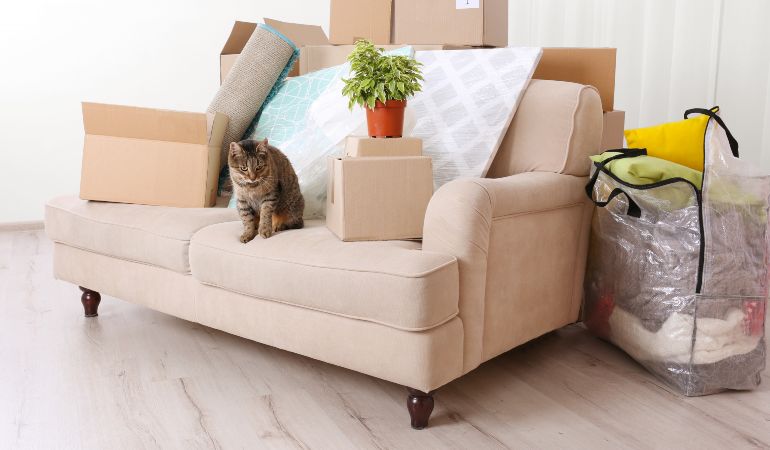
Clear Walkways and Remove Trip Hazards
Ensure all hallways, stairs, and paths through rooms are completely clear. Tuck electrical cords behind furniture or secure them along baseboards. If you have throw rugs, make sure they have a non-slip backing or consider removing them entirely. Good lighting is also essential for preventing falls.
Install Safety Features as You Declutter
With newly cleared walls and floors, it’s the perfect time to add safety equipment. Install grab bars in the shower and next to the toilet. Ensure sturdy handrails are on both sides of any staircase. Placing non-slip mats in the bathroom and kitchen can also provide extra stability.
Maintaining a Clutter-Free Home Long-Term
You’ve done the hard work, and now it’s about maintaining that peaceful, organized space. A few simple habits can prevent clutter from creeping back in.
Establish a Regular Maintenance Routine
Set aside a little time each month to do a quick tidying session. You could decide to tackle one small area—like a drawer or a cabinet—each week. Also, try the “one in, one out” rule. Whenever you bring a new item into your home, let an old one go.
Create a System for Incoming Items
Mail, newspapers, and packages can quickly create clutter. Designate one spot, like a basket by the door, for all incoming items. Make it a daily habit to sort through it—recycle junk mail, file important papers, and put new items away immediately.
Decluttering as a senior isn’t just about cleaning up; it’s an act of care that enhances your safety, peace of mind, and overall quality of life. It allows you to enjoy your home and your memories without being weighed down by possessions. Take it one day at a time, and remember that every small step makes a big difference. For more guidance on creating a home you love, feel free to explore other articles here at www.notonetype.org, including our comprehensive guide on how to declutter your home.

Có thể bạn quan tâm
How to Declutter Your Home Before Moving (Save Time & Money)
Moving to a new home is an exciting fresh start. But let’s be honest—the process...
Dec
How to Declutter Your Home for Sale: A Complete Guide to Attracting Buyers
Selling your home is a huge step, and let’s be honest, the thought of sorting...
Dec
7 Unusual Ways to Declutter Your Home (Beyond Basic Tips)
Decluttering doesn’t have to mean spending entire weekends sorting through every closet or following rigid...
Dec
How to Start Decluttering When Overwhelmed: 13 Simple Strategies That Work
Staring at piles of stuff while feeling frozen about where to begin is a frustrating...
Dec
How to Declutter Your House in One Day: Fast & Easy Guide
Decluttering your entire house in a single day feels like a huge goal, right? I...
Dec
Decluttering Tips for Hoarders: 10 Easy Steps to Reclaim Your Space
Living with excessive clutter can feel overwhelming, but taking the first step toward a cleaner,...
Dec