
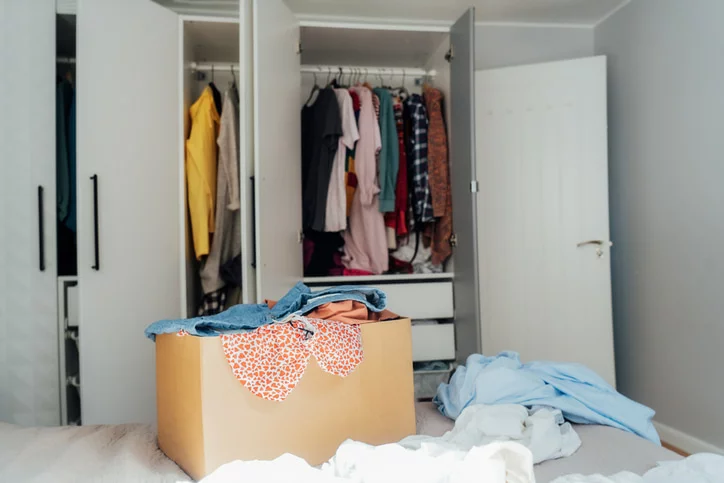
Starting your decluttering journey can feel like standing at the bottom of a mountain, especially when you look at years of accumulated stuff. The good news is that it doesn’t require perfection or a drastic lifestyle change—it just needs a simple plan and consistent small steps. If you’re wondering how to start decluttering when overwhelmed, you’re in the right place. This beginner-friendly guide breaks down practical strategies that work for real life, from a simple sorting method to room-by-room approaches that prevent burnout and actually stick.
The Golden Rules of Decluttering for Beginners
Before you empty a single drawer, it helps to have a few guiding principles. Think of these as your decluttering foundation—they make decisions easier and the results last longer. A great framework is Andrew Mellen’s “organizational triangle,” which suggests everything should have one home, similar items should live together, and you should always put things back where they belong.

The Three-Pile Sorting System Explained
This is the most straightforward method to get started. When you tackle an area, create three distinct piles or boxes:
- Keep: These are items you use regularly, truly love, or are essential. If you’re familiar with the KonMari method, this is the stuff that “sparks joy.” Be honest with yourself. Does this item serve a purpose in your life right now?
- Donate/Sell: These are items in good condition that you no longer need but someone else could use. Think clothes that don’t fit, books you’ve already read, or kitchen gadgets you never use.
- Trash/Recycle: This pile is for anything broken, expired, or unusable. Don’t be afraid to let go of things that have served their purpose.
If you get stuck, ask yourself: “If I were shopping right now, would I buy this?” The answer is often very telling.
One In, One Out: Preventing Future Clutter
Once you’ve done the hard work of decluttering, the goal is to keep it that way. The one-in-one-out rule is your best friend for maintenance. It’s simple: for every new item that comes into your home, a similar item must leave.
Buying a new pair of jeans? An old pair goes in the donation box. Get a new coffee mug? An old one you don’t love gets passed on. This habit makes you a more mindful shopper and stops clutter from creeping back in.
How to Start Decluttering Without Feeling Overwhelmed
The biggest hurdle for most beginners isn’t the physical work; it’s the mental paralysis. Looking at an entire cluttered room can make you want to give up before you even start. The secret is to ignore the big picture and focus on one tiny piece.
Start with the obvious trash—old magazines, junk mail, empty bottles. This gives you quick wins and builds momentum. Then, pick a small, contained area and set a timer. Consistency is far more important than speed. Following a structured plan, like downloading a simple declutter checklist, can also provide a clear roadmap.
Start Small: Best Areas for Beginners
Choose a spot that you can finish in 30 minutes or less. The immediate satisfaction will motivate you to continue. Great starting points include:
- A junk drawer
- Your nightstand
- The medicine cabinet
- One shelf in your pantry
- Your purse or wallet
- The car’s glove compartment
Setting Realistic Time Goals
Don’t expect to declutter your entire house in one weekend. That’s a recipe for burnout. Instead, schedule short, focused sessions into your week. This is a marathon, not a sprint.
Here’s a sample breakdown to show how manageable it can be:
| Area | Estimated Time |
| Junk Drawer | 20 minutes |
| Kitchen Counter | 15 minutes |
| One Closet Section | 1 hour |
| Paperwork Pile | 45 minutes |
Room-by-Room Decluttering Guide
When figuring out how to declutter your home, tackling it one room at a time makes the process feel finite and shows visible progress. Once you finish a room, you can enjoy that calm space while you gather energy for the next one.
Kitchen Decluttering Essentials
The kitchen is often the heart of the home, but it can also be a clutter hotspot.
- Check expiration dates: Go through your pantry and fridge. Toss anything that’s expired.
- Eliminate duplicates: Do you really need three can openers or four whisks? Keep the best one and donate the rest.
- Clear the counters: Your countertops are for daily prep, not storage. Find a home for appliances you don’t use every day.
- Use clear containers: Storing dry goods like pasta and flour in clear containers lets you see what you have at a glance.
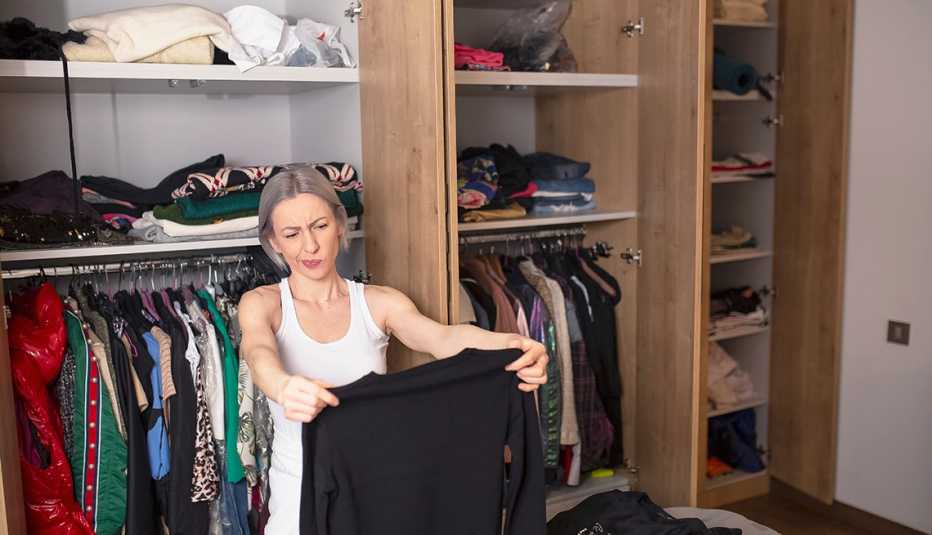
Closet and Wardrobe Cleanout
Your closet should be a place of calm, not chaos.
- Sort by category: Pull everything out and group it—all shirts together, all pants together.
- Apply the one-year rule: If you haven’t worn something in the last 12 months, it’s probably time to let it go.
- Keep everyday wear accessible: The clothes you wear most often should be front and center.
- Store seasonal items: Put bulky winter coats and sweaters in storage during the summer to free up space.
Bedroom and Personal Spaces
Your bedroom should be a sanctuary for rest.
- Clear the nightstand: Keep only the essentials: a lamp, a book, and maybe a glass of water.
- Organize under the bed: This is a great spot for storage, but use labeled bins to keep it organized, not just a dumping ground.
- Handle sentimental items: This can be the hardest part. You don’t have to throw everything away. Designate one “memory box” with a firm size limit. For larger items, consider taking a photo to preserve the memory without keeping the physical object. This is a core challenge, and it can be helpful to explore techniques for learning how to declutter when you want to keep everything.
Creating a Decluttering Schedule That Works
To make decluttering a habit, integrate it into your regular routine. Break down larger projects into manageable weekly tasks and put them on your calendar like any other appointment.
Sample Weekly Schedule:
- Monday: Sort through the junk drawer (15 mins)
- Wednesday: Tidy the bathroom cabinet (20 mins)
- Saturday: Declutter one section of your closet (1 hour)
Finishing one small task feels much better than having five half-finished projects scattered around your home.
Storage Solutions and Organization Systems
After you’ve decided what to keep, giving every item a designated home is key. But you don’t need to buy expensive, complicated systems.
- Use what you have: Shoeboxes can be great drawer dividers. Glass jars can hold small items.
- Label everything: When you put things in bins, especially opaque ones, a simple label saves you from having to pull everything out to find what you need.
- Think vertically: Use shelving to take advantage of vertical space on walls and inside cabinets.
- Keep a donation box handy: Have a designated box in a closet or garage. When you come across something you no longer need, toss it in. When the box is full, drop it off.
Building Habits to Stay Clutter-Free Long-Term
Decluttering isn’t a one-time project; it’s the start of a new set of habits. The goal is to create systems that prevent clutter from building up again. This connects to the lifestyle of minimalism, which prioritizes experiences over possessions. Thinking about the future and what you leave behind is also a core idea in Swedish Death Cleaning.
The 5-Minute Daily Reset
This tiny habit can make a huge difference. Before you go to bed, set a timer for five minutes and do a quick tidy-up.
- Put the pillows back on the sofa.
- Wipe down the kitchen counters.
- Hang up the jacket you threw on a chair.
- Put your shoes by the door.
This simple reset keeps clutter at bay and lets you wake up to a calmer, more organized space.
Mindful Shopping to Prevent New Clutter
The most effective way to stay clutter-free is to stop clutter at the source. Before you buy something new, ask yourself a few questions:
- Do I truly need this, or do I just want it?
- Where is it going to live in my home?
- Do I have something similar already?
Try implementing a 24-hour waiting period for non-essential purchases. Often, the impulse will pass, and you’ll realize you didn’t need the item after all.
Your Decluttered Home Awaits
Getting started is the hardest part. Remember to be kind to yourself, celebrate small victories, and focus on progress, not perfection. By building these simple habits, you’re not just cleaning your space—you’re creating a more peaceful and intentional life. For more ideas and support on your wellness journey, feel free to explore more resources here at www.notonetype.org.

Có thể bạn quan tâm
How to Declutter Your Home Before Moving (Save Time & Money)
Moving to a new home is an exciting fresh start. But let’s be honest—the process...
Dec
How to Declutter Your Home for Sale: A Complete Guide to Attracting Buyers
Selling your home is a huge step, and let’s be honest, the thought of sorting...
Dec
7 Unusual Ways to Declutter Your Home (Beyond Basic Tips)
Decluttering doesn’t have to mean spending entire weekends sorting through every closet or following rigid...
Dec
How to Start Decluttering When Overwhelmed: 13 Simple Strategies That Work
Staring at piles of stuff while feeling frozen about where to begin is a frustrating...
Dec
How to Declutter Your House in One Day: Fast & Easy Guide
Decluttering your entire house in a single day feels like a huge goal, right? I...
Dec
Practical Decluttering Tips for Seniors: A Complete Guide to Downsizing Safely
Decluttering can feel like a huge task, especially when you’ve spent a lifetime gathering memories...
Dec