
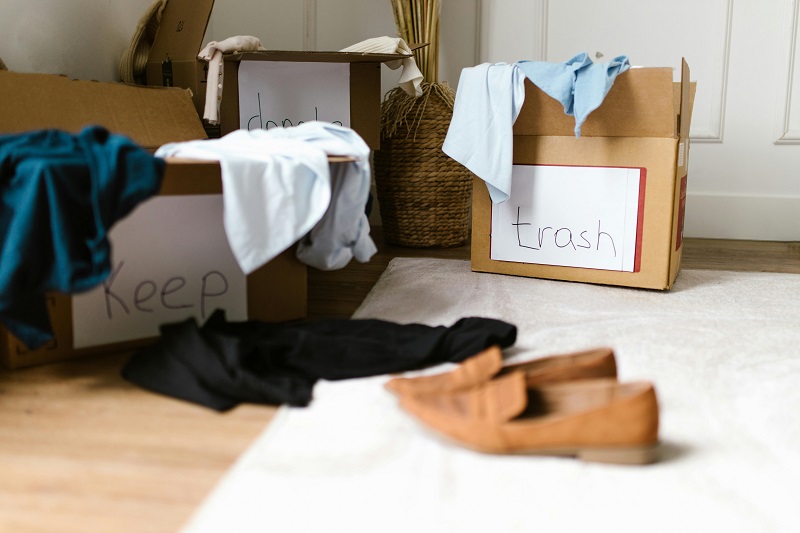
A declutter checklist takes the guesswork out of how to declutter your home by giving you a clear roadmap for what to keep, donate, or toss. Whether you’re preparing for a move, trying to create more breathing room, or just tired of tripping over stuff you never use, a systematic approach makes the process less overwhelming and more rewarding. This guide walks you through every room in your home with specific items to declutter, proven methods to stay on track, and practical tips to maintain your newly organized space. If you’re feeling stuck, our guide on how to start decluttering when overwhelmed can be a great first step.
How to Prepare Before You Start Decluttering
Before you empty a single drawer, a little prep work can make all the difference. Think of it as gathering your tools before starting a project. You’ll want some sturdy boxes, trash bags, and markers for labeling.
Set a realistic goal. You don’t have to conquer the whole house in one weekend. Maybe your goal is to clear one countertop or spend just 20 minutes a day. I always suggest starting small—like that one junk drawer—to get a quick win. It builds momentum. Put on your favorite playlist, schedule the time in your calendar, and try to get into a positive mindset. This isn’t about punishment; it’s about creating a space you love.
The Four-Box Method Explained
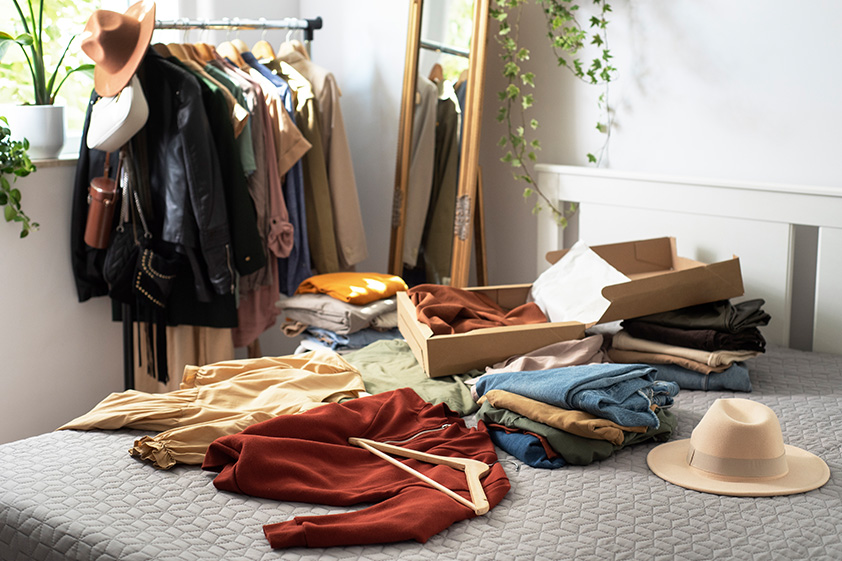
This is my go-to method because it’s so straightforward. You just need four boxes (or bins, or even just designated piles on the floor) and label them:
- Keep: These are items you love, use regularly, and truly need. They go back into their designated home, but in an organized way.
- Donate: Items that are in good condition but you no longer need. Someone else could get great use out of them.
- Sell: Things that have some value and you’re willing to put in the effort to list online or take to a consignment shop.
- Toss/Recycle: This is for anything broken, expired, or unusable. Be honest with yourself here.
As you pick up each item, make a quick decision and place it in one of the four boxes. The key is to avoid creating a “maybe” pile that just gets moved around.
Setting Realistic Decluttering Goals
The all-or-nothing approach often leads to burnout. Instead, aim for consistency. A 15-minute session every day is more effective than a frantic 8-hour marathon once a year.
Consider these approaches:
- By Area: Focus on one small, defined space at a time, like a single shelf or a nightstand.
- By Time: Set a timer for 20 or 30 minutes and stop when it goes off. You’ll be surprised how much you can get done.
- By Item Count: Decide you’re going to get rid of 10 things today. It’s a simple, measurable goal.
The point is to make progress, not to achieve perfection overnight. Celebrate the small victories.
Complete Room-by-Room Declutter Checklist
Here’s the core of the process—an actionable guide to work through your home. Don’t feel like you have to get rid of everything on this list. It’s a guide to help you spot the common clutter culprits in your own space. Adapt it to what you own and how you live.

Kitchen Declutter Checklist
The kitchen is often the heart of the home, which means it can quickly become the clutter hub.
- Expired food, herbs, and spices in the pantry and fridge
- Duplicate utensils (how many spatulas do you really need?)
- Mismatched food containers and lids
- Worn-out dish towels and sponges
- Small appliances you haven’t used in the last year
- Excess mugs and water bottles
- Old takeout menus and soy sauce packets
- Chipped or cracked dishes and glasses
- Cookbooks you never open
- Unused gadgets (egg slicer, anyone?)
- Near-empty bottles of condiments
- Old grocery lists and receipts
- Promotional magnets on the fridge
- Flower vases you never use
- Single-use plastic cutlery
- Discolored cutting boards
- Rusty baking pans
- Mostly-empty boxes of tea
- Water filter cartridges for a pitcher you no longer own
- Random junk drawer items: old batteries, rubber bands, pens that don’t work
Bedroom and Closet Declutter Checklist
Your bedroom should be a sanctuary, not a storage unit.
- Clothes that don’t fit or you haven’t worn in a year
- Mismatched or single socks
- Underwear or bras that are worn out
- Old, threadbare sheets, pillows, and blankets
- Broken or bent clothes hangers
- Shoes that are uncomfortable or damaged
- Outdated formal wear (that bridesmaid dress from 2012)
- Old journals or notebooks you’ve finished with
- Worn-out belts and accessories
- Empty or excess gift bags and shoeboxes
- Items stored under the bed that you forgot about
- Old magazines on the nightstand
- Jewelry that’s broken or you never wear
- Unused decorative pillows
- Old phone cases
- Scarves you haven’t worn in seasons
- Receipts and tags from old purchases
- Any clothes you kept “just in case” but the case never came
- Excess tote bags
- Cords and chargers for devices you no longer have
- Half-burned candles
Bathroom Declutter Checklist
Bathrooms are small spaces that can accumulate clutter quickly. By applying principles from a zero waste challenge, like reusing containers or responsibly disposing of products, you maintain a cleaner, more sustainable space.
- Expired medications (check for local take-back programs)
- Expired makeup and skincare
- Old, scratchy towels and washcloths
- Dried-up or clumpy nail polish
- Unused sample-sized toiletries from hotels
- Old makeup you haven’t used in six months
- Broken hairbrushes and combs
- Worn-out loofahs or bath sponges
- Expired sunscreen
- Half-used chapsticks and lip balms
- Nearly empty product bottles you were trying to finish
- Old toothbrushes (you should replace them every 3-4 months)
- Dull razors or razor cartridges
- Hair accessories you no longer use
- Stretched-out hair ties
Living Room Declutter Checklist
This shared space can accumulate clutter from everyone in the household.
- Old magazines and newspapers
- Broken or unused toys
- Outdated media like DVDs, CDs, and old video games
- Remote controls for devices you no longer own
- Decor that no longer fits your style
- Flat, limp throw pillows and blankets
- Books you’ve read and won’t read again
- Dead or dying houseplants
- Candles with very little wax left
- Unused items in your entertainment center
- Coasters you never use
- Puzzles or games with missing pieces
- Old greeting cards
- Knick-knacks that just collect dust
- Extra cables and cords that don’t have a clear purpose
Entryway and Hallway Declutter Checklist
The entryway sets the tone for your home. Keeping it clear makes a huge difference.
- Excess shoes that can be stored elsewhere
- Old coats and outerwear that are never worn
- Broken umbrellas
- Unused bags, purses, and backpacks
- Keys that you can’t identify
- Piled-up mail, flyers, and catalogs
- Worn-out outdoor gear (hats, gloves)
- Shopping bags you’ve been meaning to return
- Old mail that’s already been opened and dealt with
- Pet accessories that are broken or unused
Closets and Storage Spaces Checklist
These are the black holes of clutter. Be brave.
- Dried-out pens, markers, and highlighters
- Manuals and paperwork for items you no longer own
- Games or puzzles with missing pieces
- A tangled mess of mystery chargers and cables
- Seasonal decor you haven’t used for more than a year
- Empty boxes for electronics you decided to keep
- Old board games the family has outgrown
- Unused keychains and lanyards
- Business cards from years ago
- Conference freebies and swag
- Old party supplies
- Craft supplies for a hobby you abandoned
- “Just in case” items that have been waiting for years
- Old paint cans
- Expired batteries
Garage and Outdoor Spaces Checklist
Garages often become the final resting place for items that don’t have a home.
- Cracked or broken planters and pots
- Unused exercise equipment
- Old or rusty gardening tools
- Expired pesticides, fertilizers, or chemicals (check for safe disposal methods)
- Duplicate hand tools
- Sports equipment for a sport no one plays anymore
- Broken outdoor furniture or lawn ornaments
- Old tires
- Scrap wood or metal
- Kids’ outdoor toys that have been outgrown or broken
Simple Decluttering Methods That Actually Work
Beyond the four-box system, other methods can help you stay motivated. Finding the right one is about matching the strategy to your personality. Some helpful decluttering tips for beginners can also guide you.

- The KonMari Method: Popularized by Marie Kondo, this method encourages you to keep only the items that “spark joy.” It’s great for people who are guided by emotion and want to create a home filled with things they love.
- The One-In-One-Out Rule: To maintain a clutter-free space, every time you bring a new item into your home, a similar item must leave. This is perfect for preventing future clutter.
- The Minimalism Game: You and a friend get rid of one item on the first day of the month, two on the second, three on the third, and so on. It gamifies the process and is great for competitive people.
- Swedish Death Cleaning: This sounds morbid, but it’s incredibly practical. It’s the process of getting rid of excess things so your loved ones won’t have to do it for you. You start with large, easy items and work your way toward more sentimental things.
What to Do With Your Decluttered Items
The job isn’t done until the clutter is out of your house. Don’t let donation bags sit in your car for weeks!
- Donate: Goodwill, The Salvation Army, and local shelters are great options for clothes, books, and household goods in good condition. Check with animal shelters for old towels and blankets.
- Sell: Use Facebook Marketplace, Poshmark, or Mercari for clothing and home goods. A good old-fashioned garage sale works too if you have a lot of items.
- Recycle: Electronics can be taken to e-waste recycling centers. Check with your local waste management service for guidelines on plastics, metals, and paper.
- Dispose of Safely: Never throw expired medications in the trash. Many pharmacies have take-back programs. For hazardous waste like old paint and chemicals, look for a local hazardous waste disposal facility.
How to Maintain Your Clutter-Free Home
Decluttering isn’t a one-time fix; it’s about building new habits. The goal is to create systems that prevent clutter from accumulating again. Be mindful of what you bring into your home and create a designated spot for everything you own.
Daily Habits to Prevent Clutter
Small, consistent actions make a huge impact.
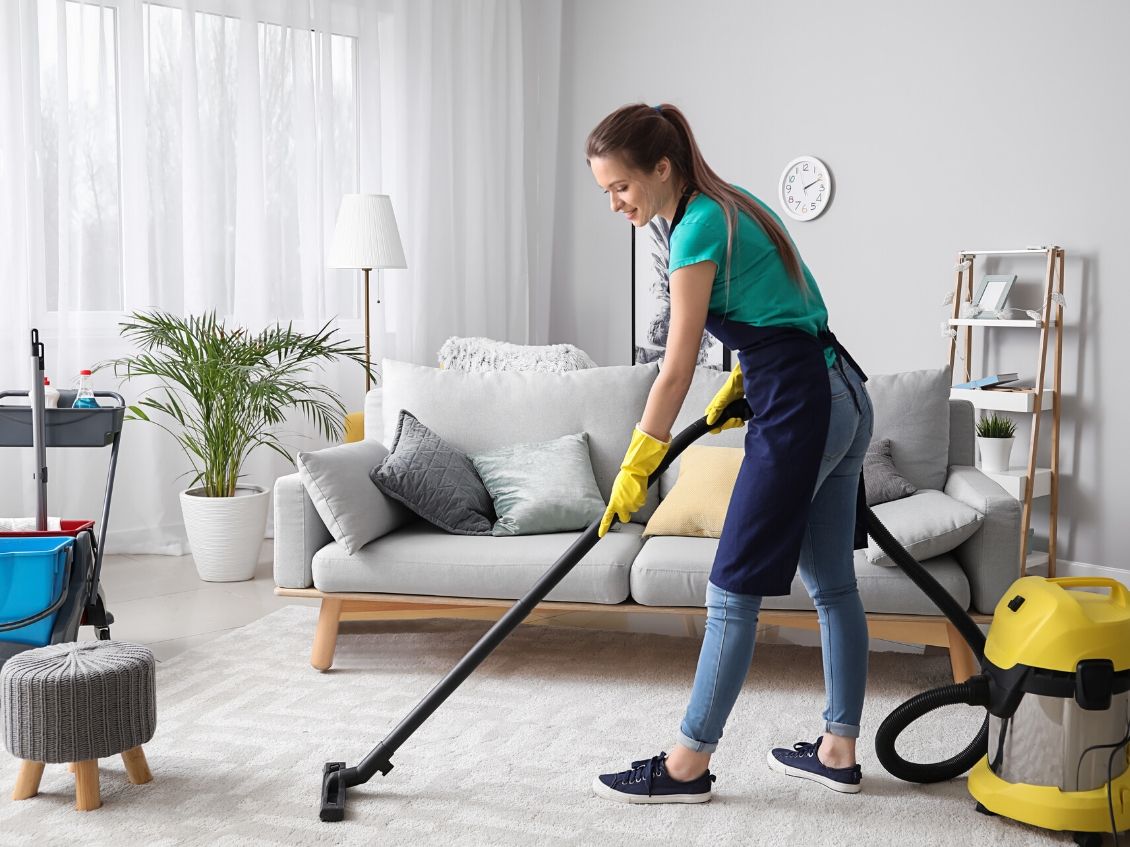
- 5-Minute Tidy: Before bed, take five minutes to put things back where they belong.
- Sort Mail Immediately: Open your mail near the recycling bin and immediately toss junk.
- One-Touch Rule: When you pick something up, put it away. Don’t just move it to another surface.
- Clear Surfaces: Wipe down kitchen counters and your dining table after every use.
- Make Your Bed: It’s a small win that sets a positive tone for the entire day.
Seasonal Decluttering Schedule
Ongoing maintenance is much easier than a massive overhaul.
- Spring: As you deep clean, do a full home review. Pay special attention to the garage and outdoor spaces.
- Summer: Before back-to-school season, sort through kids’ clothes, toys, and school supplies.
- Fall: As you switch your closet from summer to winter clothes, get rid of any items you didn’t wear.
- Winter: Before the holidays, clear out space for new gifts by decluttering toys, books, and storage areas.
Common Decluttering Challenges and Solutions
It’s normal to get stuck. Here are a few common hurdles and how to get over them.
- Emotional Attachment: It can be hard to let go of sentimental items. If you struggle with this, our guide on how to declutter when you want to keep everything has some great advice. A good trick is to take a photo of the item to preserve the memory without keeping the physical object.
- Decision Fatigue: Making hundreds of small decisions is exhausting. When you feel drained, take a break. Work in short bursts and come back to it later.
- Fear of Regret: Worried you’ll need something as soon as you get rid of it? Create a “maybe” box. Seal it, date it, and store it for 3-6 months. If you haven’t needed anything inside by then, donate the whole box without opening it.
- Dealing with Other People’s Clutter: You can only control your own stuff. Focus on decluttering shared spaces together and lead by example. Respect their belongings and their process.
Printable Declutter Checklist Resources
Sometimes, a physical checklist you can hold and check off is the most satisfying tool. A printable PDF lets you see your progress in real-time. You can tape it to the fridge or carry it with you from room to room. It makes the whole process feel more like a manageable project and less like an endless chore.
Final Thoughts
A declutter checklist is more than just a list of things to get rid of—it’s a tool to help you reclaim your space and create a home that supports you. Start small, be consistent, and don’t aim for perfection. The goal is progress. Every item you clear is a step toward a calmer, more organized life.
For more wellness and mindful living tips, feel free to explore more on our site, www.notonetype.org.

Có thể bạn quan tâm
How to Declutter Your Home Before Moving (Save Time & Money)
Moving to a new home is an exciting fresh start. But let’s be honest—the process...
Dec
How to Declutter Your Home for Sale: A Complete Guide to Attracting Buyers
Selling your home is a huge step, and let’s be honest, the thought of sorting...
Dec
7 Unusual Ways to Declutter Your Home (Beyond Basic Tips)
Decluttering doesn’t have to mean spending entire weekends sorting through every closet or following rigid...
Dec
How to Start Decluttering When Overwhelmed: 13 Simple Strategies That Work
Staring at piles of stuff while feeling frozen about where to begin is a frustrating...
Dec
How to Declutter Your House in One Day: Fast & Easy Guide
Decluttering your entire house in a single day feels like a huge goal, right? I...
Dec
Practical Decluttering Tips for Seniors: A Complete Guide to Downsizing Safely
Decluttering can feel like a huge task, especially when you’ve spent a lifetime gathering memories...
Dec