
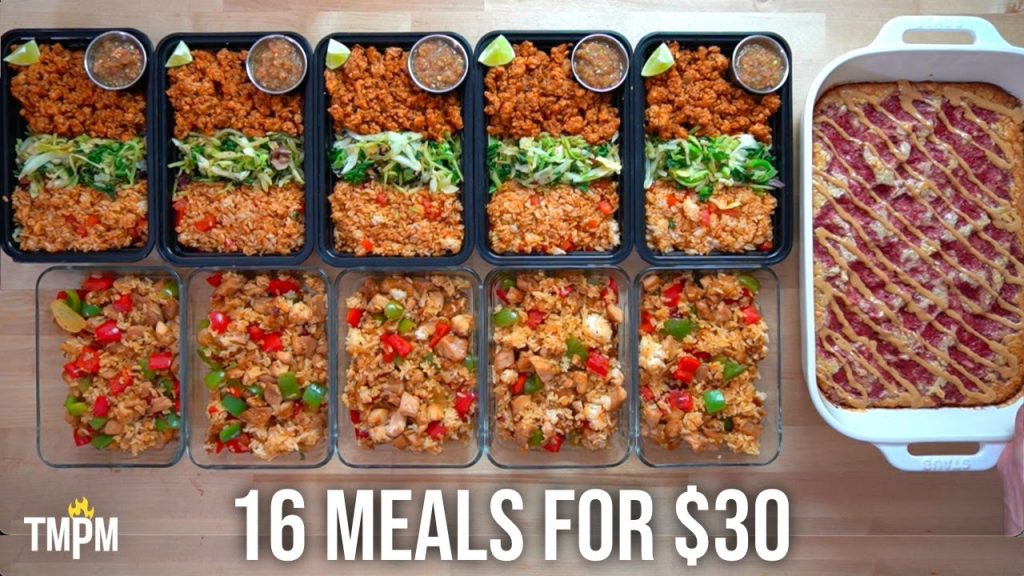
$3,900 annually while helping you eat healthier, reduce food waste, and eliminate the stress of daily cooking decisions. By planning meals around affordable pantry staples like rice, beans, eggs, and seasonal vegetables, you can create satisfying dishes for under$ 4 per serving compared to $20 for restaurant meals. This comprehensive guide covers everything from selecting budget-friendly ingredients and containers to building a sustainable weekly routine that fits your lifestyle. For those with a packed schedule, learning how to implement meal prep for busy people is the first step to saving both time and money.
What Is Cheap Meal Prep and How Much Money Can It Save You?
Cheap meal prep is simply the practice of preparing some or all of your meals in advance using affordable ingredients. Instead of scrambling to figure out dinner every night, you invest a couple of hours once a week to cook in batches. This approach dramatically cuts down on daily cooking time and, more importantly, your expenses.
Let’s talk numbers. The average restaurant meal can easily cost $20, while a home-prepped meal often comes in around $4 per serving. If you replace just one restaurant meal five days a week, you could save over $3,900 a year. This practice tackles spending on multiple fronts: it minimizes food waste by ensuring every ingredient has a purpose, stops you from making impulse buys at the grocery store, and cuts out those expensive, last-minute takeout orders.

The Real Cost Breakdown: Meal Prep vs. Eating Out
When you plan your meals, your grocery trips become incredibly efficient. A typical week of prepped lunches might cost you around $20. In contrast, buying lunch out every day could set you back$ 95 or more for the same five meals. That’s a difference of $75 every single week.
These savings come from two key areas: smart bulk buying and reducing food waste. When you have a plan, you buy exactly what you need. No more sad, forgotten vegetables wilting in the back of your fridge. Real people have shared their success stories, cutting their weekly food budgets from over $100 down to just$ 40 by consistently prepping their meals.
Hidden Benefits Beyond Money Savings
While the financial perks are huge, the other benefits are just as compelling.
- Time Savings: Imagine getting back an hour every day during your busy week. That’s what batch cooking can do.
- Reduced Stress: You eliminate the daily “what’s for dinner?” debate. This frees up mental energy for other things.
- Better Nutrition: You control the ingredients, making it easier to eat healthy, manage portion control, and hit your health goals.
- Lower Utility Bills: Using your oven or stove once for a big batch is more energy-efficient than firing it up every single day.
- Less Food Waste: A well-executed meal plan means you use what you buy, which is better for your wallet and the planet.
Essential Budget-Friendly Ingredients for Cheap Meal Prep
Building a successful meal prep routine starts with a well-stocked kitchen filled with cost-effective, versatile ingredients. You don’t need fancy, expensive items to eat well. Here are the staples that give you the most nutritional bang for your buck.
- Affordable Proteins: Eggs ($0.25/serving), dried lentils ($0.15/serving), chicken thighs ($1.00/serving), and canned tuna ($0.75/serving) are your best friends.
- Budget-Friendly Carbs: Rolled oats, brown rice, whole wheat pasta, quinoa, and sweet potatoes provide sustained energy without breaking the bank.
- Economical Vegetables: Frozen vegetables are often cheaper and just as nutritious as fresh. Cabbage, carrots, onions, and other seasonal produce are also great low-cost options.
Cheapest Protein Sources That Don’t Sacrifice Quality
You need protein to feel full and build muscle, but it’s often the most expensive part of a meal. Here are some of the most economical choices:
- Eggs: Incredibly versatile for any meal of the day.
- Dried Lentils & Beans: A powerhouse of protein and fiber. Cook a large batch from dry to save even more.
- Canned Tuna: Perfect for quick salads and sandwiches.
- Chicken Thighs: More flavorful and cheaper than chicken breasts. Buy family packs and freeze portions.
- Ground Turkey: A lean and affordable alternative to ground beef.
- Tofu: A fantastic plant-based option for stir-fries and scrambles.
- Greek Yogurt & Cottage Cheese: Great for breakfasts and snacks.
Pantry Staples Every Budget Meal Prepper Needs
Your pantry is the foundation of cheap meal prep. Keeping these items on hand allows you to whip up a variety of meals without a last-minute trip to the store.
- Whole Grains: Brown rice, quinoa, oats, and whole wheat pasta.
- Dried & Canned Legumes: Black beans, chickpeas, and lentils.
- Canned Tomatoes: Diced, crushed, or whole—perfect for sauces and soups.
- Oils, Vinegars & Spices: Olive oil, apple cider vinegar, salt, pepper, garlic powder, and paprika can flavor almost anything.
- Condiments: Soy sauce, mustard, and hot sauce for adding a final touch.
20 Cheap Meal Prep Recipes Under $4 Per Serving
Here are some simple, delicious, and budget-friendly recipe ideas to get you started. These recipes are designed for variety and prove that eating on a budget doesn’t have to be boring.
Budget Breakfast Meal Prep Ideas
Start your day off right with a breakfast that’s ready to go. For more morning inspiration, check out these healthy breakfast meal prep ideas.
- Peanut Butter Oat Pots: (Approx. $0.75/serving) Rolled oats, peanut butter, chia seeds, and milk or water. Mix and store in jars.
- Egg & Veggie Muffins: (Approx. $1.00/serving) Whisked eggs with chopped spinach, bell peppers, and onions, baked in a muffin tin.
- Freezer Breakfast Burritos: (Approx. $1.50/serving) Scrambled eggs, black beans, and a sprinkle of cheese rolled into a whole wheat tortilla.
Affordable Lunch and Dinner Meal Prep Recipes
These meals hold up well in the fridge and are just as good on day three as they are on day one. You can find more healthy lunch meal prep recipes on our site to keep your menu exciting.
- Lentil Soup: (Approx. $1.50/serving) A hearty soup made with dried lentils, carrots, celery, and canned tomatoes.
- Black Bean & Quinoa Bowls: (Approx. $2.50/serving) Cooked quinoa topped with black beans, corn, and a simple lime dressing.
- Sheet Pan Chicken Fajitas: (Approx. $3.50/serving) Sliced chicken thighs and bell peppers roasted on a single pan with fajita seasoning.
- Big-Batch Bolognese: (Approx. $3.00/serving) A rich meat or lentil sauce that can be served with pasta, zucchini noodles, or potatoes.
High-Protein Cheap Meal Prep Options
If you’re focused on fitness goals, these protein-packed meals will support you without straining your budget.
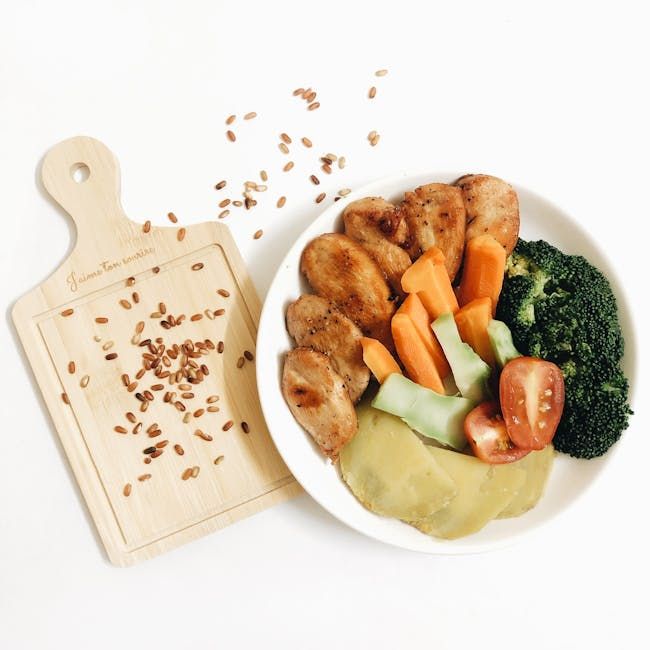
- Chicken & Rice Bowls: (Approx. $3.00/serving) Diced chicken thighs, brown rice, and a side of steamed broccoli. (Protein: ~35g)
- Tuna Salad Jars: (Approx. $2.00/serving) Layers of Greek yogurt dressing, chickpeas, veggies, and canned tuna. (Protein: ~30g)
- Ground Turkey Lettuce Wraps: (Approx. $3.75/serving) Seasoned ground turkey served with crisp lettuce cups. (Protein: ~40g)
Smart Shopping Strategies for Cheap Meal Prep
How you shop is just as important as what you cook. A strategic approach to grocery shopping can cut your bill significantly.
- Make a List and Stick to It: Plan your meals for the week and create a detailed grocery list. This prevents impulse buys.
- Shop Store Brands: Generic or store-brand products are often identical to name-brand ones but cost much less.
- Buy in Bulk (Wisely): Purchase non-perishable pantry staples like rice, oats, and beans in bulk for a lower unit pricing.
- Embrace Seasonal & Frozen Produce: Buy fruits and vegetables that are in season, as they are cheaper and taste better. Don’t forget the frozen aisle—it’s a goldmine for affordable produce.
- Use Digital Coupons: Most grocery stores have apps with digital coupons that are easy to clip and use.
Best Budget Grocery Stores and When to Shop
Where you shop matters. Stores like Aldi, Trader Joe’s, and the store brands at Walmart (Great Value) and Target (Good & Gather) are known for their low prices. Discount stores can also be great for finding deals on pantry items. Try shopping mid-week, as that’s when many stores apply markdowns to produce and other perishable items.
Buying in Bulk vs. Regular Shopping: What Actually Saves Money
Bulk buying is a great strategy for items you use frequently and that have a long shelf life—think grains, dried beans, cooking oils, and frozen goods. However, avoid buying perishable items in bulk unless you have a clear plan to use them before they spoil. Always check the unit price to confirm you’re actually getting a deal. Sometimes, the smaller package on sale is the better value.
Weekly Cheap Meal Prep Planning: Step-by-Step Guide for Beginners
Feeling overwhelmed? Don’t be. Here’s a simple, step-by-step process to get you started.
- Pick Your Prep Day: Choose a day when you have 2-3 free hours, like a Sunday afternoon.
- Start Small: Don’t try to prep every meal for the entire week. Begin with just lunches for 3-4 days.
- Choose Your Recipes: Select 1-2 simple recipes with overlapping ingredients to minimize costs.
- Shop Your Kitchen First: Check your pantry, fridge, and freezer before making your grocery list.
- Go Shopping: Take your list and stick to it.
- Prep & Cook: Dedicate a block of time to batch cooking. Cook your grains, roast your veggies, and prepare your proteins.
- Assemble & Store: Portion everything into your containers. Let the food cool completely before sealing and placing it in the fridge.
How to Build Your First Budget Meal Prep Plan
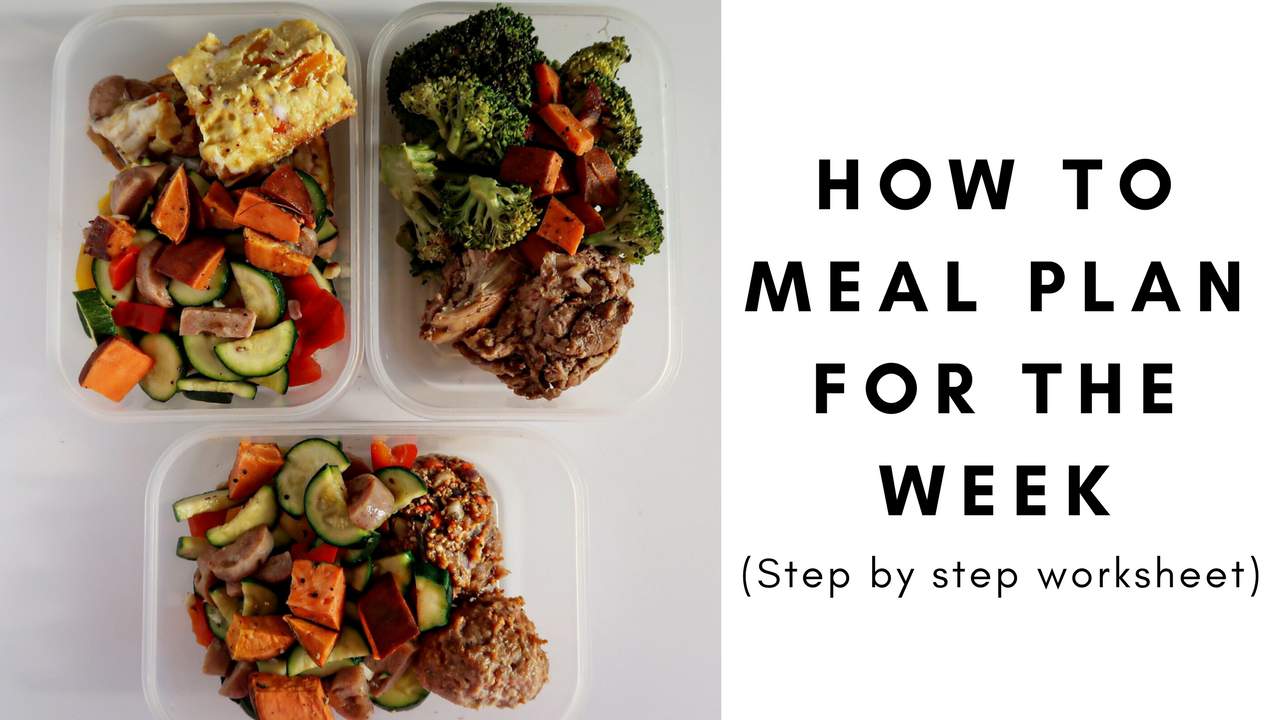
For your very first prep, keep it simple. Choose a grain (rice), a protein (chicken thighs), and a vegetable (broccoli). Cook a large batch of each. For the first three days, you can have chicken, rice, and broccoli. You can vary the sauce or seasonings each day to keep it interesting. Another easy trick is to double your dinner recipe and pack the leftovers for the next day’s lunch.
Proper Storage and How Long Meal Prep Lasts
Food safety is crucial. Always let your food cool down before putting it in the fridge to prevent bacteria from growing. A general rule of thumb is that most cooked meals will last 3-5 days in an airtight container in the refrigerator (kept at or below 40°F or 4°C).
- Label Everything: Use a marker or tape to write the dish name and the date you made it on each container.
- Freeze for Later: Many meals, like soups, chilis, and burritos, freeze beautifully for up to 3 months, giving you even more flexibility.
Meal Prep Tips to Stretch Your Budget Even Further
Once you’ve got the basics down, you can incorporate these strategies to save even more.
- Go Meatless: Incorporate one or two meatless meals per week using beans or lentils to cut costs significantly.
- DIY Staples: Make your own granola, salad dressings, and sauces. It’s cheaper and healthier than store-bought versions.
- Use Your Scraps: Save vegetable scraps (onion peels, carrot ends) in a bag in the freezer. Once it’s full, you can make a free, flavorful vegetable broth.
- Grow Your Own Herbs: A small pot of basil or mint on your windowsill can save you money on fresh herbs.
Reducing Food Waste Through Strategic Meal Prep
Meal prep is one of the most effective tools for food waste reduction. By planning ahead, you buy only what you need. When you see your lettuce is about to wilt, you can make a big salad for dinner. When your bananas get too ripe, you can freeze them for smoothies. It forces you to be mindful of your inventory and use everything up, practicing mindful eating principles, and also allows you to choose ingredients that improve mood throughout the week.
Making Cheap Meal Prep Work for Special Diets
Whether you’re vegetarian, gluten-free, or keto, you can absolutely meal prep on a budget. The principles are the same: focus on whole, unprocessed foods.
- Vegetarian/Vegan: Your diet is already budget-friendly! Beans, lentils, tofu, and seasonal vegetables are your core ingredients.
- Gluten-Free: Stick to naturally gluten-free grains like rice and quinoa. Many GF products are expensive, so focus on whole foods instead.
- Keto/High-Protein: Center your meals around affordable proteins like eggs, chicken thighs, and ground turkey. Use low-cost, low-carb vegetables like cabbage, broccoli, and spinach.
Getting started with meal prep doesn’t have to be complicated or expensive. It’s a skill that builds over time, and every small step you take will lead to big savings and a healthier lifestyle. Embrace the process, start simple, and enjoy the freedom that comes with a well-prepped week. For a broader look at what’s possible, explore our complete guide to Healthy Meal Prep Ideas. At www.notonetype.org, we believe in making wellness accessible for everyone.

Có thể bạn quan tâm
Healthy Eating on the Go: Simple Strategies for Busy Lifestyles
Maintaining nutritious eating habits while managing a hectic schedule can feel overwhelming, but healthy eating...
Dec
Healthy Snack Ideas for On the Go: Easy Portable Options for Busy Lifestyles
Finding nutritious snacks that travel well can transform your daily routine and help you maintain...
Dec
How to Build Sustainable Eating Habits: A Guide to Healthier Living and a Greener Planet
Sustainable eating habits involve choosing foods that support both personal health and environmental wellbeing. It’s about...
Dec
Healthy Grocery List: Complete Guide + Printable Template
Creating a healthy grocery list is one of the most effective first steps you can...
Dec
Healthy Grocery List for 2: Complete Guide to Smart Shopping and Meal Planning
Shopping for two people requires a strategic approach to avoid waste while maintaining a healthy...
Dec
How to Stock a Pantry: Your Complete Guide to Essential Kitchen Staples
A well-stocked pantry is the heart of a happy, efficient kitchen. It’s your secret weapon...
Dec