
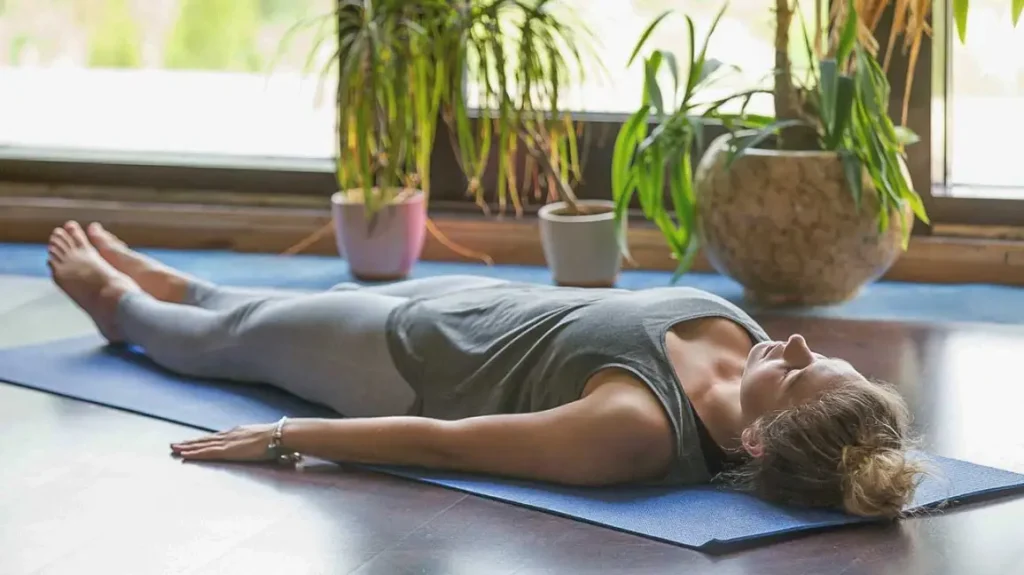
Let’s clear this up right away: you absolutely can meditate lying down. If you’ve ever felt like you’re “doing it wrong” by not sitting cross-legged on a cushion, I’m here to tell you to let that idea go. Lying down is a completely valid way to practice, and for some of us, it’s a total game-changer. While sitting is common, lying down has its own unique benefits for relaxation, pain relief, and simply making the practice more accessible. For a deeper look into the fundamentals, you might find our guide on what is meditation helpful. The real key is learning when this position serves you best and how to stay present without drifting off to dreamland.
Understanding Lying Down Meditation
So, what exactly is it? Simply put, it’s the practice of mindfulness while in a supine position. There’s a common misconception that true meditation has to involve a rigid, seated posture. But that’s just one piece of the puzzle. The goal is to cultivate awareness, and you can do that in various positions. The traditional yoga term for this practice is Savasana (Corpse Pose), which is often used at the end of a yoga class to integrate the benefits of the practice. It highlights that the state of your mind is far more important than the exact position of your body.
The Four Meditation Postures
Mindfulness traditions, including Buddhism, actually recognize four primary postures for meditation. Each one has a different feel and purpose:
- Sitting: This is the most common posture because it helps create a balance between relaxation and alertness.
- Lying Down: Ideal for deep relaxation, body scanning, and for those who find sitting physically uncomfortable.
- Standing: A powerful way to cultivate presence and groundedness in everyday situations.
- Walking: Walking meditation brings awareness to movement and the connection between your body and the earth.
Why Position Matters for Your Practice
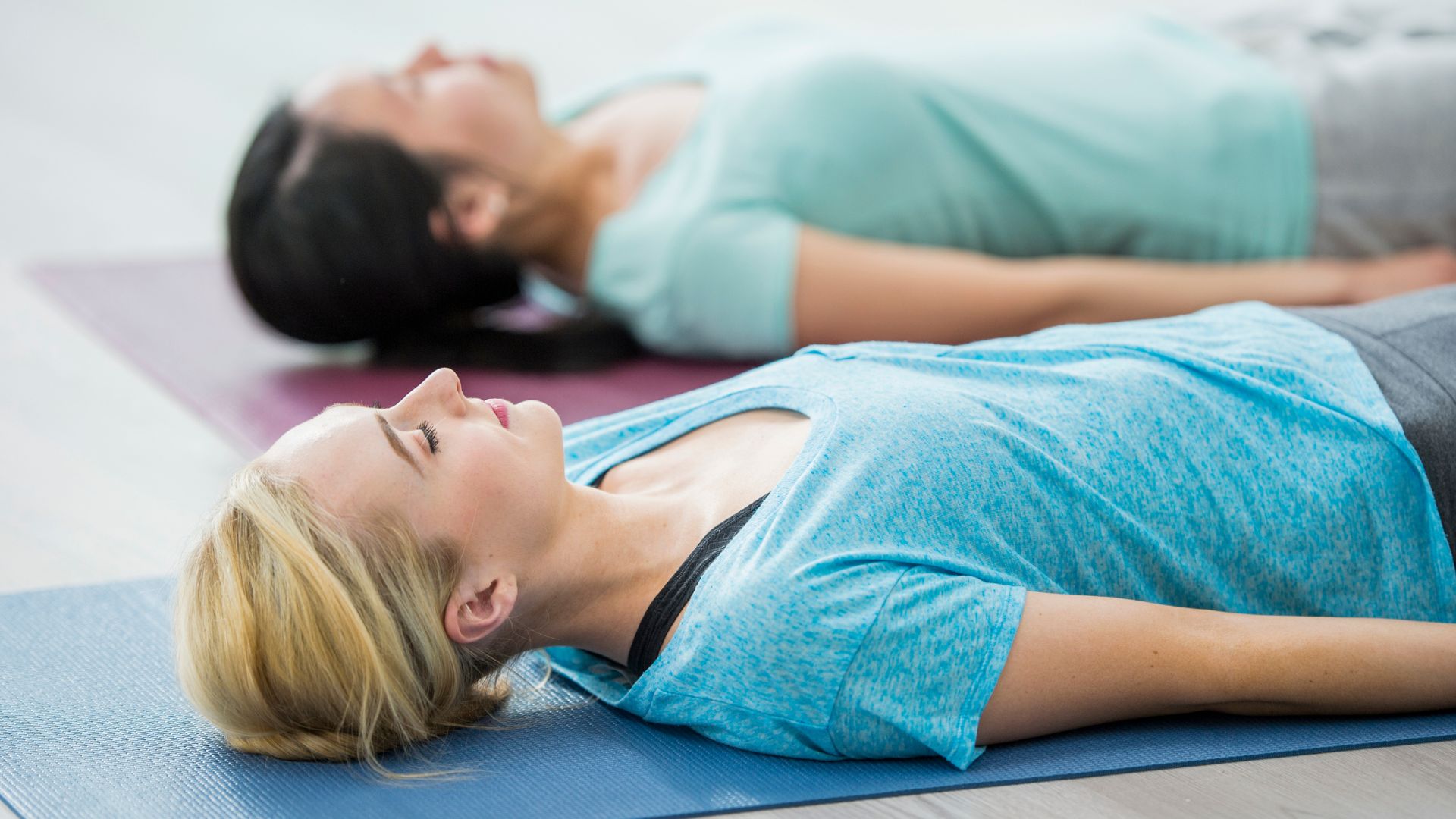
Your physical posture directly influences your mental state. Think about it—when you’re slouched over, you might feel tired or disengaged. When you’re lying down, your body gets a clear signal to relax and let go. This can be amazing for unwinding, but it can also be a challenge if your goal is sharp focus. The right position supports your intention, whether that’s deep rest or heightened concentration. It’s all about finding what works for your body and your mind at that moment.
Benefits of Meditating Lying Down
I first turned to lying down meditation when I was dealing with some lower back pain. Sitting for even ten minutes felt like a chore. Shifting to my back was a revelation. It not only removed the distraction of pain but also allowed me to sink into a much deeper state of calm.
Comfort and Physical Accessibility
This is the biggest and most obvious benefit. Lying down removes the strain on your back, hips, and knees. It makes meditation possible for people with chronic pain, mobility issues, or those recovering from an injury. When your body isn’t screaming at you, your mind is free to focus on the actual meditation. You can practice for longer without discomfort pulling you out of the zone.
Better Spine Alignment and Breathing
When you lie on a flat, supportive surface, your spine can rest in a neutral position. This naturally opens up your chest and allows your diaphragm to move freely. You’ll find that your breath becomes deeper and more effortless, which is a cornerstone of many meditation practices. This improved diaphragmatic breathing helps calm the nervous system and anchor your awareness.

Deep Relaxation and Stress Relief
The supine position is your body’s universal symbol for “rest.” It triggers a relaxation response that can be incredibly effective for melting away stress. This makes lying down a perfect choice for an evening practice to wind down before bed. If you struggle to shut off your mind at night, a short lying-down session can be a great transition into a peaceful night’s rest, making it a powerful tool for anyone interested in meditation for sleep.
Drawbacks and Challenges of Lying Down Meditation
Alright, let’s be real. There’s one major challenge when you meditate lying down: the irresistible pull of sleep. It’s happened to me more times than I can count, especially when I was just starting out or feeling particularly tired.
The Risk of Falling Asleep
Falling asleep is the number one hurdle. While nodding off just means your body is getting the rest it desperately needs, the goal of meditation is to remain conscious and aware. The line between deep relaxation and sleep can get pretty blurry when you’re horizontal. This is a common struggle, and there are entire discussions around how to not fall asleep during meditation — especially if poor sleep habits have been affecting the quality of your rest.
Maintaining Alertness vs. Relaxation
The art of meditation is finding that sweet spot between being relaxed and staying alert. Sitting naturally provides a bit of physical tension that helps keep you awake. When you lie down, that tension disappears, and the scale can tip heavily toward relaxation—sometimes so much that you lose your mindful focus. If you find yourself constantly drifting into a drowsy state, it might be a sign that a seated posture would be more beneficial for that particular session.
How to Meditate Lying Down Properly
You don’t need much to get started, but a little intention in your setup can make a huge difference. Here’s how I like to create a space that encourages awareness, not just snoozing.
Best Lying Down Position for Meditation
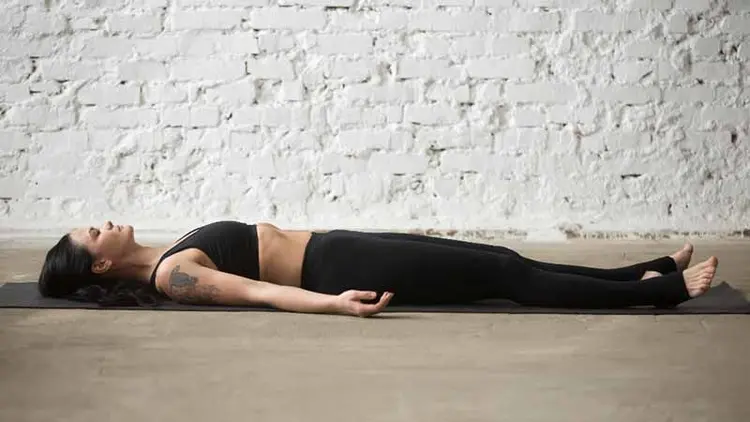
The classic setup is Savasana (Corpse Pose).
- Lie on your back on a firm but comfortable surface like a yoga mat or a rug.
- Place a small, flat pillow under your head to support the natural curve of your neck.
- Consider a rolled-up blanket or bolster under your knees. This is a fantastic trick to release tension in your lower back.
- Let your arms rest comfortably at your sides, a little away from your body, with your palms facing up. This open posture signals receptivity.
- Allow your feet to fall open naturally.
Another option is the Alexander Semi-Supine position, excellent for releasing back tension — useful for those working on physical activities to reduce stress as part of a holistic wellness routine.
An alternative is the Alexander Semi-Supine position, where you lie on your back with your knees bent and feet flat on the floor, about hip-width apart. This can be even better for releasing lower back tension.
Creating the Right Environment
Where you practice matters. While your bed seems inviting, it often sends a strong “sleep” signal to your brain. If you can, try meditating on the floor in your bedroom or another quiet space. This helps create a psychological boundary between rest and mindful practice. Pay attention to the room temperature and maybe dim the lights to create a calm atmosphere without making it pitch black.
Tips for Staying Awake and Alert
- Keep your eyes slightly open: Instead of closing them fully, try maintaining a soft, unfocused gaze toward the ceiling.
- Practice when you’re naturally alert: Trying this right after lunch or late at night might be setting yourself up for a nap. Exploring when is the best time to meditate can help you find your personal sweet spot.
- Set a gentle timer: Knowing an alarm will sound can help keep your mind from completely checking out.
- Engage your mind: Choose a technique that requires active participation, like a body scan or guided practice.
Best Meditation Techniques for Lying Down
Certain styles of meditation are practically made for lying down. They leverage the body’s relaxed state to deepen the practice. Exploring different types of meditation can open up new possibilities for your horizontal practice.
Yoga Nidra (Yogic Sleep)
Don’t let the name fool you. Yoga Nidra is a powerful guided meditation designed to take you to the state of consciousness between waking and sleeping. You are systematically guided through relaxing different parts of your body and mind while remaining fully aware. It’s done exclusively lying down and is one of the most restorative practices out there.
Body Scan Meditation
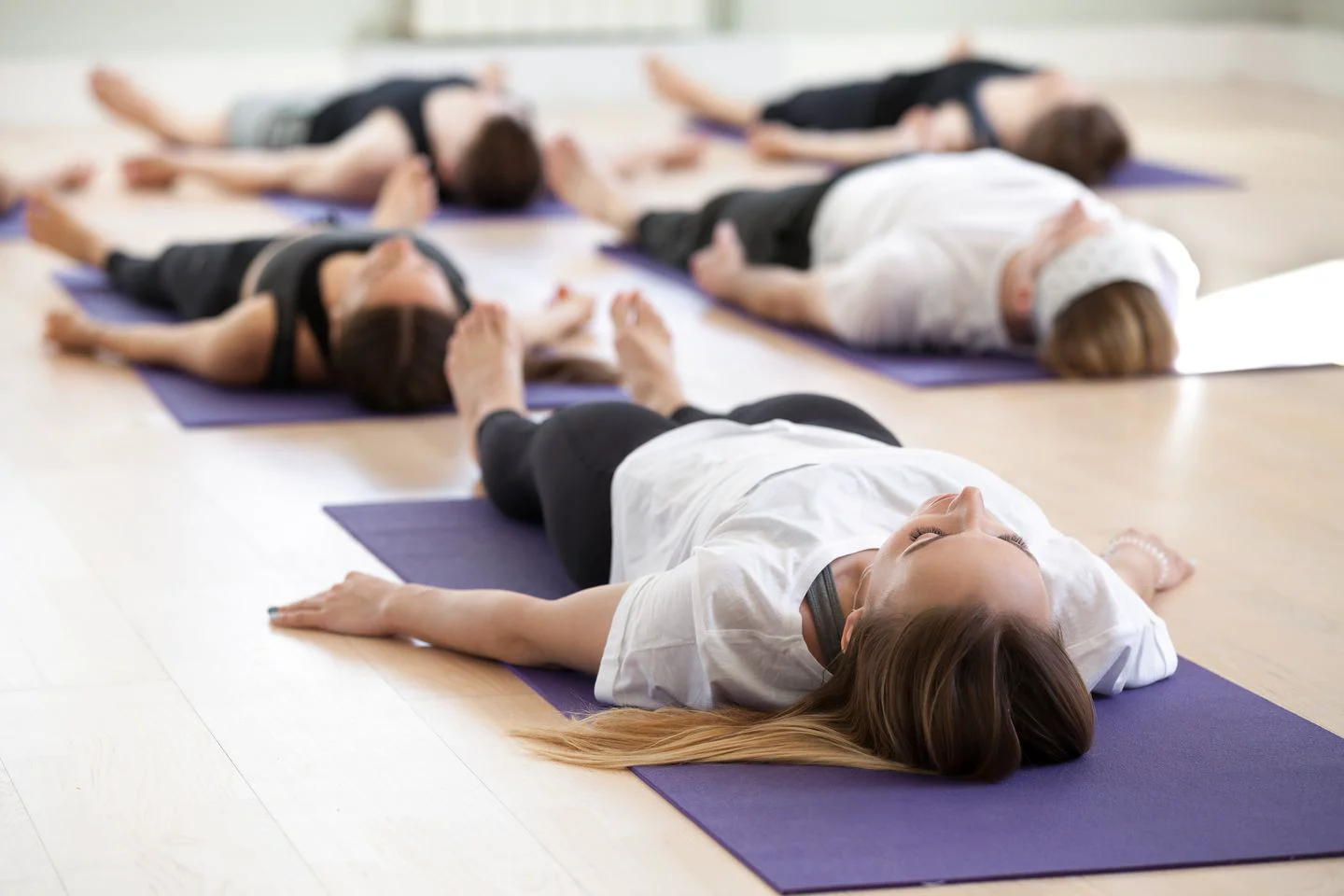
The body scan is a perfect match for lying down meditation. Because your body is fully supported, you can more easily tune into subtle physical sensations. The practice involves bringing gentle, non-judgmental attention to each part of your body, one by one, from your toes all the way to the top of your head. It’s a wonderful way to reconnect with your body and release hidden tension.
Guided Meditation and Mindful Breathing
For many, a guiding voice is the key to staying focused while lying down. A guided meditation for beginners can provide the structure you need to keep your mind from wandering off. Alternatively, a simple focus on the breath is always effective. Lying down, you can really feel the gentle rise and fall of your belly. The practice of meditating on the breath is a simple, powerful anchor to the present moment.
Lying Down vs. Sitting Meditation
So, which one is better? The answer is: neither. They are just different tools for different jobs. The best approach is the one that you’ll actually do consistently.
When to Choose Lying Down
- When you’re dealing with physical pain, injury, or discomfort.
- When your primary goal is deep relaxation or stress reduction.
- As a practice right before you go to sleep.
- When you are practicing specific techniques like Yoga Nidra or a body scan.
- If you’re completely new and finding a comfortable seated position is a barrier.
When to Choose Sitting
- When your main goal is to build concentration and mental focus.
- When you find yourself consistently falling asleep while lying down.
- For your main daily practice, where cultivating alertness is key.
- If you’re interested in more traditional forms of mindfulness practice.
- When you’re able to sit comfortably without pain. We have some tips on how to sit for meditation if you need some guidance.
Can You Switch Between Positions?
Of course! Your meditation practice should serve you, not the other way around. Be flexible. Some days, your body might crave a seated, energizing session. Other days, especially when you’re feeling sore or overwhelmed, a gentle lying-down practice might be exactly what you need. Listening to your body is a form of mindfulness in itself. There’s no need to be rigid.
Final Thoughts
So, can you meditate lying down? Yes, and you should feel empowered to do so whenever it feels right. It’s a compassionate, accessible, and deeply relaxing way to connect with yourself. Forget the rigid rules and focus on what helps you show up for your practice. The most effective meditation posture is the one you can hold with gentle awareness.
I encourage you to experiment and see what works for you. Try a body scan on the floor this afternoon or a guided practice before bed tonight. You might discover a whole new dimension to your mindfulness journey.
For more wellness insights and tips on living a balanced life, feel free to explore more on our blog at www.notonetype.org.

Có thể bạn quan tâm
Morning Meditation Guide: How to Start Your Day with Mindfulness
Starting your day with morning meditation can completely change your mental clarity, reduce stress, and...
Dec
How to Sit for Meditation: 7 Positions & Posture Guide (2025)
Finding the right way to sit for meditation can feel like the first big hurdle....
Dec
Meditating on the Breath: A Complete Guide to Breath-Focused Meditation
Meditating on the breath is one of the simplest and most accessible forms of what...
Dec
How to Stay Awake During Meditation: Simple Techniques That Work
It’s a familiar story. You settle onto your cushion, ready for a session of peace...
Dec
Can You Meditate With Music? Benefits & How-To Guide
Meditation comes in many forms, and the question of whether you can meditate with music...
Dec
When Is the Best Time to Meditate? Finding Your Ideal Practice Schedule
So, you’re looking to start a meditation practice, or maybe deepen an existing one. That’s...
Dec