

Staring at piles of stuff while feeling frozen about where to begin is a frustrating experience. If you’re feeling this way, know that you aren’t alone. The good news is that decluttering when you’re overwhelmed doesn’t require tackling your entire home at once. You don’t need to spend entire weekends sorting through years of accumulated items. This guide breaks down practical, bite-sized strategies that help you take that crucial first step. You can build momentum and gradually learn how to declutter your home without adding to your stress.
Why Decluttering Feels Overwhelming?
Before we dive into the “how,” let’s take a moment to understand the “why.” It’s completely normal to feel stuck. Acknowledging the reasons behind the overwhelm is the first step to moving past it. This isn’t about willpower; it’s about psychology.
The Connection Between Clutter and Mental Overwhelm
Have you ever walked into a cluttered room and felt your shoulders tense up? There’s a real reason for that. Visual clutter bombards our minds with excessive stimuli, forcing our brains to work overtime. Each item you see is a decision waiting to be made: keep, toss, move, clean? This constant, low-grade decision-making leads to cognitive overload, which can increase feelings of stress and anxiety. Recognizing that your physical space is impacting your mental space is a powerful realization.

Common Mental Blocks That Stop You From Starting
It’s often not the physical stuff that stops us, but the mental hurdles we create. Here are a few common ones:
- Perfectionism: The thought that you must declutter flawlessly or finish the entire house in one go.
- All-or-Nothing Thinking: Believing that if you can’t dedicate a full weekend, there’s no point in starting at all.
- Fear of Making the Wrong Decision: Worrying you might throw away something you’ll need later.
- Emotional Attachment: Many items are tied to memories, people, or past versions of ourselves, making them hard to release.
These feelings are valid, but they don’t have to hold you back.
How to Start Decluttering When Overwhelmed: Shift Your Decluttering Mindset First
The most effective decluttering happens in your mind before it ever happens in your home. Shifting your perspective can make the entire process feel lighter and more achievable.
Stop Adding to the Problem
This might sound obvious, but it’s a critical first step. It’s incredibly difficult to empty a bucket that you’re simultaneously filling. Before you start removing items, put a temporary pause on bringing new things in. This doesn’t have to be forever. Try a 30-day waiting period before making non-essential purchases – similar to a gentle 30 day minimalism challenge that helps you become more intentional with what you bring into your home. Use what you already own. Politely decline freebies that you don’t truly need.
Focus on Progress, Not Perfection
Let’s get one thing straight: an imperfectly decluttered home is infinitely better than a perfectly cluttered one. The goal is progress, not a magazine-worthy photo shoot. Celebrate the small wins. Cleared one shelf? Amazing. Filled one trash bag? That’s a huge accomplishment. These little victories build the confidence you need to keep going.
Start With the Easiest Wins
To build momentum, you need to feel successful right away. That means starting with items that require zero emotional energy and almost no thought. These are fantastic decluttering tips for beginners because they provide instant gratification.
Trash and Broken Items
Grab a trash bag. Seriously, right now. Walk around your home and look for obvious garbage. Expired food in the pantry, old receipts, junk mail, dried-up pens, cosmetics past their prime, or that broken gadget you know you’ll never fix. This is the easiest step because it involves no difficult decisions.
Obvious Duplicates You Don’t Need
Next, look for easy duplicates. How many spatulas do you really need? Do you have a favorite coffee mug and twenty others you never use? When you have multiples of an item, pick your favorite or the one in the best condition and let the rest go. This simple framework reduces the number of items in your home without feeling like a sacrifice.
Choose One Small Starting Point
The thought of decluttering your entire house is paralyzing. So don’t. Your goal is to declutter one small, manageable spot. Picking a tiny starting point makes the task feel achievable and prevents you from quitting halfway through.
The One Drawer Method
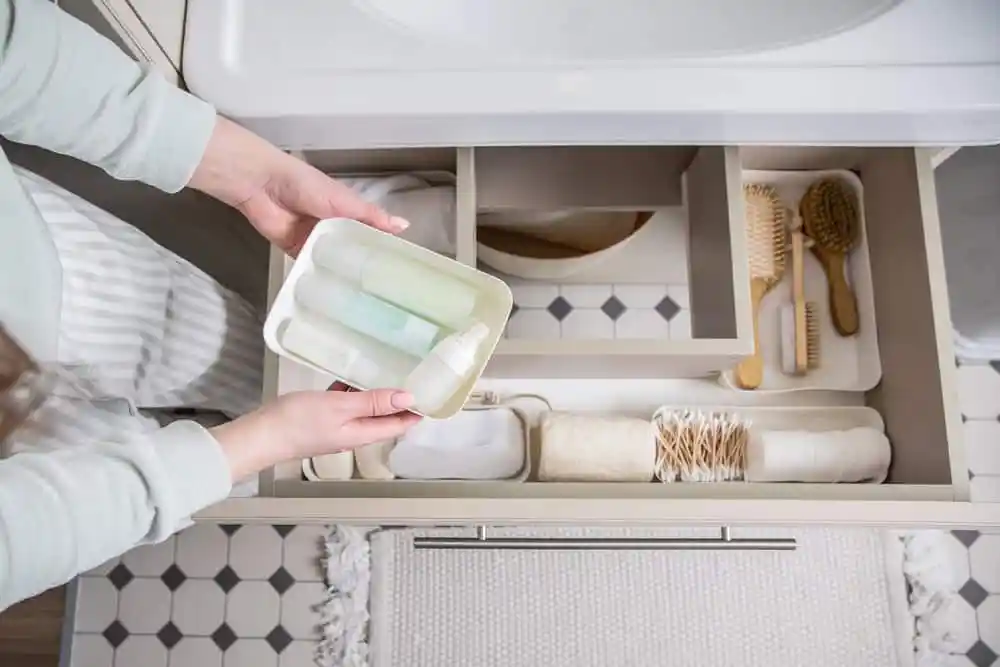
This is my favorite method for when I feel completely stuck. Choose one single drawer. It could be the junk drawer in your kitchen, a desk drawer, or a drawer in your nightstand. Empty it completely. Wipe it clean. Then, only put back the items that truly belong there. It might only take 15 minutes, but you will have a tangible, completed task to feel good about.
Start With High-Visibility Areas
Another great strategy is to clear a surface you see every day. Think of your kitchen counter, your coffee table, or the chair in your bedroom that has become a second closet. Clearing a visible hotspot provides an immediate mental lift every time you see it, which fuels your motivation to do more.
Tackle Your Biggest Pain Point
Alternatively, you could start with the one area that causes you the most daily frustration. Is it the pile of shoes by the door that you trip over every morning? Is it the disorganized pantry that makes cooking a chore? Solving your biggest source of daily irritation can provide a powerful sense of relief and control.
Use Time-Based Decluttering Methods
If the thought of an open-ended decluttering project feels daunting, give yourself a time limit. Setting a timer removes the pressure to “finish” and makes it much easier to simply start.
The 5-Minute Daily Approach
Commit to decluttering for just five minutes every day. Anyone can find five minutes. Set a timer and tackle one tiny task—sort a small pile of mail, clear one shelf of a bookcase, or go through your medicine cabinet. These small, consistent efforts add up remarkably fast over time.
The Timer Challenge
This turns decluttering into a game. Set a timer for 15 or 20 minutes and work as fast as you can until it goes off. When the timer rings, you stop. That’s it. You’re done for the day. This prevents burnout and makes it feel like a manageable challenge rather than an endless chore.
Establish Simple Decision-Making Guidelines
One of the most draining parts of decluttering is decision fatigue. To combat this, create some simple rules for yourself before you begin. A clear framework makes the choices faster and less emotional.

Keep, Donate, Trash, and Maybe Categories
Set up four boxes or bags before you start. Everything you touch goes into one of them.
- Keep: Items you love, use, and that add value to your life.
- Donate: Items in good condition that you no longer need.
- Trash: Anything broken, expired, or unusable.
- Maybe: This is your safety net. If you truly can’t decide, put the item in the “Maybe” box. Seal it, date it for three or six months in the future, and store it out of sight. If you haven’t needed anything from the box by that date, donate it without reopening it.
Ask Yourself the Right Questions
To cut through the emotional clutter, ask direct questions that focus on your present life, not your past self.
- Do I use this regularly?
- If I didn’t own this, would I buy it again today?
- Does this item support the life I want to live?
- Am I keeping this out of guilt or obligation?
A simple declutter checklist with these questions can be a great tool to keep you focused.
Declutter by Category or Location
There are two main approaches to organizing your efforts. Neither is right or wrong; it’s about what works for your brain. The key is to pick one and stick with it.
Room-by-Room Approach
This is exactly what it sounds like. You finish one room completely before moving to the next. To make it less overwhelming, you can break a large room into smaller zones. For example, in the bedroom, you could tackle the closet first, then the nightstands, then the dresser.

Category-Based Decluttering
With this method, you gather every single item of a specific category from all over your house into one pile. For instance, you’d gather all your books, all your clothes, or all your electronic cables. Seeing the sheer volume of what you own in one category often makes it much easier to identify excess and let go.
Work From the Floor Up
This is a practical tip that brings immediate visual results. Instead of cleaning top-to-bottom, try decluttering from the floor up.
Clear the Floor First
Start by clearing everything off the floor. Pick up trash, move items that belong in other rooms, and put away things that are out of place. Being able to walk freely through a room without stepping over things provides an instant sense of accomplishment and space.
Move to Flat Surfaces
Once the floor is clear, move to the flat surfaces—tables, countertops, desks. These are clutter magnets. Apply the same process: remove trash, relocate items, and create clear, open space. A clear surface makes an entire room feel calmer.
Create Drop Spots During the Process
Decluttering can get messy before it gets better. To manage the chaos, create designated “drop spots.” Have a bag by the door for donations, a box for items that belong to other people, and a basket for things that need to be put away in other rooms. This prevents you from creating new piles of clutter while you’re trying to clear old ones.
Skip What Feels Too Hard Right Now
This is important: you have permission to skip the hard stuff. If the idea of going through sentimental photos or a loved one’s belongings feels paralyzing, don’t do it yet. There are no decluttering police. Start with the easy stuff. Build your confidence and your “decluttering muscle.” You can always come back to the emotionally charged items when you feel stronger and more prepared.
Build Momentum With Consistency
Sustainable change comes from small, consistent habits, not from one-time marathon sessions. This approach is much more effective than trying to figure out how to declutter your house in one day, which can lead to quick burnout.

Schedule Specific Decluttering Time
Look at your calendar and schedule your decluttering sessions like you would any other appointment. Block off 15 minutes in the morning or 20 minutes after dinner. Putting it on the calendar makes it real and holds you accountable.
Track and Celebrate Your Progress
Take “before” and “after” photos, even of a single drawer. Keep a simple list of the areas you’ve completed. Acknowledging your progress is a powerful motivator. When you feel discouraged, you can look back and see just how far you’ve come. You could even explore 7 unusual ways to declutter your home to keep things interesting.
Maintain Your Decluttered Spaces
Once you’ve cleared a space, the goal is to keep it that way. This doesn’t mean you have to be a rigid minimalist. It just means creating simple habits.
- The “One In, One Out” Rule: When you buy something new (like a shirt), an old one has to go.
- The Daily Reset: Spend five minutes before bed putting things back where they belong.
- Handle It Once: Deal with mail, packages, and papers as soon as they come in the door instead of letting them pile up.
Starting to declutter when you feel overwhelmed is about being kind to yourself and taking a single, tiny step. You can do this.
For more thoughts on mindful living and creating a space that supports you, feel free to explore more at www.notonetype.org.

Có thể bạn quan tâm
How to Declutter Your Home Before Moving (Save Time & Money)
Moving to a new home is an exciting fresh start. But let’s be honest—the process...
Dec
How to Declutter Your Home for Sale: A Complete Guide to Attracting Buyers
Selling your home is a huge step, and let’s be honest, the thought of sorting...
Dec
7 Unusual Ways to Declutter Your Home (Beyond Basic Tips)
Decluttering doesn’t have to mean spending entire weekends sorting through every closet or following rigid...
Dec
How to Declutter Your House in One Day: Fast & Easy Guide
Decluttering your entire house in a single day feels like a huge goal, right? I...
Dec
Practical Decluttering Tips for Seniors: A Complete Guide to Downsizing Safely
Decluttering can feel like a huge task, especially when you’ve spent a lifetime gathering memories...
Dec
Decluttering Tips for Hoarders: 10 Easy Steps to Reclaim Your Space
Living with excessive clutter can feel overwhelming, but taking the first step toward a cleaner,...
Dec