
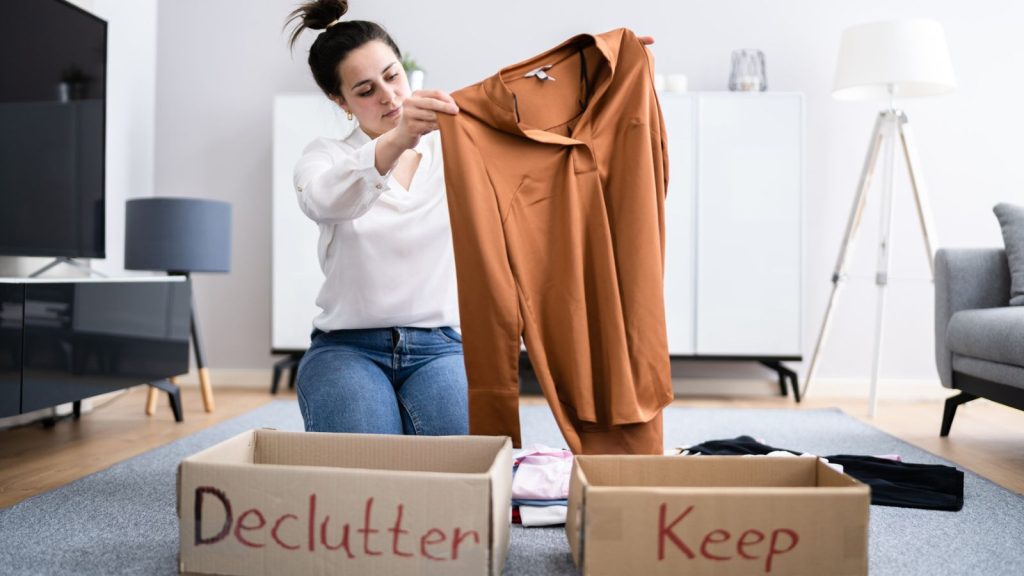
Living with excessive clutter can feel overwhelming, but taking the first step toward a cleaner, more organized home doesn’t have to be a massive project. If you’re struggling with hoarding tendencies or helping a loved one, the key is to start small and build momentum. This guide offers practical, gentle decluttering tips designed for anyone who finds it hard to let go. We’ll explore how to start decluttering when overwhelmed and create a more peaceful living environment, one step at a time.
Understanding Why Decluttering Feels So Hard
Before we even touch a single item, it’s important to acknowledge something: this is tough. If letting go were easy, you wouldn’t be reading this. Hoarding behavior often stems from deep emotional roots, like an attachment to possessions, a genuine fear of being wasteful, or that persistent “what if I need it someday?” thought.
Clutter doesn’t appear overnight. It accumulates slowly, often becoming a physical record of our lives. Having a comprehensive decluttering guide can help you address this buildup systematically. Recognizing that this is a gradual process is the first step toward self-compassion.
The Emotional Connection to Possessions
Many of our belongings are tied to memories. That chipped mug from a college trip or a collection of old magazines isn’t just an object; it’s a feeling, a moment in time. This makes it incredibly difficult to discard them.
A helpful approach is to focus on preserving the memory, not the physical thing. Try taking a photo of a meaningful item before you decide to let it go. You can create a digital album or a small scrapbook. This way, the memory stays with you, but the object doesn’t have to take up space in your home.

Breaking the “Just in Case” Mindset
The “just in case” mindset is a powerful trap. We hold onto things because they might be useful in some imagined future. To counter this, ask yourself a few direct questions:
- Have I used this in the last year?
- If I needed it, could I easily and affordably find another one?
- Is the space this item occupies more valuable than the item itself?
This helps you assess the true value of an object versus its perceived, “just in case” value. Understanding how to declutter when you want to keep everything is about shifting this perspective.
Getting Started: Preparing for Success
Proper preparation can make the difference between giving up after ten minutes and making real progress. It’s about setting yourself up to win before you even begin sorting. This means gathering your tools and, more importantly, getting into the right mindset.
Gather Your Essential Supplies
Having everything you need on hand prevents you from getting sidetracked. You don’t need much. Just grab:
- Three containers: Label them KEEP, DONATE, and TRASH. Simple cardboard boxes or large bags work perfectly.
- Recycling bins: For paper, junk mail, and cardboard.
- Basic cleaning supplies: A cloth and some spray for wiping down surfaces as you clear them.
- A timer: This is your most important tool.
Visualize Your Ideal Living Space
Take a moment to close your eyes and picture what you want your home to feel like. Imagine waking up in a calm, tidy bedroom. Think about making a meal in a kitchen where the counters are clear.
This vision isn’t about creating a perfect, magazine-worthy home. It’s about defining what a comfortable, functional space looks like for you. This mental picture will be your motivation when you feel stuck or tired.
Start Small and Build Momentum
The biggest mistake most people make is trying to tackle an entire room at once. That’s a recipe for burnout. The secret is to start so small it feels almost silly. Small, visible wins build the confidence you need to keep going.

Choose Your First Decluttering Zone
Your first target should be a high-impact but low-emotion area. Think about a space that, if cleared, would give you an immediate sense of relief. Good starting points include:
- A single kitchen counter
- The entryway table
- One shelf in the bathroom
- A single drawer in your dresser
Avoid old photos, letters, or sentimental memory boxes for now. We’ll get to those later, once you’ve built up your decluttering muscles. Following a clear set of decluttering tips for beginners can make all the difference.
Use the Timer Method
The timer is your best friend. Set it for just 15 minutes. Anyone can do something for 15 minutes, right?
During that time, your only job is to focus on your chosen small zone. When the timer goes off, you stop. You can take a 5-minute break or be done for the day. This technique turns a massive, undefined task into a series of short, manageable sprints. It prevents decision fatigue and makes the whole process feel less daunting.
The Four-Box Sorting Method
Now for the sorting. For every item you pick up, you’ll make a decision and place it in one of four boxes. Be honest with yourself, but don’t overthink it. The goal is progress, not perfection.
Keep Box Guidelines
The Keep box is for items you actively use, truly love, or need. An item belongs here if:
- You use it regularly (weekly or monthly).
- It serves a specific, important purpose.
- You would go out and buy it again if you lost it.
Try to stick to the one-year rule: if you haven’t used it in 12 months, it’s probably time to question if it truly needs to stay.
Donation, Sell, and Trash Decisions
- Donate: Items that are in good, usable condition but you no longer need. Think about local charities, shelters, or community centers that could benefit.
- Sell: Only for items that are valuable and worth the time and effort to list online or take to a consignment shop. Be realistic here; otherwise, this box becomes another form of clutter.
- Trash: This is for anything broken, expired, stained, or unsanitary. Don’t forget to recycle junk mail, old magazines, and packaging whenever possible.
Room-by-Room Decluttering Strategy
Once you’re comfortable with the process, you can move on to larger areas. The key is to finish one room completely before starting another. This creates a sense of completion and prevents you from spreading the mess around the house.

Kitchen and Living Areas First
Start with the rooms that impact your daily life the most. A clear kitchen and a relaxing living room can drastically improve your day-to-day well-being.
In the kitchen, focus on clearing countertops and reducing duplicates. How many coffee mugs or spatulas do you really need? In the living room, tackle flat surfaces like coffee tables and shelves.
Bedrooms, Bathrooms, and Storage Spaces
Next, move to personal spaces. In the bedroom, go through your closet and drawers. A simple trick for clothing is to hang all your hangers backward. As you wear an item, turn the hanger around. After six months, you’ll have a clear visual of what you actually wear.
In the bathroom, get rid of expired makeup and medications. For storage spaces like closets or basements, work in small, section-by-section zones using your timer.
Creating Sustainable Organization Systems
Decluttering is only half the battle. The other half is creating simple systems to keep the clutter from coming back. A good organization system should be easy to maintain.
Maximize Storage with Smart Solutions
You don’t need to buy expensive containers. Simple solutions often work best.
- Use vertical space: Shelving units can get items off the floor.
- Divide your drawers: Small boxes or dividers keep things tidy.
- Group like with like: Store all batteries in one place, all lightbulbs in another. Labeling bins or baskets makes it easy to find what you need.
Implement the One-In-Two-Out Rule
To maintain your hard-won space, try this simple rule: for every one new item you bring into your home, two items must leave. This could mean one book in, two books out to the donation bin. This habit forces you to be mindful about your purchases and prevents clutter from creeping back in.
Dealing with Sentimental Items
This is often the most difficult part of the journey. These items are connected to people and moments we love. Approach this task with kindness and patience. Having a declutter checklist can provide structure for these emotionally charged decisions.
Take Photos to Preserve Memories
Remember our earlier tip? It’s especially powerful for sentimental items. Take a clear, well-lit photo of the object. You can even write a short note about the memory associated with it. This honors the memory while freeing up the physical space. Start with items that have a moderate emotional pull before tackling the most precious ones.
Keep Only What Truly Brings Joy
Hold each item and ask yourself: “Does this object truly bring me joy right now, or am I keeping it out of guilt or obligation?” Your home should be a sanctuary filled with things that support your current life, not a museum of the past. Letting go of an object does not mean you are letting go of the person or the memory. The experience lives inside you.
Maintaining Your Decluttered Space
You’ve done the hard work! Now, the goal is to weave new habits into your daily life to keep your home feeling peaceful and open. A little effort each day prevents a lot of work later on.
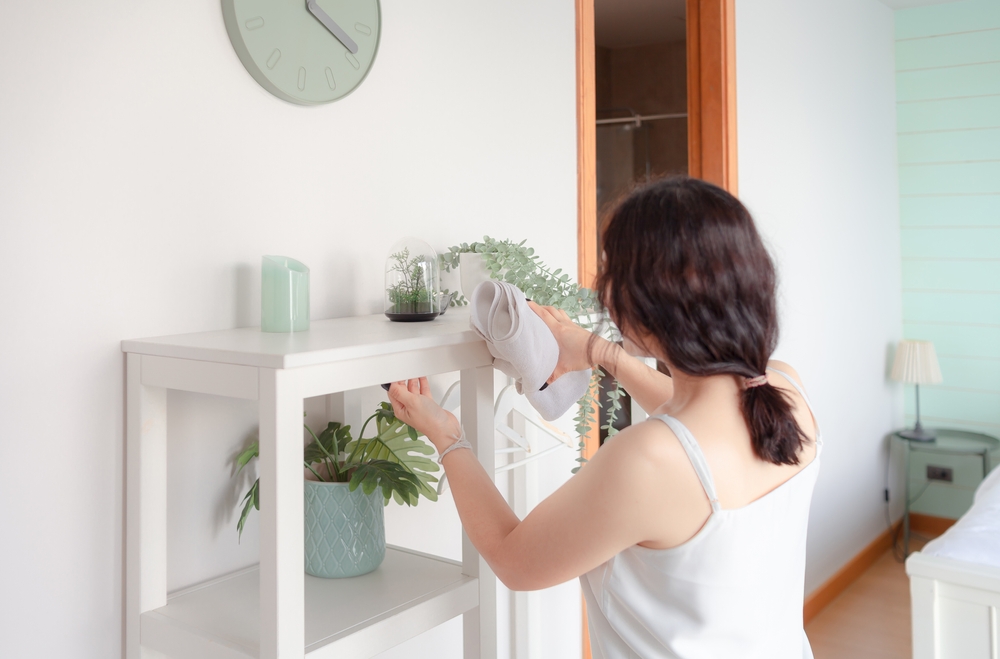
Establish Daily and Weekly Routines
- 10-Minute Tidy: Spend just 10 minutes every evening putting things back where they belong.
- Junk Mail Rule: Deal with mail as soon as it comes in. Immediately recycle flyers and ads.
- Weekly Reset: Pick one “hot spot” (like the kitchen counter) and spend 5 minutes clearing it completely once a week.
Rethink Your Shopping Habits
Become a more intentional consumer. Before buying something new, ask yourself:
- Do I truly need this?
- Where will I store it?
- Am I buying this to fill an emotional need?
Try a 24-hour waiting period for non-essential purchases. Unsubscribe from marketing emails that tempt you to buy things you don’t need. These small shifts in mindset are crucial for long-term success.
This journey is about more than just a clean house; it’s about reclaiming your space, your peace of mind, and your life. Be patient with yourself, celebrate every small victory, and remember that progress is what matters, not perfection. For more resources on mindful living and creating a home that supports you, feel free to explore more at www.notonetype.org.

Có thể bạn quan tâm
How to Declutter Your Home Before Moving (Save Time & Money)
Moving to a new home is an exciting fresh start. But let’s be honest—the process...
Dec
How to Declutter Your Home for Sale: A Complete Guide to Attracting Buyers
Selling your home is a huge step, and let’s be honest, the thought of sorting...
Dec
7 Unusual Ways to Declutter Your Home (Beyond Basic Tips)
Decluttering doesn’t have to mean spending entire weekends sorting through every closet or following rigid...
Dec
How to Start Decluttering When Overwhelmed: 13 Simple Strategies That Work
Staring at piles of stuff while feeling frozen about where to begin is a frustrating...
Dec
How to Declutter Your House in One Day: Fast & Easy Guide
Decluttering your entire house in a single day feels like a huge goal, right? I...
Dec
Practical Decluttering Tips for Seniors: A Complete Guide to Downsizing Safely
Decluttering can feel like a huge task, especially when you’ve spent a lifetime gathering memories...
Dec