

Decluttering your home doesn’t have to feel overwhelming or impossible. Whether you’re drowning in years of accumulated stuff or just want to simplify your living space, a systematic approach makes all the difference. This guide walks you through proven decluttering methods, room-specific strategies, and practical tips to transform your home into an organized, peaceful sanctuary you’ll actually enjoy. We have plenty of decluttering tips for beginners to help you get started on the right foot.
Why Decluttering Your Home Matters
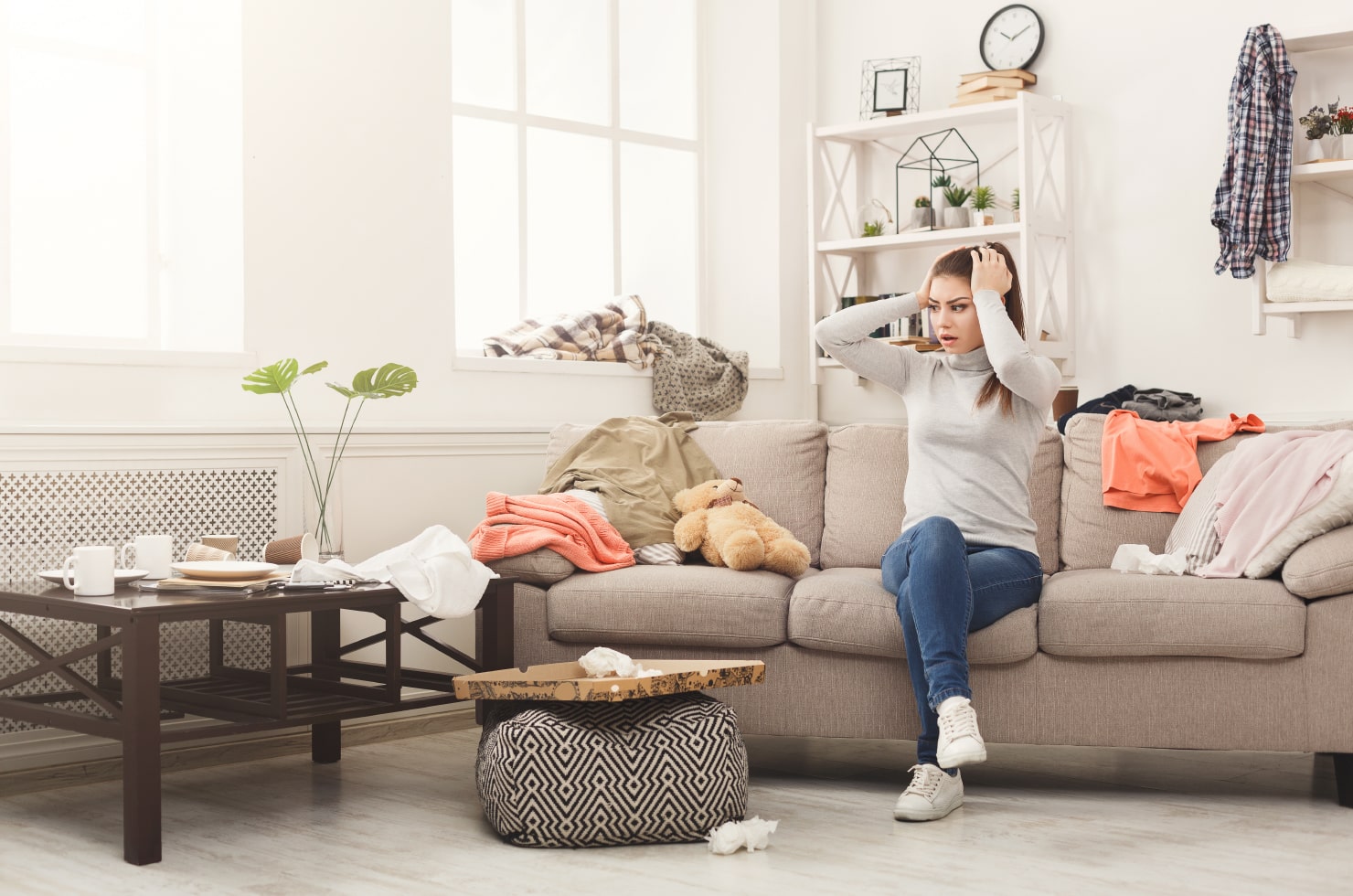
Let’s be honest, the benefits of decluttering your home go way beyond just having a tidy-looking space. Think about how you feel when you walk into a cluttered room. A little stressed? Maybe distracted? That’s because physical clutter often leads to mental clutter. For those curious about simplifying life even further, learning what is the minimalism approach can help guide decisions on what to keep and what to let go.
When your environment is chaotic, it can subtly raise cortisol levels, our body’s stress hormone. A clean, organized space, on the other hand, can feel like a breath of fresh air for your mind. It makes cleaning easier, saves you time looking for lost items, and improves your ability to focus. Creating an intentional home isn’t just about aesthetics; it’s a form of self-care that supports your overall well-being.
Getting Started: The Decluttering Mindset
Before you even pick up a trash bag, the most important work happens in your head. It’s completely normal to feel attached to your things. We keep items out of guilt (“It was a gift”), fear (“What if I need it someday?”), or nostalgia. The key is to acknowledge these feelings without letting them control you. If you are struggling with the first step, check our guide on how to start decluttering when overwhelmed.
Start by asking yourself two simple questions about an item:
- Do I truly need this?
- Why am I holding onto it?
This simple shift in perspective helps you move from passive ownership to making active, intentional choices about what earns a place in your home. Remember to start small. You don’t have to conquer the whole house today. Building momentum is everything.
Set Realistic Goals and Timelines
Burnout is the enemy of decluttering. Choose a pace that feels right for your life, not one you think you should follow. Here are a few ideas:
- The One-Month Apartment Plan: Dedicate just 20 minutes every day to a small area. A drawer, a shelf, a countertop. It’s amazing what you can accomplish in short, focused bursts.
- The Two-Month Room-a-Week Plan: Tackle one room or major zone each week. This gives you enough time to be thorough without feeling rushed.
- The Three-Month Whole-Home Plan: For larger homes, dedicate 1-2 weeks per area. This allows for a deeper dive, especially in storage-heavy zones like basements or garages.
Gather Your Decluttering Supplies
Nothing kills momentum faster than having to stop and find a box. Get everything ready before you start.
- Trash Bags: Black bags are great because once something is in, you can’t see it and second-guess your decision.
- Boxes or Bins: Label them clearly: Donate, Sell, and Relocate (for items that just need to be put back in their proper home).
- Cleaning Supplies: A simple all-purpose cleaner and some cloths.
- Markers & Labels: For labeling boxes and future storage bins.
Popular Decluttering Methods That Work
There’s no one “right” way to declutter. It’s about finding a method that clicks with your personality. Here are a few proven frameworks.
The 10-10 Method
This is perfect for busy days or when you feel stuck. Set a timer for 10 minutes and find 10 items to get rid of from a single room or zone. That’s it. It’s a small, achievable goal that proves you can make progress, and it often inspires you to keep going.

The Tiny Tasks Approach
This method, popularized by author Dana K. White, breaks the process into manageable micro-tasks. Instead of thinking “declutter the kitchen,” you focus on one tiny task, like clearing just one countertop or cleaning out the expired spices. It’s about making gradual, consistent progress without disrupting your life. Another great tiny task is the hanger trick for clothes.
The Category-Based Method
Instead of decluttering room by room, you tackle one category at a time across your entire home. For example, you gather every single book you own into one pile. This confronts you with the sheer volume of what you have, making it much easier to spot duplicates and decide how many books you actually need. This approach was made famous by Marie Kondo and her KonMari method.
The Five-Step Process
This is a classic, systematic approach that works for any space, big or small.
- Empty: Take everything out of the space you’re working on (a drawer, a closet, etc.).
- Discard: Immediately throw away obvious trash.
- Sell/Repurpose: Identify items that have value but you no longer need.
- Donate: Set aside items in good condition for donation.
- Organize: Put back only what you are keeping, giving everything a designated home.
Room-by-Room Decluttering Guide
Ready for the hands-on part? You can start with the room that causes you the most stress or the one you use the most. Getting a quick win in a high-traffic area can be incredibly motivating.
Kitchen and Pantry
The kitchen is often the heart of the home, but it can quickly become a clutter hotspot.
- Food: Start with the easy stuff. Toss any expired food from the pantry, fridge, and freezer.
- Utensils & Gadgets: Do you really need three can openers? Be honest about what you actually use. Donate duplicate utensils and gadgets you haven’t touched in a year.
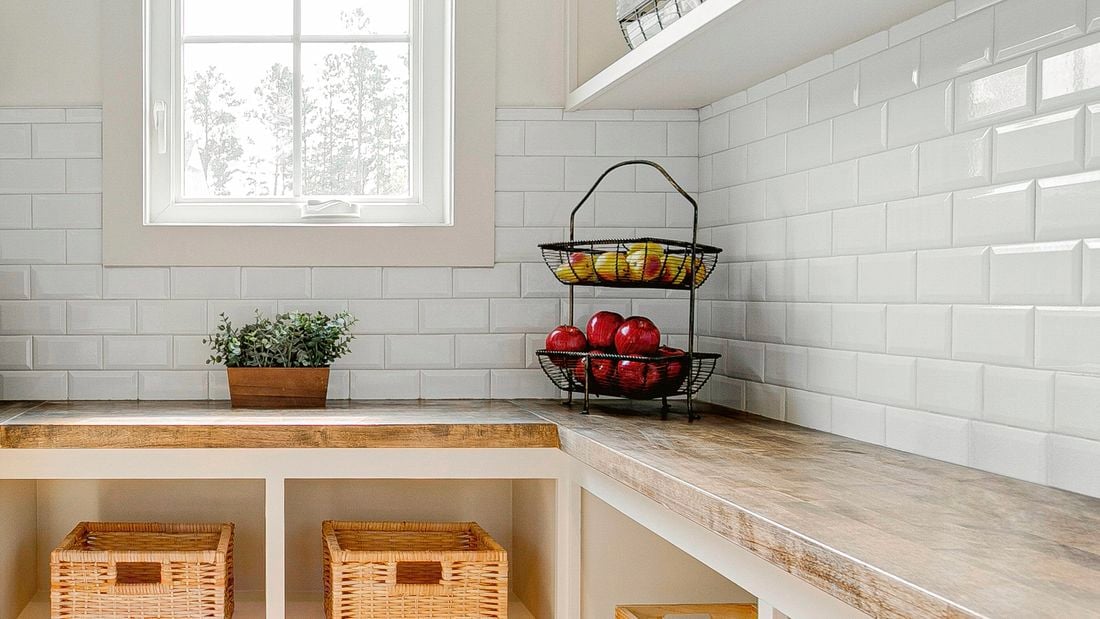
- Surfaces: Keep countertops as clear as possible. Store small appliances you don’t use daily inside a cabinet. Use clear containers in the pantry to see what you have at a glance.

Bedroom
Your bedroom should be a sanctuary for rest, not a storage unit.
- Surfaces: Keep your nightstand minimal: a lamp, a book, maybe a small plant. Use a small tray to contain items like lip balm or charging cords.
- Clothes: Put dirty clothes directly into the hamper. Designate one spot (like a hook or a chair) for “in-between” clothes you plan to wear again soon.
- Under the Bed: This is prime real estate for off-season bedding or clothing, but make sure it’s stored in proper containers, not just shoved underneath.
Closets and Wardrobe
Editing your wardrobe can feel daunting, but it’s liberating.
- Ask the Right Questions: For each piece of clothing, ask: Have I worn this in the past year? Does it fit me right now? Do I feel good when I wear it?
- Try the Hanger Flip: Turn all the hangers in your closet backward. When you wear an item, turn the hanger the right way. After six months, take a hard look at any hangers still facing backward.
- Store Seasonally: If you have limited space, store off-season clothes in bins to free up room in your main closet.
Bathroom
Bathrooms are small spaces that can get cluttered fast with half-empty bottles and expired products.
- Sort by Category: Group everything: dental, skincare, makeup, hair care, medications, etc.
- Purge ruthlessly: Toss expired makeup and medications (be sure to dispose of them properly). Get rid of those tiny hotel toiletries you’ve been saving for years.
- Keep it Current: Keep only the products you are currently using on the counter or in the top drawer. Store backups in a separate, designated spot.
Living Room and Common Areas
These spaces are for relaxing and connecting, not navigating around piles of stuff.
- Clear Surfaces: A few favorite books or decor pieces are great. A mountain of magazines, mail, and random items is not.
- Use Baskets: A decorative basket is a stylish way to corral small items like remote controls, chargers, and video game controllers.
- Create a Drop Zone: Designate one small tray or basket near the entrance for keys, mail, and wallets to prevent clutter from spreading throughout the house.
Entryway and Mudroom
The entryway sets the tone for your entire home.
- Seasonal Edit: Keep only the coats, shoes, and bags that are in season and used regularly. Store the rest.
- Get Rid of Orphans: Toss single gloves, broken umbrellas, and outgrown sports equipment.
- Manage Mail: Recycle junk mail immediately. Create a simple system with one tray for incoming mail and another for items that require action.
Garage, Basement, and Storage Areas
These zones can become a dumping ground for anything without a home.
- Use Clear Bins: Being able to see what’s inside a bin saves you from having to open a dozen to find what you need. Label everything.
- Go Vertical: Install wall-mounted shelving, pegboards, and hooks to get items off the floor and maximize your space.
- Group Like Items: Store all holiday decor in one area, camping gear in another, and tools together.
Making Decluttering Decisions: What to Keep, Donate, or Trash
The hardest part is often deciding what to do with each item. If you struggle with letting go, our guide on how to declutter when you want to keep everything can offer more specific strategies.
- Keep: Items you use regularly, things that truly bring you joy, or objects that serve a clear purpose.
- Donate: Anything in good, usable condition that you no longer need or love.
- Sell: Items that are valuable and worth your time and effort to sell online or at a consignment shop.
- Trash: Anything that is broken, expired, or too worn out to be donated.
Questions to Ask About Each Item
When you’re stuck on an item, run through this checklist:
- Do I use this regularly?
- Is it in good working condition?
- Do I have another item that does the same thing better?
- If I were shopping right now, would I buy this again?
- Does this fit my life today, not the life I had five years ago?
- Am I only keeping this out of guilt?
- Does this item add real value to my life?
- Have I used it in the last 12 months?
Where to Donate and Sell Items
Don’t let donation boxes sit in your car for weeks!
- Donate: Goodwill, Salvation Army, local shelters, and churches are great options. Check out local “Buy Nothing” Facebook groups to give items directly to neighbors who need them.
- Sell: Facebook Marketplace, Poshmark, and eBay are popular for selling clothes, furniture, and electronics.
- Pro Tip: Give yourself a one-week deadline to drop off donations. If they’re still in your house after that, they might just become clutter again.
Organizing What Stays
Remember, you can’t organize clutter. Organization is what you do after you’ve decluttered. The goal is to create simple systems that are easy to maintain. By implementing thoughtful layouts, multifunctional storage, and intentional décor, you can truly understand how to create a minimalist home that is both functional and calming.
Storage Solutions and Organizing Systems
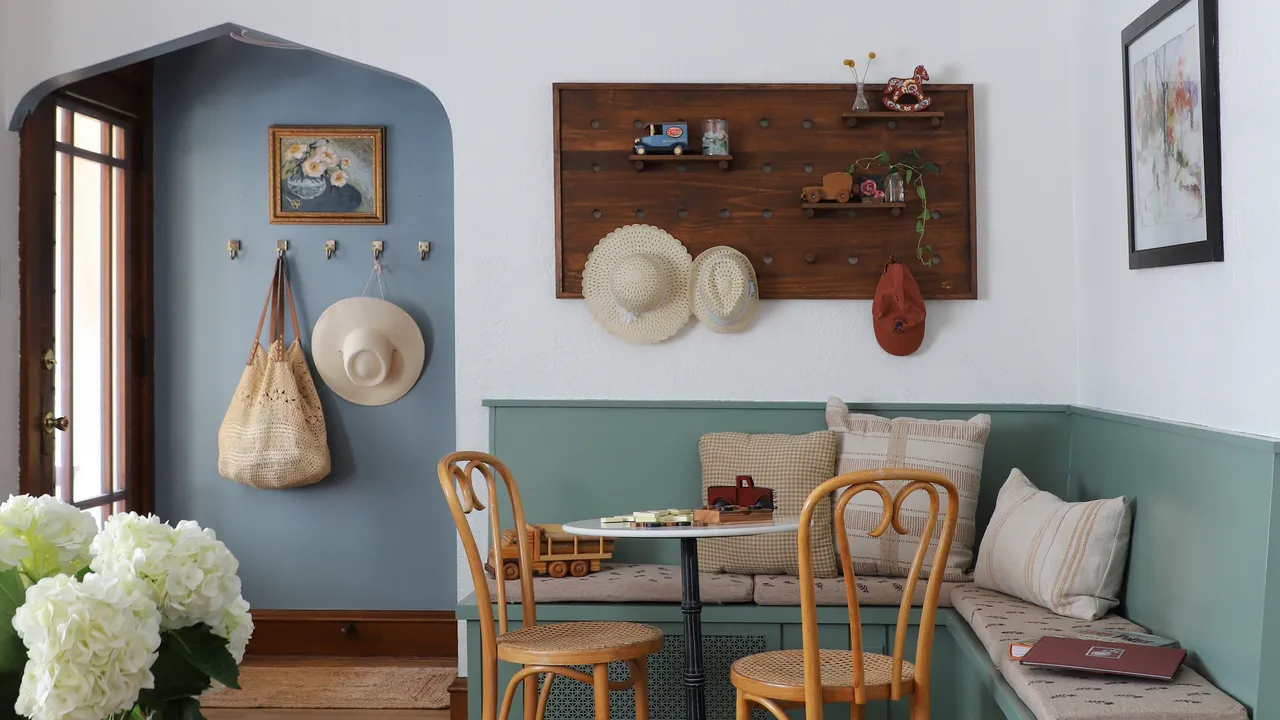
Give every single item a designated “home.” When things have a home, they are easy to find and, more importantly, easy to put away.
- Use the Right Tools: Drawer dividers are fantastic for kitchens and dressers. Clear, stackable bins are great for pantries and garages. Over-the-door organizers can add storage to small spaces.
- Accessibility is Key: Store the items you use most often in the most accessible places (eye-level shelves, front of the closet). Less-used items can go up high or in the back.
- Group and Label: Keep like items together and label everything. It takes a few minutes upfront but saves you so much time later.
Creating Sustainable Habits
Decluttering isn’t a one-time project; it’s a new way of living.
- The One-In, One-Out Rule: For every new item you bring into your home, one similar item must leave. This prevents accumulation.
- The Daily Reset: Spend 10 minutes every evening putting things back in their homes. It makes a huge difference.
- Be an Intentional Shopper: Before buying something, ask yourself if you truly need it and where it will live in your home. Having a clear declutter checklist can help you stay on track with seasonal purges.
I hope these tips help you create a home that feels more peaceful and supportive. This journey is all about progress, not perfection. For more thoughts on intentional living and wellness, feel free to explore more on my blog at www.notonetype.org.
Frequently Asked Questions (FAQs)
How long does it take to declutter an entire house?
This really depends on the size of your home, the amount of clutter, and how much time you can commit. A small apartment might take 1-4 weeks with daily 20-minute sessions. An average-sized home often takes 2-3 months if you tackle one room per week. Larger homes could require 3-6 months. The key is to focus on visible progress in high-impact areas first.
Where should I start decluttering first?
Start where you’ll see the biggest impact quickly. This could be a high-traffic area like the kitchen or entryway, or simply the space that causes you the most frustration every day. It’s best to save sentimental items like photos and keepsakes for last, after you’ve built up your decision-making confidence. When tackling spaces like the pantry, consider following zero waste lifestyle tips—such as using reusable containers and labeling items—to prevent clutter and reduce environmental impact simultaneously.
What if I feel overwhelmed and don’t know where to begin?
Break it down into tiny, manageable tasks. Don’t think about the whole house. Just focus on one drawer or one shelf. Set a timer for 10 minutes and stop when it goes off. Celebrating these small wins creates the momentum you need to keep going.
How do I declutter sentimental items without regret?
This is tough. First, know that you can keep the memory without keeping the item—take a photo of it before you let it go. Keep only the most meaningful items that bring you genuine joy, not guilt. Try setting a physical limit, like one memory box per person. Ask yourself: “Am I honoring this item by hiding it in a box, or could it have a better life with someone who will use and appreciate it?”
How can I prevent clutter from coming back?
The best way is to implement new habits. The “one-in, one-out” rule is crucial. Before making a purchase, wait 24-48 hours to avoid impulse buys. Make sure every item in your home has a designated spot. A quick 10-minute daily reset and regular seasonal decluttering sessions will help you maintain your hard work.
Should I declutter by room or by category?
Both methods work well, so choose the one that fits your style. Decluttering room-by-room gives you the satisfaction of completely finishing a space, which can be very motivating. The category-based approach (e.g., all your books at once) is better for understanding the full scope of what you own and easily identifying duplicates.
What should I do with items I’m unsure about keeping?
Create a “maybe box.” Put any items you’re on the fence about inside, seal it, and write a date 30-90 days in the future on it. Store the box out of sight. If you don’t need to retrieve anything from the box during that time, you can confidently donate it without even reopening it. This trial separation makes the final decision much less stressful.

Có thể bạn quan tâm
How to Declutter Your Home Before Moving (Save Time & Money)
Moving to a new home is an exciting fresh start. But let’s be honest—the process...
Dec
How to Declutter Your Home for Sale: A Complete Guide to Attracting Buyers
Selling your home is a huge step, and let’s be honest, the thought of sorting...
Dec
7 Unusual Ways to Declutter Your Home (Beyond Basic Tips)
Decluttering doesn’t have to mean spending entire weekends sorting through every closet or following rigid...
Dec
How to Start Decluttering When Overwhelmed: 13 Simple Strategies That Work
Staring at piles of stuff while feeling frozen about where to begin is a frustrating...
Dec
How to Declutter Your House in One Day: Fast & Easy Guide
Decluttering your entire house in a single day feels like a huge goal, right? I...
Dec
Practical Decluttering Tips for Seniors: A Complete Guide to Downsizing Safely
Decluttering can feel like a huge task, especially when you’ve spent a lifetime gathering memories...
Dec