

Taking care of yourself at work isn’t selfish—it’s essential for maintaining your health, happiness, and job performance. Self care at work means actively engaging in habits and behaviors that protect your physical, mental, and emotional well-being throughout your workday. Whether you’re dealing with tight deadlines, demanding meetings, or the blur between home and office life, small intentional actions can help you stay energized, focused, and resilient. This isn’t about grand gestures, but rather a collection of simple self care activities woven into your day.
What Is Self Care at Work?
Think of self care at work as the conscious practice of checking in with yourself and tending to your needs while on the clock. It’s about taking responsibility for your well-being by balancing job demands with your own physical, mental, and emotional health. This isn’t something you can just outsource to your company’s wellness program; it requires personal effort, but a supportive organization certainly helps. It’s the small things—like stretching after a long meeting or taking a real lunch break—that add up to a more sustainable and fulfilling career.
Why Self Care Matters in the Workplace
It’s easy to put your head down and power through the workday, but that approach has a cost. When you neglect your well-being, stress accumulates, focus wanes, and burnout becomes a real risk. Workplace demands can quickly drain your energy and motivation if you don’t actively replenish them. Prioritizing self-care is your defense mechanism. It’s what allows you to manage stress effectively, maintain a positive outlook, and show up as your best self, day after day.

The Connection Between Self Care and Productivity
Here’s a common misconception: self-care takes time away from work. The opposite is true. Taking small breaks, staying hydrated, and managing your mental state directly fuels your ability to concentrate and think clearly. I’ve found that on days I intentionally step away for a five-minute walk, I come back to my desk with more clarity than if I had stayed and stared at the screen. People who practice self-care tend to have higher motivation and take fewer sick days. It’s not about working less—it’s about working smarter and protecting your most valuable asset: you.
Signs You Need to Prioritize Self Care at Work
Sometimes we don’t realize we’re running on empty until the tank is completely dry. Your body and mind often send warning signals long before that happens. Recognizing them is the first step.
Do any of these feel familiar?
- Constant exhaustion: You feel tired even after a full night’s sleep.
- Irritability: Small things set you off, and you feel generally on edge with colleagues.
- Decreased motivation: You find it hard to get started on tasks you used to enjoy.
- Difficulty concentrating: Your mind wanders, and focusing on a single task feels like a monumental effort.
- Feelings of overwhelm: Your to-do list feels impossibly long, and you don’t know where to start.
- Cynicism toward work: You feel disconnected or negative about your job and its value.
If you’re nodding along, it’s a clear sign you need to invest more in your well-being at work.
Simple Self Care Practices You Can Start Today
The good news is that you don’t need to overhaul your entire day. Self-care can be integrated in small, manageable ways. Thinking about the different types of self care can help you build a more balanced approach.
Physical Self Care at Work
Your body does a lot for you during the workday, so it’s important to treat it well.
- Stay Hydrated: Keep a water bottle on your desk and sip it throughout the day. It’s amazing how much better you can feel just by drinking enough water.
- Eat Mindfully: Step away from your desk for lunch. Eating in a different environment helps your brain disconnect and your body digest properly.
- Stretch Regularly: Set a timer to stand up and stretch every hour. A few simple neck rolls, shoulder shrugs, and torso twists can relieve tension from sitting.
- Take a Walk: Use part of your lunch break to take a short walk, even if it’s just around the building. The movement and change of scenery are refreshing.
- Check Your Posture: Are you hunching? Adjust your chair and monitor to support good ergonomics. A straight spine can reduce back pain and improve breathing.

Mental and Emotional Self Care Strategies
Your mind needs breaks just as much as your body does.
- Practice Deep Breathing: When you feel stressed, take one minute to close your eyes and focus on your breath. Inhale slowly for four counts, hold for four, and exhale for six. This simple act can calm your nervous system.
- Use the Pomodoro Technique: Work in focused 25-minute intervals, followed by a 5-minute break. This method helps maintain concentration and prevents mental fatigue.
- Step Outside for Fresh Air: A few minutes of fresh air and natural light can do wonders for your mood and perspective.
- Keep a Gratitude List: At the end of your workday, jot down one thing that went well. This shifts your focus toward the positive and helps you disconnect with a sense of accomplishment.
- Set Realistic Daily Goals: Instead of an endless to-do list, identify your top three priorities for the day. This makes your workload feel more manageable.
Organizing Your Workspace for Better Well-Being
Your physical environment has a huge impact on your mental state. A cluttered desk often leads to a cluttered mind.
- Declutter Your Desk: Spend five minutes at the end of each day tidying up. A clean space helps you start the next morning with a clear head.
- Personalize Your Area: Add a plant, a photo of a loved one, or a piece of art that makes you smile. Making your space feel like your own can boost your mood.
- Optimize Your Lighting: Ensure you have adequate light to prevent eye strain. If possible, position your desk to get some natural light.
- Create a Calm Atmosphere: If you can, use headphones to listen to calming music or nature sounds to block out distractions and create a bubble of focus.
Setting Healthy Boundaries to Protect Your Well-Being
Self-care isn’t just about adding new activities; it’s also about protecting your time and energy. Boundaries are the rules you set for yourself and others to maintain a healthy work-life balance.
Establishing Work Hours and Disconnecting
This is especially crucial if you work from home. Decide on a firm start and end time for your workday and stick to it. When the day is over, actually log off. Turn off email notifications on your phone so you aren’t tempted to check in after hours. Respecting your own time off teaches others to do the same.
Learning to Say No and Delegate
It’s tempting to be the person who always says yes, but overcommitment is a fast track to burnout. It’s okay to politely decline a new task if your plate is already full. You can say something like, “I’d love to help, but my current priorities won’t allow me to give that the attention it deserves.” Learning to delegate is also key. Trusting your teammates empowers them and frees you up to focus on your most important work.
Practicing Assertiveness with Colleagues
Assertiveness is simply communicating your needs and boundaries in a clear, respectful way. It’s not aggressive; it’s self-respect. If a colleague constantly interrupts you, you can say, “I’m in the middle of something that requires deep focus. Can we connect in an hour?” Setting these small boundaries protects your energy and focus throughout the day.
Making Time for Breaks and Time Off
Rest is not a reward; it’s a requirement for sustained performance.
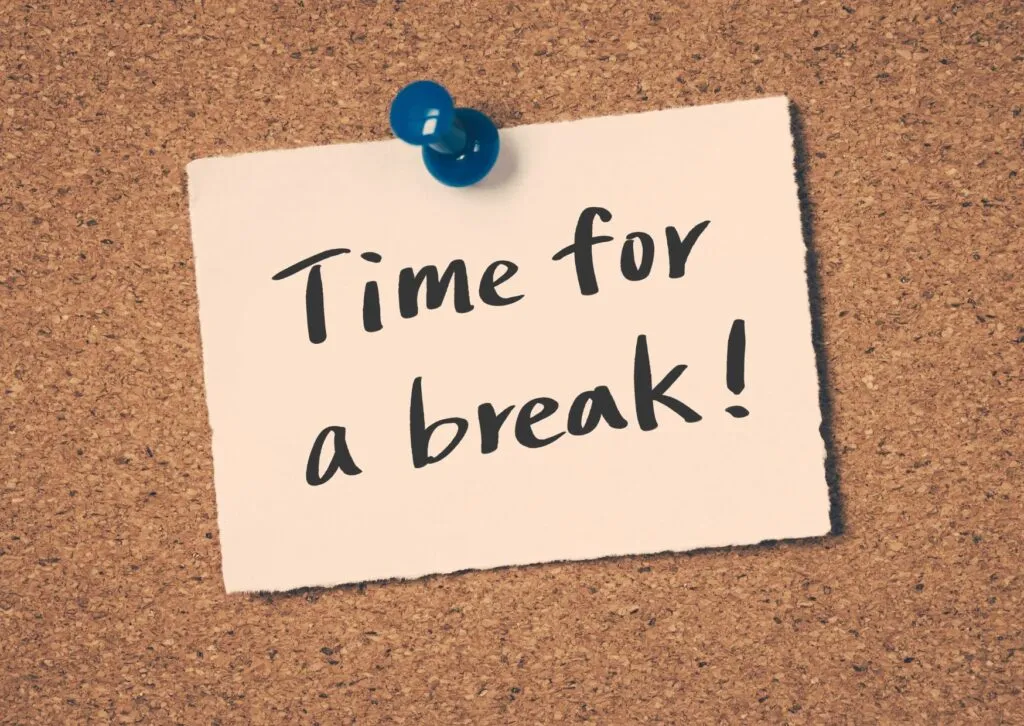
Taking Effective Breaks Throughout Your Day
Stepping away from your desk is essential for recharging. Schedule your lunch break on your calendar and treat it like any other important meeting. A short, intentional break can make all the difference, and it’s a great tool for figuring out how to turn a bad day around. Don’t eat at your desk while answering emails. Get up, walk around, and let your mind wander for a bit.
Using Your Vacation Time and PTO
Paid time off is part of your compensation—use it! Too many people let their vacation days expire, thinking they’re too busy to take a break. A true vacation, where you completely disconnect from work, is one of the most powerful forms of stress management. It allows you to return to work feeling refreshed, creative, and motivated.
Building a Personal Self Care Routine
The most effective self-care is consistent. A routine helps turn beneficial actions into effortless habits.
Starting Small and Building Habits
Don’t try to change everything at once. Pick one or two simple things to start with. Maybe it’s drinking a glass of water as soon as you get to your desk or doing a five-minute meditation during your lunch break. Once that feels natural, add something else. Creating a sustainable self care routine is a marathon, not a sprint.
Self Care Activities Outside of Work Hours
How you spend your time outside of work directly impacts how you feel at work. Make sure you’re filling your cup in your personal time.
- Move Your Body: Find a form of exercise you genuinely enjoy, whether it’s hiking, dancing, or lifting weights.
- Connect with Loved Ones: Spend quality time with friends and family who lift you up.
- Pursue Hobbies: Engage in activities that have nothing to do with work—reading, gardening, painting, or playing music.
- Prioritize Sleep: Aim for a consistent sleep schedule. A well-rested mind is a resilient and productive mind.
Leveraging Workplace Wellness Programs and Benefits
Many companies offer resources to support employee well-being. Don’t let them go to waste.
Understanding Your Company’s Wellness Benefits
Take some time to review your employee benefits package. You might be surprised by what’s available. Look for things like:
- Mental health resources (counseling services, therapy apps)
- Gym membership discounts or fitness programs
- Employee Assistance Programs (EAPs) that offer confidential support
- Financial wellness workshops or advisors
Using these benefits shows your employer that you value these initiatives, encouraging them to continue offering them.
Flexible Work Options and Remote Work Self Care
Flexible schedules and remote work can be a huge boost for self-care, but they come with their own challenges, like isolation and the “always on” culture. If you work remotely, be extra diligent about setting boundaries. Create a dedicated workspace if you can, and stick to your work hours. Schedule virtual coffee chats with colleagues to maintain social connections.
Taking care of yourself at work is a continuous practice, not a one-time fix. It’s about making small, conscious choices every day that honor your well-being. By integrating these simple strategies, you can reduce stress, increase your resilience, and build a more sustainable and enjoyable career.
For more thoughts on building a balanced and intentional life, feel free to explore more at www.notonetype.org.

Có thể bạn quan tâm
Self Care Activities for Staff Meetings: 20 Simple Ideas to Boost Wellbeing
Staff meetings don’t have to drain your team’s energy. In fact, they can be the...
Dec
Self-Care for Seniors: 12 Easy Tips to Stay Healthy and Happy
Self-care becomes so much more important as we get older. It’s what helps us maintain...
Dec
Self Care for Teens: 15+ Tips to Manage Stress and Build Healthy Habits
Being a teenager is a lot. Between school pressure, a social life that’s always online,...
Dec
Self-Care for Women: 25+ Ideas to Prioritize Your Well-Being
Self-care isn’t a luxury—it’s essential for women balancing careers, relationships, family, and countless daily responsibilities....
Dec
Self Care for Women Over 40: Your Complete Guide to Thriving in Midlife
Turning 40 marks a shift where your body, mind, and priorities begin to change in...
Dec
How to Turn a Bad Day Around: 15 Simple Strategies That Actually Work
Everyone has bad days—those mornings when you wake up late, spill coffee on your shirt,...
Dec