
Tying your hair at night is one of the simplest yet most effective ways to prevent breakage and create an optimal environment for hair growth. When you toss and turn throughout the night, your hair rubs against your pillowcase, causing friction that leads to split ends, tangles, and damage. By learning the right hairstyles and using gentle hair ties, you can protect your strands while you sleep and wake up with healthier, stronger hair that’s ready to grow,
Why Tying Your Hair at Night Promotes Hair Growth
It might sound simple, but how you wear your hair to bed can make a huge difference in its health and length. The main goal is to reduce friction. Every time you move, your hair rubs against your pillowcase, and this repeated action roughs up the hair’s outer layer, the cuticle. This leads to the kind of breakage that makes you feel like your hair just isn’t growing.
While your hair grows from the follicles in your scalp, protecting the length you already have is the secret to seeing those inches add up. Tying your hair gently keeps it contained, minimizing the mechanical stress from tossing and turning and helping you hold on to more of your hard-earned growth.
The Connection Between Hair Breakage and Growth
Let’s clear something up: your hair is always growing from the root. The problem is that breakage at the ends can happen just as fast, making it seem like you’ve hit a plateau. That friction I mentioned? It causes split ends, and if you ignore them, those splits can travel right up the hair shaft.
A good nighttime routine is all about length retention. By using protective styles, you reduce the physical damage your hair endures each night. Healthier strands are stronger strands, and stronger strands don’t break as easily.
How Friction and Tension Damage Your Hair While You Sleep
Imagine your hair strands as delicate silk threads. Now, imagine rubbing them against a rough cotton pillowcase for eight hours straight. That friction lifts the hair cuticle, causing frizz, tangles, and weak spots.
But it’s not just about friction. Tying your hair too tightly creates tension at the root, which can stress your hair follicles. Over time, this can even lead to a type of hair loss called traction alopecia. The key is finding a balance—a style that’s loose enough to be gentle on your scalp but secure enough to prevent tangles.
Best Hair Ties for Sleeping Without Damage
The type of hair tie you use is just as important as the hairstyle itself. The wrong one can completely undo all your efforts, causing the very breakage you’re trying to prevent. Think of your hair tie as a tool—you want one that does the job without causing collateral damage.
Silk and Satin Scrunchies
These are the gold standard for a reason. Silk and satin scrunchies glide over your hair without snagging or pulling. Because the material is so smooth, it creates almost no friction. They are gentle enough for any hair type, from fine and fragile to thick and coarse, and they won’t leave those annoying dents in your hair by morning.

Spiral Coil Hair Ties
You’ve probably seen these plastic, phone-cord-like ties. Spiral coil hair ties are fantastic because they distribute pressure evenly instead of concentrating it in one tight line. This means you get a secure hold without the intense grip that can cause headaches or breakage. They are great for a pineapple bun or a loose ponytail.
Cotton and Nylon Elastic Scrunchies
If you’re looking for a budget-friendly option, soft cotton or nylon scrunchies are a good choice. While they aren’t as slippery as silk, they are much gentler than standard elastics. They provide a soft hold that’s perfect for securing a loose braid.
Hair Ties to Avoid
Stay away from a few specific culprits. Rubber bands are a definite no—they grip and rip out hair. Ties with metal clasps are notorious for snagging and breaking strands. And finally, avoid any thin, tight elastic bands that put too much focused tension on your hair.
Top Protective Hairstyles for Sleeping That Promote Hair Growth
The best overnight hairstyle is one that keeps your hair contained and tangle-free without pulling on your scalp. Your ideal style will depend on your hair length and texture, but the golden rule is to always keep it loose and comfortable.
Loose Braid
A simple, loose three-strand braid is a classic for a reason. It keeps all your hair neatly bundled, preventing it from rubbing against your pillow. It works for almost any hair length and texture. Just be sure to start the braid low and keep the plait relaxed so you don’t feel any pulling at the roots.
Pineapple Bun
Popular in the curly community, the pineapple method is fantastic for all hair types. You just gather your hair into a very high, loose bun or ponytail right on top of your head. This keeps the bulk of your hair off your neck and pillow, preserving your style and protecting your ends.
Low Loose Bun
If a high bun isn’t comfortable for you, a low loose bun at the nape of your neck is a great alternative. Twist your hair gently and secure it with a silk scrunchie. Position it so it doesn’t press into your neck when you lie down. This works especially well for medium-length hair.
Pigtail Braids
For those with very long or thick hair, two loose braids can be more comfortable than one. This distributes the weight and tension evenly. Plus, it can leave you with beautiful, soft waves in the morning.
Twisted Rope Braid
A rope braid is a simple twist on the classic. Separate your hair into two sections, twist each one individually in the same direction, and then wrap them around each other in the opposite direction. It’s incredibly gentle and effective at preventing tangles.
French Braid
If you have layers that tend to escape a regular braid, a loose French braid can offer a bit more security. Just remember to keep the sections loose as you weave them in to avoid any tension on your scalp.
Using Silk Bonnets and Scarves for Hair Protection
Sometimes, the best way to tie your hair is to not tie it at all but to cover it instead. Silk bonnets and scarves create a protective barrier that eliminates friction completely, and they also help your hair retain moisture.
How to Use a Silk Bonnet
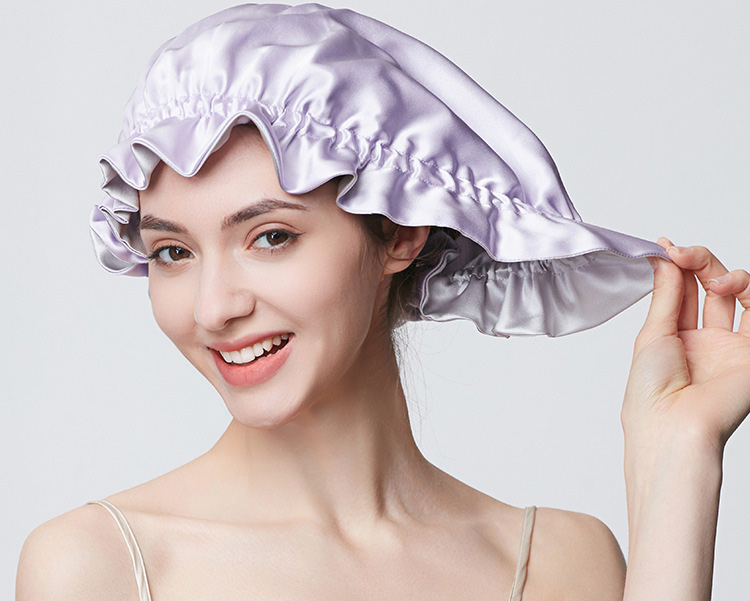
A silk bonnet is one of the easiest and most effective tools for nighttime hair care. You can pile your hair loosely on top of your head and tuck it into the bonnet, or you can wear it over a loose braid for double the protection. Look for one with a comfortable band that won’t dig into your skin.
Wrapping Hair With a Silk Scarf
Wrapping your hair with a silk scarf is another great option. You can use it to create a ‘doobie wrap’ to keep hair straight overnight or simply tie it over your protective style. It keeps everything contained and protected from your pillowcase.
Additional Products to Support Hair Growth While You Sleep
A few extra tools can boost the effects of your protective styling and create the best possible environment for hair growth.
Silk or Satin Pillowcases
Even if you tie your hair up, a silk or satin pillowcase is a worthwhile investment. It provides a smooth, slippery surface that your hair can glide over. This is your backup plan—it protects any strands that might escape your style and is gentler on your hairline.
Wide-Tooth Combs for Detangling
Never tie up tangled hair. Before styling, gently detangle your hair with a wide-tooth comb. Start from the ends and slowly work your way up to the roots to minimize breakage. This also helps distribute your scalp’s natural oils down the hair shaft.
Step-by-Step Guide to Tying Your Hair for Overnight Hair Growth
Ready to create your own nighttime hair routine? Here’s a simple guide to follow:
- Detangle Gently: Use a wide-tooth comb to remove all knots, starting from the bottom and working your way up.
- Apply Product (Optional): If your ends feel dry, apply a small amount of a lightweight leave-in conditioner or hair oil.
- Choose Your Style: Pick a loose, protective hairstyle that feels comfortable for you, like a braid or a low bun.
- Gather Hair Loosely: Avoid pulling your hair tightly. Your hairstyle should feel secure but completely painless.
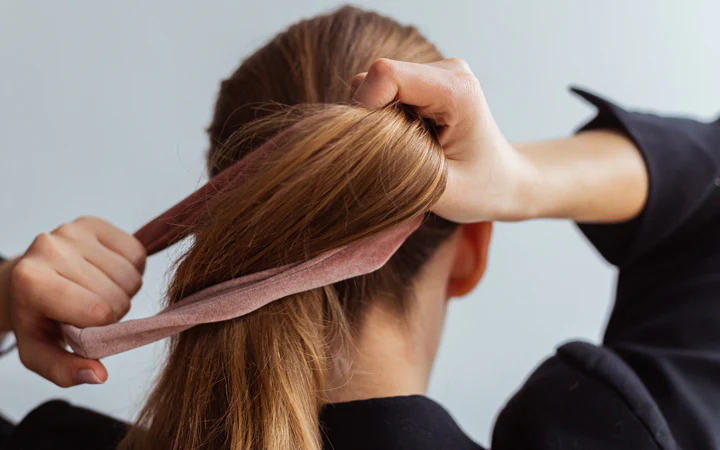
- Secure with a Gentle Tie: Use a silk scrunchie or a spiral hair tie to hold your style in place.
- Add a Cover (Optional): For maximum protection, slip on a silk bonnet or wrap your hair in a silk scarf.
- Sleep on Silk: Rest your head on a silk or satin pillowcase to minimize any remaining friction.
Tips for Different Hair Types and Textures
Not all hair is the same. Here’s how you can adapt your routine based on your specific hair type.
Protective Styles for Curly and Coily Hair
Curly hair is often prone to dryness, so protecting it at night is crucial for retaining moisture and preventing frizz. The pineapple method is a go-to for preserving curl patterns. For more detailed tips, check out this guide on how to sleep with curly hair. Twists or a silk bonnet are also excellent choices.
Best Practices for Straight and Fine Hair
Fine hair is delicate, so the goal is to prevent stress and dents. A loose braid or a low bun secured with a silk scrunchie is perfect. Avoid any style that feels heavy or puts too much weight on your strands.
Overnight Styling for Long Hair
Long hair can easily become a tangled mess overnight. A long, loose braid or a rope braid will keep the length contained and protected. Make sure to tuck the ends in securely.
Short Hair Sleep Styles
If you’re wondering how to sleep with short hair, sometimes less is more. For very short styles, sleeping with it down on a silk pillowcase may be all you need. If your hair is long enough, a couple of small, loose pin-curls or simply wearing a silk scarf or bonnet can protect it.
Common Mistakes to Avoid When Tying Hair at Night
Even with the best intentions, it’s easy to make a few mistakes. Here’s what to watch out for.
Tying Hair Too Tight
This is the most common mistake. A tight ponytail or bun pulls on your follicles and can cause breakage right at the scalp. Your hairstyle should never cause a headache or feel sore. If it does, it’s too tight.
Using Damaging Hair Ties
As mentioned before, using a rubber band or a tie with a metal piece can snag and break your hair, undoing all your good work. Always reach for something soft and smooth.
Going to Bed With Wet Hair
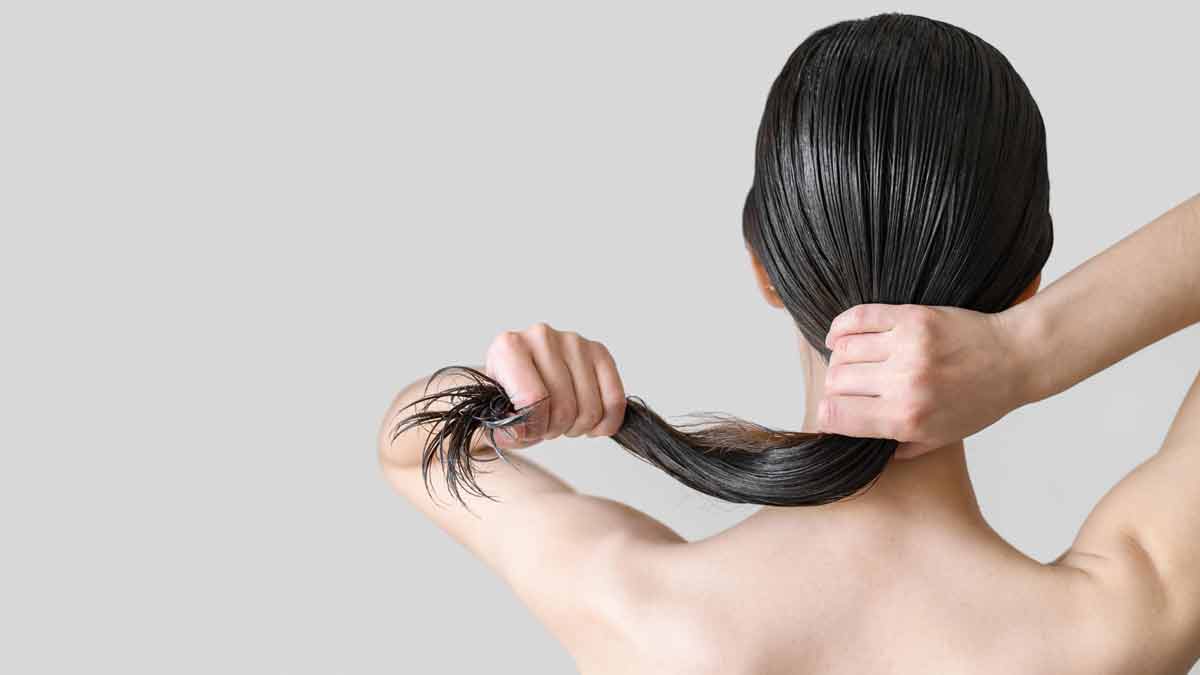
Wet hair is in its most fragile state. Tying it up or sleeping on it when wet can cause it to stretch and snap. If you must wash your hair at night, let it air-dry at least 90% of the way. If you have no choice, learn the safest way for how to sleep with wet hair to minimize damage.
Styling in the Same Position Every Night
Repeating the exact same high ponytail or bun every single night can cause localized stress and breakage. Try to switch up your styles. If you love a bun, vary its position—from high, to mid-level, to low.
How Long Before You See Results
This isn’t an overnight fix, but you’ll notice improvements faster than you think. Within a couple of weeks, you should see a lot less breakage and fewer tangles in the morning. Your hair will likely feel smoother.
Visible length retention usually becomes noticeable after 2-3 months of consistent protection. Remember, consistency is everything. Combining this nighttime routine with a healthy overall hair care regimen will give you the best results on your journey to longer, stronger hair.
Conclusion
Taking a few minutes to protect your hair before bed is a simple act of self-care that pays off in the long run. By choosing gentle hairstyles and the right accessories, you minimize nightly damage, reduce breakage, and give your hair the best chance to grow long and healthy.
It’s not about achieving perfection, but about creating consistent, healthy habits. For more tips on wellness and embracing your unique beauty, feel free to explore more on www.notonetype.org.

Có thể bạn quan tâm
How to Sleep With Wet Hair: Tips to Protect Your Strands Overnight
Washing your hair at night saves time in the morning, but going to bed with...
Dec
How to Sleep with Wavy Hair: 7 Ways to Preserve Your Waves
Sleeping with wavy hair can feel like a nightly gamble. You go to bed with...
Dec
How to Get Wavy Hair Overnight Short Hair: 8 Easy Heatless Methods
Getting wavy hair overnight with short hair is easier than you might think, and you...
Dec
How to Sleep With Short Hair: Tips to Wake Up With Beautiful, Damage-Free Hair
Sleeping with short hair can feel like a nightly gamble. You go to bed with...
Dec
How to Keep Hair Straight Overnight: 10 Easy Methods That Work
It’s a familiar story. You spend precious time carefully flat-ironing your hair until it’s perfectly...
Dec
How to Sleep with Curly Hair Without a Bonnet: (8 Easy Ways)
Protecting your curls overnight doesn’t have to mean wearing a bonnet. Maybe you find them...
Dec