
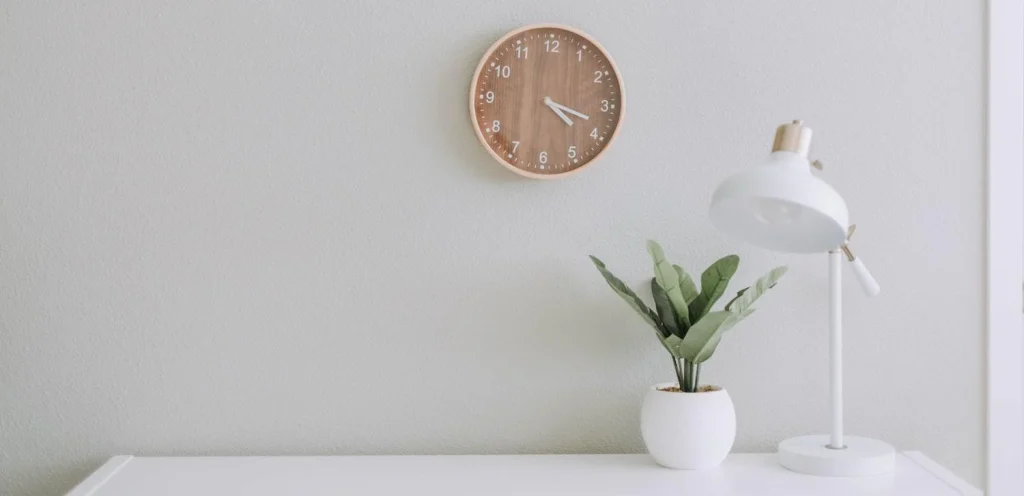
Minimalism is the intentional practice of promoting what you value most while removing everything that distracts from it. At its core, minimalism means living with only the things you truly need—possessions, commitments, and relationships that support your purpose and bring genuine value to your life. Far from being about deprivation, minimalism is a tool to help you find happiness, fulfillment, and freedom by focusing on what truly matters rather than accumulating more stuff. Whether you’re interested in finding out the core minimalism lifestyle benefits or applying it to your home or creative work, minimalism offers a path to clarity and intentional living in an increasingly cluttered world.
The Core Philosophy of Minimalism
So, what’s the big idea behind minimalism? It’s not about owning nothing. Honestly, it’s about intention. It’s a conscious shift away from the idea that more stuff equals more happiness.
Instead of chasing quantity, minimalism champions quality. It’s about choosing experiences over possessions and prioritizing your personal values over a mountain of things you don’t need. It’s a quiet rebellion against the loud, consumer-driven message that our happiness is just one purchase away. At its heart, minimalism is about finding fulfillment in personal growth, meaningful relationships, and the life you live—not the things you own.
Intentionality as the Foundation
The single most important word in minimalism is intentionality. It means you are deliberate about what you allow into your life. This goes for the clothes in your closet, the apps on your phone, and even the commitments in your schedule.
Being intentional forces you to pause and ask, “Does this add value to my life?” It makes you get clear on what you’re passionate about. You start making choices that align with the person you want to be, not just reacting to what’s new or popular. It’s about designing a life that feels right for you.
Quality Over Quantity Mindset
Have you ever heard Marie Kondo ask if an item “sparks joy”? That’s the quality-over-quantity mindset in action. Minimalists would rather have one great, well-made coat that they love than ten cheap ones that just take up space.
This idea extends far beyond physical items. It’s about choosing to spend your time and energy on high-quality relationships and fulfilling activities. It’s about investing in things—and people—that truly serve a purpose and improve your life. It’s about focusing on the best, not just on more.
Freedom from Consumerism
Let’s be real: we’re constantly told to buy more. New phone, new car, new fashion. Minimalism offers a way off this treadmill. It gives you the freedom to stop chasing the next best thing and find happiness somewhere other than a shopping mall.
By breaking free from that constant desire to possess, you can discover a sense of personal harmony and authenticity. You’re no longer defined by what you own but by who you are and how you live. This idea is closely tied to conscious consumerism.
Minimalism as a Lifestyle Choice
Choosing minimalism as a lifestyle means making practical, everyday choices to live with less. It’s about regularly decluttering your space and being mindful about every new thing that comes through the door.
But here’s the key: minimalism looks different for everyone. For one person, it might mean having a capsule wardrobe. For another, it might be about a clean, simple home decor style. There’s no single right way to do it. It’s a flexible framework you adapt to your own values and circumstances.
Decluttering and Owning Fewer Possessions
This is often the first step people take. Decluttering is the process of removing excess stuff to make room for what matters. But it’s not a one-and-done project. It’s an ongoing habit of evaluating what you own, and many people find it easier when they follow simple decluttering tips for beginners that help them stay focused and intentional.
Think of it as curation. You’re curating your life to include only the things that support your purpose. Practical methods like the “one in, one out” rule (for every new item you bring in, one old item goes out) can help maintain that balance.
Experiences Over Material Things
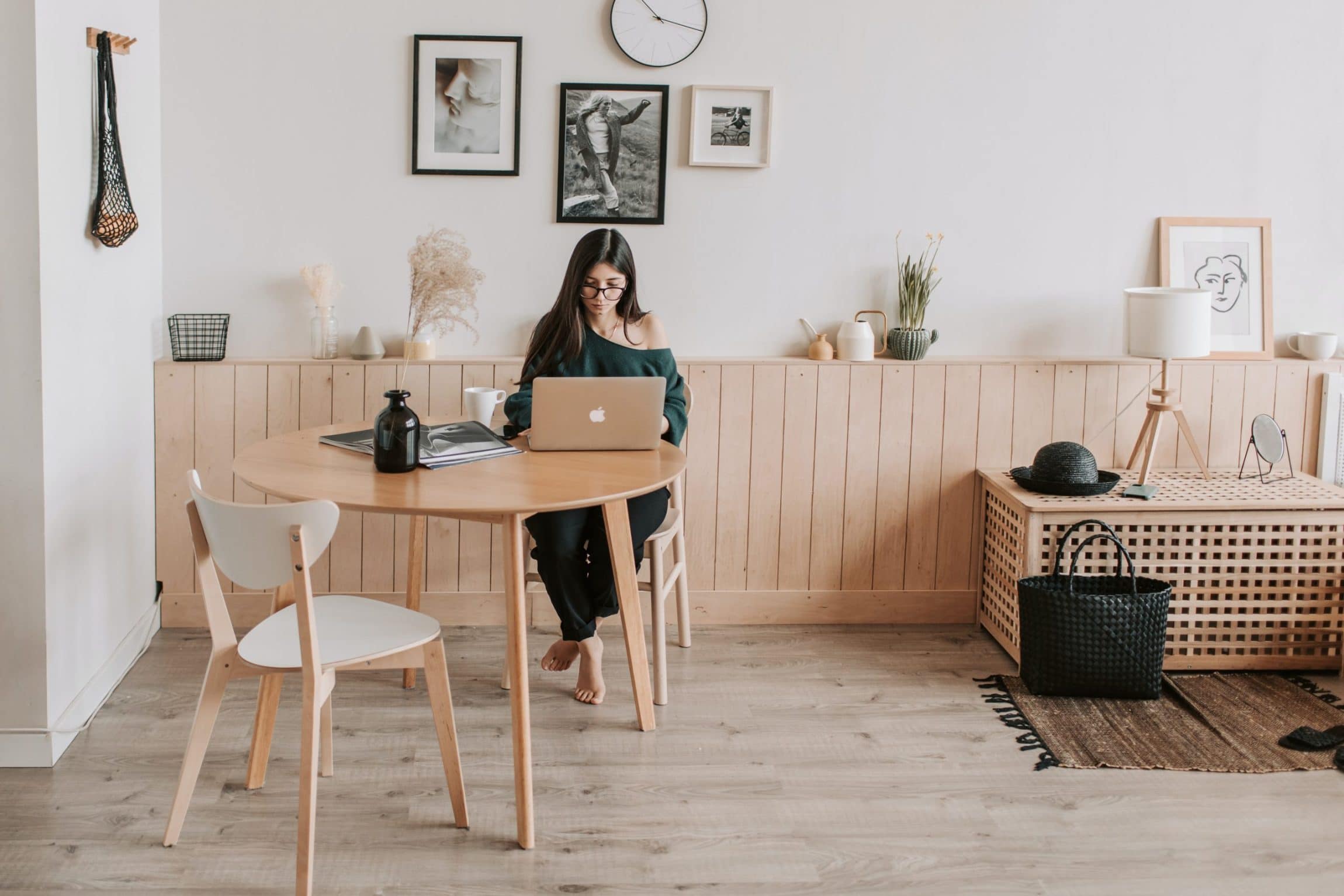
A core shift in minimalist living is valuing experiences more than physical items. Instead of spending money on another gadget, you might save it for a trip, a concert, or a nice dinner with friends.
This shift naturally leads to a richer life. You’re building memories, strengthening relationships, and pursuing passions. These are the things that bring lasting fulfillment, long after the novelty of a new purchase has worn off. This is a central theme when people explore how to become a minimalist.
Mindful Consumption and Decision-Making
Once you’ve decluttered, the next step is being mindful about what you bring back in. Minimalism encourages you to make conscious decisions about your purchases. Before you buy something, you learn to ask: Do I truly need this? Will it serve a purpose?
This thoughtful approach often includes considering the environmental impact of your purchases and how your belongings affect your mental space. It’s about moving from mindless accumulation to mindful consumption.
Minimalism in Art and Design History
Minimalism wasn’t always a lifestyle philosophy. It actually began as an art movement in the late 1950s and early 1960s, primarily in New York. It was a reaction against the emotional, chaotic style of Abstract Expressionism.
Minimalist artists wanted to strip art down to its most essential elements. They used simple geometric forms, pure color, and industrial materials. The artist Frank Stella famously said of his work, “What you see is what you see,” meaning the art was just about the object itself—no hidden symbols or deep emotional stories.
The 1960s Minimalist Art Movement
Artists in 1960s New York wanted to remove the artist’s personal feelings from the work. They created art that was objective and straightforward. The focus was on simple shapes like cubes and lines, and the materials they were made from. The goal was for the viewer to have a direct experience with the artwork in front of them, without needing any outside context.
Key Principles of Minimalist Visual Art
The core characteristics of minimalist art are pretty clear:
- Essential forms: Art was stripped down to its fundamental components.
- Geometric shapes: Circles, squares, and lines were common.
- No ornamentation: Any decorative or symbolic elements were removed.
- Material reality: The focus was on the paint, steel, or wood itself, not on what it might represent.
Minimalist artists wanted you to experience the physical presence of the art—its shape, color, and texture—and nothing more.
Minimalist Architecture and Design
The “less is more” idea moved from art galleries into our homes. Minimalist architecture and design became popular in the late 1980s in places like London and New York. The goal was to strip everything down to its essential quality to achieve simplicity.
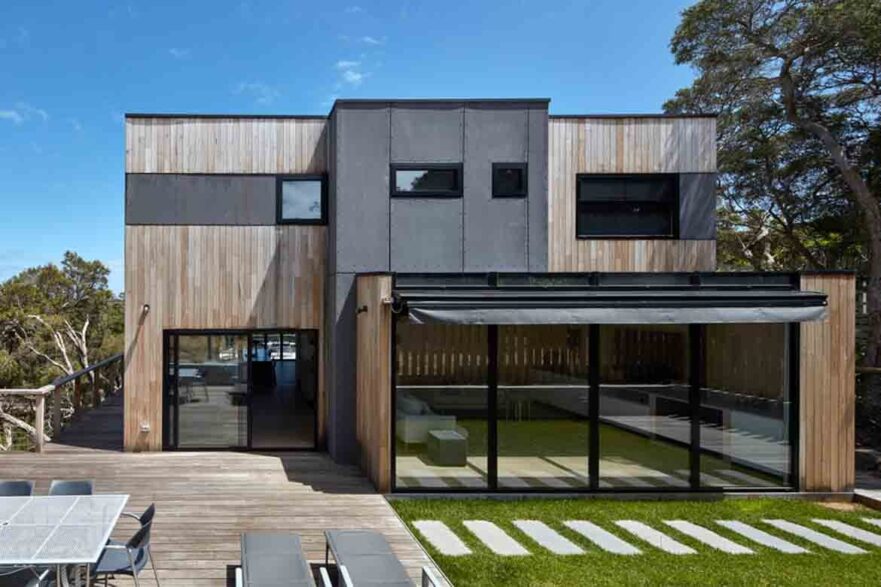
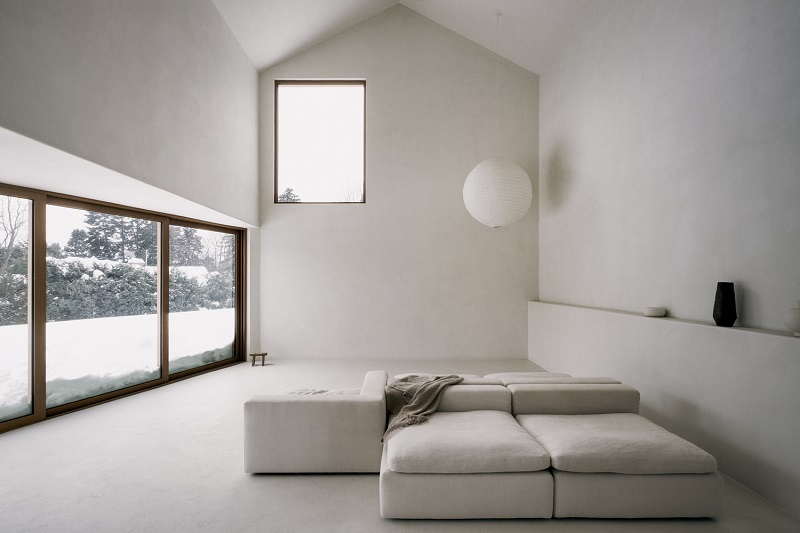
This style emphasizes clean lines, neutral colors, and the smart use of empty space. Every element has a purpose. Minimalist design considers both the physical space and how it makes you feel, focusing on things like materiality, texture, and natural light to create a calm, uncluttered environment. Learning how to create a minimalist home is a journey into these principles.
Core Design Elements and Principles
In minimalist design, you’ll often find:
- Large, open spaces
- Simple geometric shapes and straight lines
- An abundance of natural light
- A neutral color palette (whites, grays, beiges)
- Minimal, functional furniture
Everything is chosen with care. The focus is on function and simplicity, but without sacrificing beauty. Every detail is considered, from the texture of the walls to the placement of a single chair.
Scandinavian and Japanese Influences
Modern minimalism has been heavily influenced by Scandinavian design and Japanese aesthetics. From Scandinavia, it borrows a love for natural materials like wood, simple forms, and functional comfort (hygge).
From Japan, it draws on the concept of wabi-sabi—finding beauty in imperfection and simplicity. Both traditions emphasize a connection to nature and a focus on essential, well-crafted elements. It’s no surprise that many of the world’s happiest countries have a culture rooted in this simpler approach to living.
Minimalist vs. Modern Minimalism
It’s helpful to know the difference between traditional and modern minimalism.
- Traditional minimalism is very strict: only the absolute essentials, with large, simple components and very few items.
- Modern minimalism is a bit softer. It maintains the core idea of simplicity but allows for more decorative pieces, cozy textures, and eye-catching forms, as long as the space remains uncluttered.
Both value functionality, but they express it with slightly different aesthetics.
Benefits of Embracing Minimalism
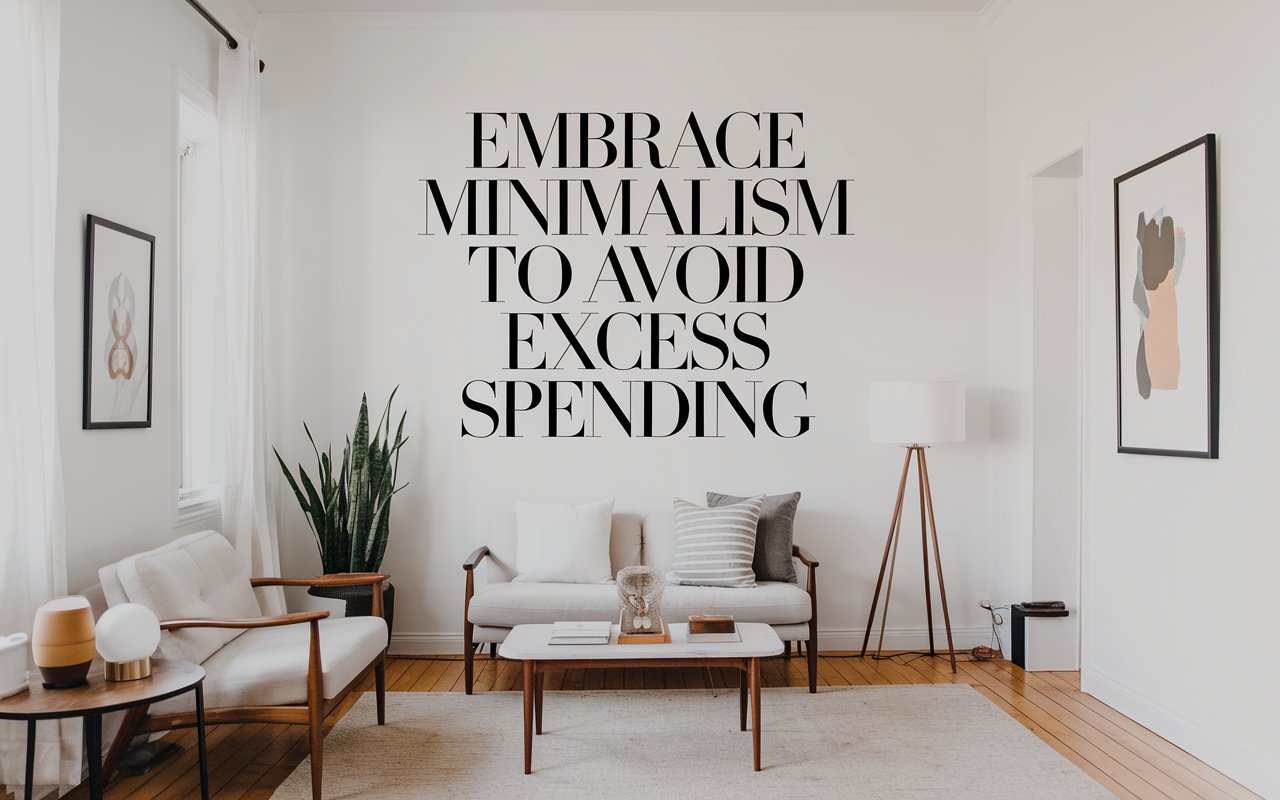
Why do people choose this lifestyle? The benefits are both practical and profound. Embracing minimalism often leads to less stress, more free time, and significant financial savings.
When you clear out the clutter—both physical and mental—you create space to focus on your goals, your passions, and your relationships. It’s a path to rediscovering what truly makes you happy.
Mental and Emotional Benefits
Removing physical clutter has a powerful effect on your mind. A simplified space leads to less stress and anxiety. Many people report a feeling of calm and improved mental clarity. You have fewer things to worry about, clean, and organize.
Minimalism also helps you practice gratitude. By appreciating what you already have instead of constantly wanting more, you can find a deeper sense of contentment.
Time and Financial Freedom
Think about all the time you spend shopping, organizing, and cleaning your possessions. With fewer things, you get that time back. You can spend it with loved ones, on a hobby, or simply relaxing.
The financial benefits are just as significant. When you stop buying things you don’t need, you save money. That money can be used to pay off debt, travel, or invest in your future. This is the freedom minimalism provides.
Environmental and Sustainable Impact
Minimalist living is naturally more sustainable. By consuming less, you reduce your environmental footprint. Choosing quality items that last longer means creating less waste, and incorporating simple zero waste lifestyle tips can deepen the connection between intentional living and environmental responsibility. This lifestyle is a direct rejection of the fast-fashion, disposable culture that harms our planet. It’s a powerful form of slow living.
Common Misconceptions About Minimalism
Because it’s become so popular, a lot of myths have popped up around minimalism. Let’s clear a few of them up. It’s not a rigid rulebook; it’s a flexible mindset that you can adapt to fit your life.
“Minimalism Means Living With Nothing”
This is the biggest misconception. Minimalism isn’t about deprivation. It’s about intentionality. You get to decide what adds value to your life. For a photographer, that might include extensive camera gear. For a family with kids, it will include toys. It’s about keeping what you use and love, not about having an empty house.
“Minimalism Is Boring or Restrictive”
Some people think a minimalist life must be dull. In reality, it’s the opposite. By removing the distractions and chores that come with too much stuff, you free up your time and energy for what you’re truly passionate about. Many minimalists find they have more freedom to travel, pursue hobbies, and connect with people. It’s about creating a life filled with purpose, not just possessions.
How to Start Living a Minimalist Lifestyle
Ready to give it a try? The best way to begin is with small, sustainable steps. It’s not about a dramatic overnight purge; it’s about gradually building new habits. Finding your own version of minimalism is a personal journey. You can even try a 30 day minimalism challenge to get started.
Declutter One Space at a Time
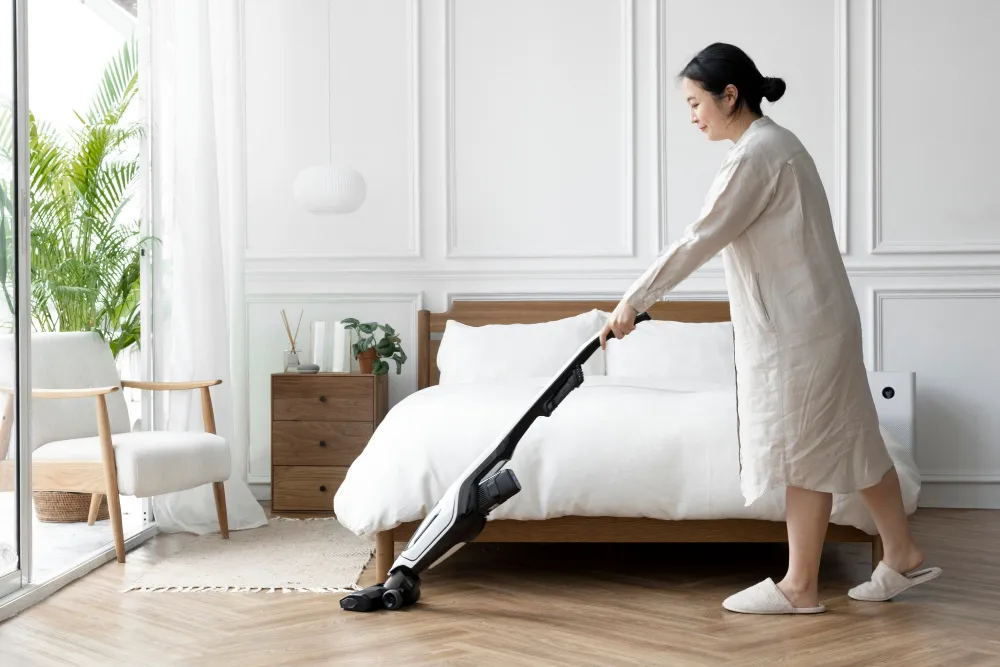
Don’t try to declutter your entire house in one weekend. You’ll just get overwhelmed. Start small. Pick one drawer, one shelf, or one closet. Go through the items and remove anything that no longer serves a purpose. This small win will give you the momentum to tackle bigger areas. A great tool is the 90/90 rule: if you haven’t used it in the last 90 days and don’t plan to use it in the next 90, it’s probably safe to let go.
Ask Intentional Questions About Your Belongings
As you declutter, get in the habit of asking intentional questions about each item:
- Does this serve a purpose in my life right now?
- Does this bring me joy or add value?
- Would I buy this again today?
These questions help you shift from a passive owner to a conscious curator of your life.
Practice Mindful Consumption Moving Forward
After the initial declutter, the key is to be mindful about what you bring in. Before making a new purchase, give yourself a waiting period—maybe 24 hours or even a week. This pause helps you distinguish between a genuine need and an impulsive want. Remember, maintaining a minimalist lifestyle is about ongoing mindfulness, not perfection.
Frequently Asked Questions (FAQs)
What is a minimalist person?
A minimalist person is someone who intentionally lives with only the things they truly need and value. They remove excess possessions and distractions to focus their time, energy, and resources on what matters most to them, prioritizing experiences and quality over quantity.
What is the 90/90 rule in minimalism?
The 90/90 rule is a simple decluttering guide. When looking at an item, ask yourself: “Have I used this in the last 90 days? And will I use it in the next 90 days?” If the answer to both is no, it’s a strong candidate for removal. It helps you be objective about what you’re actually using.
Does minimalism mean you can’t have nice things?
Not at all. In fact, minimalism often encourages you to own nicer things. The focus is on investing in high-quality, durable items that you love and use, rather than accumulating lots of cheap, disposable things. It’s about thoughtfulness, not deprivation.
How many items should a minimalist own?
There is no magic number. Minimalism isn’t a competition to see who can own the least. The right number of items depends entirely on your personal lifestyle, work, family, and values. What matters is that everything you own has a purpose.
Can you be a minimalist with kids?
Absolutely! Minimalism with a family looks different, but the principles are the same. It involves being intentional about toys and clothes, teaching children the value of experiences over things, and keeping the home organized around items that are actively used and loved.
Is minimalism just a trend?
While it’s very popular right now, the philosophy behind it is timeless. With roots in cultural traditions like Japanese wabi-sabi and Scandinavian design, it’s more of a counter-movement to consumerism than a passing fad. People will always be seeking more intentional and meaningful lives.
What’s the difference between minimalism and being cheap?
Minimalism is about value, while being cheap is about price. A cheap person buys the lowest-priced item, regardless of quality. A minimalist focuses on the long-term value and purpose of an item, and is often willing to invest more in something that is well-made and will last.
I hope this guide has given you a clearer picture of what minimalism is all about. It’s a journey of discovery, and it starts with a single, intentional choice. To explore more about intentional living, feel free to look around here at www.notonetype.org.

Có thể bạn quan tâm
15 Minimalism Rules That Work: Simple Guide to Declutter Fast
Minimalism rules are practical guidelines that help you declutter your space, reduce decision fatigue, and...
Dec
How to Design a Minimalist Bedroom: A Complete Guide to Creating a Calm, Clutter-Free Space
A minimalist bedroom is more than just a style; it’s a mindset. It embraces simplicity...
Dec
How to Make Your Phone Minimalist: 8 Simple Steps to Reduce Distractions
My phone used to be the first thing I reached for in the morning and...
Dec
How to Create a Minimalist Home: A Practical Guide to Simplified Living
Creating a minimalist home is about so much more than just having less stuff. It’s...
Dec
How to Create a Minimalist Wardrobe: A Beginner’s Guide
Creating a minimalist wardrobe isn’t about depriving yourself of beautiful clothes; it’s about curating a...
Dec
30 Day Minimalism Challenge: A Complete Guide to Decluttering Your Life
If you’ve ever felt overwhelmed by the amount of stuff in your home, you’re not...
Dec