

Becoming a minimalist doesn’t mean getting rid of everything you own or living in an empty home. At its core, it’s about intentionally choosing what adds value to your life and letting go of the excess that weighs you down. If you’re feeling overwhelmed by clutter, seeking mental clarity, or just want to simplify your daily routine, this lifestyle offers a path to a more focused and fulfilling life. This guide will walk you through the practical steps to embrace minimalist living, from shifting your mindset to decluttering your space and building sustainable habits. To get started, it’s helpful to first understand what is the minimalism at its heart.
Understanding Minimalism
Before you start decluttering, it’s important to grasp the philosophy behind minimalism. It’s not about stark white walls and owning exactly 100 things. It’s a personal journey focused on prioritizing what matters most to you and removing the rest—whether that’s physical stuff, draining commitments, or mental clutter.
Minimalism looks different for everyone. For one person, it might mean a tiny home and a backpack. For another, it might just be a clean garage and a clear schedule. You get to define what it means for your life.
What Minimalism Is (and Isn’t)
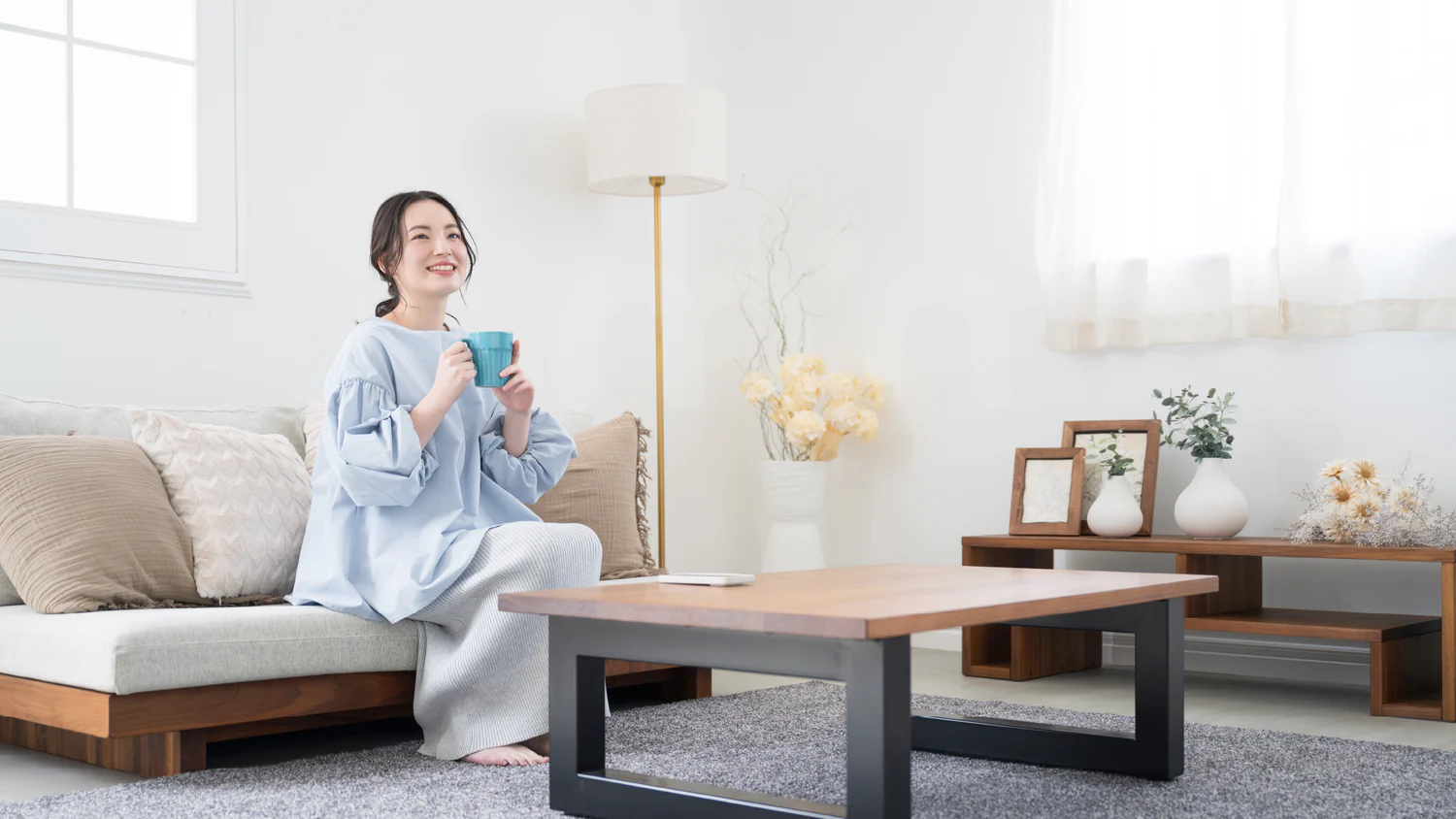
Let’s clear up a few common misconceptions. Minimalism is not about deprivation. It’s about intentionality. It’s not a competition to see who can own the least, but a tool to help you live a more meaningful life.
Instead of deprivation, think of it as curation. You are the curator of your own life, carefully selecting only the things that serve a purpose, bring you joy, or are truly beautiful. This idea is closely related to concepts like simple living and intentional living, which both focus on aligning your daily actions with your deeper values. It’s about creating space for what truly matters.
The Benefits of a Minimalist Lifestyle
Why do people choose this path? The rewards go far beyond a tidy home. Embracing minimalism can lead to significant improvements in your well-being.
People often report reduced stress and anxiety. When your environment is cluttered, your mind can feel cluttered, too. Studies have shown that decluttering can actually reduce levels of the stress hormone cortisol. By simplifying your surroundings, you create mental space to breathe. You’ll likely discover you have more time, greater financial freedom, and a better focus on your true priorities. Exploring the minimalism lifestyle benefits in detail can be a great motivator.
Developing a Minimalist Mindset
Sustainable minimalism begins in your mind, not your closet. Before you toss a single item, you need to shift your perspective. It’s about recognizing that happiness and self-worth don’t come from material possessions. This journey is one of self-reflection and understanding what you truly value.
Start with Appreciation and Gratitude
Before you start getting rid of things, take a moment to appreciate what you already have. Look around your home and acknowledge the items that serve you well and make you happy.
Try making a short gratitude list. It could include your comfy bed, your favorite coffee mug, or the artwork on your wall. This simple exercise shifts your focus from a mindset of lack and acquisition to one of appreciation and contentment. You build a foundation of gratitude, which makes it easier to let go of what you don’t need.
Question Your Consumption Habits
The next mental shift involves questioning your habits. Many of us shop on autopilot—out of boredom, stress, or just because something is on sale. Minimalism encourages you to become a more conscious consumer.
Before making a new purchase, pause and ask a few questions:
- “Do I really need this?”
- “Will this genuinely add value to my life?”
- “Do I already own something that serves the same purpose?”
This pause helps break the cycle of mindless consumption. You start buying things for their utility and value, not for a fleeting emotional high.
How to Start Your Minimalist Journey
Ready to begin? The key is to start small to avoid feeling overwhelmed. This isn’t a race. It’s about making gradual, intentional changes that you can stick with for the long haul.
Take Tiny, Sustainable Steps
Forget about the dramatic, weekend-long purges you see on TV. For most people, that approach leads to burnout and regret. The most effective way to start is with tiny, manageable steps.
Pick one small, low-stakes area. It could be your junk drawer, the cabinet under the bathroom sink, or a single shelf on your bookshelf. The goal is to build momentum and confidence. Celebrate each small win. If you need a structured starting point, a 30 day minimalism challenge can provide a great roadmap with daily bite-sized tasks.
Stop Shopping and Bringing New Items In
It’s hard to empty a bucket while the faucet is still running. Before you get deep into decluttering, try to stop the inflow of new items. This doesn’t have to be forever, but a temporary pause can make a huge difference.
- Unsubscribe from promotional emails.
- Avoid browsing online stores or the mall out of boredom.
- Implement a “waiting period.” If you want to buy something non-essential, wait 30 days. If you still want it then, you can consider it more thoughtfully.
Decluttering Your Physical Space
Once you’ve shifted your mindset and paused the inflow, you can start tackling your physical clutter. There are many methods out there, so find one that resonates with you. The goal is to make clear, confident decisions without getting stuck in “what if” scenarios. This is how you begin to create a minimalist home that feels like a sanctuary, especially if you’re learning how to declutter your home in a practical and sustainable way.
The 4-Box Decluttering Method
A simple and effective technique is the four-box method. Get four boxes or bins and label them:
- Keep: Items you love, use regularly, and that add value to your life.
- Donate/Sell: Items in good condition that you no longer need but someone else could use.
- Trash: Items that are broken, expired, or unusable.
- Relocate: Items that belong in another room.
Pick up each item and make a quick decision. The key is to act on the boxes promptly—take the trash out and put the donation box in your car right away to avoid second-guessing.
Room-by-Room Decluttering Approach
A systematic approach can keep you from feeling overwhelmed. Start with the easiest, least emotional spaces first. The bathroom or the linen closet are great starting points because the items are mostly utilitarian. As you build confidence moving room to room, this becomes a natural declutter checklist you can rely on without overthinking the process.
Work your way through your home methodically. Save the most emotionally charged areas, like old photos or sentimental keepsakes, for last. By then, you’ll have honed your decision-making skills and will be better equipped to handle them.

Create a Capsule Wardrobe
Your closet is one of the most impactful areas to simplify. A capsule wardrobe is a collection of a few essential items of clothing that you love and that can be mixed and matched to create numerous outfits.
Start by auditing what you own. Only keep the pieces that fit you well, make you feel confident, and suit your current lifestyle. Aim for a functional wardrobe of 30-50 versatile pieces. This process not only makes getting dressed easier but is a cornerstone of learning how to create a minimalist wardrobe.
Simplifying Beyond Physical Possessions
Minimalism isn’t just about your stuff. It’s a holistic philosophy that can be applied to every area of your life to reduce stress and create more space for what you love.
Simplify Your Schedule and Commitments
Are you constantly busy but not productive? A minimalist approach to your schedule means learning to say “no” to commitments that don’t align with your priorities.
Look at your calendar. Are there obligations driven by guilt or expectation rather than genuine desire? Start trimming them down. Block out time for rest, hobbies, and the people who matter most. Your time is your most valuable resource; spend it intentionally.
Clear Mental and Digital Clutter
Just like physical clutter, mental and digital clutter can drain your energy. Practices like meditation, journaling, and limiting your news intake can help quiet your mind.
Digital minimalism is also key. Unsubscribe from newsletters you never read, limit your time on social media, and organize your computer files. A clear digital workspace contributes to a clear mind and reduces feelings of being overwhelmed.
Evaluate Your Relationships
This is a delicate but important aspect of minimalism. It’s about consciously choosing to surround yourself with people who support and uplift you.
This doesn’t mean cutting friends out of your life abruptly. It means recognizing relationships that are consistently draining or toxic and gently creating boundaries. Nurture the connections that bring you joy and help you grow, and invest your limited social energy there.
Building Sustainable Minimalist Habits
Becoming a minimalist is a process, not a one-time event. The goal is to build habits that keep your life simple and intentional for the long haul. There are a few simple minimalism rules you can follow to maintain your progress.

Practice the One-In-One-Out Rule
This is one of the most effective minimalism rules for preventing clutter from creeping back in. For every new item you bring into your home, one similar item must go out.
Buying a new pair of shoes? Donate or sell an old pair. This rule forces you to be thoughtful about every purchase and maintains the equilibrium you’ve worked so hard to create.
Regular Decluttering Check-Ins
Your needs and priorities will change over time. What was essential a year ago might be clutter today. Schedule regular check-ins—maybe quarterly or once a season—to reassess your belongings.
This doesn’t have to be a massive purge. Just a quick scan of your closet, pantry, and bookshelves can help you catch clutter before it accumulates.
Invest in Quality Over Quantity
Minimalism often encourages a shift toward buying fewer, but better, things. Instead of buying ten cheap t-shirts that fall apart after a few washes, you might invest in three high-quality ones that will last for years.
This approach often saves you money in the long run, reduces waste, and ensures that the items you do own are beautiful, functional, and durable. Choosing long-lasting items naturally supports practices like zero waste cooking, where the focus is on using what you have efficiently and minimizing overall waste in daily life.
What Are Common Minimalism Challenges?
The path to minimalism isn’t always smooth. It’s normal to face a few obstacles along the way. Knowing what to expect can help you navigate them successfully.
Dealing with Sentimental Items
Letting go of items with emotional attachments is often the hardest part. Remember that memories are in you, not in your things.
For items like gifts, your memory is of the giver’s kindness, not the object itself. For other sentimental items, consider keeping just one or two representative pieces from a collection or taking a photograph to preserve the memory without the physical clutter.
When Family Members Resist Minimalism
What if you’re ready to simplify but your partner or family isn’t on board? This is a common challenge. The key is communication and respect.
Start with your own personal spaces—your side of the closet, your desk, your car. Lead by example rather than by force. Focus on the benefits you’re experiencing, like being less stressed or having more time for them. Find compromises that respect everyone’s belongings and comfort levels.
Ultimately, becoming a minimalist is a journey of self-discovery. It’s about defining your own version of “enough” and building a life that reflects your deepest values. Be patient, be kind to yourself, and enjoy the freedom that comes with living with less. If you’re looking for more inspiration on intentional living, feel free to explore more at www.notonetype.org.

Có thể bạn quan tâm
15 Minimalism Rules That Work: Simple Guide to Declutter Fast
Minimalism rules are practical guidelines that help you declutter your space, reduce decision fatigue, and...
Dec
How to Design a Minimalist Bedroom: A Complete Guide to Creating a Calm, Clutter-Free Space
A minimalist bedroom is more than just a style; it’s a mindset. It embraces simplicity...
Dec
How to Make Your Phone Minimalist: 8 Simple Steps to Reduce Distractions
My phone used to be the first thing I reached for in the morning and...
Dec
How to Create a Minimalist Home: A Practical Guide to Simplified Living
Creating a minimalist home is about so much more than just having less stuff. It’s...
Dec
How to Create a Minimalist Wardrobe: A Beginner’s Guide
Creating a minimalist wardrobe isn’t about depriving yourself of beautiful clothes; it’s about curating a...
Dec
30 Day Minimalism Challenge: A Complete Guide to Decluttering Your Life
If you’ve ever felt overwhelmed by the amount of stuff in your home, you’re not...
Dec