
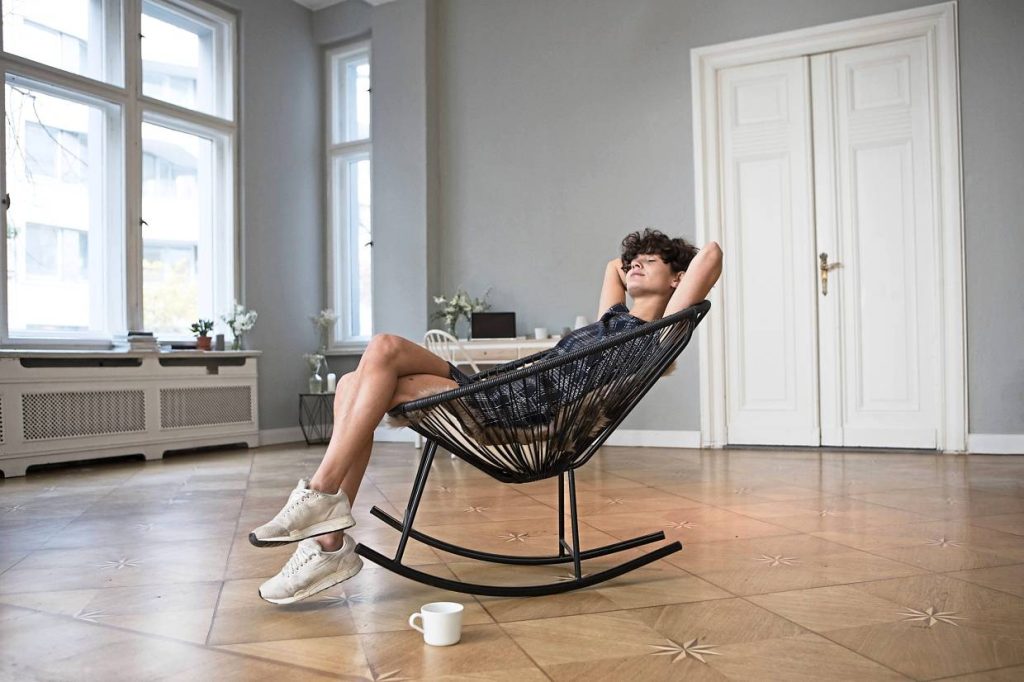
A minimalist lifestyle offers some truly transformative benefits that go far beyond just having a tidy home. By intentionally simplifying your life and focusing on what actually matters, you open up space to breathe. It’s a way to reduce stress, save money, and find more time for the people and experiences you love. If you’ve ever felt overwhelmed by your stuff or are just looking for a more intentional way to live, understanding what minimalism is can be the first step toward a simpler, more fulfilling life.
What Is a Minimalism Lifestyle?
Let’s clear something up: minimalism isn’t about living in a stark white room with only one chair. It’s not about getting rid of everything you own or following a strict set of rules. At its core, minimalism is a philosophy centered on intentionality.
It’s about asking yourself what truly adds value to your life and letting go of the rest. This applies to more than just physical possessions. It’s about clearing out excess from your schedule, your commitments, and even your mind. Think of it as prioritizing quality over quantity in every corner of your life. The beauty of minimalism is that it looks different for everyone. It’s a flexible framework you adapt to fit your own values and needs.
Mental Health and Emotional Benefits
One of the most profound impacts of minimalism is on mental well-being. By simplifying your external world, you create a calmer internal world. It’s a way to quiet the noise and reduce the constant low-level stress that clutter often brings.
Reduced Stress and Anxiety
Have you ever walked into a messy room and felt your shoulders tense up? That’s not just in your head. Research has suggested that cluttered environments can increase cortisol, our primary stress hormone.When your space is filled with stuff, your mind often mirrors that sense of overload, which is why many people benefit from learning how to declutter your home in a way that feels manageable and sustainable. With fewer possessions to clean, organize, and keep track of, your mental load lightens and you experience a genuine sense of calm.
Minimalism directly counters this. With fewer possessions to clean, organize, and worry about, your mental load lightens. There’s a real sense of peace that comes from knowing exactly what you own and where it belongs. Many people, myself included, find a deep sense of calm and control after simplifying their living spaces.
Improved Focus and Mental Clarity
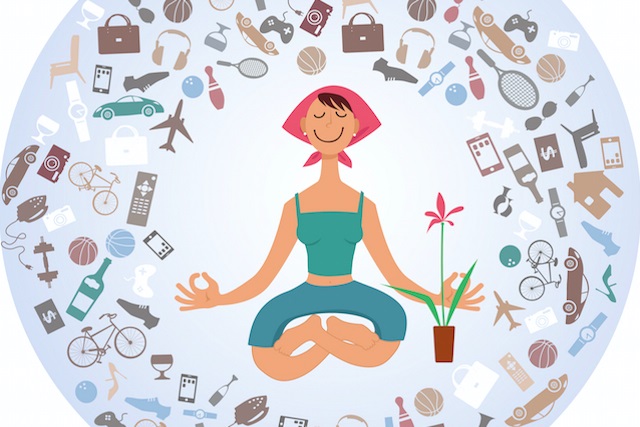
Physical clutter is also a major source of visual distraction. Every object in your line of sight competes for your brain’s attention. When you remove that excess, you also remove the mental clutter that comes with it.
A simplified environment makes it easier to concentrate on the task at hand, whether that’s working on a project, reading a book, or just having a meaningful conversation. You free up mental resources that were previously spent managing your surroundings, leading to better productivity and a clearer head for creative thinking.
Enhanced Emotional Well-Being
Minimalism offers a way to step off the hamster wheel of consumer culture. It frees you from the pressure to constantly want more and “keep up with the Joneses.” Instead of chasing happiness through possessions, you learn to find it in what you already have and do.
This shift leads to greater life satisfaction and emotional stability. The act of letting go is also incredibly liberating. Releasing items tied to past versions of yourself or unfulfilled expectations creates space for genuine personal growth and contentment in the present moment.
Financial Benefits of Minimalism
Adopting a minimalist mindset can have a remarkable effect on your finances. When you stop equating happiness with acquiring more things, your spending habits naturally change for the better. This isn’t about deprivation; it’s about conscious consumption.
Significant Cost Savings
Minimalism encourages you to evaluate every purchase. Before buying something, you start asking: Do I truly need this? Will it add value to my life? This simple pause prevents countless impulse buys.
By avoiding “retail therapy” and the constant cycle of chasing trends, you save a significant amount of money over time. This applies to everything from clothing to gadgets to home decor. For example, creating a minimalist wardrobe with high-quality, versatile pieces means you buy fewer items and they last longer.

Shift from Things to Experiences
One of the best financial perks is redirecting your money from things to experiences. Studies have shown that spending on experiences—like travel, concerts, or learning a new skill—provides more lasting happiness than buying material goods.
The financial freedom gained through minimalism allows you to invest in creating memories with the people you care about. That trip you’ve always dreamed of or that class you wanted to take suddenly becomes much more attainable.
More Time for What Matters
Perhaps the most valuable resource we have is time, and minimalism helps you reclaim it. Every object you own requires a piece of your time—to buy it, organize it, clean it, and maintain it. When you own less, you get that time back.
Less Time on Household Maintenance
Think about how much time is spent on household chores. A minimalist home is simply easier and faster to maintain. Less stuff means less dusting, less tidying, and less time spent searching for misplaced items.
These small pockets of time add up quickly. It might be an extra 20 minutes in the morning or a few hours over the weekend. This is time you can now devote to activities that you truly enjoy. If you’re looking for ideas, consider learning how to create a minimalist home that works for you.
Freedom to Focus on Priorities
With more free time and mental energy, you can finally focus on your true priorities. What would you do with a few extra hours each week?
Maybe you’d spend more quality time with your family, invest in a creative hobby, prioritize self-care, or get involved in your community. Minimalism clears your schedule of obligations to your possessions, allowing you to be more intentional with how you spend your days.
Environmental and Sustainability Benefits
Living with less is not just good for you; it’s good for the planet. Minimalism is closely linked to sustainable living because it directly challenges the consumer-driven model of our society.
Reduced Consumption and Waste
The math is simple: buying less means creating less waste. Every product we buy has a lifecycle, and most of it ends in a landfill. By practicing conscious consumption, you reduce the demand for new items and the trash they eventually become. This philosophy encourages reusing, repurposing, and buying secondhand, which are all key practices for a healthier planet.
Smaller Carbon Footprint
Reducing consumption also shrinks your carbon footprint. The manufacturing, packaging, and shipping of goods are incredibly resource-intensive processes. By choosing quality items that last, you reduce the environmental cost associated with producing and disposing of cheap, replaceable products. For many, minimalism also extends to other areas, like using simpler transportation or living in smaller spaces, further reducing their environmental impact.
Stronger Relationships and Social Connections
Minimalism often has a surprising and positive effect on relationships. By shifting your focus away from material things, you create more space for what truly nurtures the human spirit: connection.
Quality Time Over Material Pursuits
When you’re not spending your weekends at the mall or organizing your belongings, you have more time for people. You might find yourself hosting friends in your welcoming, clutter-free home or spending a Saturday afternoon at the park with your kids instead of at a store. Shared experiences, not exchanged gifts, are what build the strongest bonds.
Reduced Social Comparison and Competition
Stepping away from materialism helps you break free from the trap of social comparison. When your self-worth isn’t tied to what you own, you feel less pressure to compete or impress others with your possessions. This allows for more authentic and meaningful relationships based on shared values and genuine connection, not external appearances.
Improved Physical Health
The benefits of a simplified life can even extend to your physical health. The mind and body are deeply connected, and the reduced stress that comes with minimalism has a positive ripple effect.
Better Sleep Quality
A cluttered bedroom can lead to a cluttered mind, making it difficult to unwind and fall asleep. Creating a serene, organized sleeping space is a core tenet of minimalism, and pairing it with simple calming practices—such as deep breathing for stress management—can signal to your brain that it’s time to unwind. This combination makes it easier to fall asleep and supports deeper, more restorative rest.. If you struggle with sleep, learning how to design a minimalist bedroom can be a practical step toward more restful nights.
Encourages an Active Lifestyle
With more time and energy, you have more opportunities to move your body. Instead of managing stuff, you can go for a hike, take a bike ride, or join a yoga class. Minimalism aligns well with valuing outdoor activities and experiences over accumulating sports equipment that often sits unused.
Personal Growth and Self-Discovery
At its heart, minimalism is a tool for self-discovery. The process of decluttering is not just about sorting through objects; it’s about sorting through your life.
Increased Self-Awareness
Deciding what to keep and what to let go of forces you to confront your values and priorities. You learn what is truly important to you, separate from societal expectations or past habits. This journey inward builds incredible self-awareness and helps you make better, more aligned decisions in all areas of your life.
Space for Creativity and Learning
When your mind isn’t bogged down by clutter and consumerism, it has room to wander, create, and learn. The mental clarity that minimalism provides can unlock a wellspring of creativity. You might finally have the focus to learn that instrument, write that book, or start that project you’ve been dreaming about.
How to Start Experiencing Minimalism Benefits
Ready to get started? The key is to begin small and remember that this is a gradual process, not an overnight transformation. The goal is progress, not perfection. If you want a more guided approach, you could try a 30 day minimalism challenge to build momentum.

Begin with Small Spaces
Don’t try to declutter your entire house in one weekend. You’ll just get overwhelmed. Start with a single, manageable area, like a junk drawer, your nightstand, or the bathroom counter. These small wins provide a boost of motivation and show you the immediate benefits of a clutter-free space.
Adopt Mindful Consumption Habits
Decluttering is only half the battle; the other half is preventing clutter from coming back in. Before making a purchase, wait 24 hours. Ask yourself if the item will genuinely add value to your life. This habit helps you transition from an impulse shopper to a mindful consumer. It’s also worth exploring digital minimalism by cleaning up your phone’s home screen and notifications. If this sounds interesting, you might want to learn how to make your phone minimalist.
Embracing minimalism is a journey toward living more intentionally. The benefits—from mental clarity and financial freedom to more time and deeper relationships—compound over time, creating a life that is simpler yet richer in all the ways that count.
If you’re curious to learn more about intentional living, feel free to explore more resources here at www.notonetype.org.

Có thể bạn quan tâm
15 Minimalism Rules That Work: Simple Guide to Declutter Fast
Minimalism rules are practical guidelines that help you declutter your space, reduce decision fatigue, and...
Dec
How to Design a Minimalist Bedroom: A Complete Guide to Creating a Calm, Clutter-Free Space
A minimalist bedroom is more than just a style; it’s a mindset. It embraces simplicity...
Dec
How to Make Your Phone Minimalist: 8 Simple Steps to Reduce Distractions
My phone used to be the first thing I reached for in the morning and...
Dec
How to Create a Minimalist Home: A Practical Guide to Simplified Living
Creating a minimalist home is about so much more than just having less stuff. It’s...
Dec
How to Create a Minimalist Wardrobe: A Beginner’s Guide
Creating a minimalist wardrobe isn’t about depriving yourself of beautiful clothes; it’s about curating a...
Dec
30 Day Minimalism Challenge: A Complete Guide to Decluttering Your Life
If you’ve ever felt overwhelmed by the amount of stuff in your home, you’re not...
Dec