
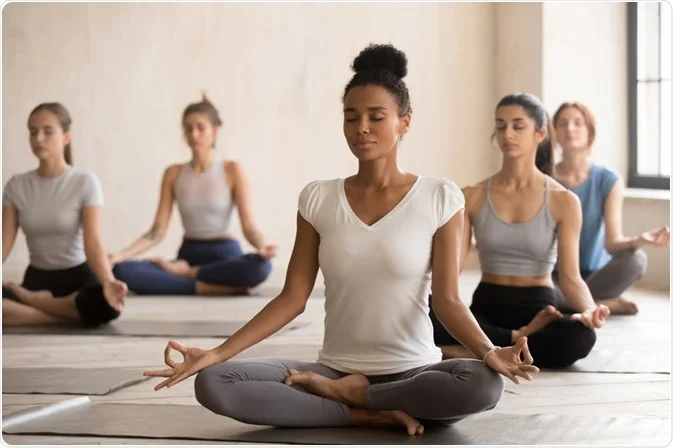
Finding the right way to sit for meditation can feel like the first big hurdle. I remember when I started; I thought I had to fold myself into a perfect lotus position to even begin. The reality is much kinder. The “right” way to sit is simply the way that lets your body be still and your mind be free.
Whether you’re brand new to what is meditation or looking to refine your posture, the goal is a balance between comfort and alertness. Your position should feel stable enough to stay still but relaxed enough that you aren’t fighting pain. The good news is you don’t need to be a human pretzel. From a simple chair to traditional floor cushions, there’s a meditation posture that works for your body, right now.
Foundational Principles of Effective Meditation Posture
Before we get into specific positions, let’s talk about the “why.” Good posture isn’t about looking a certain way; it’s about creating a physical state that supports mental clarity. When your spine is aligned, your breath flows more freely, and you’re less likely to get distracted by discomfort or drowsiness. The core idea is to create a stable base so you can forget about your body and focus on your practice.
Key Elements of Alignment
Think of stacking your body gently, one part on top of the other. The goal is a spine that has its natural curves, not one that’s ramrod straight like a soldier.
- Spine: Imagine a string gently pulling the crown of your head toward the ceiling. Your spine should feel long and upright.
- Head: Let your chin tuck slightly, so the back of your neck is long. Your head should feel balanced right on top of your spine.
- Shoulders: Let your shoulders relax down and back, away from your ears. There should be no tension here.
This alignment allows energy to flow and helps you stay awake and alert. It’s a posture of dignity and ease.
The Role of Comfort and Stability
Your meditation spot should be a place of peace, not pain. While a little bit of discomfort can happen as your body adjusts to a new posture, sharp or persistent pain is a sign to change something.
Stability is just as important. You want a position where you feel grounded and solid, without having to use a lot of muscle to hold yourself up. When you feel physically stable, your mind has an easier time settling down. If you find yourself constantly fidgeting, your position probably isn’t stable enough.
Chair Sitting: The Most Accessible Position
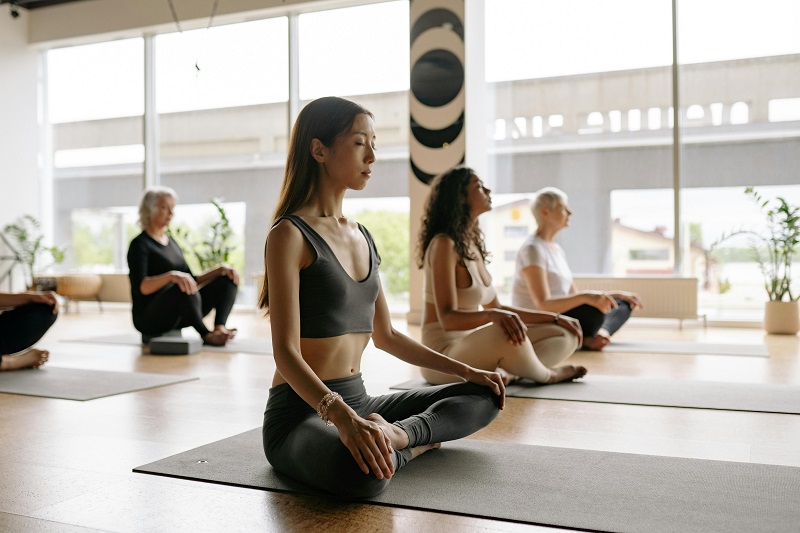
Let’s start with the most underrated and accessible position of all: sitting in a chair. It is a fantastic and completely valid way to meditate. It’s perfect if you have tight hips, knee issues, or just want to fit a session in at the office.
Here’s how to do it right:
- Sit towards the front of the chair, so your back isn’t leaning against the chair back. This engages your core to keep you upright.
- Place your feet flat on the floor, about hip-width apart. If they don’t reach, slide a blanket or a block under them. Your thighs should be roughly parallel to the floor.
- Rest your hands on your thighs, either palms up or down.
- Keep your spine straight and aligned, just as we discussed above.
When to Choose Chair Meditation
Honestly, you can choose chair meditation anytime. It’s especially helpful if you’re recovering from an injury, have limited flexibility in your hips or knees, or find that floor sitting causes your legs to fall asleep. It’s also a great option for longer sessions, where comfort becomes even more crucial. For a simple start, a guided meditation for beginners in a chair is perfect.
Optimizing Your Chair Setup
Not all chairs are created equal. A firm, flat-seated chair (like a dining chair) works much better than a soft, cushy sofa that encourages slouching. Avoid chairs with armrests if they push your shoulders up. The key is creating a setup that supports an alert, upright posture naturally.
Easy Cross-Legged Position (Sukhasana)
This is the classic cross-legged pose many of us picture. It’s a great entry point to floor sitting. The trick here is to always sit on a cushion or a folded blanket.
Why? Elevating your hips allows them to tilt forward slightly, which helps your spine stay straight naturally. If your hips are lower than your knees, your lower back will round, leading to slouching and discomfort.
Getting Comfortable in Cross-Legged Pose
To get settled, cross your legs loosely at the shins. Don’t worry about pulling your feet in close. If your knees are high up in the air, you might need a taller cushion. You can also place pillows or blocks under each knee for extra support. Remember to occasionally switch which leg is in front to keep your hips balanced over time.
Burmese Position: A Stable Alternative
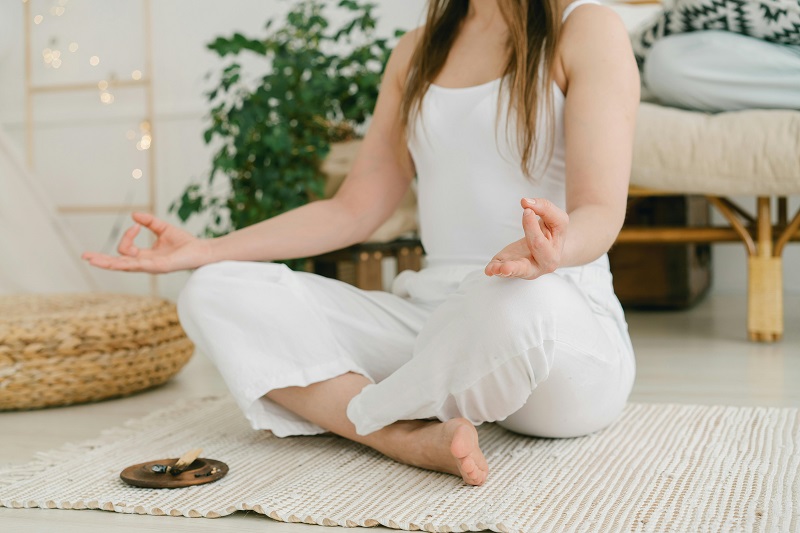
If cross-legged feels a bit unstable or puts pressure on your ankles, the Burmese position is a wonderful alternative.
Instead of crossing your legs, you simply place them one in front of the other. Both of your feet rest on the floor. This creates a very wide, stable base and requires less hip flexibility than other floor positions. Again, make sure you’re sitting on a cushion to get that crucial forward pelvic tilt.
Kneeling Position (Seiza)
Kneeling, known as Seiza in Japan, can be very grounding for some people. You kneel with your shins on the floor and sit back on your heels. For many, this is more comfortable than sitting cross-legged.
Using Props for Kneeling Meditation
Sitting directly on your heels can be intense on the knees and ankles. This is where a meditation bench or a firm cushion comes in handy. You place the bench or cushion between your legs and rest your sitting bones on it. This takes all the pressure off your joints while keeping your spine perfectly aligned. It’s an incredibly stable and comfortable way to sit once you have the right support.
Lotus Variations: Quarter, Half, and Full
Ah, the famous lotus. These positions are often seen as the “goal,” but they are absolutely not necessary for a deep meditation practice. They require a great deal of hip flexibility and should never, ever be forced.
- Quarter Lotus: One foot rests on the opposite calf.
- Half Lotus: One foot is placed up on the opposite thigh.
- Full Lotus: Each foot is placed up on the opposite thigh.
Building Up to Lotus Position
If you are interested in working toward lotus, the key is patience. Focus on gentle hip-opening stretches outside of your meditation time. Never pull or force your feet into position, as this is a direct path to knee injury. Your knees should always feel comfortable. If they are high off the floor or you feel any sharp pain, it means your hips aren’t ready yet. Come back to an easier position. An alternative posture to explore if sitting is difficult is to find out if you can meditate lying down.
When to Skip Lotus Position
Skip it if it hurts. It’s that simple. Your meditation isn’t “better” because of the shape your legs are in. If you have any knee or hip injuries, or simply find other positions more sustainable, then those are the right positions for you. The goal isn’t physical contortion; it’s mental stillness.
Hand Positions and Placement
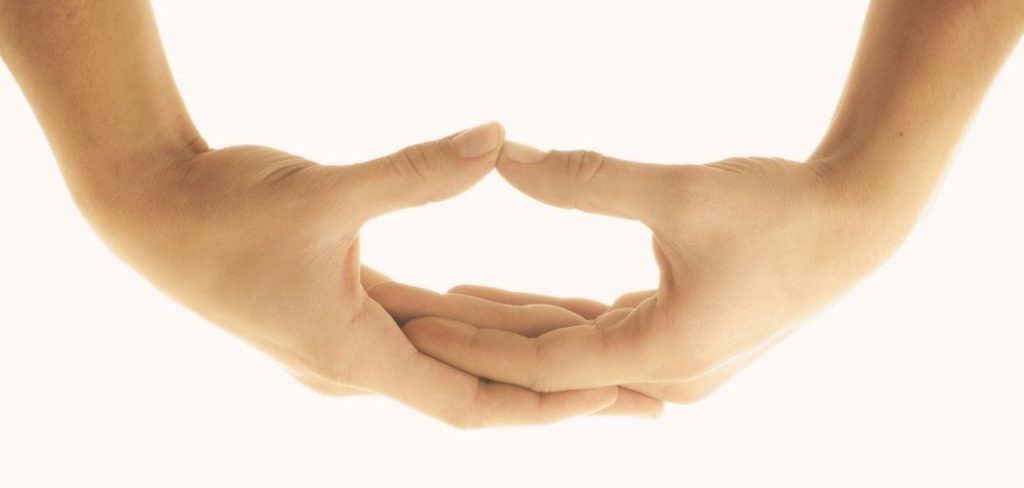
Once your seat is set, what do you do with your hands? The placement of your hands, or mudra, is secondary to your spinal posture but can help focus your energy.
- Palms Down: Rest your hands on your knees or thighs with the palms facing down for a sense of grounding.
- Palms Up: Resting them with palms facing up can create a feeling of receptivity.
- Cosmic Mudra: Place your hands in your lap, with your right hand resting on top of your left, palms up, and the tips of your thumbs lightly touching. This is a classic and very balancing position.
Experiment and see what feels most natural to you.
Using Props and Supports
Props are not cheating! They are smart tools that help your body find its optimal alignment so your mind can do its work.
- Meditation Cushion (Zafu): A round, firm cushion is the most common tool for elevating the hips in floor positions.
- Floor Mat (Zabuton): A flat, square mat that goes under your zafu to cushion your knees and ankles.
- Blankets/Blocks: Can be used to elevate hips, support knees, or place under your feet when sitting in a chair.
- Meditation Bench: Specifically designed to make kneeling comfortable and sustainable.
Using props makes the practice more accessible and allows you to sit for longer periods comfortably, which is key when you start to explore how long you should meditate.
How to Sit for Meditation: Common Posture Mistakes and Fixes
It’s normal to slip into old habits. Here are a few common mistakes and how to gently correct them.
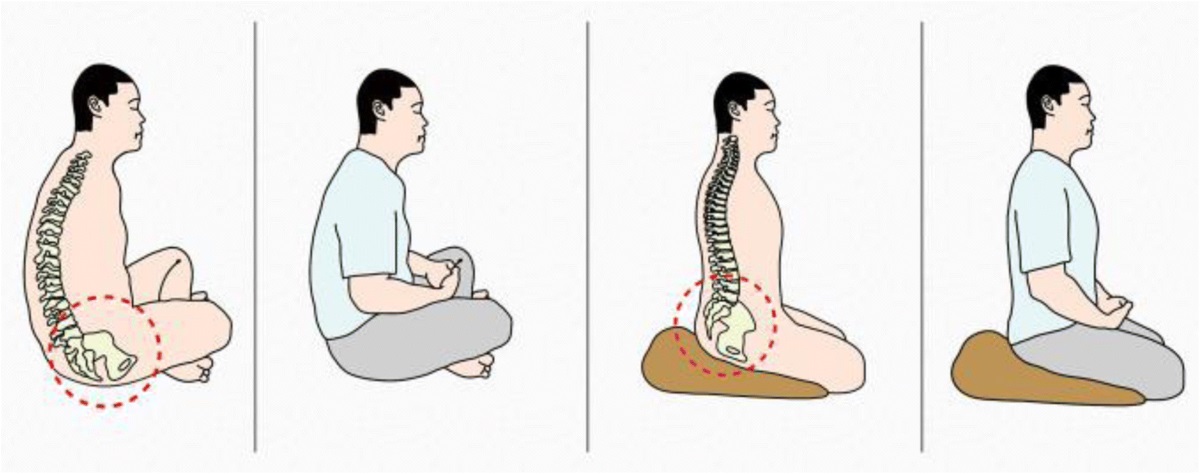
- Slouching: This is the most common issue. The fix is almost always to elevate your hips higher. Sit on a taller cushion or an extra folded blanket. Imagine that string pulling your head up again.
- Tense Shoulders: We hold so much tension in our shoulders. Consciously take a deep breath and let them drop down and back. Do this anytime you notice them creeping up toward your ears.
- Forcing a Painful Pose: If you’re in pain, you’re not meditating; you’re just enduring pain. Listen to your body and adjust. Switch to a chair, add more props, or gently move your legs. Struggling to stay alert is also a sign to adjust your posture, which can help with how to not fall asleep during meditation.
The Best Seat is Your Seat
Ultimately, the best way to sit for meditation is the way that works for your unique body. Your practice will change day to day, so what feels good today might not feel right tomorrow. The real practice is listening inwardly and responding with kindness.
Experiment with these positions, use props generously, and let go of any idea that you need to look a certain way. The perfect posture is simply the one that allows you to sit with stability and ease.
Here at www.notonetype.org, we believe meditation is for every body. Find your comfortable seat, and the rest will follow.

Có thể bạn quan tâm
Morning Meditation Guide: How to Start Your Day with Mindfulness
Starting your day with morning meditation can completely change your mental clarity, reduce stress, and...
Dec
Meditating on the Breath: A Complete Guide to Breath-Focused Meditation
Meditating on the breath is one of the simplest and most accessible forms of what...
Dec
How to Stay Awake During Meditation: Simple Techniques That Work
It’s a familiar story. You settle onto your cushion, ready for a session of peace...
Dec
Can You Meditate Lying Down? A Complete Guide
Let’s clear this up right away: you absolutely can meditate lying down. If you’ve ever...
Dec
Can You Meditate With Music? Benefits & How-To Guide
Meditation comes in many forms, and the question of whether you can meditate with music...
Dec
When Is the Best Time to Meditate? Finding Your Ideal Practice Schedule
So, you’re looking to start a meditation practice, or maybe deepen an existing one. That’s...
Dec