
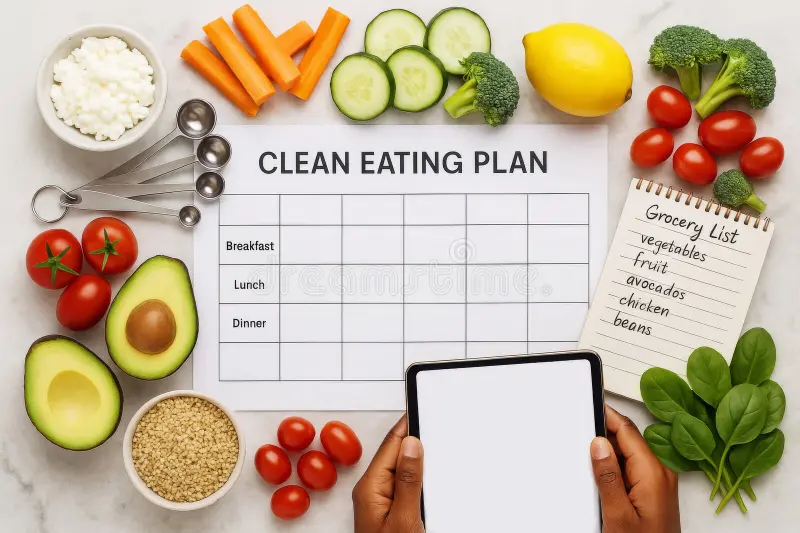
Creating a healthy grocery list is one of the most effective first steps you can take to improve your diet, save money, and feel more in control of your wellness goals. A well-organized shopping list is like a roadmap for the grocery store—it helps you navigate with confidence, bypass the temptation of processed foods, and ensure your kitchen is stocked with nutritious ingredients for the week. This comprehensive guide will walk you through everything you need to build a balanced grocery list, complete with practical shopping strategies and budget-friendly tips to make healthy eating feel both accessible and sustainable. It’s all about creating good eating habits that last.
Why You Need a Healthy Grocery List
Walking into a grocery store without a plan can be overwhelming for both your health and your wallet. A simple list transforms the experience from a chore into a mindful activity. Research consistently shows that shoppers who use lists tend to make healthier choices and are more successful with weight management.
By planning ahead, you drastically reduce impulse purchases—those sugary snacks and highly-processed items that call your name from the end caps. This not only supports your health but also prevents food waste and saves money. When your grocery list is tied to a weekly meal plan, you’re more likely to cook at home, leading to better overall diet quality and a stronger connection to the food you eat.
How to Build Your Grocery List
Creating an effective grocery list isn’t just about scribbling down what you think you need. It’s a simple, strategic process that sets you up for a week of nutritious eating.
Plan Your Weekly Meals First
Your grocery list should always start with a meal plan. Before you even think about what to buy, decide what you’re going to eat for the week.
Think about your schedule: How many breakfasts, lunches, and dinners will you eat at home? Do you need grab-and-go snacks? Once you have a rough idea, pick a few simple recipes. From there, pull all the necessary ingredients to form the foundation of your list. This organized approach makes meal prep for busy people much more manageable. Studies have shown a strong link between meal planning and maintaining a healthier body weight, largely because it promotes more frequent home cooking.
Organize by Food Categories
To make your shopping trip efficient and stress-free, organize your list by food category or the layout of your favorite store. This keeps you focused and prevents you from wandering into the chips aisle when you’re looking for produce. Common categories include:
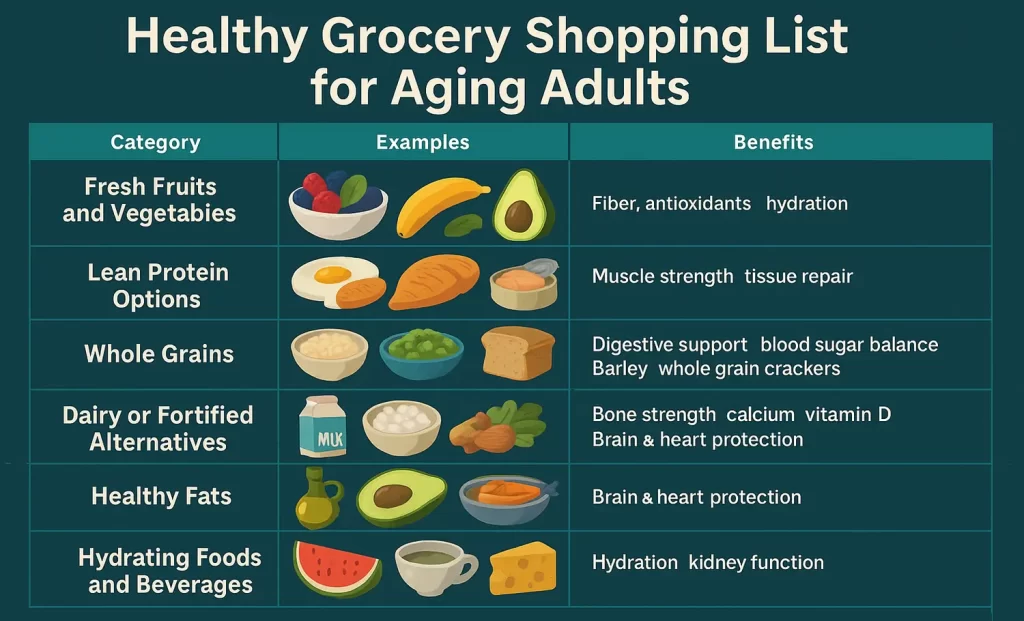
- Vegetables & Fruits
- Proteins (Lean Meats, Fish, Plant-Based)
- Whole Grains & Starches
- Healthy Fats
- Dairy & Alternatives
- Pantry Staples & Condiments
Shop the Perimeter Strategy
Have you ever noticed that most grocery stores are laid out similarly? The outer perimeter is typically where you’ll find fresh, whole foods like produce, meat, seafood, and dairy. The center aisles are home to shelf-stable items—some healthy (like canned beans and whole grains) and many that are heavily processed (like cookies, soda, and sugary cereals).
By primarily shopping the perimeter, you naturally fill your cart with nutrient-dense foods. While you’ll still need to visit the center aisles for essentials, this strategy helps you prioritize whole ingredients over processed products linked to health issues like heart disease and diabetes.
The Essential Healthy Grocery List by Category
Here is a comprehensive list to help you build your own. Remember to customize it based on your personal preferences, dietary needs, and what’s in season.
Fresh Produce
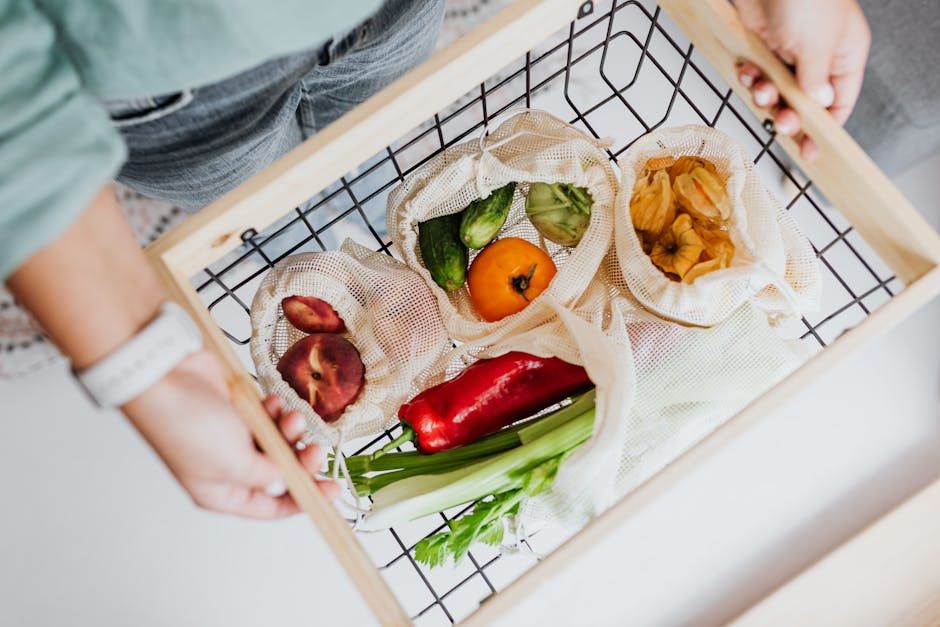
Aim to “eat the rainbow” by choosing a wide variety of colorful fruits and vegetables. This ensures you get a diverse range of vitamins and antioxidants. Don’t be afraid of the freezer aisle; frozen produce is just as nutritious as fresh and can be more affordable. If you’re looking for ways to eat more veggies, check out these tips on how to increase vegetable intake.
- Leafy Greens: Spinach, kale, romaine, arugula, Swiss chard
- Cruciferous Veggies: Broccoli, cauliflower, Brussels sprouts, cabbage
- Root Vegetables: Carrots, sweet potatoes, beets, onions, garlic
- Other Veggies: Bell peppers, cucumbers, zucchini, asparagus, tomatoes, mushrooms
- Fruits: Berries, apples, bananas, oranges, avocados, lemons, limes
Lean Proteins
Protein is essential for building muscle, staying full, and maintaining a healthy metabolism. Include a mix of animal and plant-based sources.
- Poultry: Chicken breast, turkey (ground or cutlets)
- Fish & Seafood: Salmon, cod, tuna, shrimp
- Lean Meat: Lean ground beef, pork tenderloin
- Eggs & Dairy: Eggs, Greek yogurt, cottage cheese
- Plant-Based: Tofu, tempeh, edamame
Whole Grains and Starches
Whole grains provide sustained energy and fiber, which is crucial for digestive health.
- Oats (rolled or steel-cut)
- Quinoa
- Brown rice
- Whole-wheat pasta or bread
- Barley or farro
- Potatoes and sweet potatoes
Healthy Fats
Healthy fats are vital for brain health, hormone production, and absorbing certain vitamins.
- Avocados and avocado oil
- Olive oil
- Nuts (almonds, walnuts, pistachios)
- Seeds (chia, flax, pumpkin, hemp)
- Nut butters (almond, peanut)
Dairy and Dairy Alternatives
Choose unsweetened options to avoid added sugars. These are great sources of calcium and protein.
- Milk or unsweetened almond, soy, or oat milk
- Plain Greek yogurt
- Cottage cheese
- Kefir
- Cheese (in moderation)
Legumes and Beans
Beans and legumes are nutritional powerhouses—they are inexpensive, versatile, and packed with fiber and plant-based protein.
- Canned or dried chickpeas
- Black beans
- Lentils (brown, green, or red)
- Kidney beans
- Pinto beans
Pantry Staples and Condiments
A well-stocked pantry is the secret to making quick, healthy meals any night of the week. For a deeper dive, learn how to stock a pantry for success.
- Oils & Vinegars: Olive oil, avocado oil, apple cider vinegar, balsamic vinegar
- Canned Goods: Diced tomatoes, tomato sauce, tuna or salmon, coconut milk
- Condiments: Mustard, salsa, hot sauce, soy sauce or tamari
- Seasonings: Sea salt, black pepper, herbs, and spices
Herbs, Spices, and Seasonings
These add incredible flavor to your meals without adding extra calories, salt, or sugar.
- Fresh: Cilantro, parsley, basil, rosemary
- Dried: Garlic powder, onion powder, turmeric, cumin, cinnamon, ginger
Healthy Beverages
Staying hydrated is key. Focus on drinks that hydrate without adding empty calories.
- Water
- Sparkling water or unsweetened seltzer
- Green tea
- Herbal teas
- Coffee
Healthy Grocery Shopping on a Budget
Eating healthy doesn’t have to be expensive. With a few smart strategies, you can nourish your body without breaking the bank.
Choose Frozen and Canned Options
Frozen fruits and vegetables are picked at their peak ripeness and flash-frozen, locking in their nutrients. They are often cheaper than fresh, especially for out-of-season items, and last much longer. For canned goods, look for low-sodium vegetables and fruit packed in its own juice.
Buy in Bulk and Stock Up on Sales
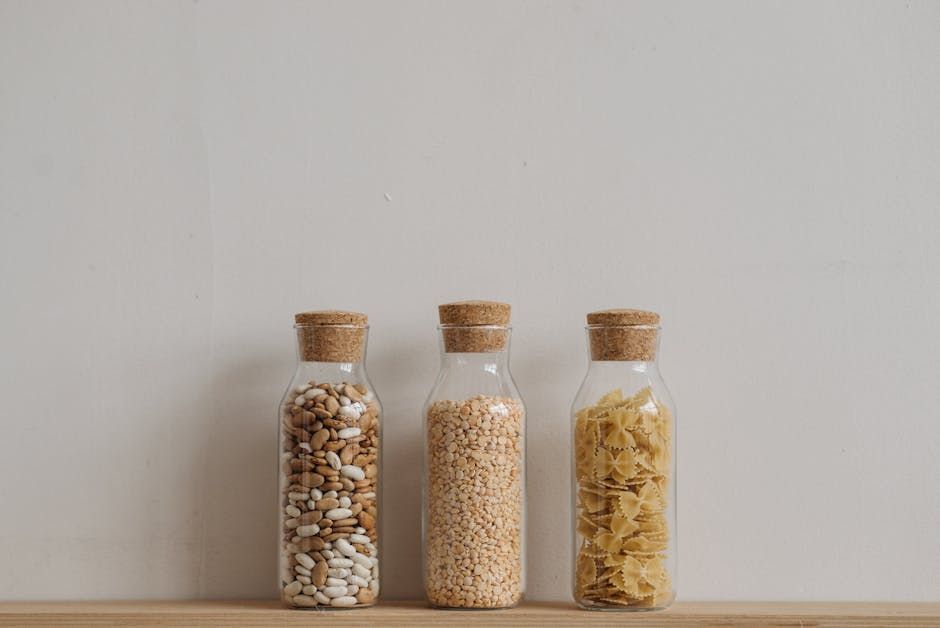
The bulk bins are your best friend for items like oats, rice, quinoa, dried beans, nuts, and seeds. You can buy the exact amount you need, which reduces both cost and waste. Also, keep an eye out for sales on your favorite pantry staples and non-perishables, and consider store brands, which are often identical to name brands but at a lower price.
Focus on Affordable Nutrient-Dense Foods
Some of the most nutritious foods are also the most affordable. Build your meals around budget-friendly powerhouses like:
- Eggs
- Dried beans and lentils
- Oats and brown rice
- Potatoes and sweet potatoes
- Frozen vegetables
- Bananas and apples
- Chicken thighs
Reduce Food Waste
Did you know that the average American household throws away hundreds of dollars worth of food each year? Reducing waste is a direct way to save money. Plan your meals around ingredients you already have, get creative with leftovers, and store your produce properly to extend its life. This approach is a cornerstone of sustainable eating habits.
Sample Healthy Grocery Lists for Different Needs
Here are a few sample lists to get you started.
Grocery List for Beginners
This list is perfect if you’re just starting out and want to keep things simple.
- Produce: Spinach, bananas, apples, sweet potatoes, broccoli, bell peppers, onions.
- Protein: Chicken breast, eggs, canned black beans.
- Grains: Rolled oats, brown rice.
- Healthy Fats: Avocado, olive oil, almonds.
- Dairy: Plain Greek yogurt.
Budget-Friendly Grocery List
This list focuses on low-cost, high-nutrition staples – perfect for cheap meal prep without sacrificing nutrition
- Produce: Bananas, carrots, cabbage, onions, frozen mixed vegetables, frozen berries.
- Protein: Dried lentils, dried chickpeas, eggs, chicken thighs.
- Grains: Oats, brown rice (bought in bulk).
- Healthy Fats: Peanut butter, sunflower seeds.
- Dairy: Store-brand milk or yogurt.
Meal Prep Grocery List
Designed for batch cooking and planning ahead.
- Produce: A large container of mixed greens, sturdy vegetables for roasting (broccoli, cauliflower, Brussels sprouts), onions, garlic.
- Protein: Bulk pack of chicken breasts or ground turkey, a dozen eggs, tofu.
- Grains: Large bag of quinoa or brown rice.
- Pantry: Canned beans, diced tomatoes, low-sodium broth.
Grocery List for One Person
This list helps minimize waste for a single-person household. It can also be easily adapted if you’re shopping for two; find more ideas here for a healthy grocery list for 2.
- Produce: Buy loose produce instead of bagged, frozen fruit for smoothies.
- Protein: Buy from the butcher/seafood counter to get exact portions, rely on eggs and beans.
- Grains: Use bulk bins to buy small amounts of oats and grains.
- Dairy: Buy smaller containers of yogurt and milk.
Common Mistakes to Avoid When Grocery Shopping
Even with the best intentions, a few common slip-ups can derail your healthy shopping trip.

- Shopping Without a List: This is the #1 mistake. It leads to impulse buys and forgotten essentials.
- Buying Too Many Perishables: Be realistic about how many fresh fruits and veggies you can eat before they go bad. Supplement with frozen options.
- Falling for “Health Halos”: Don’t assume words like “natural,” “gluten-free,” or “organic” automatically mean a product is healthy. Always read the label.
- Skipping the Frozen Aisle: Thinking fresh is always better is a myth. Frozen produce is a nutritious, convenient, and budget-friendly choice.
Conclusion
A healthy grocery list is more than just a piece of paper; it’s a powerful tool for building a healthier life. It empowers you to make intentional choices, nourish your body with whole foods, and achieve your wellness goals one meal at a time. Start small, be consistent, and remember that every healthy choice you make in the grocery store is a step in the right direction.
For more wellness tips and inspiration, be sure to explore more articles here at www.notonetype.org.

Có thể bạn quan tâm
Healthy Eating on the Go: Simple Strategies for Busy Lifestyles
Maintaining nutritious eating habits while managing a hectic schedule can feel overwhelming, but healthy eating...
Dec
Healthy Snack Ideas for On the Go: Easy Portable Options for Busy Lifestyles
Finding nutritious snacks that travel well can transform your daily routine and help you maintain...
Dec
How to Build Sustainable Eating Habits: A Guide to Healthier Living and a Greener Planet
Sustainable eating habits involve choosing foods that support both personal health and environmental wellbeing. It’s about...
Dec
Healthy Grocery List for 2: Complete Guide to Smart Shopping and Meal Planning
Shopping for two people requires a strategic approach to avoid waste while maintaining a healthy...
Dec
How to Stock a Pantry: Your Complete Guide to Essential Kitchen Staples
A well-stocked pantry is the heart of a happy, efficient kitchen. It’s your secret weapon...
Dec
15 Practical Ways to Eat More Vegetables Daily
Most adults in the US fall short of recommended vegetable intake, with nearly 9 out...
Dec