
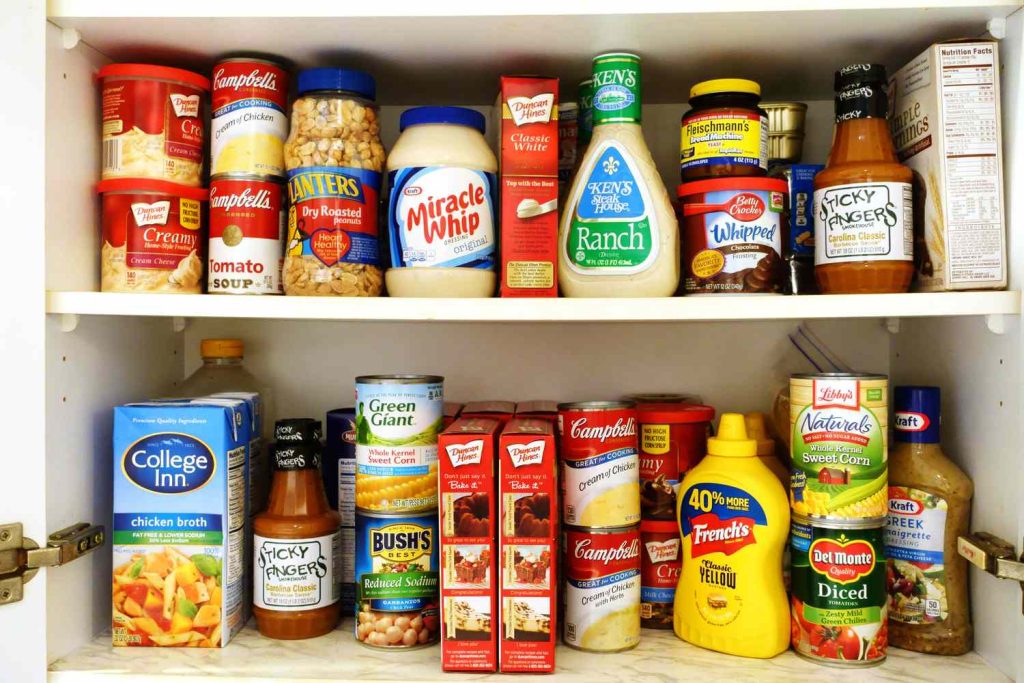
A well-stocked pantry is the heart of a happy, efficient kitchen. It’s your secret weapon for whipping up delicious meals without last-minute trips to the store, saving you time, money, and stress. Knowing how to stock a pantry isn’t about having everything; it’s about having the right things. It’s a core component of developing truly good eating habits that stick. This guide will walk you through creating a personalized, practical pantry, from essential staples and organization hacks to smart shopping strategies that prevent waste and keep you inspired in the kitchen.
Getting Started: Assess Your Pantry Space and Needs
Before you even think about a shopping list, the first step is to understand what you’re working with. A thoughtful assessment of your space and cooking style is the foundation for a pantry that truly serves you, preventing clutter and food waste from the get-go.
Take Inventory of Current Pantry Items
First, pull everything out. Yes, everything. Go through each item, check the expiration dates, and be honest about what you actually use. That jar of specialty chutney you bought three years ago? It’s probably time to let it go. Create three piles: keep, toss (expired items), and donate (unopened, non-expired items you won’t use). This process not only clears space but also shows you what you already have, preventing you from buying duplicates.
Consider Your Cooking Habits and Dietary Preferences
Your pantry should reflect the way you eat. Do you bake often? Love making Italian food? Follow a gluten-free diet? Your answers will shape your shopping list. A pantry stocked with baking essentials is useless if you never turn on the oven. Think about your go-to weekly meals and the ingredients they require. This personalized approach ensures your pantry supports your lifestyle, not some generic ideal.
Evaluate Storage Space and Set Up Zones
Whether you have a spacious walk-in pantry or a few kitchen cabinets, maximizing your storage is key. Once your space is clear, think in terms of “zones.” Group similar items together: one shelf for grains and pasta, another for canned goods, a designated spot for baking supplies, and so on. This simple organizational strategy makes it easy to find what you need and see at a glance what’s running low.

Essential Grains, Pasta, and Starches
Carbohydrates are the building blocks of countless satisfying meals. Keeping a variety of shelf-stable grains and starches on hand means you’re always just a few steps away from a hearty dinner, a comforting side dish, or a wholesome breakfast.
Rice Varieties and Storage
Rice is a global staple for a reason. Aim to have at least two types on hand.
- Long-grain white rice: Versatile for pilafs, stir-fries, and as a simple side.
- Long-grain brown rice: A heartier, nuttier option with more fiber.
- Short-grain rice (like Arborio): Essential for creamy risottos.
Store rice in airtight containers in a cool, dark place to protect it from pests and moisture.
Pasta Shapes and Alternative Grains
Pasta is a weeknight dinner hero. Stocking 3-4 different shapes covers most recipe needs. Spaghetti, penne, and elbow macaroni are great basics. Beyond pasta, explore alternative grains for nutritional variety. Quinoa is a complete protein perfect for salads, while couscous cooks in minutes, and farro adds a chewy, nutty texture to soups and grain bowls.
Breadcrumbs, Cornmeal, and Other Starches
These items are multi-purpose workhorses. Panko breadcrumbs provide a crispy coating for proteins. Cornmeal is essential for cornbread but also great for dusting pizza peels or breading fish. And never underestimate cornstarch—it’s the key to thickening sauces, gravies, and fruit fillings.

Canned and Jarred Pantry Staples
Canned and jarred goods are champions of convenience and longevity. They allow you to add vegetables, protein, and flavor to meals in minutes, making them indispensable for quick cooking and effective meal planning.
Tomato Products and Their Uses
Tomatoes are incredibly versatile. Having them in different forms allows for culinary flexibility.
- Diced tomatoes: The base for chunky sauces, chilis, and soups.
- Tomato sauce/purée: For smooth sauces and soups.
- Tomato paste: Delivers concentrated tomato flavor; perfect for adding depth.
- Whole peeled tomatoes: Can be crushed by hand for the freshest-tasting pasta sauce.
Beans, Broth, and Protein Options
Canned beans like chickpeas, black beans, and kidney beans are an excellent source of plant-based protein and fiber. Keep cartons of chicken or vegetable broth on hand for making soups, cooking grains, and creating pan sauces. Canned tuna or salmon packed in olive oil or water is perfect for quick sandwiches and salads.
Specialty Jarred Items
These are the items that elevate a simple meal to something special. Think olives, sun-dried tomatoes, capers, and roasted red peppers. A jar of peanut butter or almond butter is a must for snacks and sauces. Canned coconut milk is essential for curries and adds creaminess to soups. Keeping these on hand makes it easy to find healthy snack ideas for on the go or add a burst of flavor to any dish.
Baking Supplies and Ingredients
Even if you’re not an avid baker, a few baking staples are essential for any functional kitchen. Many of these ingredients play double duty in savory cooking as well.
Must-Have Baking Basics
These are the non-negotiables.
- All-purpose flour: For everything from pancakes to breading chicken.
- Sugars: Granulated white sugar for general use and dark brown sugar for its rich, molasses flavor.
- Leaveners: Baking powder and baking soda are chemical leaveners that cause baked goods to rise.
- Cornstarch: As mentioned before, a key thickener.
- Vanilla extract: A fundamental flavoring for sweet dishes.
Additional Baking Ingredients
If you bake more frequently, expand your collection. Cocoa powder is a must for chocolate lovers. Rolled oats are great for breakfast, cookies, and crumbles. Honey or maple syrup can be used as natural sweeteners. For healthier baking, consider adding whole wheat flour to your inventory.
Oils, Vinegars, and Condiments
Fats and acids are the foundation of flavor. A well-chosen selection of oils, vinegars, and condiments is crucial for everything from sautéing and roasting to dressing salads and finishing dishes.
Essential Cooking Oils
Different oils have different smoke points and flavors, so it’s good to have a few options.
- Olive Oil: A workhorse for sautéing, dressings, and finishing. Choose extra-virgin for flavor and regular for general cooking.
- Neutral Oil (Canola, Vegetable, or Grapeseed): For high-heat cooking like frying and searing.
- Avocado Oil: A great high-heat option with a neutral taste.
- Coconut Oil: Excellent for baking and certain stovetop recipes.
Vinegars and Acidic Ingredients
Acid balances richness and brightens flavors. Keep a few key vinegars on hand, such as apple cider vinegar for its mild, fruity notes, red wine vinegar for robust dressings, and balsamic vinegar for glazing and finishing. A bottle of lemon juice is also a great staple to have.
Spices, Herbs, and Seasonings
A well-stocked spice rack is the easiest way to add dimension and complexity to your cooking without adding extra calories. Start with the basics and build your collection over time based on the cuisines you enjoy.

Essential Spice Collection
Every pantry needs these foundational spices.
- Kosher salt and whole black peppercorns (with a grinder)
- Garlic powder
- Onion powder
- Cumin
- Paprika (sweet or smoked)
- Chili powder
- Ground cinnamon
Dried Herbs and Specialty Seasonings
Dried herbs offer a long-lasting alternative to fresh ones. Must-haves include oregano, thyme, rosemary, and basil. From there, consider blends like Italian seasoning or everything bagel spice to simplify flavoring.
Fresh Produce and Refrigerated Pantry Items
A pantry isn’t just about dry goods. It also includes long-lasting fresh produce and refrigerated staples that form the backbone of your daily cooking.
Pantry-Stable Produce
Certain vegetables thrive in a cool, dark, and dry place—not the refrigerator. Store onions (yellow, red), garlic, and all types of potatoes (russet, sweet, Yukon Gold) in a basket or paper bag away from direct sunlight to prolong their life.
Refrigerated Produce Basics
Some fresh items are essential “pantry” staples that just happen to live in the fridge. Carrots and celery are foundational for soups and stocks. Lemons and limes add fresh acidity to countless dishes. Fresh herbs like parsley and cilantro, when stored properly, can last for over a week.
Freezer Essentials
The freezer is an extension of your pantry. Frozen vegetables like peas, corn, broccoli, and spinach are picked at peak freshness and are often more nutritious than their out-of-season fresh counterparts. Frozen fruit is perfect for smoothies. You can also freeze staples like bread, butter, and nuts to extend their shelf life significantly.
Pantry Organization and Maintenance Strategies
A stocked pantry is only useful if you can find what you need. Implementing a simple system for organization and maintenance will save you headaches and prevent food from expiring in the back of a cabinet.
Creating Zones and Using Storage Containers
Continue with the “zoning” strategy. Use clear, airtight containers (like glass jars or BPA-free plastic) for bulk items like flour, sugar, rice, and pasta. This not only looks tidy but also protects food from pests and makes it easy to see your inventory levels. Baskets are great for corralling smaller items like seasoning packets or snacks.
Rotating Stock and Preventing Waste
Implement the “First-In, First-Out” (FIFO) method used in professional kitchens. When you buy a new item, move the older one to the front so you use it first. This simple habit drastically reduces food waste and is a key part of building more sustainable eating habits. Keep a running list on your fridge or phone of items that are running low.
Buying in Bulk and Strategic Shopping
Buying frequently used items in bulk can save money, but only if you have the space and will use them before they expire. Before you go shopping, always check your inventory against your healthy grocery list. To build your stock without breaking the bank, add one or two extra pantry items to your cart each week. This gradual approach is much more manageable than a massive one-time haul.
A well-stocked pantry is a gift you give to your future self. It’s about more than just food; it’s about creating a system that fosters creativity, reduces stress, and empowers you to cook nutritious, delicious meals at home. For more tips on building a healthy lifestyle from the kitchen out, explore the resources here at www.notonetype.org.

Có thể bạn quan tâm
Healthy Eating on the Go: Simple Strategies for Busy Lifestyles
Maintaining nutritious eating habits while managing a hectic schedule can feel overwhelming, but healthy eating...
Dec
Healthy Snack Ideas for On the Go: Easy Portable Options for Busy Lifestyles
Finding nutritious snacks that travel well can transform your daily routine and help you maintain...
Dec
How to Build Sustainable Eating Habits: A Guide to Healthier Living and a Greener Planet
Sustainable eating habits involve choosing foods that support both personal health and environmental wellbeing. It’s about...
Dec
Healthy Grocery List: Complete Guide + Printable Template
Creating a healthy grocery list is one of the most effective first steps you can...
Dec
Healthy Grocery List for 2: Complete Guide to Smart Shopping and Meal Planning
Shopping for two people requires a strategic approach to avoid waste while maintaining a healthy...
Dec
15 Practical Ways to Eat More Vegetables Daily
Most adults in the US fall short of recommended vegetable intake, with nearly 9 out...
Dec