
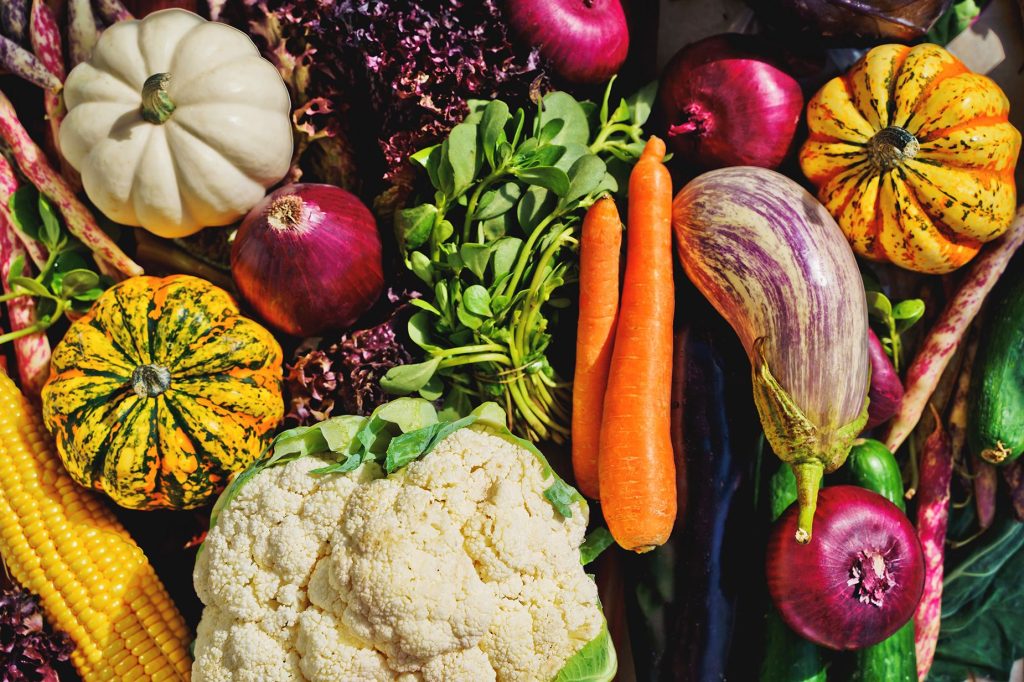
Most adults in the US fall short of recommended vegetable intake, with nearly 9 out of 10 eating less than the daily minimum. Increasing your vegetable consumption doesn’t require dramatic lifestyle changes. By using simple, practical strategies—from meal planning to creative cooking techniques—you can consistently meet daily recommendations and unlock significant health benefits. Whether you’re managing time constraints, dealing with picky tastes, or searching for variety, these evidence-based approaches make it easier to incorporate vegetables into your existing good eating habits.
Why Vegetable Intake Matters for Your Health
Before diving into the “how,” let’s quickly touch on the “why.” Understanding the profound impact vegetables have on your well-being is a powerful motivator. They aren’t just a side dish; they are a cornerstone of a healthy life.
Essential nutrients in vegetables
Vegetables are nutritional powerhouses, packed with essential compounds your body needs to thrive. They are a primary source of:
- Vitamins and Minerals: Think Vitamin C for your immune system, Vitamin A for vision, Vitamin K for bone health, and minerals like potassium for blood pressure regulation and magnesium for muscle function.
- Dietary Fiber and Antioxidants: Fiber is crucial for digestive health and maintaining stable blood sugar. Antioxidants combat oxidative stress, protecting your cells from damage.
- Phytonutrients: These are natural compounds in plants that have protective or disease-preventive properties.
Health benefits of adequate vegetable consumption
A diet rich in vegetables is consistently linked to better health outcomes. According to Harvard Health, eating plenty of vegetables can lower the risk of heart disease and stroke, prevent some types of cancer, and help manage blood pressure.
- Cardiovascular Health: The fiber and potassium in vegetables are champions for heart health.
- Cancer Prevention: Certain compounds in cruciferous vegetables, like sulforaphane, have been studied for their role in cancer prevention.
- Weight Management: Vegetables are high in volume and fiber but low in calories, which helps you feel full and satisfied, aiding in weight management.
- Gut Health: Fiber feeds the beneficial bacteria in your gut, contributing to a healthy gut microbiome.
The gap between recommendations and reality
Despite the clear benefits, most people aren’t eating enough. The CDC reports that only 1 in 10 adults meet the federal fruit or vegetable recommendations. The general guideline is to consume 2-3 cups of vegetables per day. Falling short means missing out on critical nutrients and protective benefits.
Understand Your Daily Vegetable Goals
“Eat more vegetables” is great advice, but it can feel vague. Let’s break it down into clear, achievable targets.
Official vegetable intake recommendations
Different health organizations have slightly different guidelines, but they all point in the same direction:
- USDA Guidelines: Recommend 2.5 to 3 cups of vegetables daily for most adults.
- Harvard Health: Suggests filling half your plate with fruits and vegetables, aiming for at least 3 servings of vegetables daily.
- 5 A Day Guideline: An international campaign recommends a minimum of five portions (around 400g total) of fruit and veg each day.
Breaking down vegetable categories
For optimal health, variety is key. Aim to eat a rainbow of colors by incorporating vegetables from each category throughout the week:
- Dark green vegetables: Spinach, kale, broccoli
- Red and orange vegetables: Carrots, sweet potatoes, bell peppers, tomatoes
- Starchy vegetables: Corn, potatoes, green peas
- Legumes: Beans, lentils, and peas (also a great source of protein)
- Other vegetables: Onions, zucchini, cauliflower, mushrooms
Setting achievable personal goals
The best way to increase your intake is to start where you are. If you currently eat one serving a day, aim for two. A gradual increase is more sustainable than an overnight overhaul. Try tracking your intake for a week to get a baseline, then set a small, realistic goal for the following week.
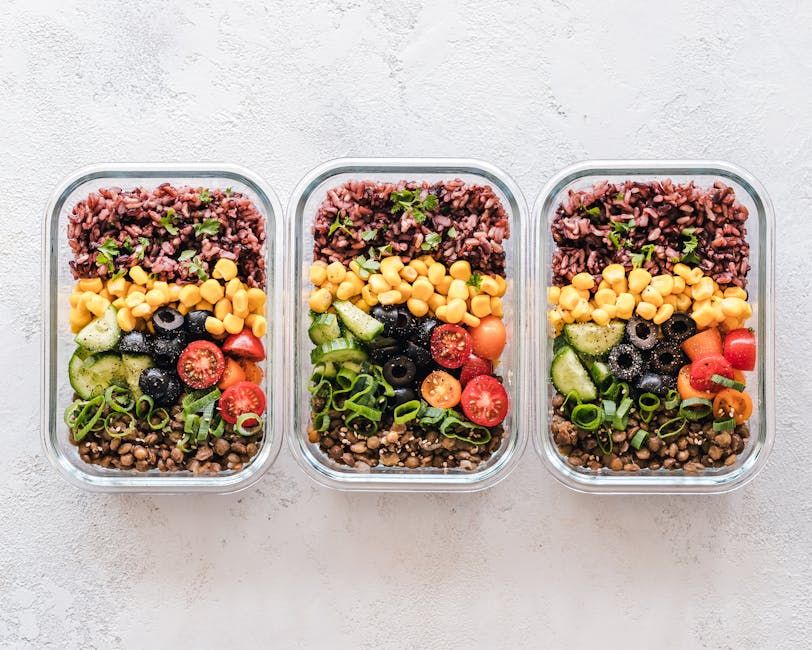
Simple Meal Prep Strategies That Save Time
One of the biggest barriers to eating more vegetables is the prep time. These strategies make it easy to have vegetables ready to go whenever you need them.
Prep vegetables in bulk batches
Set aside an hour on the weekend to wash, chop, and store your vegetables for the week. Store them in airtight containers in the fridge. This simple habit removes the friction of daily prep, making you far more likely to add them to your meals.
Use frozen vegetables effectively
Don’t sleep on the freezer aisle! Frozen vegetables are just as nutritious as fresh ones—sometimes even more so, as they are flash-frozen at peak ripeness. They are perfect for soups, stir-fries, and smoothies and are incredibly cost-effective.
Make vegetables the starting point
Shift your mindset when planning meals. Instead of asking, “What protein am I having?” ask, “What vegetables am I having?” By planning your meal around the vegetables, you ensure they take center stage and fill at least half your plate.
Easy Cooking Methods That Enhance Flavor
If you think vegetables are bland, you might just be cooking them wrong. The right method can transform them from boring to brilliant.
Roasting for maximum flavor
Roasting brings out the natural sweetness in vegetables through caramelization.
- How to do it: Toss chopped vegetables (like broccoli, Brussels sprouts, or sweet potatoes) with a bit of olive oil, salt, and pepper. Spread them on a baking sheet and roast at 400°F (200°C) until tender and golden brown.
Stir-frying for variety and nutrition
Stir-frying is a fast, high-heat method that preserves nutrients while creating a delicious, crisp texture. It’s a fantastic way to combine multiple types of vegetables into one quick meal.
Steaming and microwaving
These are the fastest methods and do an excellent job of preserving water-soluble vitamins. While they don’t add much flavor on their own, you can easily enhance steamed or microwaved veggies with a squeeze of lemon, a drizzle of olive oil, or a sprinkle of fresh herbs.

Strategic Ways to Add Vegetables to Every Meal
The key to meeting your daily goal is to incorporate vegetables throughout the day, not just at dinner.
Vegetable additions for breakfast
- Add a handful of spinach or kale to your morning smoothie.
- Sauté onions, peppers, and mushrooms to fold into an omelet or scramble.
- Top avocado toast with sliced tomatoes and a sprinkle of greens.
Boost lunch with vegetables
- Bulk up your salads with a wide variety of greens, cucumbers, peppers, and carrots.
- Add shredded carrots or chopped celery to your sandwiches for extra crunch.
- Always have a vegetable-based soup on hand for a quick and easy lunch.
Create vegetable-forward dinners
- Make stir-fries where vegetables are the main event, not just an afterthought.
- Serve a large platter of roasted vegetables as a main course, perhaps with a side of quinoa or chicken.
- Double the amount of vegetables called for in casserole, stew, or chili recipes.
Snacking on vegetables
Keep pre-cut vegetables like carrot sticks, cucumber slices, and bell pepper strips in the fridge for an easy grab-and-go snack. Pair them with hummus or guacamole for a satisfying and nutritious bite. This is one of the best healthy snack ideas for on the go.
Creative Solutions for Incorporating Vegetables Discreetly
For picky eaters or anyone who struggles with the taste or texture of vegetables, sometimes a stealthy approach works best.
Hide vegetables in sauces and dressings
You can easily purée cooked carrots, zucchini, or cauliflower into marinara sauces, soups, and even cheese sauces for macaroni and cheese. The flavor is barely noticeable, but the nutritional boost is significant.
Substitute vegetables for traditional ingredients
- Use zucchini noodles (“zoodles”) or spaghetti squash instead of pasta.
- Pulse cauliflower in a food processor to create “cauliflower rice.”
- Grill large portobello mushroom caps to use as burger “buns.”
Add vegetables to mixed dishes
Finely grate or chop vegetables like zucchini and carrots and mix them into ground meat for burgers, meatballs, or meatloaf. You can also add them to casseroles, chilis, and stews to increase the volume and nutrient density.
Choose Vegetables You Actually Enjoy
Forcing yourself to eat vegetables you hate is a recipe for failure. The goal is to find options you genuinely look forward to eating.
Why do some vegetables taste bitter?
That bitter taste in some vegetables (like kale or broccoli) comes from beneficial phytonutrients. Some people are genetically more sensitive to these bitter compounds, which can make certain vegetables less appealing. It’s not just “in your head”!
Build taste preferences over time
Research shows that it can take 10-15 exposures to a new food to acquire a taste for it. Start small. Try one new vegetable a week, prepared in a way you already enjoy (like roasting). Pairing it with familiar, positive flavors can help train your palate.
Match textures to preferences
- If you like crunchy: Try raw carrots, bell peppers, or snap peas. Make baked kale or sweet potato chips.
- If you prefer soft: Opt for steamed carrots, mashed cauliflower, or roasted squash.
- Experiment with both raw and cooked versions of the same vegetable—the texture and flavor can change dramatically.
Top vegetables for common preferences
- Sweet-tasting: Carrots, sweet potatoes, corn, peas, roasted bell peppers.
- Mild options: Zucchini, cucumber, cauliflower.
- Colorful choices: A mix of red, yellow, and orange bell peppers.
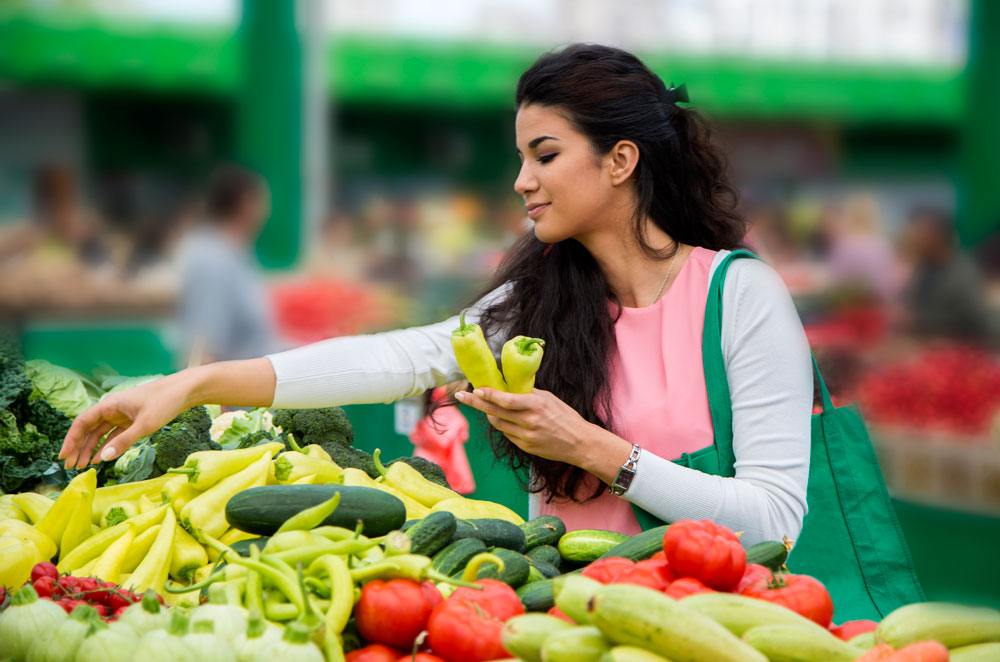
Take Advantage of Seasonal Produce
Eating with the seasons is one of the best ways to ensure your vegetables are at their peak in terms of flavor, nutrition, and affordability.
Benefits of eating seasonally
- Enhanced flavor: Vegetables harvested at their natural peak simply taste better.
- Maximum nutrients: Produce that ripens naturally and travels shorter distances often retains more of its vitamins and minerals.
- Cost savings: When produce is in season, it’s abundant and therefore cheaper.
- Environmental sustainability: It reduces the energy needed for transportation and long-term storage.
Winter vegetables
Focus on hearty root vegetables like carrots and beets, leafy greens like kale and chard, and cruciferous options like Brussels sprouts.
Spring and summer selections
Enjoy fresh asparagus, artichokes, an abundance of lettuces, bell peppers, tomatoes, and cucumbers.
Fall produce options
This is the season for autumn squashes (like butternut and acorn), a return of cruciferous vegetables, and root vegetables at their flavorful peak.
Plan Meals to Meet Daily Goals
Failing to plan is planning to fail, especially when it comes to nutrition. A little forethought makes it easy to hit your vegetable targets.
Basic meal planning structure
Start your weekly meal plan by choosing the vegetables you’ll eat for each dinner. From there, build the rest of the meal. This simple shift ensures vegetables are a priority. Create a healthy grocery list based on your plan to stay focused at the store.
Sample day of vegetable-focused eating
- Breakfast: Smoothie with spinach and a banana.
- Lunch: Large salad with mixed greens, grilled chicken, and a variety of chopped veggies.
- Dinner: Salmon with a large side of roasted broccoli and sweet potato.
- Snack: Baby carrots with hummus.
Weekly planning approaches
Try batch cooking a few versatile vegetables, like roasted sweet potatoes and steamed green beans, at the start of the week. You can then easily add them to lunches and dinners without any extra effort.
Overcome common planning obstacles
- Time: Rely on shortcuts like pre-cut veggies or one-pan meals.
- Budget: Buy seasonal produce and lean on affordable frozen options.
- Spoilage: Plan to eat delicate greens early in the week and save heartier vegetables like carrots and cabbage for later.
Address Common Barriers to Vegetable Consumption
Let’s tackle the most common hurdles head-on with practical solutions.
Time constraints
Lean on convenience. Pre-cut, pre-washed, and frozen vegetables are your best friends on busy days. Sheet pan dinners—where you roast your protein and vegetables on one pan—are a game-changer for quick clean-up. This is key for healthy eating on the go.
Taste and preference challenges
Don’t give up on a vegetable after one try. Experiment with different cooking methods. A steamed Brussels sprout is very different from a crispy, caramelized roasted one. Dips, sauces, and spices can also make a huge difference.
Cost and budget concerns
Frozen and canned vegetables (look for low-sodium options) are excellent, budget-friendly choices. Visiting local farmers’ markets near closing time can also yield great deals on seasonal produce.
Knowledge and confidence gaps
You don’t need to be a chef. Start with simple recipes and basic techniques like roasting and steaming. There are countless free resources and cooking videos online to guide you.
Best Vegetables for Maximum Health Impact
While all vegetables are good for you, some offer a particularly potent nutritional punch.
Cruciferous vegetables for cancer prevention
This family includes broccoli, cauliflower, Brussels sprouts, and cabbage. They contain a compound called sulforaphane, which the National Cancer Institute notes has been studied for its anti-cancer properties. Lightly steaming or stir-frying is a great way to prepare them.
Dark leafy greens for overall nutrition
Spinach, kale, and chard are packed with nutrients. They are excellent sources of Vitamin K for bone health, and their antioxidants like lutein are beneficial for eye health.
Orange and red vegetables for immunity
Carrots, sweet potatoes, and red bell peppers are rich in beta-carotene, which your body converts to Vitamin A. This vitamin is essential for a healthy immune system and good vision.
Legumes for fiber and protein
Beans, lentils, and peas are unique because they are rich in both fiber and plant-based protein. This combination helps with satiety and provides sustained energy.
Track Progress and Stay Motivated
Building a new habit takes time. These tips can help you stay on track and celebrate your progress.
Simple tracking methods
You don’t need a complex system. Simply jot down how many servings of vegetables you eat each day in a notebook or a phone app. You could also track how many different colors you eat each week to encourage variety.
Set meaningful motivations
Connect your goal to what truly matters to you. Do you want more energy to play with your kids? Better digestion? Or to manage a health condition? Keeping your personal “why” in mind is a powerful motivator.
Build sustainable habits
Focus on making small, consistent changes rather than trying to be perfect overnight. Every extra serving counts. Get your family involved or find a friend to share the journey with for accountability. Celebrate milestones, like your first week of hitting your goal every day. Over time, these small steps will build powerful and sustainable eating habits.
Eating more vegetables isn’t about perfection—it’s about progress through small, consistent choices that nourish your body and mind. By embracing balance, creativity, and mindful planning, you can turn healthy eating into an enjoyable daily routine. For more evidence-based wellness tips and inspiration, visit Not One Type and continue your journey toward sustainable, mindful living.

Có thể bạn quan tâm
Healthy Eating on the Go: Simple Strategies for Busy Lifestyles
Maintaining nutritious eating habits while managing a hectic schedule can feel overwhelming, but healthy eating...
Dec
Healthy Snack Ideas for On the Go: Easy Portable Options for Busy Lifestyles
Finding nutritious snacks that travel well can transform your daily routine and help you maintain...
Dec
How to Build Sustainable Eating Habits: A Guide to Healthier Living and a Greener Planet
Sustainable eating habits involve choosing foods that support both personal health and environmental wellbeing. It’s about...
Dec
Healthy Grocery List: Complete Guide + Printable Template
Creating a healthy grocery list is one of the most effective first steps you can...
Dec
Healthy Grocery List for 2: Complete Guide to Smart Shopping and Meal Planning
Shopping for two people requires a strategic approach to avoid waste while maintaining a healthy...
Dec
How to Stock a Pantry: Your Complete Guide to Essential Kitchen Staples
A well-stocked pantry is the heart of a happy, efficient kitchen. It’s your secret weapon...
Dec