
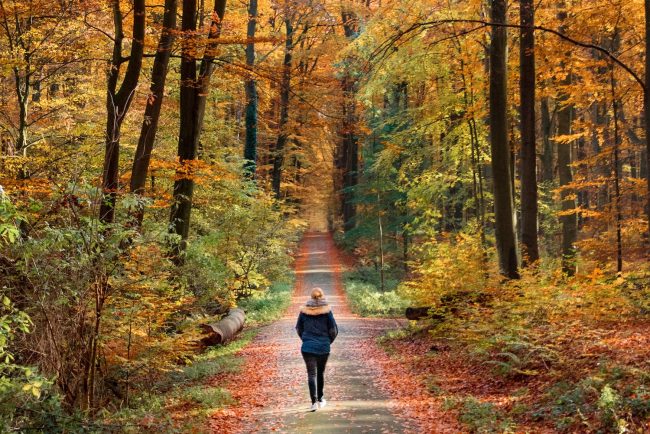
Walking meditation is one of my favorite ways to clear my head. It’s a simple practice that weaves together gentle movement with being fully present, offering a refreshing alternative to sitting on a cushion. At its core, this ancient practice is about walking slowly and paying attention—to your feet touching the ground, to your breath, to the world around you. If you’ve ever struggled with sitting still or just want to find a pocket of peace in a busy day, walking meditation might be exactly what you need. It’s a beautiful way to connect your mind and body, and you can learn what is meditation in a way that fits right into your daily life.
What Is Walking Meditation?
So, what exactly is walking meditation? Think of it as meditation in motion. Instead of sitting cross-legged in silence, you use the simple act of walking to anchor your awareness in the present moment. The goal isn’t to get anywhere in particular; it’s about the experience of walking itself.
You can practice it anywhere—a quiet park, a busy city street, or even just back and forth in your living room. The core idea is to shift your focus from the usual stream of thoughts in your head to the physical sensations of your body moving.For those looking to integrate mindfulness at work, a brief walking meditation during lunch breaks or between meetings can reset your mental state and boost afternoon productivity.
Origins in Buddhist Practice
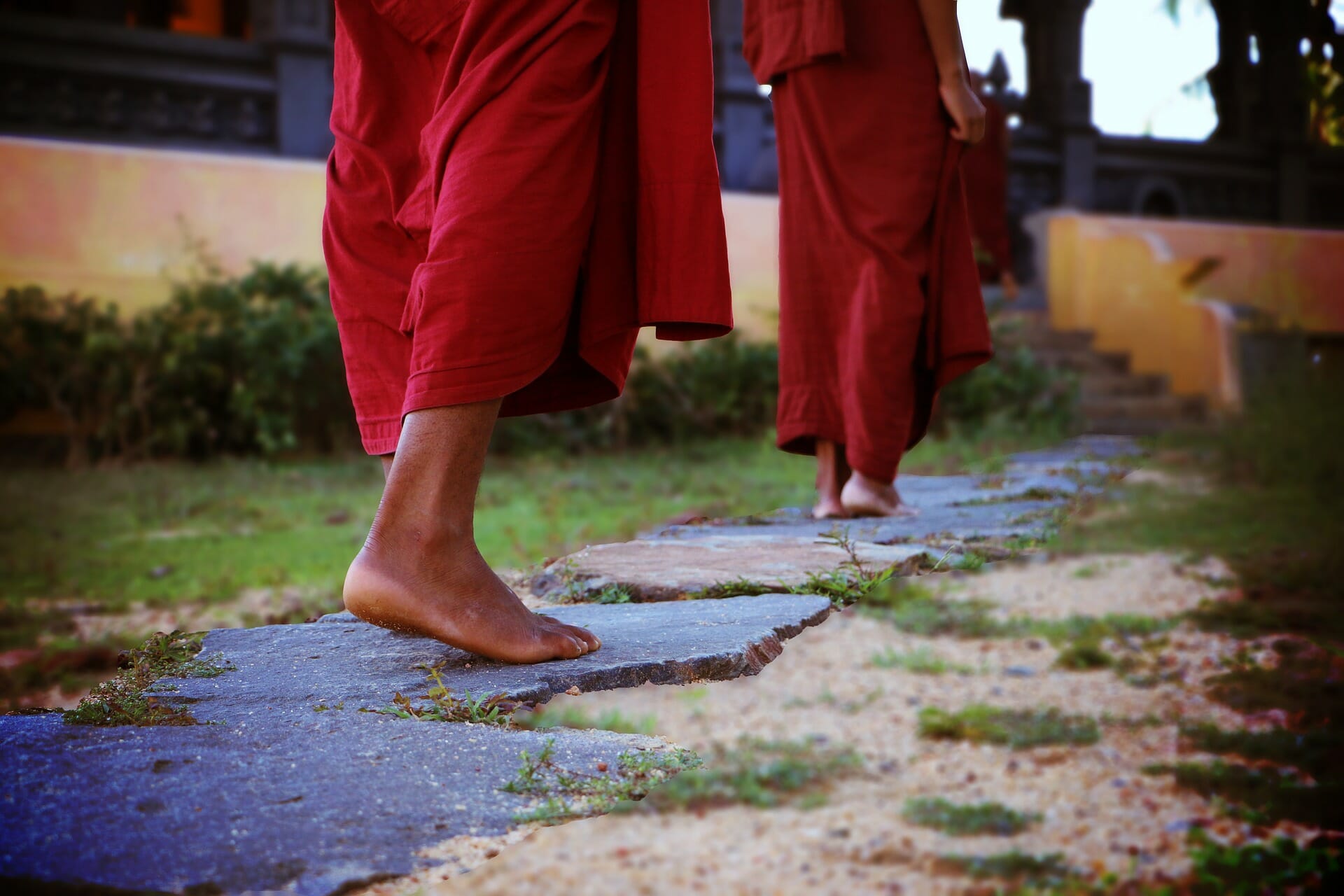
This practice has deep roots in Buddhist traditions like Vipassana and Zen. For centuries, monks have used walking meditation, known as kinhin in Zen, as a way to stay mindful between long periods of seated meditation. It helped them keep their energy flowing and prevent drowsiness while maintaining a continuous state of awareness.
The beloved teacher Thich Nhat Hanh was instrumental in bringing mindful walking to the West. He taught that with every step, we can arrive in the here and now, finding peace and connection with the Earth.

How Walking Meditation Differs from Regular Walking
Most of the time, we walk on autopilot. We’re thinking about our to-do list, a conversation we just had, or where we need to be next. Our destination is the goal.
Walking meditation flips that on its head. It’s not about the destination; it’s about the journey of each step. The intention is to be fully aware of the feeling of your foot lifting, moving through the air, and connecting with the ground. It’s a shift from goal-oriented movement to experience-oriented movement.
Benefits of Walking Meditation
Combining gentle movement with mindfulness creates a powerful synergy for your well-being. It’s not just a mental exercise; it’s a holistic practice that benefits your mind, body, and spirit all at once.
Mental Health Benefits
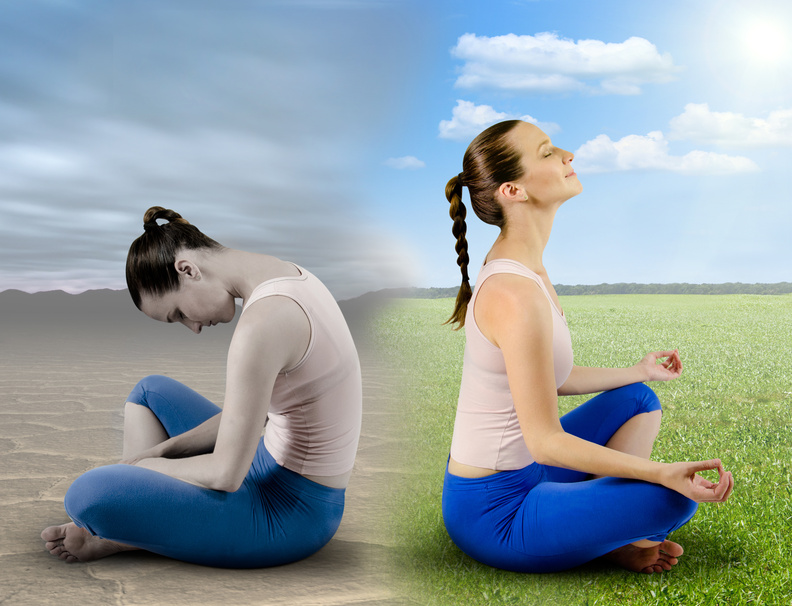
For me, this is the biggest one. The gentle, rhythmic motion of walking is naturally calming. When you pair it with mindful breathing, it becomes a powerful tool for reducing stress and anxiety. Research has shown that this practice can significantly lift your mood and help you regulate your emotions. It’s like hitting a reset button for your nervous system, helping you cope with life’s challenges with a bit more grace. As a form of meditation for stress management, walking meditation offers unique benefits by combining movement with mindfulness.
Cognitive and Focus Improvements
Do you ever feel like your brain is filled with fog? Walking meditation helps clear it away. By training your attention to stay with the sensations of walking, you’re strengthening your focus muscle. Studies suggest this can lead to better concentration and mental clarity. It’s especially helpful for those of us with high energy levels or who find it hard to concentrate, as it engages both the body and mind.
Physical Health Advantages
This practice is a fantastic way to break up long periods of sitting and gently increase your physical activity. It improves circulation, aids digestion, and can even help regulate blood sugar levels. One study found that people who regularly practiced walking meditation took about 1,700 more steps a day. It’s a low-impact exercise that’s accessible to almost everyone, making it an easy win for your physical health. It is one of the most accessible types of meditation for all fitness levels.

Sleep Quality and Chronic Pain Relief
If you struggle with sleep, a mindful walk outdoors can make a real difference. It helps calm the mind and body, preparing you for a more restful night. Research has also pointed to its benefits for those dealing with chronic pain. By focusing on the body with gentle awareness instead of frustration, it can help reduce muscle tension and change your relationship with discomfort.
Balance and Brain Health
As we get older, maintaining balance becomes crucial. The slow, deliberate nature of walking meditation makes you more aware of your foot placement, which can improve balance and reduce the risk of falls. This mindful movement is also great for brain health, supporting neuroplasticity and cognitive function as you age.
Walking Meditation vs. Seated Meditation
So, should you walk or should you sit? The truth is, they’re both wonderful practices that complement each other perfectly.
- Walking meditation is active and engages with the external world through your senses. It’s fantastic for days when you feel restless, anxious, or just have too much energy to sit still. It’s also a great choice if you experience physical discomfort from sitting for long periods.
- Seated meditation is more about stillness and turning your awareness inward. It’s ideal for developing deep concentration and exploring the more subtle workings of your mind. If you want to learn how to sit for meditation, it can be a powerful anchor in your routine.
I like to mix it up. Some days I crave the stillness of a seated practice, and other days, my body just needs to move.
How to Practice Walking Meditation
Getting started is simple. There are no rigid rules, only gentle guidelines. Here’s a step-by-step approach to help you begin.
Choose Your Location and Path
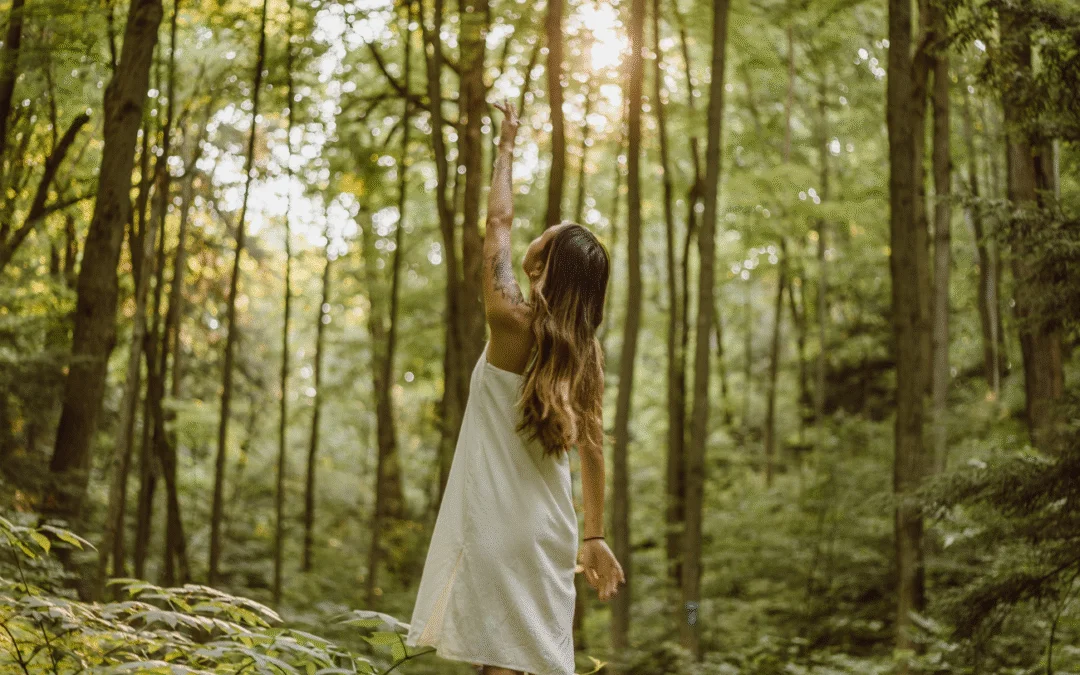
You can do this almost anywhere. A quiet park, a garden, or a nature trail is lovely, but a hallway, a large room, or even a city sidewalk can work. To start, I recommend finding a short, clear path—maybe 15 to 30 feet long—that you can walk back and forth on. This removes the distraction of navigation.
Set Your Intention and Connect with Your Breath
Before you take your first step, stand still for a moment. Take one deep breath in and a slow breath out. This signals to your mind and body that you’re beginning your practice. You might set a simple intention, like “For the next 10 minutes, I will be present with each step.”
Find Your Pace and Posture
Start walking at a pace that is slower than your usual stride. Let your posture be upright but relaxed—back straight, shoulders down, and your gaze soft, looking a few feet ahead on the ground. The slow pace is key; it allows you to really feel what’s happening in your body.
Focus on Physical Sensations
Bring your full attention to the soles of your feet. Notice the sensation of lifting one foot off the ground. Feel it move through the air. Then, notice the feeling of your heel, the ball of your foot, and your toes making contact with the ground again. You can mentally note the actions—“lifting, moving, placing”—to help you stay focused.
Coordinate Breath with Steps
A great way to stay anchored is by linking your breath to your steps. You could try inhaling for three steps and then exhaling for three steps. Find a rhythm that feels natural and unforced. This simple act of meditating on the breath while moving creates a steady, calming cadence.
Expand Sensory Awareness
Once you feel grounded in the sensations of your feet, you can gently expand your awareness. What do you hear? The birds, the traffic, the silence? What do you see? The light, the colors, the textures? What do you smell? This isn’t about analyzing, just gently noticing.
Handle Distractions and Wandering Mind
Your mind will wander. That’s what minds do. When you notice you’re lost in thought, don’t get frustrated. This is the core of the practice. Gently acknowledge the thought and then guide your attention back to the sensation of your feet on the ground. Be kind to yourself, every single time.
Start Small and Build Gradually
You don’t need to start with a 30-minute session. Begin with just 5 or 10 minutes. The key is consistency. A short walk every day is more beneficial than a long one once a month. Wondering how long should you meditate? Let your comfort be your guide.
Try Guided Walking Meditations
If you’re finding it hard to stay focused on your own, guided meditation for beginners can be a huge help. Many apps and websites offer audio guides specifically for walking meditation. They provide a helpful structure and gentle reminders to bring you back to the present moment. When you need to know how to relieve stress quickly, a brief 5-10 minute walking meditation can provide immediate relief and mental clarity.
Stay Accountable and Track Progress
Consider keeping a small journal to jot down a few notes after your practice. How did you feel? What did you notice? This reflection can deepen your insights. Sharing your intention to practice with a friend can also provide gentle accountability.
Types and Variations of Walking Meditation
Once you’re comfortable with the basics, you can explore different styles to keep your practice fresh and interesting.
Buddhist Walking Meditation
This is a more formal style, often done on a set path, walking slowly and deliberately. The focus is on maintaining continuous, moment-to-moment awareness of physical sensations to understand the nature of impermanence.
Thich Nhat Hanh Style
This approach is infused with joy and gratitude. Thich Nhat Hanh taught practitioners to “print peace on the Earth with your feet.” You can smile as you walk and send gratitude to the ground that supports you, focusing on the simple pleasure of being able to walk.
Sensory Walking Meditation
In this variation, you systematically cycle through your five senses. For a few minutes, you focus only on sights. Then, you shift to only sounds. Then smells, and finally, the feeling of the air on your skin. It’s a powerful way to ground yourself in your environment.
Body Scan Walking
As you walk, you can move your attention through your body. Start with your feet, then move your awareness up to your ankles, calves, knees, and so on. It’s a wonderful way to check in with your body and release any tension you might be holding.
Mantra Walking Meditation
You can silently repeat a simple word or phrase in sync with your steps. It could be something as simple as “peace” with each step or “I am here, I am home.” The rhythm of the mantra and your steps can be very stabilizing for the mind.
Nature and Forest Bathing Walks
Taking your walking meditation into nature amplifies the benefits. This practice, related to the Japanese concept of Shinrin-yoku or “forest bathing,” involves mindfully immersing yourself in a natural environment. The combination of nature and mindfulness is incredibly restorative.
Common Challenges and Solutions
Even a simple practice can have its challenges. Here’s how to navigate them.
Difficulty Staying Focused
This is the most common challenge of all. Instead of fighting it, use your breath and steps as an anchor. When your mind drifts, just gently return to that anchor. Shortening your sessions can also help build your focus muscle more gradually.
Feeling Self-Conscious
Walking very slowly in public can feel awkward at first. My advice? Start somewhere private, like your backyard or even indoors. You’ll find that with practice, the self-consciousness fades. Most people are too wrapped up in their own world to notice you anyway.
Weather and Location Constraints
Don’t let a rainy day stop you. You can practice walking meditation indoors in a hallway, a large room, or even at a quiet indoor mall during off-hours. The key is adaptability.
Physical Discomfort
This practice should feel good. If you experience pain, listen to your body. Adjust your pace, wear comfortable shoes, and don’t push yourself. The goal is gentle awareness, not physical strain.
Who Should Try Walking Meditation?
Honestly, I think everyone can benefit from it. But it’s especially wonderful for:
- People who find it difficult to sit still during traditional meditation.
- Anyone with high levels of anxiety or restless energy.
- People with ADHD who benefit from combining movement with focus.
- Those who want to incorporate more gentle movement into their day.
- Anyone looking for a simple, accessible way to start a mindfulness practice.
If you have mobility issues, it’s always a good idea to check with your doctor. You can adapt the practice to your ability, even if it’s just a few mindful steps in your room.
Conclusion
Walking meditation is a profound yet simple practice that reminds us that peace isn’t something we have to search for in a special room or on a cushion—it’s available to us in every single step. It’s a way to transform a mundane activity into a moment of mindful connection.
So next time you’re walking to your car, down a hallway at work, or just around your neighborhood, I invite you to try it. Take a breath, slow down, and just for a moment, feel your feet on the ground. You might be surprised by the calm you find waiting for you there.
For more inspiration on your wellness journey, feel free to explore more resources here at www.notonetype.org.

Có thể bạn quan tâm
Morning Meditation Guide: How to Start Your Day with Mindfulness
Starting your day with morning meditation can completely change your mental clarity, reduce stress, and...
Dec
How to Sit for Meditation: 7 Positions & Posture Guide (2025)
Finding the right way to sit for meditation can feel like the first big hurdle....
Dec
Meditating on the Breath: A Complete Guide to Breath-Focused Meditation
Meditating on the breath is one of the simplest and most accessible forms of what...
Dec
How to Stay Awake During Meditation: Simple Techniques That Work
It’s a familiar story. You settle onto your cushion, ready for a session of peace...
Dec
Can You Meditate Lying Down? A Complete Guide
Let’s clear this up right away: you absolutely can meditate lying down. If you’ve ever...
Dec
Can You Meditate With Music? Benefits & How-To Guide
Meditation comes in many forms, and the question of whether you can meditate with music...
Dec