
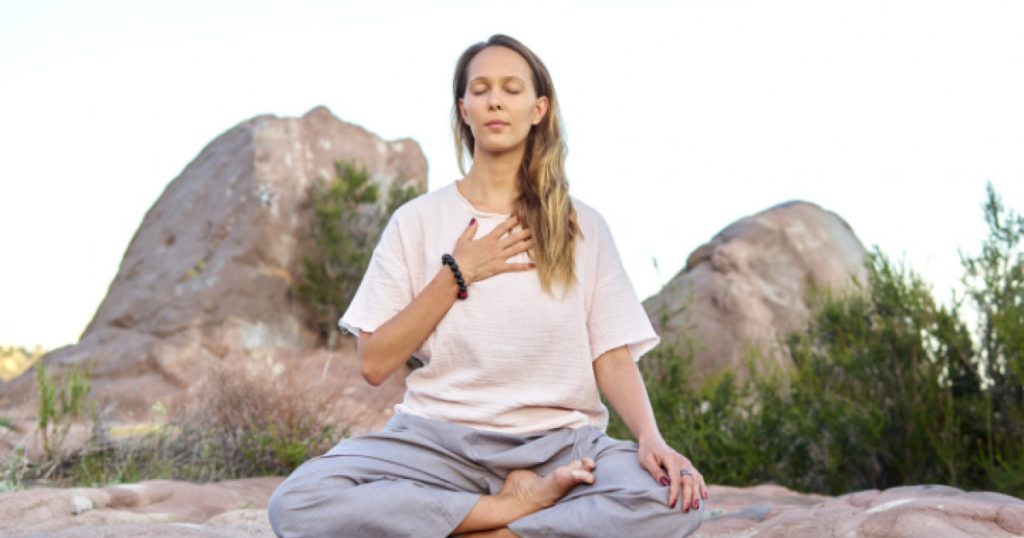
Meditating on the breath is one of the simplest and most accessible forms of what is meditation, using your natural breathing rhythm as an anchor to calm the mind and stay present. This foundational technique requires no special equipment or experience—just your attention on each inhale and exhale. Whether you’re looking to reduce stress, sharpen your focus, or simply find moments of peace in your busy day, breath meditation offers an entry point that anyone can learn in minutes. It often becomes a powerful tool for people who wonder why am I stressed for no reason, helping them identify and ease tension they weren’t consciously aware of.
What Is Breath Meditation?
At its core, breath meditation is a mindfulness practice where you use the sensation of your breathing as a point of focus. If you’re new to this, exploring simple exercises like mindfulness breathing practices can help make the process feel more natural and intuitive. Unlike other techniques that might involve mantras or complex visualizations, this practice is beautifully simple. You just pay attention to the air moving in and out of your body.
The goal isn’t to control your breath, but simply to observe it. You notice its natural rhythm without trying to change it. This makes it incredibly welcoming for beginners, yet it offers enough depth to be a lifelong practice for even the most experienced meditators. It’s about becoming an impartial witness to your own life force, one breath at a time.
The Origins of Breath-Focused Meditation
This practice isn’t new; it has deep roots in ancient traditions. In Buddhism, it’s known as Anapanasati, a core teaching of the Buddha for developing mindfulness and concentration. Similarly, in yogic traditions, the practice of pranayama (breath regulation) has been used for centuries to influence one’s mental and energetic state. These ancient techniques have now been adapted into modern, secular programs that bring the benefits of breath awareness to people all over the world.
Benefits of Meditating on the Breath
You don’t have to just take ancient wisdom’s word for it. Modern science has shown that this simple practice has powerful effects on our well-being.
Reduces Stress and Anxiety
When you focus on your breath, you activate the body’s “rest-and-digest” response, also known as the parasympathetic nervous system. This is the opposite of the “fight-or-flight” mode that stress triggers. The practice helps lower levels of the stress hormone cortisol and creates a small but powerful gap between a stressful event and your reaction to it. The best part? You can do this anywhere—in a stressful meeting, in traffic, or before a difficult conversation.
Improves Focus and Concentration
Have you ever felt like your attention is pulled in a million directions? Each time your mind wanders during meditation and you gently guide it back to your breath, you’re doing a rep for your brain’s “focus muscle.” Research has shown that regular practice strengthens your ability to sustain attention. Even just a few minutes a day can help you stay on task and feel less scattered, which is especially helpful for anyone trying to learn how to increase attention span naturally.
Enhances Emotional Wellbeing
Breath meditation helps you become a better observer of your emotions. By creating space between a feeling and your reaction to it, you’re less likely to be swept away by anger, sadness, or anxiety. This increased awareness helps you understand your emotional patterns and develop healthier ways to cope. It can stabilize your mood and build genuine emotional resilience over time.
Promotes Better Sleep
If your mind races the moment your head hits the pillow, you’re not alone. Focusing on the gentle rhythm of your breath helps quiet that mental chatter and relaxes your body, making it easier to drift off. It’s especially helpful for those who struggle with insomnia. If you’re looking for more ways to unwind at night, exploring specific techniques for meditation for sleep can make a big difference.

Increases Self-Awareness
Simply watching your breath without judgment teaches you a lot about yourself. You start to notice your habitual thought patterns, your physical sensations, and your emotional tendencies more clearly. This kind of self-awareness is the first step toward real personal growth. Many people find they gain profound insights into their own minds just by consistently returning to this simple practice.
How to Practice Breath Meditation: A Step-by-Step Guide
Ready to give it a try? Here is a straightforward guide to get you started. Remember, the point isn’t to be perfect; it’s just to practice.
Find a Quiet, Comfortable Space
Choose a spot where you won’t be interrupted for a few minutes. It doesn’t have to be a special room; a quiet corner of your bedroom or even your parked car can work. Consistency in your location can help build the habit, but don’t let a lack of a perfect spot stop you.
Adopt a Comfortable Posture
You can sit in a chair with your feet flat on the floor, cross-legged on a cushion, or even lie down. The key is to keep your spine relatively straight but not rigid, allowing for easy breathing. Rest your hands on your lap or by your sides. Comfort is more important than a “perfect” posture. While some teachers advise sitting to avoid sleepiness, many people wonder, can you meditate lying down? The short answer is yes, especially if sitting is uncomfortable.
Set a Time Limit
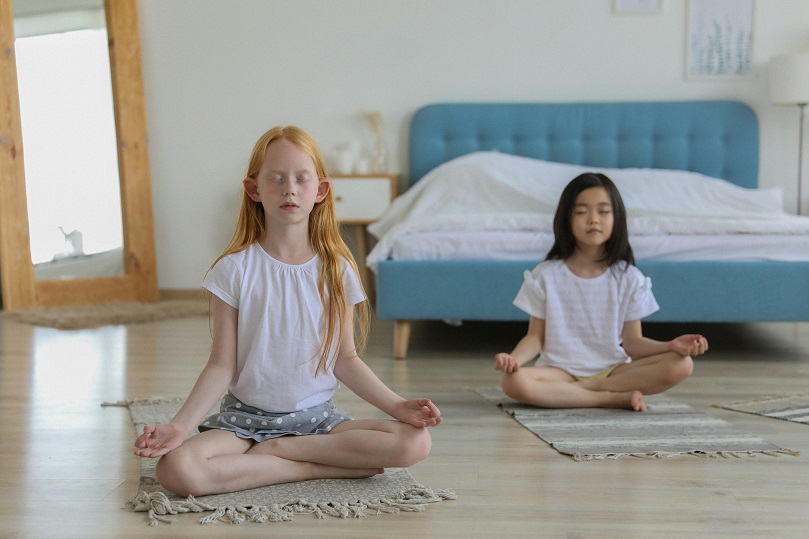
If you’re new to this, start small. Try for just 5 or 10 minutes. A common question is how long should you meditate for optimal benefits, and the honest answer is that consistency beats duration every time. A daily 5-minute practice is more effective than one long session once a month. Set a gentle timer so you don’t have to worry about the time.
Close Your Eyes or Lower Your Gaze
You can gently close your eyes to help turn your attention inward. If that feels uncomfortable, you can also keep them open with a soft, unfocused gaze toward the floor a few feet in front of you. See what works best for you.
Bring Attention to Your Breath
Now, simply start to notice your breath. Don’t try to change it in any way. Just observe it. You might feel the air coming in cool through your nostrils and leaving warm. You might notice your chest or belly rising and falling. Pick one spot where the sensation is most vivid and rest your attention there.
Notice When Your Mind Wanders
Your mind will wander. It will drift to your to-do list, a conversation from yesterday, or a random thought. This is completely normal and expected. It happens to everyone. The moment you realize your mind has wandered is a moment of success—you’ve just practiced mindfulness!
Gently Return to the Breath
When you notice your attention has drifted, gently and kindly guide it back to the sensation of breathing. There’s no need for frustration or self-judgment. The practice is this constant, gentle returning. Each time you do it, you strengthen your ability to choose where you place your focus.
Close Your Session Mindfully
When your timer goes off, slowly bring your awareness back to the room. Notice the sounds around you and the feeling of your body. Take a moment to thank yourself for taking this time for your well-being. This gentle transition helps carry the sense of calm into the rest of your day.
Advanced Techniques to Deepen Your Practice
Once you’re comfortable with the basics, you can explore a few techniques to keep your practice engaging.
Counting Your Breaths
This is a great tool for a busy mind. As you exhale, count “one.” On the next exhale, “two,” and so on, up to ten. Then, start again at one. If you lose count or find yourself at seventeen, that’s just a signal that your mind wandered. Simply smile and start again at one.
The 4-7-8 Breathing Technique
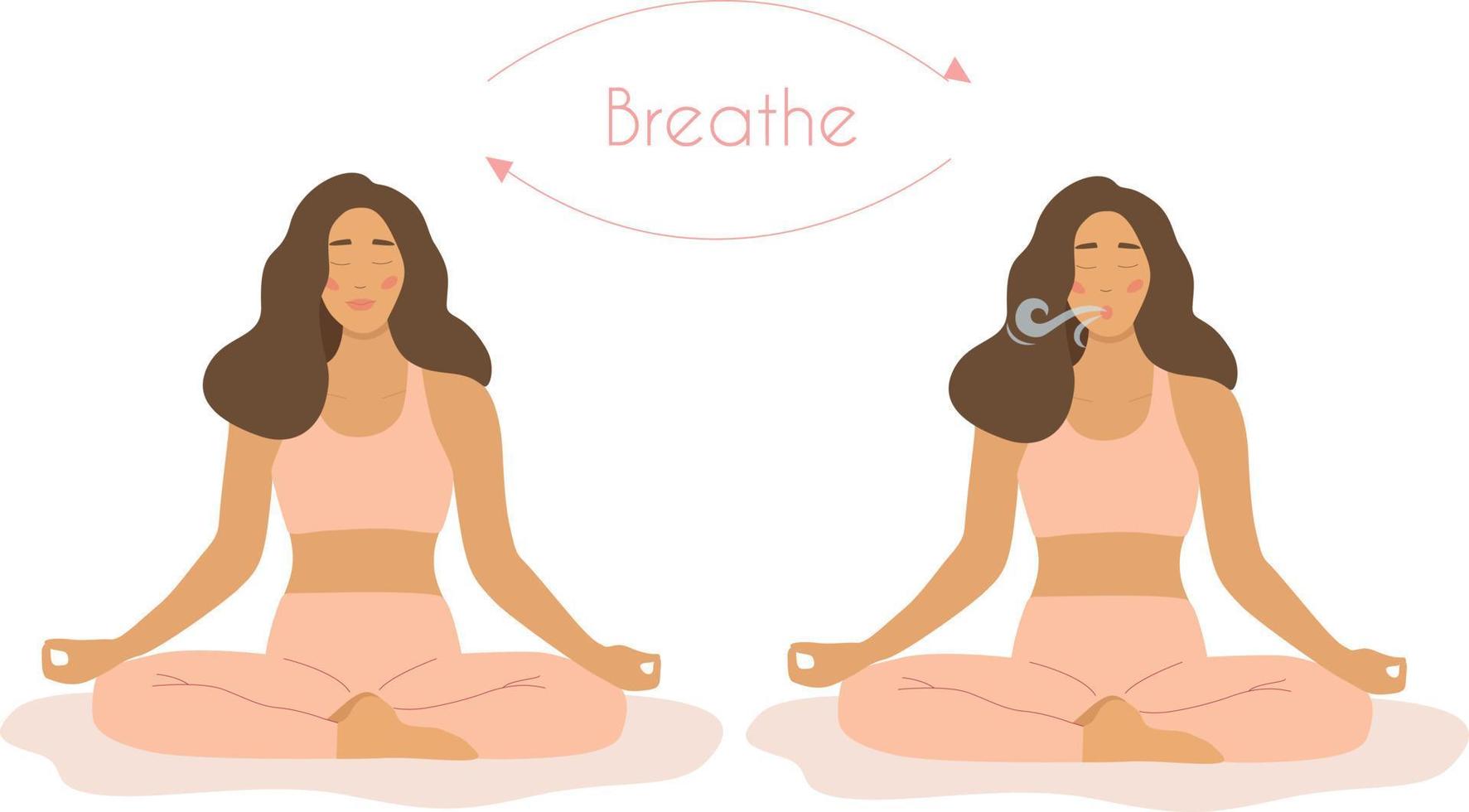
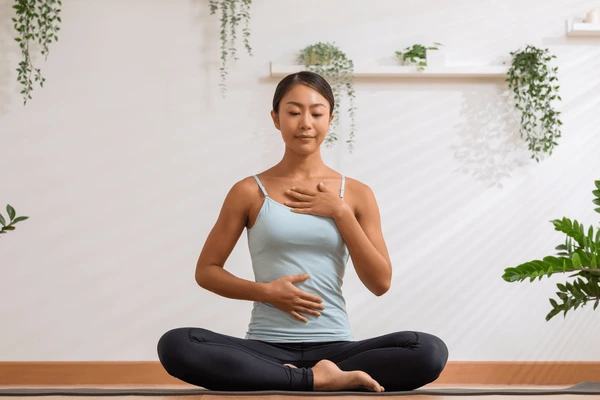
This technique, rooted in pranayama, is excellent for calming anxiety. You inhale quietly through your nose for a count of 4, hold your breath for a count of 7, and then exhale completely through your mouth for a count of 8. Start with just a few rounds. It directly engages your body’s relaxation response.
Observing Breath Qualities
Instead of just feeling the breath, start noticing its qualities. Is it deep or shallow? Long or short? Smooth or a bit ragged? Again, the goal isn’t to change anything, but to bring a finer level of awareness to the experience. This develops a more subtle and focused concentration.
Building a Consistent Meditation Habit
The real benefits come from consistency. Here are a few tips to make it a regular part of your life.
Choose a Regular Time and Place
Try to practice at the same time and in the same place each day. This creates a routine that your brain can easily adopt. Sticking to a morning routine can be especially powerful. We have a complete morning meditation guide if that’s something you’d like to explore.
Start Small and Build Gradually
Seriously, start with 5 minutes. Or even 2. A small, achievable goal builds momentum and confidence. Once 5 minutes feels easy, you can naturally extend it. It’s better to succeed at a short session than to feel overwhelmed by a long one.

Use Reminders and Cues
Pair your new meditation habit with an existing one. For example: “After I have my morning coffee, I will meditate for 5 minutes.” You can also set a reminder on your phone or leave your meditation cushion in a place where you’ll see it.
Practice With Others or Use Guided Meditations
Sometimes, practicing with a group or using an app can provide motivation and structure. Using guided meditation for beginners can provide structure and keep you engaged when you’re just starting out.
Integrating Breath Awareness Into Daily Life
The practice doesn’t have to stop when you get up from the cushion. The ultimate goal is to bring this awareness into your everyday life.
You can take a few mindful breaths while waiting for the kettle to boil, before answering the phone, or while stopped at a red light. When you feel stressed, you can anchor yourself with your breath instead of reacting automatically. These small moments of “micro-meditation” weave mindfulness into the fabric of your day, making your formal practice even richer.
Ultimately, meditating on the breath is a simple act of returning home to yourself, over and over again. It’s a practice of kindness, patience, and gentle awareness that can profoundly change your relationship with your own mind.
For more wellness insights and tips on living a more mindful life, feel free to explore more of our articles at www.notonetype.org.

Có thể bạn quan tâm
Morning Meditation Guide: How to Start Your Day with Mindfulness
Starting your day with morning meditation can completely change your mental clarity, reduce stress, and...
Dec
How to Sit for Meditation: 7 Positions & Posture Guide (2025)
Finding the right way to sit for meditation can feel like the first big hurdle....
Dec
How to Stay Awake During Meditation: Simple Techniques That Work
It’s a familiar story. You settle onto your cushion, ready for a session of peace...
Dec
Can You Meditate Lying Down? A Complete Guide
Let’s clear this up right away: you absolutely can meditate lying down. If you’ve ever...
Dec
Can You Meditate With Music? Benefits & How-To Guide
Meditation comes in many forms, and the question of whether you can meditate with music...
Dec
When Is the Best Time to Meditate? Finding Your Ideal Practice Schedule
So, you’re looking to start a meditation practice, or maybe deepen an existing one. That’s...
Dec