
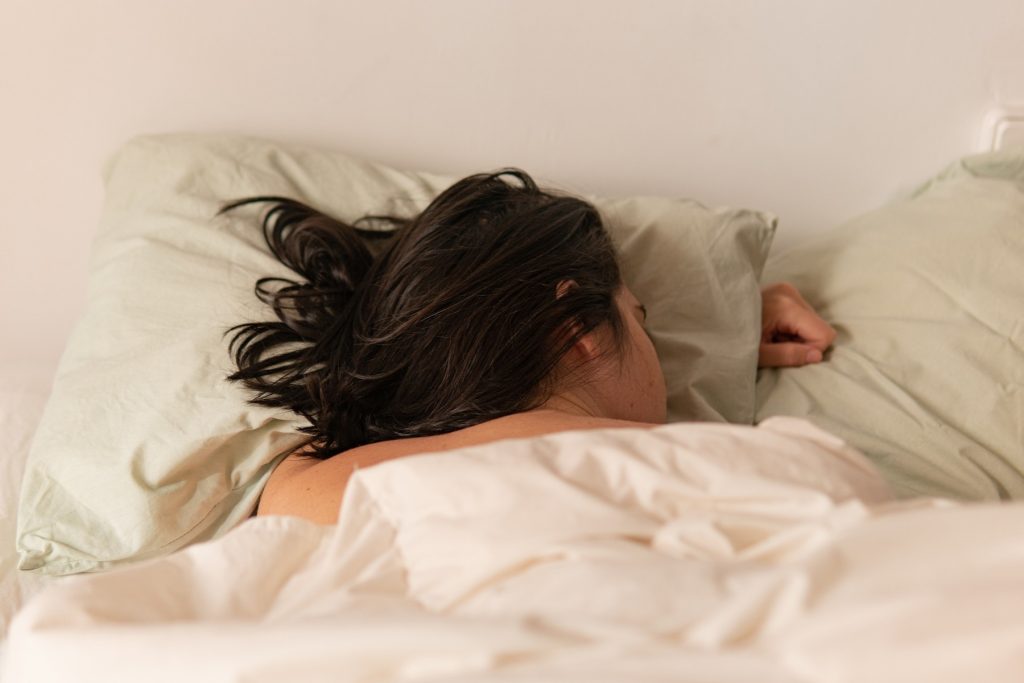
Washing your hair at night saves time in the morning, but going to bed with wet hair can lead to breakage, frizz, and scalp issues if not done correctly. While dermatologists and hair experts generally recommend drying your hair before bed, understanding how to protect hair while sleeping is crucial when time is tight—whether your hair is wet or dry. This guide covers everything you need to know about protecting your strands overnight, including the best products, techniques, and protective styles for every hair type.
Is It Bad to Sleep With Wet Hair?
Let’s get straight to it: is sleeping with wet hair a major hair-care crime? While it’s not the absolute worst thing you can do, experts generally agree it’s a habit best avoided. Think of your hair strands like delicate fabric. When wet, they’re swollen, stretched, and much more fragile.
Why Wet Hair Is More Vulnerable at Night
Here’s a little science without the boring lecture. When your hair is wet, water lifts its protective outer layer, called the cuticle. This also causes the inner cortex to absorb water and swell, making the strand stretch—sometimes up to 30% of its original length!
Now, picture yourself tossing and turning. That friction against your pillowcase pulls on these already-weakened strands, pushing them past their breaking point. This is especially true for color-treated or chemically processed hair, which has already lost some of its natural protective oils. Over time, the repeated cycle of swelling and drying can lead to a condition called hygral fatigue, which permanently weakens the hair fiber.
When Sleeping With Wet Hair Is Okay
Okay, let’s be realistic. Sometimes, a late-night shower is unavoidable. The good news is that an occasional night of sleeping with damp hair won’t ruin it forever. If you have thick, straight, and generally healthy hair, you might not notice much of a difference. Some people even use dampness to their advantage to create heatless waves.
The golden rule is to listen to your hair. If you wake up without extra frizz, tangles, or noticeable breakage, you’re probably in the clear for those once-in-a-while occasions.
Risks of Sleeping With Wet Hair
While it’s not a catastrophe, making a habit of it can lead to some frustrating issues for your hair, scalp, and even your skin. Here’s what you’re up against.
Hair Breakage and Damage
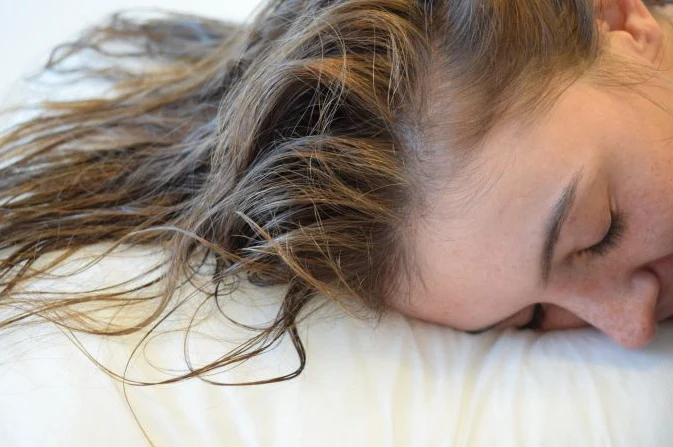
This is the big one. As you sleep, you naturally move around. Your delicate, water-logged hair gets caught and pulled against your pillowcase. The result? You wake up to more split ends, tangles, and snapped strands on your pillow. It’s a slow, quiet process, but over time it adds up to significant damage and thinning.
Scalp Infections and Irritation
Your scalp is an ecosystem, often called the scalp microbiome. When you introduce a warm, damp environment (your head on a pillow) for eight hours, you’re basically rolling out the welcome mat for bacteria and fungi. This can disrupt the delicate balance, leading to issues like:
- Increased dandruff
- Itchiness and irritation
- Malassezia, a yeast-like fungus that can flare up and cause scalp inflammation.
Frizz and Tangled Hair
Have you ever woken up with a matted, frizzy bird’s nest on your head after sleeping with wet hair? I certainly have. As your hair dries in random positions while you sleep, the cuticles are roughed up, especially on a cotton pillowcase. This creates that dreaded frizz and leads to knots that require aggressive brushing in the morning—causing even more damage.
Skin and Acne Issues
Here’s one I didn’t think about for years. The moisture from your hair, combined with any leave-in products, seeps into your pillowcase. This creates a breeding ground for bacteria that can then transfer to your face, neck, and back, potentially clogging pores and causing breakouts or even fungal acne. This is why pairing hair care with a proper nighttime skincare routine is important for keeping your skin clear and healthy.
Essential Tips for Sleeping With Wet Hair Safely
So, you’ve had a long day and need to wash your hair before bed. No worries. With a few smart adjustments, you can minimize the damage. These are my tried-and-true methods.

Dry Your Hair Partially Before Bed
This is the most important tip: never go to bed with soaking wet hair. Aim to get it at least 70-75% dry. Just wash your hair a little earlier in the evening and let it air dry while you unwind. If you’re short on time, use a blow dryer on a low setting to quickly remove excess moisture from the roots and lengths. Damp is manageable; drenched is a problem.
Use a Silk or Satin Pillowcase
If you make one change, let it be this. Cotton pillowcases are absorbent and create a ton of friction. Silk or satin, on the other hand, provides a smooth surface that your hair can glide over. This simple swap dramatically reduces pulling, tangling, and breakage for both wet and dry hair.
Apply Leave-In Conditioner or Hair Oil
A good leave-in conditioner or a few drops of hair oil can be a lifesaver. These products create a protective barrier around the hair shaft, reducing friction and helping to seal the cuticle. I love using a bit of argan oil on my ends to keep them moisturized and less prone to splitting. Coconut oil is also great because it’s been shown to reduce protein loss in hair.
Switch to a Microfiber Towel
Ditch the rough bath towel. A microfiber towel is much gentler and absorbs way more water without creating frizz. Instead of rubbing your hair aggressively, gently squeeze and blot the excess water out. You’ll be amazed at how much faster your hair dries.
Wear a Hair Cap or Bonnet
A silk or satin bonnet is another fantastic option, especially for those with textured hair. It bundles your hair up, preventing it from rubbing against your pillow and transferring products to your skin. Just make sure your hair is loosely contained inside, not twisted into a tight knot.
Style Your Hair in a Loose Protective Style
Contain your hair to prevent it from becoming a tangled mess. A loose braid or a high, loose bun (often called a “pineapple”) secured with a gentle scrunchie works wonders. This is a key part of learning how to tie hair while sleeping for hair growth, as it prevents tension on the roots. Never use tight elastics on wet hair.
How to Sleep With Wet Hair by Hair Type
Your hair’s texture plays a huge role in how it reacts to being slept on wet. What works for straight hair might be a frizzy disaster for curly hair. Your hair porosity—its ability to absorb and retain moisture—also matters. Here’s a breakdown by type.

Straight Hair
Straight hair often gets away with the least amount of frizz, but it can look flat or creased in the morning.
- Best Bet: Let it hang loose on a silk pillowcase or twist it into a very loose bun at the crown of your head for a little volume.
- Product: A lightweight leave-in spray will prevent tangles without weighing it down. This is also a great way to learn how to keep hair straight overnight.
Wavy Hair
The goal for wavy hair is to preserve your natural pattern without creating frizz.
- Best Bet: A loose braid will enhance your waves. The “plopping” technique, where you wrap your hair in a cotton T-shirt or microfiber towel to dry, can also work well.
- Product: Apply an anti-frizz serum or a wave-enhancing cream. For more tips, check out our guide on how to sleep with wavy hair.
Curly Hair
Curly hair is especially prone to frizz and losing its shape. Protection is key.
- Best Bet: The “pineapple” method—a high, loose ponytail on top of your head—is a classic for a reason. It protects the curl clumps. A silk bonnet is also a must-have.
- Product: Apply a curl cream and a leave-in conditioner to keep curls defined and hydrated. Sleeping with wet curls is tricky, so our dedicated guide on how to sleep with curly hair can offer more detailed advice.
Coily and Textured Hair
For coily hair, moisture retention and preventing shrinkage are the main goals.
- Best Bet: Style your damp hair into several large, loose twists or braids. This stretches the hair slightly and keeps it organized. Always cover it with a satin bonnet or scarf.
- Product: Generously apply a rich leave-in conditioner or hair butter to seal in moisture.
Common Mistakes to Avoid
I’ve made all of these mistakes, so learn from my frizzy, damaged past!
Sleeping on Cotton Pillowcases
I can’t say it enough: cotton is the enemy of wet hair. It’s rough, it snags your cuticles, and it sucks the moisture right out of your strands, leaving them brittle.
Going to Bed With Soaking Wet Hair
Jumping into bed right after a shower is a recipe for disaster. Your hair will be in its most vulnerable state for the longest possible time, and your scalp will stay damp for hours. Give it at least 20-30 minutes to air dry first.
Using Tight Hairstyles or Elastics
Tying wet hair in a tight ponytail or bun is one of the fastest ways to cause breakage. The tension on the fragile, elastic strands is immense. Always opt for loose styles and use soft ties like scrunchies.
Skipping Scalp Drying
We often focus on the ends, but a damp scalp is where the real trouble starts. After towel-drying your lengths, take a moment to gently press the towel against your roots and scalp to absorb as much water as possible.
Alternatives to Sleeping With Wet Hair
If you’d rather avoid the risks altogether, here are a few simple routine changes that can make a huge difference.
Shower Earlier in the Evening
This is the easiest fix. Wash your hair an hour or two before you plan to go to sleep. That gives it plenty of time to air dry while you’re reading, watching a show, or just relaxing. Making these small adjustments to your evening self care activities can significantly improve both your hair and sleep quality.
Quick Blow-Drying Techniques
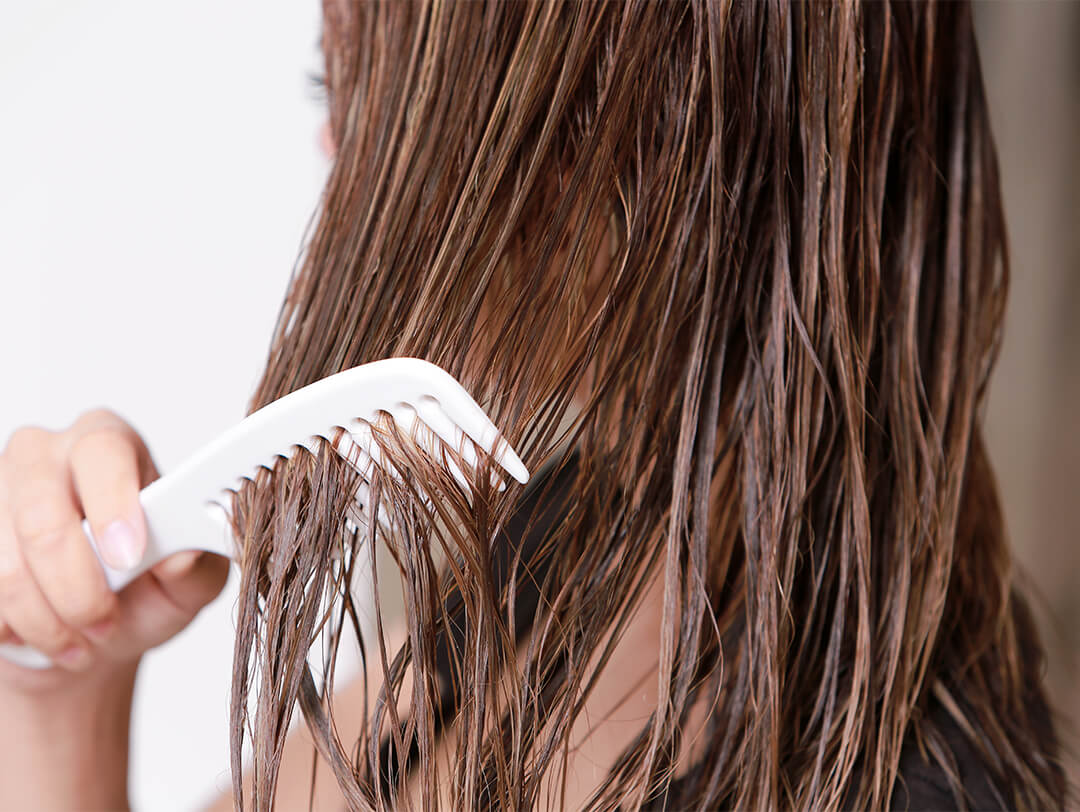
You don’t need a perfect, salon-style blowout. Just flip your head over and “blast dry” your hair for 5-10 minutes on a medium heat setting. Focus on the roots. Getting your hair 80% dry is more than enough to protect it.
Switch to Morning Hair Washing
If your schedule allows, becoming a morning hair washer is the ultimate solution. It might mean waking up a few minutes earlier, but you’ll have complete control over how your hair dries and is styled for the day.
Final Thoughts
Sleeping with wet hair isn’t ideal, but it doesn’t have to be a nightmare for your hair’s health. By making a few small changes—like partially drying your hair, using a silk pillowcase, and choosing loose hairstyles—you can protect your strands and wake up with healthier, more manageable hair.
For more tips on hair wellness and embracing your natural texture, feel free to explore more content here at www.notonetype.org.
Frequently Asked Questions (FAQ)
1. Can sleeping with wet hair make you sick?
This is a common myth! While it’s not great for your hair and scalp, there is no scientific evidence that sleeping with wet hair can cause you to catch a cold or other illnesses. Colds are caused by viruses, not by being cold or wet.
2. How long does it take for hair to air dry completely?
This varies greatly depending on your hair’s thickness, length, and porosity. Fine, low-porosity hair might dry in an hour, while thick, high-porosity hair could take four hours or more.
3. Is it better to air dry or blow dry hair?
Both have pros and cons. Air drying is gentler as it involves no heat, but it leaves the hair cuticle swollen for longer. Blow drying is faster but can cause heat damage if not done correctly. The best approach is often a combination: let your hair air dry about 75% of the way, then use a blow dryer on a low-heat setting to finish.

Có thể bạn quan tâm
How to Sleep with Wavy Hair: 7 Ways to Preserve Your Waves
Sleeping with wavy hair can feel like a nightly gamble. You go to bed with...
Dec
How to Get Wavy Hair Overnight Short Hair: 8 Easy Heatless Methods
Getting wavy hair overnight with short hair is easier than you might think, and you...
Dec
How to Sleep With Short Hair: Tips to Wake Up With Beautiful, Damage-Free Hair
Sleeping with short hair can feel like a nightly gamble. You go to bed with...
Dec
How to Keep Hair Straight Overnight: 10 Easy Methods That Work
It’s a familiar story. You spend precious time carefully flat-ironing your hair until it’s perfectly...
Dec
How to Sleep with Curly Hair Without a Bonnet: (8 Easy Ways)
Protecting your curls overnight doesn’t have to mean wearing a bonnet. Maybe you find them...
Dec
How to Sleep with Curly Hair Without Frizz (2025 Guide)
Waking up with flattened, frizzy curls is frustrating, but it doesn’t have to be your...
Dec