

Waking up with flattened, frizzy curls is frustrating, but it doesn’t have to be your reality. Learning how to protect hair while sleeping is the key to maintaining beautiful, defined curls overnight through protective techniques that reduce friction, preserve moisture, and keep your curl pattern intact. while you sleep. With the right nighttime routine using satin accessories, protective hairstyles, and simple preparation steps, you can wake up with bouncy, gorgeous curls that require minimal refreshing. Treating your evening hair care ritual as part of your overall self care activities helps make it more enjoyable and easier to stay consistent.
Why Curly Hair Struggles Overnight
Curly hair is beautiful, but it can be high-maintenance, especially when you’re trying to get a good night’s sleep. The main issues come down to two things: friction and moisture loss.
When you toss and turn, your hair rubs against your pillowcase. If you’re using a standard cotton pillowcase, its rough fibers can snag your hair’s cuticles, causing them to lift. This leads to that dreaded frizz and can create serious tangles. On top of that, cotton is highly absorbent, pulling moisture right out of your hair, leaving it dry and brittle by morning.
Common Problems When Sleeping with Curly Hair
We’ve all been there. You go to bed with perfect curls and wake up with a tangled mess. Here are the most common culprits:
- Frizz: This is the number one enemy. The friction from rough fabrics roughs up the hair cuticle, creating a frizzy halo.
- Tangles and Knots: Curls naturally twist around each other. Add in movement during sleep, and you have a recipe for frustrating knots that can lead to breakage.
- Flattened Curls: Flattened curls often happen because the weight of your head presses against the pillow for hours. Adjusting the best sleep position for your curl type—whether on your back or using strategic support—can keep your hair lifted and minimize overnight crushing.
- Dryness: Because of its structure, curly hair is often naturally drier than straight hair. Losing more moisture overnight only makes the problem worse, leading to dull, lifeless curls.
The Science Behind Curl Preservation
So, what’s happening on a microscopic level? Each hair strand is covered in tiny, overlapping scales called the cuticle. When the cuticle is smooth and flat, your hair looks shiny and your curls are defined. Friction from cotton lifts these scales, causing frizz.
This is why fabrics like satin and silk are so effective. Their smooth surfaces allow your hair to glide across them with minimal friction, keeping the cuticle flat. Furthermore, these materials are far less absorbent than cotton, helping your hair retain its natural oils and any products you’ve applied, which is essential for maintaining hydration.
Essential Sleep Accessories for Curly Hair
Investing in a few key accessories is one of the simplest and most effective ways to protect your curls. Think of these as the foundation of your nighttime hair routine.

Satin and Silk Pillowcases
If you find bonnets or wraps uncomfortable, switching to a satin or silk pillowcase is a must. As mentioned, their smooth surface reduces friction, which means less frizz and fewer tangles. They also help your hair hold onto moisture. While silk is a natural fiber and often seen as more luxurious, polyester satin provides the same benefits for your hair at a more affordable price point.
Satin Bonnets and Sleep Caps
A satin bonnet is a fantastic option for total hair protection. It tucks all your hair away, preventing it from rubbing against your pillowcase or getting tangled as you move. Bonnets are especially great for those who toss and turn a lot. They work well for all hair types, including those with shorter hair or coily textures that might not fit easily into other styles.
Soft Scrunchies and Hair Ties
Forget traditional elastic hair ties. They can pull, snag, and cause breakage—not to mention leave annoying dents in your curl pattern. Instead, always use soft, fabric-covered scrunchies, preferably made of satin or silk. They hold your hair securely without causing tension or damage, making them perfect for any overnight protective style.
Best Protective Hairstyles for Sleeping
Putting your hair into a protective style before bed is another crucial step. The goal is to keep your curls contained and prevent them from getting crushed. Creating a consistent routine like this not only preserves your curl pattern but also supports healthier sleep habits that help your hair recover overnight. Here are some of the most effective methods.
The Pineapple Method
This is a classic for a reason. The “pineapple” involves loosely gathering your hair into a high ponytail on the very top of your head.
How to do it: Flip your head forward, gather all your curls at your crown, and secure them with a soft scrunchie. The ponytail should be loose enough to avoid tension. This style is best for medium to long hair as it keeps the curls from being pressed down while you sleep and helps maintain volume at the roots.
Loose Buns and Top Knots
Similar to the pineapple, a loose bun or top knot keeps your hair contained and off your neck. Gently twist your hair and coil it into a bun at the top of your head, securing it with a scrunchie. The key word here is loose. If it’s too tight, you’ll flatten your curls and risk breakage.
Braids and Twists
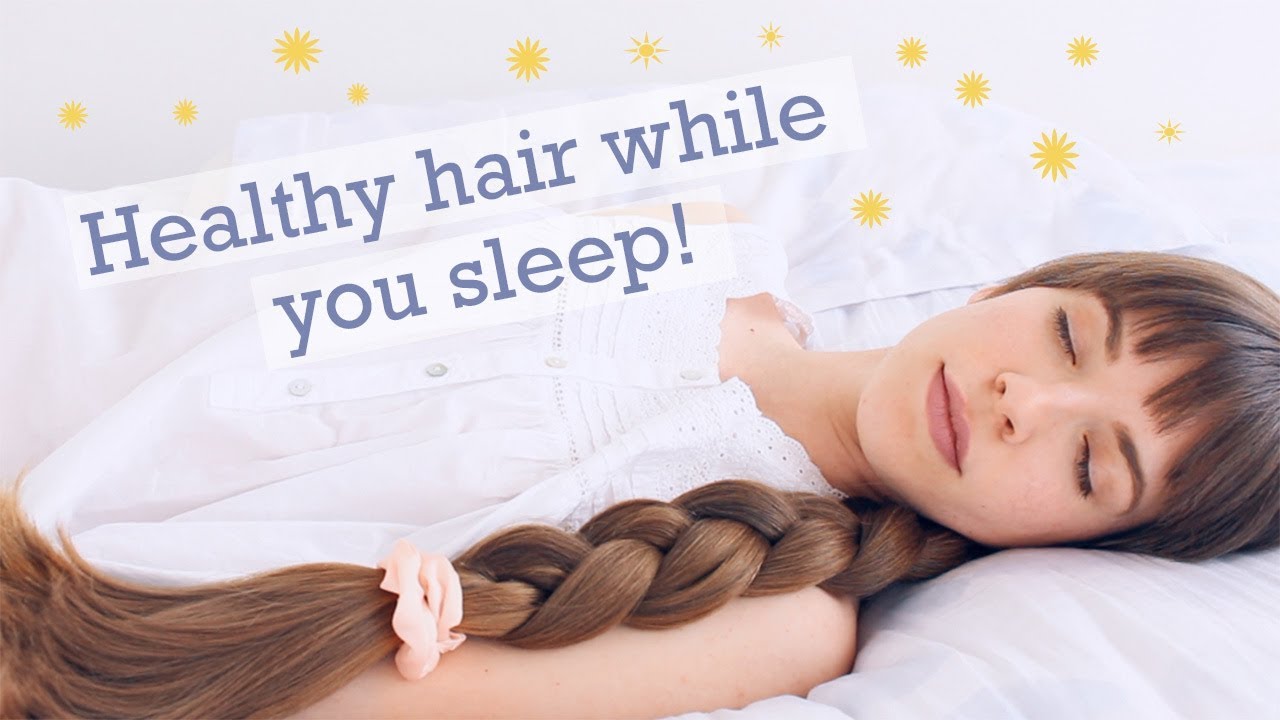
Sectioning your hair into a few loose braids or two-strand twists is a great way to prevent tangles. This method can also help enhance your curl pattern, giving you soft, defined waves by morning. It’s particularly effective for longer hair. For extra moisture, try applying a bit of leave-in conditioner before braiding.
The Medusa Clipping Technique
If you have shorter hair, the pineapple might not work for you. The Medusa clipping technique is an excellent alternative. You divide your hair into several sections and use small, gentle clips to secure them on top of your head. This keeps the curls lifted off your scalp and prevents them from getting flattened. It’s a great option if you’re trying to figure out how to sleep with short hair and keep your curls intact.
Plopping for Wet or Damp Hair
On wash days, you might find yourself needing to go to bed with damp hair. Plopping is the perfect solution.
How to do it: After applying your styling products, lay a cotton t-shirt or microfiber towel on a flat surface. Flip your hair forward onto the center of the fabric, then wrap and tie it securely on top of your head. Plopping helps absorb excess water while encouraging curl formation without gravity weighing them down. This is one of the best ways for how to sleep with wet hair without causing frizz. You can plop for 20-30 minutes or even overnight, depending on your hair’s thickness.
Pre-Bedtime Curly Hair Routine
A few simple steps before you even put your hair up can make a huge difference in your morning results.
Detangle Gently
Never go to bed with tangled hair. Use your fingers or a wide-tooth comb to gently work through any knots, starting from the ends and moving up to the roots. This prevents the tangles from getting worse overnight.
Apply Leave-In Conditioner or Curl Oil
Curly hair thrives on moisture. Applying a light layer of a leave-in conditioner or a nourishing oil to your mid-lengths and ends before bed helps lock in hydration and fight off overnight dryness. This simple step leads to softer, more manageable curls in the morning.
Choose Your Protective Style
Once your hair is detangled and moisturized, select one of the protective hairstyles mentioned earlier. Choose the one that feels most comfortable and works best for your hair length and curl type.
Morning Refresh Techniques for Curly Hair
Even with the best protection, some curls might need a little encouragement in the morning. Here’s how to revive them without a full wash.
Mist and Scrunch
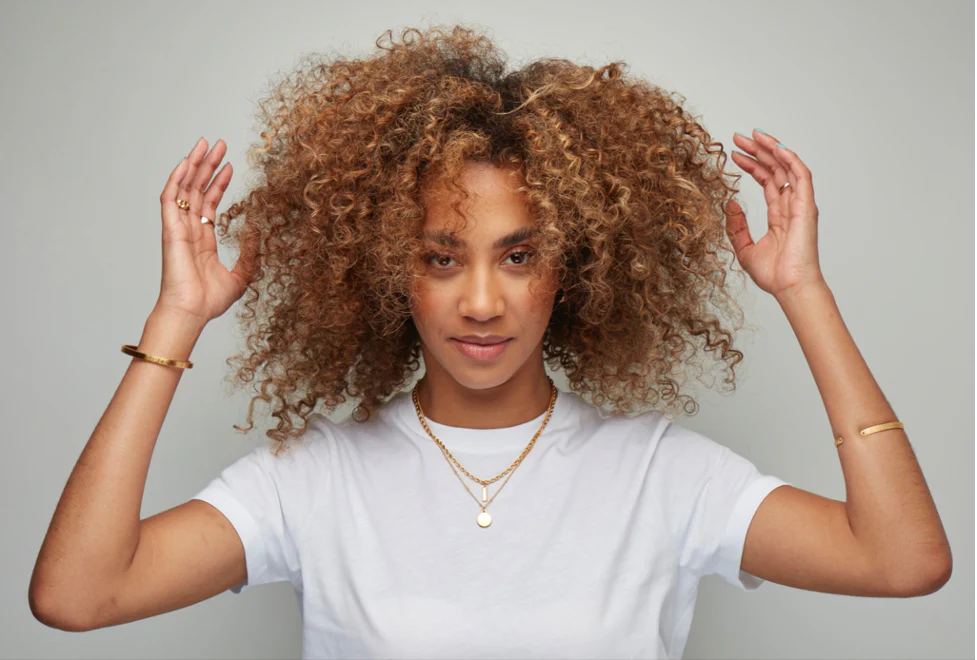
Fill a spray bottle with water (you can also add a little bit of leave-in conditioner) and lightly mist your hair. This will reactivate yesterday’s products. Gently scrunch your hair upwards towards the scalp to encourage the curls to bounce back up. Don’t soak your hair; a light mist is all you need.
Smooth Away Frizz
For any areas with stubborn frizz, take a tiny amount of curl cream, gel, or oil on your fingertips. Rub your hands together and gently smooth it over the frizzy sections. This is often called the “praying hands” method and helps tame flyaways without disrupting your curl pattern.
Finger Coiling and Reshaping
If a few curls have completely lost their shape, you can redefine them individually. Take a small section of hair, apply a touch of product, and wrap it around your finger to reshape the coil. Hold for a few seconds, then release.
Touch Up with Heat (Optional)
For a quick fix on a particularly unruly curl, you can use a curling wand on a low heat setting. This should be a last resort and used sparingly with a heat protectant to avoid damage.
Common Mistakes to Avoid
Sometimes, what you don’t do is just as important as what you do. Avoid these common mistakes.
Sleeping on Cotton Pillowcases
It’s worth repeating: cotton is not your curls’ friend. It absorbs essential moisture and its rough texture creates frizz-inducing friction. Making the switch to satin or silk is the single easiest and most impactful change you can make.
Using Tight Hair Ties
Standard elastic hair ties are a major cause of breakage and can leave harsh dents in your curls. Always opt for soft scrunchies and never tie your protective styles too tightly. Comfort is key.
Going to Bed with Soaking Wet Hair
While plopping damp hair is fine, going to bed with soaking wet hair can make it more fragile and prone to breakage. It can also lead to scalp issues. If you wash your hair at night, try to let it air dry or diffuse it until it’s at least 70% dry before heading to bed.
Skipping Nighttime Moisture
Just like your skin, your hair benefits from an overnight treatment. Skipping a leave-in conditioner or oil means you’re missing a key opportunity to hydrate your curls, which often leads to dryness and brittleness.
Tips for Different Curl Types
Not all curls are the same. Tailoring your approach to your specific curl pattern will give you the best results.
Wavy Hair (Type 2)
Wavy hair can easily get weighed down. Loose braids or a pineapple are great options to preserve your wave pattern. If you’re looking for more tips, exploring different ways for how to sleep with wavy hair can give you more tailored techniques. Use light products to avoid flattening your waves.

Curly Hair (Type 3)
Type 3 curls, from loose loops to tight corkscrews, do very well with the pineapple method or loose buns. These styles help maintain volume and definition. A satin bonnet or pillowcase is essential, and a morning mist-and-scrunch is usually all that’s needed to bring them back to life.
Coily Hair (Type 4)
Coily hair is the most fragile type and requires extra moisture. Protective styles like twists or braids are excellent choices. A satin bonnet is non-negotiable to protect delicate strands. Applying a rich curl butter or oil before bed is crucial to keep coily hair hydrated and healthy.
Building a Consistent Nighttime Routine
Finding the perfect nighttime routine is a bit of trial and error, but consistency is what truly transforms your hair. Making these protective methods a nightly habit will lead to healthier, more defined curls, less breakage, and much easier mornings.
Experiment with different hairstyles and accessories to discover what your curls love most. By giving your hair a little care before bed, you’re setting yourself up for a great hair day, every day. For more tips and to continue your journey toward healthier hair, feel free to explore more resources here at www.notonetype.org.

Có thể bạn quan tâm
How to Sleep With Wet Hair: Tips to Protect Your Strands Overnight
Washing your hair at night saves time in the morning, but going to bed with...
Dec
How to Sleep with Wavy Hair: 7 Ways to Preserve Your Waves
Sleeping with wavy hair can feel like a nightly gamble. You go to bed with...
Dec
How to Get Wavy Hair Overnight Short Hair: 8 Easy Heatless Methods
Getting wavy hair overnight with short hair is easier than you might think, and you...
Dec
How to Sleep With Short Hair: Tips to Wake Up With Beautiful, Damage-Free Hair
Sleeping with short hair can feel like a nightly gamble. You go to bed with...
Dec
How to Keep Hair Straight Overnight: 10 Easy Methods That Work
It’s a familiar story. You spend precious time carefully flat-ironing your hair until it’s perfectly...
Dec
How to Sleep with Curly Hair Without a Bonnet: (8 Easy Ways)
Protecting your curls overnight doesn’t have to mean wearing a bonnet. Maybe you find them...
Dec