

It’s a familiar story. You settle onto your cushion, ready for a session of peace and awareness, but a few minutes in, your head starts to nod. Falling asleep during meditation is one of the most common hurdles, and trust me, you are not alone. While meditation is deeply relaxing, nodding off isn’t the goal. The aim is to build mindful awareness, not to take an accidental nap. Understanding the ‘why’ behind the drowsiness and having a few practical tools can completely change your practice. It can shift it from a frustrating fight against sleep into a focused and energizing experience. If you’re new to the practice and want to understand the basics, learning what is meditation can provide a great foundation.
Why You Fall Asleep During Meditation
Before we get into the solutions, it helps to know what’s happening in your brain and body. Drowsiness isn’t a sign of failure; it’s often a natural response to relaxation, especially when combined with certain lifestyle factors.
The Science Behind Meditation and Sleepiness
When you meditate, your brain activity begins to change. You shift from the active, thinking state associated with beta brain waves to a more relaxed, reflective state of alpha waves. As you deepen your practice, you might even dip into theta waves, which are linked to deep relaxation, dreaming, and the very first stage of sleep.
This brain wave transition is a positive sign that you’re relaxing effectively. However, if your body is already tired, this deep relaxation can easily tip over the edge into actual sleep. Your brain essentially receives the same signals it does when it’s time to power down for the night.
Common Lifestyle Triggers
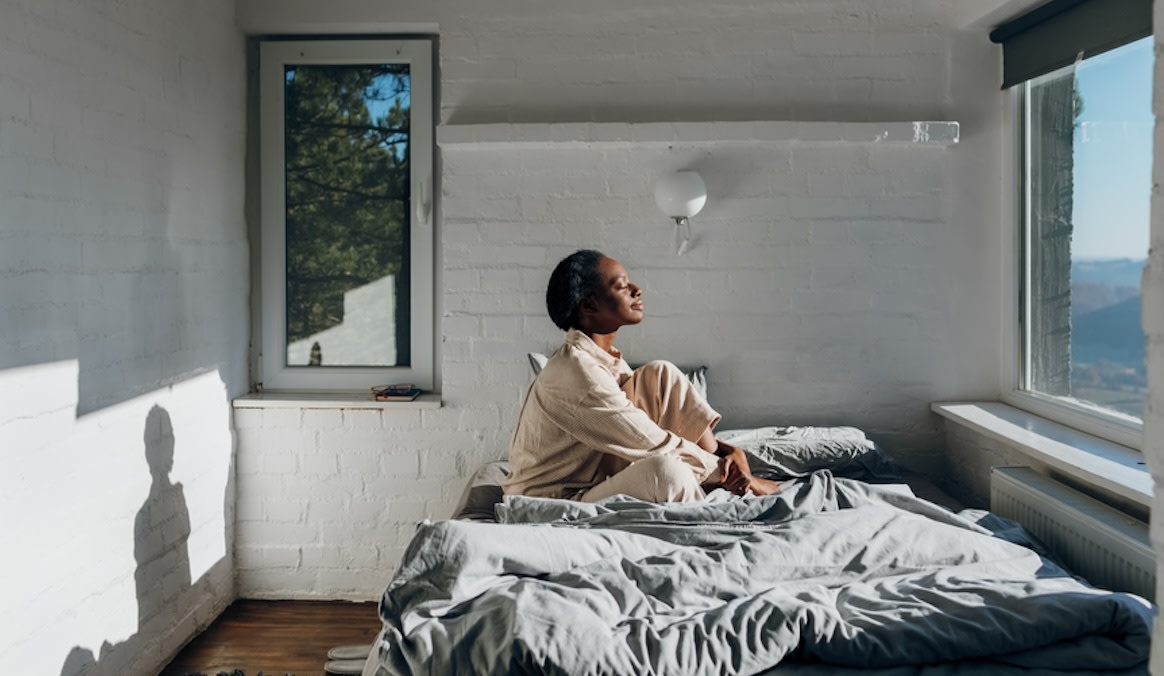
The science is just one part of the equation. Often, simple daily habits are the main culprit behind meditation-induced sleepiness.
- Sleep Deprivation: This is the most obvious one. If you aren’t getting enough quality sleep at night, your body will seize any quiet opportunity to catch up.
- Meditating After a Meal: After you eat, your body diverts energy to digestion, which can cause a natural dip in energy and a feeling of sleepiness.
- High Stress Levels: Chronic stress can leave you feeling drained. When you finally sit down to be quiet, the exhaustion you’ve been pushing through can hit you all at once.
- Wrong Timing: Trying to meditate during a natural energy slump, like the mid-afternoon, or right before your usual bedtime when you’re already tired can make it harder to stay awake.
Choose the Right Meditation Position
Your posture is arguably the most powerful tool you have for staying alert. The way you hold your body sends direct signals to your brain about whether it’s time to be attentive or to go to sleep.
Sit Upright Instead of Lying Down
While it might feel relaxing, it’s best to avoid meditating while lying down if sleepiness is an issue. The question of can you meditate lying down is common, but the answer is that your brain has a very strong association between lying down and sleeping. Sitting upright is the ideal posture.
You can sit cross-legged on the floor, perhaps using a cushion to elevate your hips, or sit in a chair with your feet flat on the ground. The key is to keep your spine long and straight without being rigid. This upright posture helps engage your mind and signals to your brain that it’s time for focused attention, not rest. Getting the position right is key, so learning how to sit for meditation properly can make a huge difference.
Find the Balance Between Comfort and Alertness
The goal is to be comfortable enough that you aren’t distracted by physical pain, but not so comfortable that you drift off. A firm chair or a meditation cushion provides a good balance. Avoid meditating in a soft armchair, a recliner, or your bed. These spots are designed for comfort and sleep, making your job of staying awake much harder.
Try Meditating with Your Eyes Open
This might sound counterintuitive, but it’s a highly effective technique used in many traditions. Meditating with your eyes partially open allows for some visual input, which helps keep the brain from slipping into a sleep state.

To do this, simply lower your eyelids until your gaze is soft and unfocused. Rest your eyes on a neutral spot on the floor or a wall a few feet in front of you. Don’t stare intently; just let the gaze be gentle. This small adjustment can be enough to maintain alertness while you continue focusing on your breath.
Adjust Your Meditation Timing
Working with your body’s natural energy cycles can make a world of difference. If you often feel drowsy, try meditating at a time when you are naturally more alert.
For many, the best time is first thing in the morning. A dedicated morning meditation guide can help you establish a routine that starts your day with clarity instead of a nap. Mid-morning is another great option after you’ve had some time to wake up fully.
Try to avoid meditating right after a heavy meal. Give your body at least an hour or two to digest before you sit down for your practice.
Incorporate Movement-Based Practices
If staying still is the main problem, then don’t! There are several types of meditation that involve the body, making it much easier to stay present and awake.
Walking Meditation Technique
Walking meditation is a fantastic way to practice mindfulness while keeping your body engaged. You don’t need a lot of space—a quiet hallway or a small path in your yard is perfect.
- Find a Path: Choose a clear space where you can walk back and forth.
- Walk Slowly: Take slow, deliberate steps.
- Coordinate with Breath: You might take one step for every inhale and one for every exhale.
- Pay Attention: Focus on the sensation of your feet touching the ground. Feel the heel, the arch, and the toes connecting with the floor. When you reach the end of your path, pause, turn around mindfully, and walk back.
Standing and Stretching Options
You can also try standing meditation. It’s nearly impossible to fall asleep while standing upright. Simply stand with your feet shoulder-width apart, your knees slightly bent, and your hands resting comfortably. If you’re in a longer seated session and feel sleepiness creeping in, take a short break for some mindful stretching. Roll your shoulders, gently turn your neck, or stand up and reach for the sky before settling back into your posture.
Use Guided Meditations and Audio Support
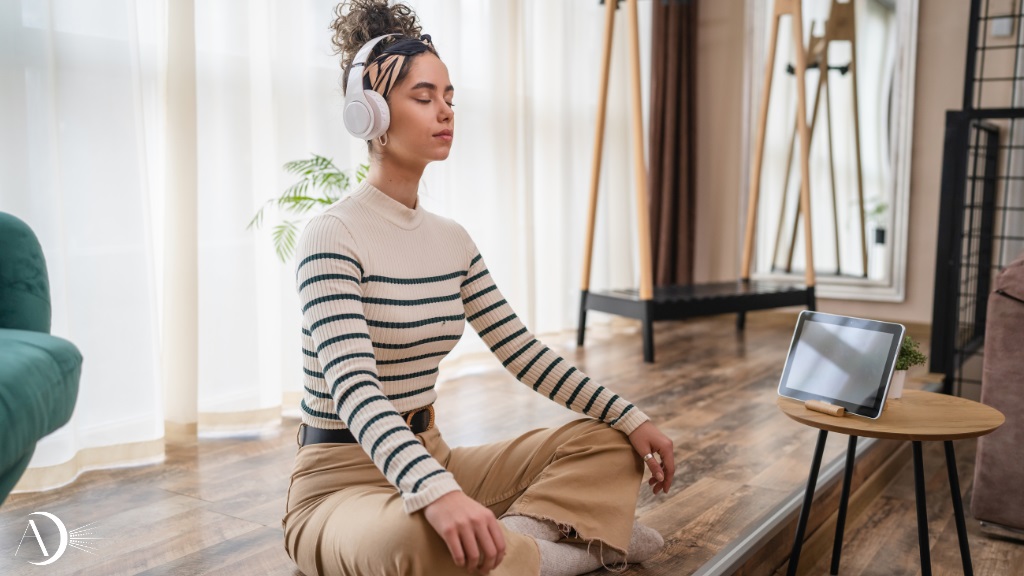
Sometimes, the silence of meditation is what allows your mind to drift off. A guided meditation can provide just enough stimulation to keep you engaged. The narrator’s voice acts as an anchor, continually bringing your attention back to the practice.
This is especially helpful for beginners. Look for a guided meditation for beginners that has an engaging teacher whose voice and pacing keep you focused without being distracting.
Optimize Your Meditation Environment
Your surroundings play a big role in your level of alertness.
- Get Some Fresh Air: A stuffy room can increase drowsiness. Open a window to let in some fresh air and oxygen.
- Avoid the Bedroom: Try not to meditate in the same place you sleep. Your brain has a powerful association between your bedroom and rest.
- Keep it Bright: Meditate in a moderately lit room. A dark or dimly lit space sends signals to your brain that it’s time to sleep.
- Stay Cool: A room that is too warm can be very sleep-inducing. A slightly cooler temperature is better for staying alert.
Practice Shorter, More Frequent Sessions
If you’re struggling to get through a 30-minute session without dozing off, try shortening it. There is nothing wrong with practicing for just 10 or 15 minutes.
Consistency is more important than duration. A focused 10-minute session every day is far more beneficial than a long session where you spend half the time asleep. As you build the habit and your ability to stay present, you can gradually increase the length of your sessions.
Focus Intensely on Your Breath
The breath is a primary anchor in many meditation practices. Instead of passively observing it, try engaging with it more actively to keep your mind sharp. This practice of meditating on the breath is a powerful tool for focus.
Focus on the physical sensation of the air entering and leaving your nostrils. Notice the subtle difference in temperature between the cool inhale and the warm exhale. You can also try counting your breaths—inhale one, exhale two, up to ten, and then start over. This active engagement gives your mind a specific job to do, preventing it from drifting into sleep.
Try the Hand-Drop Technique
This is a simple but clever physical trick. As you sit for meditation, hold one of your hands up, perhaps with the elbow resting on a cushion and your forearm vertical. The hand should be relaxed but unsupported.
If you start to doze off, your muscles will relax, and your hand will drop. This subtle movement is usually enough to gently bring you back to a state of wakefulness without a jarring interruption. It’s like having a built-in, gentle alarm clock.
Conclusion
Falling asleep during meditation is not a sign that you’re “bad” at it. It’s simply a sign that your body is getting the deep relaxation it needs. By making a few adjustments to your posture, timing, and technique, you can learn to navigate that fine line between deep relaxation and sleep. Be patient and curious. Experiment with these tips and see what works for you. The goal isn’t to fight the sleepiness but to kindly and skillfully work with it, allowing you to remain present for the full richness of your practice.
For more wellness insights and tips on living a more mindful life, feel free to explore more on our blog at www.notonetype.org.

Có thể bạn quan tâm
Morning Meditation Guide: How to Start Your Day with Mindfulness
Starting your day with morning meditation can completely change your mental clarity, reduce stress, and...
Dec
How to Sit for Meditation: 7 Positions & Posture Guide (2025)
Finding the right way to sit for meditation can feel like the first big hurdle....
Dec
Meditating on the Breath: A Complete Guide to Breath-Focused Meditation
Meditating on the breath is one of the simplest and most accessible forms of what...
Dec
Can You Meditate Lying Down? A Complete Guide
Let’s clear this up right away: you absolutely can meditate lying down. If you’ve ever...
Dec
Can You Meditate With Music? Benefits & How-To Guide
Meditation comes in many forms, and the question of whether you can meditate with music...
Dec
When Is the Best Time to Meditate? Finding Your Ideal Practice Schedule
So, you’re looking to start a meditation practice, or maybe deepen an existing one. That’s...
Dec