
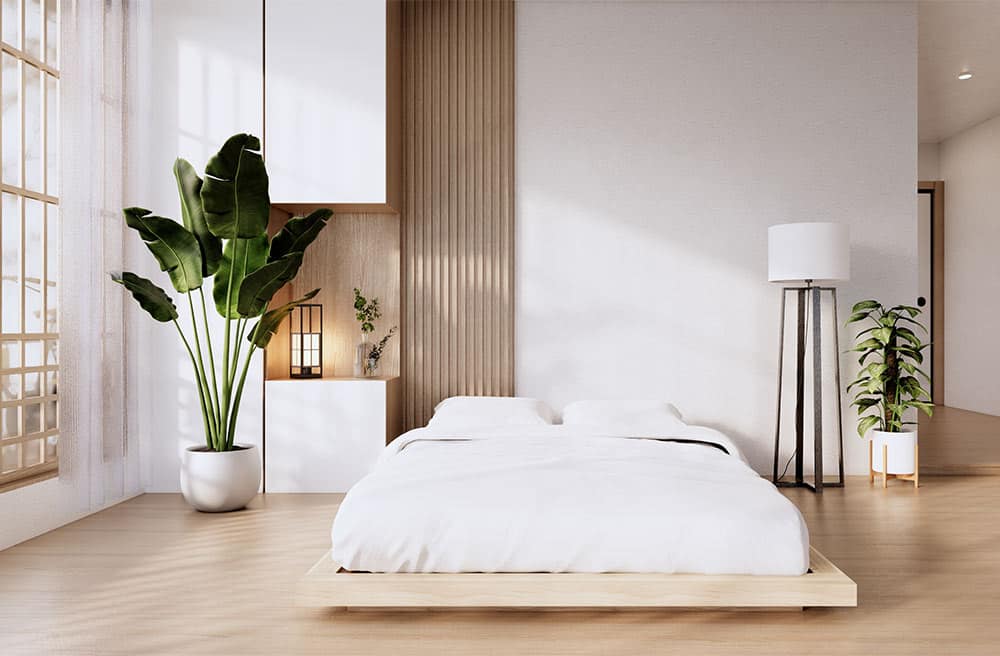
A minimalist bedroom is more than just a style; it’s a mindset. It embraces simplicity and clean lines to create a peaceful retreat, free from the visual clutter that so often fills our daily lives. This isn’t about creating a stark or empty room. Instead, minimalist bedroom design focuses on keeping only what you need and love. If you’re new to this idea, it helps to understand the core principles of what is the minimalism as a philosophy first. This guide will walk you through practical steps to transform your bedroom into a calming sanctuary using functional furniture, a neutral palette, and natural textures that genuinely promote relaxation and better sleep.
What Is Minimalist Bedroom Design?
At its core, minimalist bedroom design is about stripping away the non-essential to create a space that feels intentional and serene. The philosophy is “less is more,” but it’s a thoughtful “less.” Every item in the room should have a purpose, a place, and contribute to an atmosphere of calm.
This doesn’t mean your room has to be devoid of personality. True minimalism is edited and purposeful. The benefits are tangible: reduced stress, improved sleep quality, and a space that’s incredibly easy to clean and maintain. It’s about creating a personal sanctuary where your mind can rest.
Start With Decluttering and Editing
Before you think about paint colors or new furniture, the first and most crucial step is to declutter. A minimalist space is impossible to achieve if it’s filled with things you don’t use or love. This is the foundation of the entire process.
Start by evaluating everything in your room. I like to use a simple three-box method inspired by the Marie Kondo method: one for keep, one for donate, and one for discard. Ask yourself: Is this item functional? Does it bring me joy? If the answer is no, it’s time to let it go.

- Clear all surfaces: Nightstands, dressers, and windowsills should be completely cleared.
- Go through your closet: Be honest about what you actually wear. Creating a simplified wardrobe is a big part of the journey.
- Remove unnecessary decor: Take down posters, trinkets, and anything that adds to the visual noise.
This process can be tough, but it’s also incredibly freeing. If you need a structured approach, taking on a 30 day minimalism challenge can provide the daily motivation to get it done.
Choose a Neutral Color Palette
Color has a profound impact on our mood, and for a minimalist bedroom, a neutral color palette is key. Think of foundational tones like white, beige, soft gray, taupe, and cream. These colors create a sense of calm and can make a small space feel much more open and airy.
But neutral doesn’t have to mean boring. The secret is to layer different shades of the same neutral family. For example, you could pair crisp white walls with a slightly warmer beige linen duvet and a light gray area rug. This adds depth and warmth without overwhelming the senses. If you do want a touch of color, consider muted pastels or soft, earthy greens inspired by nature.
Add Depth Through Natural Textures
To keep your neutral space from feeling cold or sterile, you need to introduce natural textures. This is how you build warmth and visual interest without adding clutter. Texture engages the sense of touch and makes the room feel cozy and inviting—a concept closely related to the Danish idea of hygge.
Here are some materials to consider:
- Wood: A simple wooden bed frame or nightstand adds instant warmth.
- Linen and Cotton: High-quality, breathable bedding feels as good as it looks.
- Woven Baskets: Perfect for stylish, hidden storage.
- Knitted Throws: A chunky knit blanket at the foot of the bed adds a cozy touch.
- Stone or Ceramic: A simple vase or lamp base can provide a grounding element.
Select Low-Profile, Functional Furniture
Minimalist furniture is defined by its clean lines and simple design. Look for pieces that are functional and don’t have a lot of ornamentation.
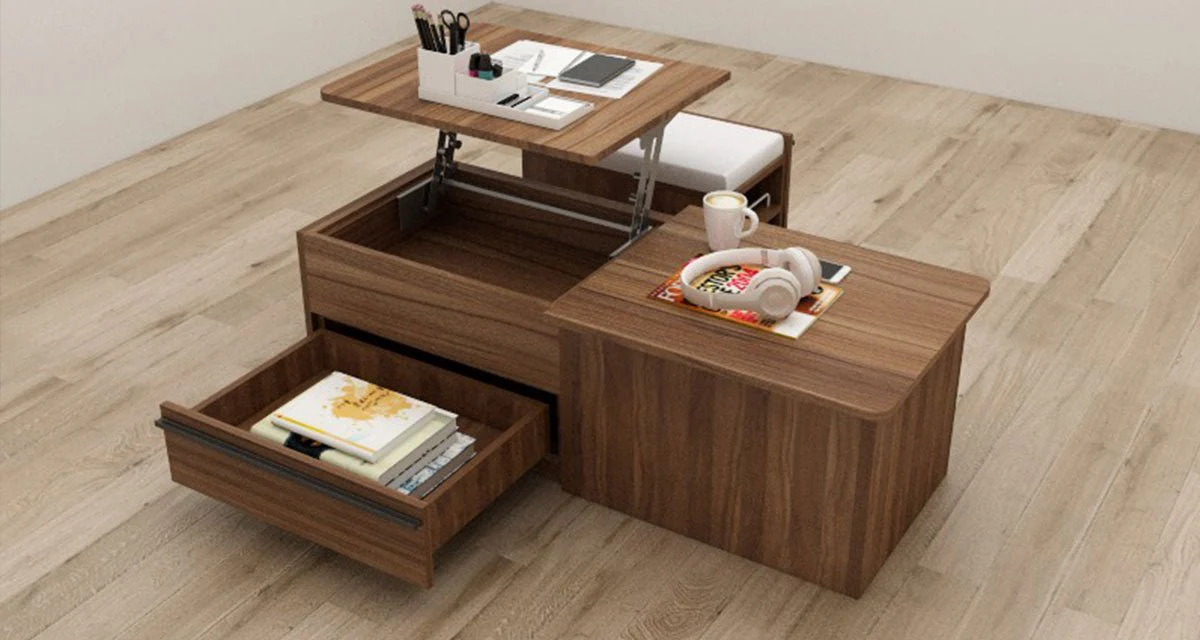
A low-profile platform bed is a classic choice, as it feels grounded and doesn’t have a bulky headboard that dominates the room. Pair it with sleek, simple nightstands and a streamlined dresser. It’s also important to consider the scale of the furniture. In a smaller room, oversized pieces can feel oppressive, so choose items that fit the space comfortably. The goal is to furnish your room, not fill it.
Opt for Multi-Purpose and Hidden Storage
Visual clutter is the enemy of minimalism. The best way to combat it is with smart storage solutions that keep your belongings accessible but out of sight.
Hidden storage is your best friend. Look for options like:
- Beds with built-in drawers underneath.
- Nightstands with drawers instead of open shelves.
- Floating shelves that keep floor space clear.
- Streamlined closets with organized compartments.
By using closed storage, you maintain the clean, uncluttered look that is essential for a peaceful environment. This is a core principle in designing a minimalist home in general, not just the bedroom.
Plan Your Bedroom Layout With Symmetry
A symmetrical layout creates a sense of balance and order, which is inherently calming to the eye. The easiest way to achieve this is by making the bed the focal point of the room.
Center your bed on the main wall. Then, place matching nightstands and lamps on either side. This simple arrangement creates a clean, harmonious look. Just as important as what you put in the room is what you leave out. Be sure to maintain plenty of negative space—the empty areas around furniture. This allows the room to breathe and prevents it from feeling cramped.
Keep Surfaces Clear and Uncluttered
Once you’ve decluttered, the goal is to keep it that way. Make it a habit to keep surfaces clear. Your nightstand should hold only the essentials: a lamp, maybe a book, and a place to charge your phone. Your dresser top should be mostly bare, perhaps with a single, beautiful decorative object or a small plant.
Avoid the dreaded “clothes chair” where items pile up. Everything should have a home. This principle of quality over quantity is central to maintaining a minimalist aesthetic long-term.
Choose Simple, Streamlined Bedding
Your bed is the largest piece of furniture in the room, so your bedding choice has a huge impact. Opt for simple bedding in solid, neutral colors. A high-quality duvet or a monochromatic quilt is often all you need.
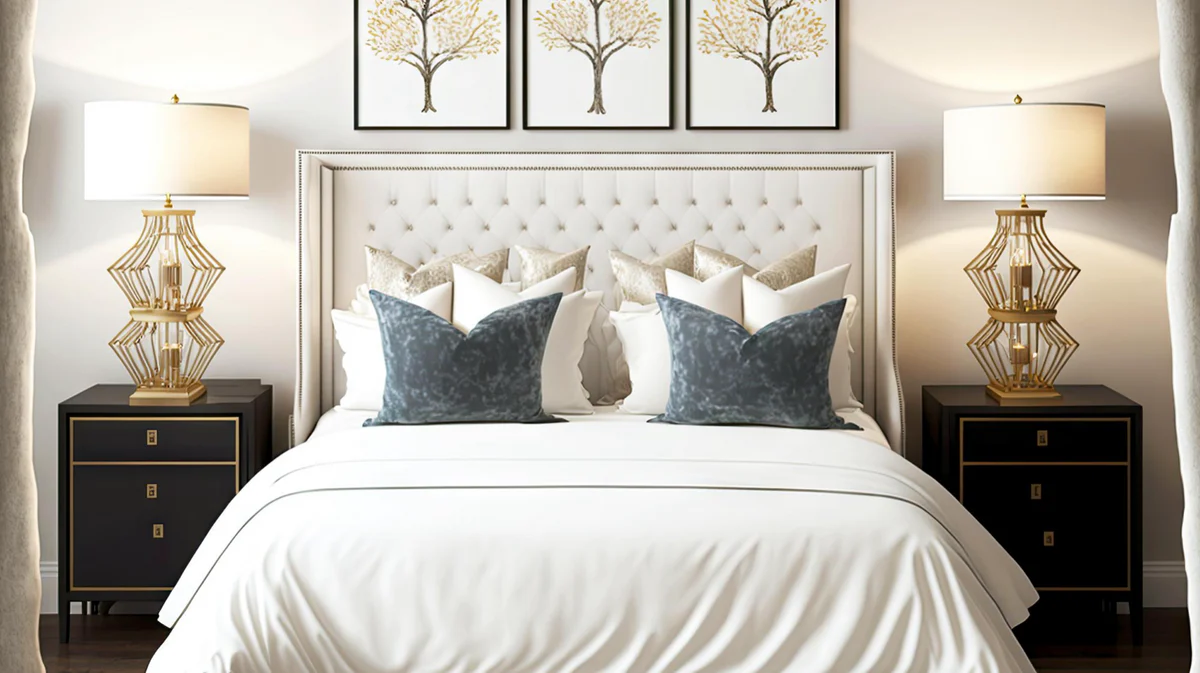
Limit the number of decorative pillows. One or two accent pillows are enough to add a bit of texture or a subtle hint of color. Investing in good quality linen or cotton sheets not only looks great but also enhances your comfort and sleep quality.
Design Your Lighting Thoughtfully
Lighting can make or break the atmosphere of a room. Avoid harsh, direct overhead lighting. Instead, focus on creating a warm, ambient glow with a layered lighting approach.
Use soft bedside lamps for reading and dimmable fixtures to adjust the mood. A simple floor lamp in a corner can also add a nice touch. The goal is functional lighting that contributes to the calm, relaxing vibe of the space.
Maximize Natural Light
Never underestimate the power of natural light. It makes any space feel more open, airy, and alive. Keep your window treatments minimal to let as much light in as possible. Simple linen curtains, sheer blinds, or roller shades work perfectly.
If possible, keep the area around your windows clear of furniture. You can also strategically place a mirror on a wall opposite a window to reflect light and make the room feel brighter and larger.
Add Visual Interest Without Clutter
How do you make sure your minimalist bedroom doesn’t feel boring? There are several ways to add personality and visual interest without resorting to clutter.
- Statement Art: A single, large piece of abstract art above the bed can serve as a beautiful focal point.
- Subtle Patterns: Incorporate simple patterns like thin stripes or geometric shapes in a pillow or a rug.
- A Single Accent: A single, thoughtfully chosen item in a soft accent color—like a vase or a throw blanket—can add a pop of personality.
- Architectural Features: If your room has interesting features like exposed brick or large windows, let them be the star.
What Are Common Mistakes to Avoid When Designing a Minimalist Bedroom?
Creating a serene space is the goal, but it’s easy to miss the mark. Here are a few common pitfalls:
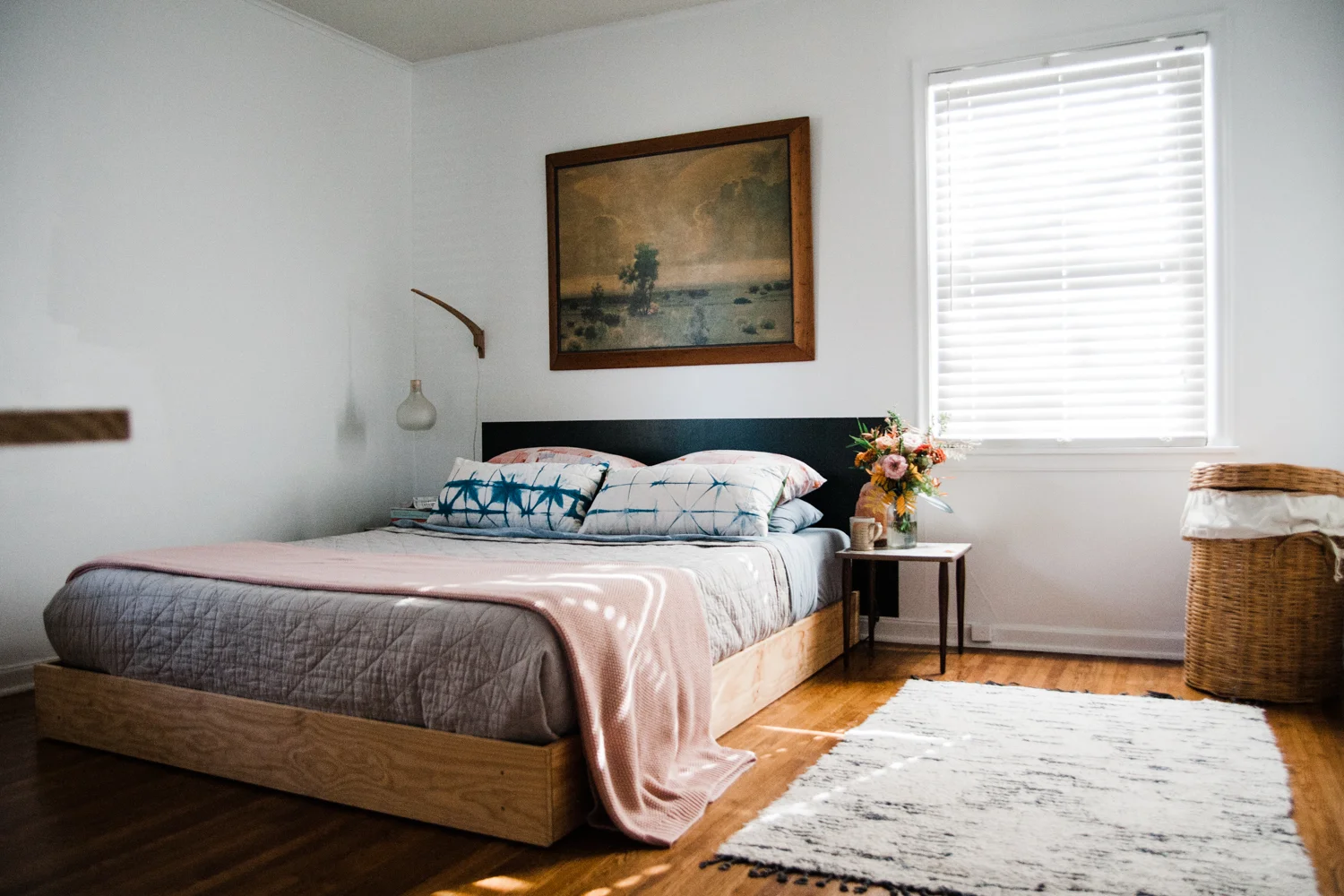
- Making it too sterile: A minimalist room shouldn’t feel like a hospital. Always incorporate warm textures and natural materials to add coziness.
- Ignoring storage: Without adequate hidden storage, clutter will inevitably creep back in.
- Choosing oversized furniture: Bulky furniture can overwhelm a room and defeat the purpose of creating an open, airy space.
- Forgetting comfort: Your bedroom should still be comfortable and inviting. Don’t sacrifice a comfy mattress or soft bedding for the sake of aesthetics.
Minimalist vs. Scandinavian Bedroom Design
People often use “minimalist” and “Scandinavian” interchangeably, but there are subtle differences. While both styles champion clean lines and uncluttered spaces, minimalism is often stricter, focusing on stark simplicity.
Scandinavian design, on the other hand, is like a warmer, cozier version of minimalism. It places a strong emphasis on hygge (coziness), natural materials (especially light-toned woods), and comfort. It’s a bit more lived-in and inviting. A popular hybrid style you might also hear about is Japandi style, which blends Scandinavian function with Japanese rustic minimalism.
Your Peaceful Retreat Awaits
Designing a minimalist bedroom is a journey toward creating a space that truly supports your well-being. By focusing on intention, function, and simplicity, you can craft a personal sanctuary that helps you recharge every single day. Remember the incredible minimalism lifestyle benefits that extend far beyond just a tidy room.
Start small, be patient with the process, and enjoy the peace that comes with having less. For more inspiration on simple and intentional living, feel free to explore more on my blog at www.notonetype.org.

Có thể bạn quan tâm
15 Minimalism Rules That Work: Simple Guide to Declutter Fast
Minimalism rules are practical guidelines that help you declutter your space, reduce decision fatigue, and...
Dec
How to Make Your Phone Minimalist: 8 Simple Steps to Reduce Distractions
My phone used to be the first thing I reached for in the morning and...
Dec
How to Create a Minimalist Home: A Practical Guide to Simplified Living
Creating a minimalist home is about so much more than just having less stuff. It’s...
Dec
How to Create a Minimalist Wardrobe: A Beginner’s Guide
Creating a minimalist wardrobe isn’t about depriving yourself of beautiful clothes; it’s about curating a...
Dec
30 Day Minimalism Challenge: A Complete Guide to Decluttering Your Life
If you’ve ever felt overwhelmed by the amount of stuff in your home, you’re not...
Dec
11 Minimalism Lifestyle Benefits That Transform Your Life
A minimalist lifestyle offers some truly transformative benefits that go far beyond just having a...
Dec