
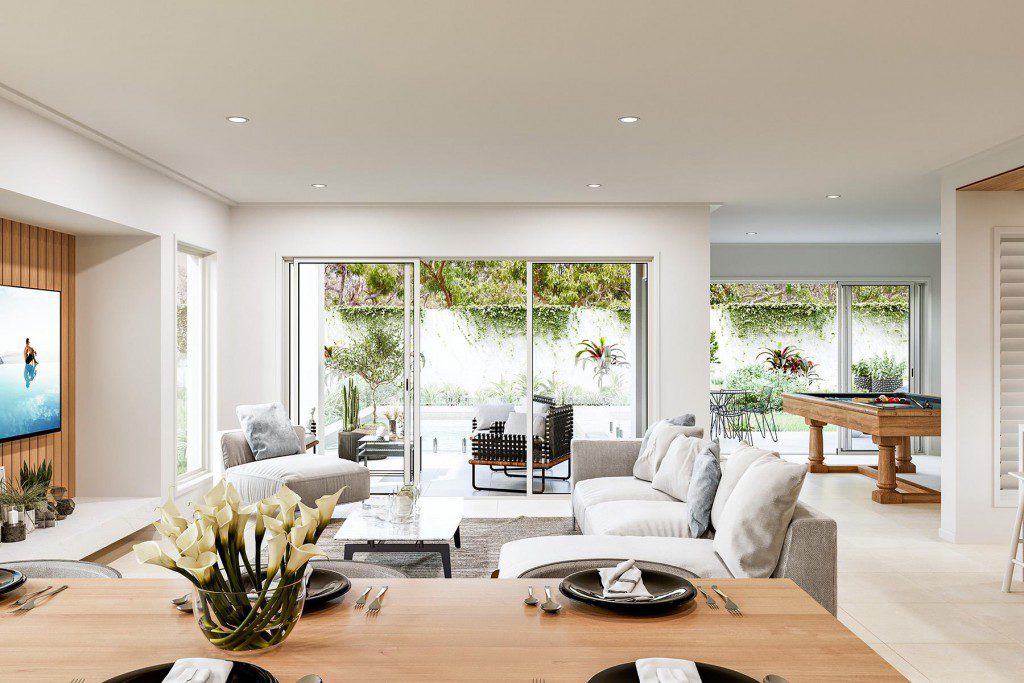
Creating a minimalist home is about so much more than just having less stuff. It’s an intentional shift toward designing a space that genuinely supports your well-being. Think of it as embracing a “less is more” philosophy where everything you own has a purpose. It’s about clean lines, calm colors, and functional pieces that simplify your life. By clearing out the excess, you’re not just cleaning your house; you’re making room for mental clarity and transforming your home into a peaceful sanctuary. If you’re just starting, it helps to understand what minimalism is really about at its core.
Understanding Minimalist Home Design
Minimalist design isn’t about creating a cold, empty box. It’s about intentionality. It means every single item in your home is there for a reason—either it’s functional, or you absolutely love it. The goal is to create a space that feels calm and visually clean, which in turn helps quiet the mental noise of everyday life. It’s the difference between a sparse room and a thoughtfully simplified one.
The Core Principles of Minimalism
To get started, it helps to know the basic ideas guiding minimalism. They’re not strict rules, just gentle nudges toward a more intentional space.
- Simplicity: This is the most obvious one. Think clean lines, simple forms, and a lack of ornamentation.
- Functionality: Every piece of furniture or decor should serve a purpose. If it doesn’t work for your life, it doesn’t belong in your home.
- Quality over Quantity: Instead of ten cheap t-shirts, you might have three well-made ones. The same goes for your home. One great sofa is better than a set of mismatched, uncomfortable chairs.
- Intentional Living: This is the mindset behind it all. You are in control of what comes into your home and what stays.
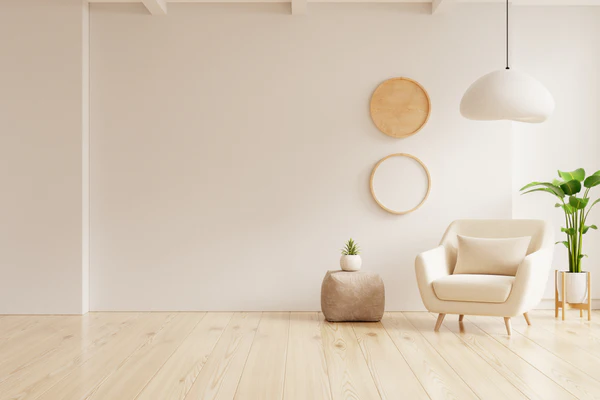
Benefits of a Minimalist Home
Why go through all the trouble? Because the payoff is huge. I’ve found that living with less has brought an incredible sense of peace to my life. The benefits of a minimalist lifestyle extend far beyond just a tidy house.
You’ll likely experience:
- Reduced Stress: Visual clutter can lead to mental clutter. A clear space helps create a clearer mind.
- Easier Cleaning: It’s amazing how fast you can clean when you don’t have to move a million little things.
- More Time and Energy: Less time spent cleaning, organizing, and looking for things means more time for what you love.
- Financial Savings: When you stop buying things you don’t need, you save a surprising amount of money.
How to Create a Minimalist Home: Decluttering Your Space
Alright, this is the big one. You can’t organize clutter, so the first real step is to declutter. This requires a mindset shift. You have to be ready to let go of things that are no longer serving you. It can be emotional, but it’s also incredibly freeing.
Start with One Room at a Time
Don’t try to tackle your entire house in one weekend—that’s a recipe for burnout. Pick one small, manageable space to start. The bathroom is a great first choice because the items are less sentimental. Once you get a win there, you’ll feel motivated to move on to bigger areas, like creating a minimalist wardrobe.
Use the Four-Box Decluttering Method
This method is simple and effective. Grab four boxes and label them:
- Keep: Items you use, love, and that add value to your life.
- Donate/Sell: Things that are in good condition but you no longer need.
- Trash: Anything broken, expired, or unusable.
- Relocate: Items that belong in another room.
Pick up every single item and decide which box it goes into. Be honest with yourself about those “just in case” items.
Adopt the One In, One Out Rule
Once you’ve decluttered, you need a system to keep it that way. The one in, one out rule is a game-changer. For every new item you bring into your home, one similar item must leave. New shoes? An old pair gets donated. This simple habit prevents clutter from creeping back in.
Clear All Flat Surfaces
One of the quickest ways to make your home feel more minimalist is to clear off all your flat surfaces. Kitchen counters, coffee tables, dressers—get everything off them. Find a designated home for mail, keys, and other daily items. This single change creates an immediate sense of calm and order.
Choosing a Minimalist Color Palette
Color sets the entire mood of a space. For a minimalist home, a neutral, muted palette is your foundation. It creates a feeling of calm and makes the space feel bigger and brighter.

Neutral Base Colors
Think of colors that feel restful.
- White: It’s a classic for a reason. It reflects light and makes any room feel open and airy.
- Beige & Taupe: These bring a wonderful warmth and earthiness to a space.
- Gray: Can feel modern and sophisticated. Lighter grays are calming, while darker shades can add a bit of drama.
Strategic Use of Accent Colors
A minimalist home doesn’t have to be boring! You can add personality with subtle accent colors. Think soft and muted shades like sage green, pale blue, or blush pink. Use them strategically on a throw pillow, a piece of art, or a single vase. It adds depth without creating visual noise.
Selecting Functional Furniture
In minimalism, your furniture needs to work hard. Every piece should be both beautiful and practical. This is where you invest in quality pieces that will stand the test of time, rather than trendy items that will soon become clutter.
Embrace Multifunctional Pieces
Furniture that serves more than one purpose is your best friend. An ottoman with hidden storage, a bed with drawers underneath, or an extendable dining table are all perfect examples. These pieces reduce the need for more furniture while maximizing your space.
Focus on Clean Lines and Simple Shapes
Look for furniture with a simple, streamlined silhouette. Avoid ornate details, busy patterns, and overly complicated shapes. Clean, straight lines and geometric forms contribute to that sense of calm and order you’re aiming for. Styles like Scandinavian or Mid-Century Modern are often a great fit.
Essential Furniture Pieces for Each Room
Resist the urge to fill every corner. Focus only on the essentials. For a living room, that might mean a comfortable sofa, a coffee table, and maybe an armchair. For a bedroom, a simple bed frame and two nightstands are often all you need. If you’re looking for more specific ideas, we have a guide on designing a minimalist bedroom that you might find helpful.
Maximizing Natural Light and Open Space
Natural light is a key element in minimalist design. It makes a home feel alive, open, and welcoming. The goal is to let as much light in as possible and arrange your space to feel uncluttered.
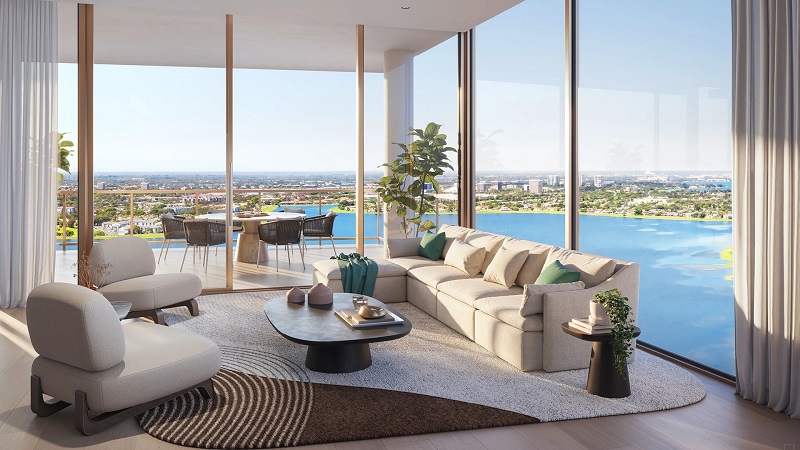
Window Treatments and Light Flow
Ditch heavy, dark curtains. Opt for sheer linen curtains, simple blinds, or even leave windows bare if you have enough privacy. You can also use mirrors to bounce light around a room, which cleverly creates the illusion of more space.
Creating Open Floor Plans
How you arrange your furniture matters. Create clear pathways so you can move easily through the room. Don’t push all your furniture against the walls. Pulling a sofa out from the wall, for example, can make a space feel more open. The empty space itself becomes a part of the design.
Incorporating Smart Storage Solutions
A minimalist home isn’t without possessions; they’re just out of sight. Smart storage is the secret to maintaining those beautiful, clear surfaces. The old saying, “a place for everything, and everything in its place,” is your new mantra.
Utilize Vertical Space
Don’t forget about your walls! Wall-mounted shelving, tall and narrow cabinets, and pegboards are great ways to get items off the floor and organized. This draws the eye upward and makes a room feel taller.
Invest in Hidden Storage Furniture
As mentioned before, furniture with built-in storage is a huge asset. Think coffee tables with drawers, benches with lift-up seats, and TV stands with closed cabinets. These pieces work double-duty, providing function while hiding away the things you need but don’t want to see.
Use Floating and Recessed Shelves
Traditional bookcases can feel heavy and bulky. Floating shelves, on the other hand, offer storage without the visual weight. They create a clean, modern look and are perfect for displaying a few curated items.
Adding Natural Elements and Texture
To keep your minimalist home from feeling cold or sterile, it’s important to bring in warmth and texture with natural elements. These materials add visual interest while staying true to the simple aesthetic.
Wooden Furniture and Accents
Wood is an incredible way to add warmth. Whether it’s a solid oak dining table, a walnut coffee table, or simple wooden picture frames, the natural grain and color of wood make a space feel more grounded and inviting.
Thoughtful Use of Plants
Plants literally bring life into a room. You don’t need an indoor jungle—just one or two thoughtfully placed plants can make a huge difference. A fiddle-leaf fig in a corner or a small succulent on a shelf adds a pop of color and a touch of nature.
Natural Textiles and Materials
Layering different textures makes a room feel cozy and complete. Think of a wool rug, linen curtains, cotton throw blankets, and woven baskets. These materials add tactile interest without adding clutter.
Keeping Decor Simple and Meaningful
When it comes to decor, the minimalist approach is all about curation. Every item should be something you find beautiful or that holds personal meaning. This makes each piece stand out and have a greater impact.
Keeping Decor Simple and Meaningful
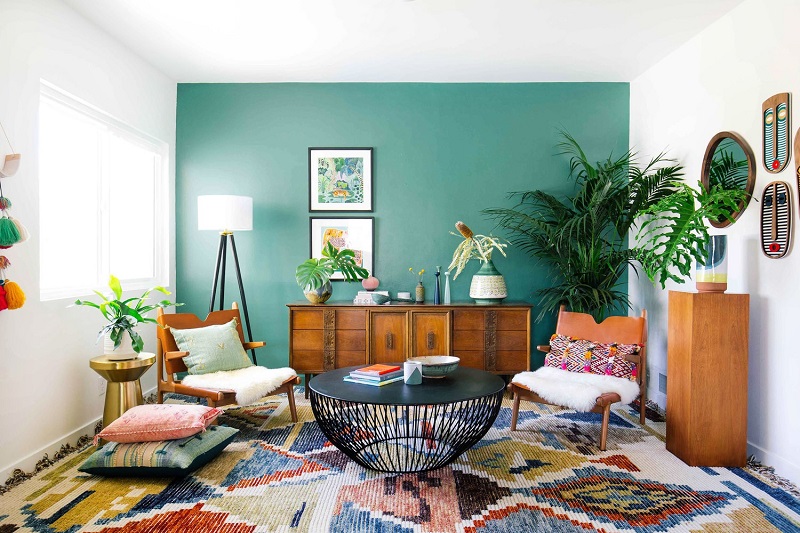
Curate Rather Than Collect
Instead of filling your shelves with knick-knacks, choose a few special items to display. This could be a single piece of art you love, a beautiful vase passed down from your grandmother, or a photograph from a memorable trip.
Embrace Empty Space
This can be the hardest part for many people. We’re often conditioned to think that an empty wall or a bare corner needs to be filled. In minimalist design, that empty space—often called negative space—is a design element itself. It gives your eyes a place to rest and makes the room feel less busy and more peaceful.
Establishing Maintenance Routines
Creating a minimalist home is a project, but maintaining it is about building habits. A few simple routines can help you keep the clutter from ever coming back.
Daily Habits for Clutter Prevention
These small actions make a big difference:
- The 5-Minute Tidy: Before bed, take five minutes to put everything back where it belongs.
- Handle Paper Immediately: Sort mail and other papers as soon as they come in. Don’t let them pile up.
- Mindful Consumption: Before you buy something new, pause and ask yourself if you truly need it and where it will live in your home.
Regular Home Audits
About once a season, do a quick audit of your home. Go through your closet, your pantry, and your cabinets. Are there things you haven’t used? Are there items that no longer fit your lifestyle? Let them go. If you need a structured way to get back on track, a 30-day minimalism challenge can be a fantastic reset.
Conclusion
Creating a minimalist home is a journey, not a destination. It’s about being intentional with your space so it can be a source of calm and joy rather than stress. Start small, be patient with yourself, and remember that this is about creating a home that truly works for you. The process of becoming a minimalist is deeply personal, and your home should reflect that.
I hope these tips from my own journey help you create a space you love coming home to. For more thoughts on intentional living, feel free to explore more at www.notonetype.org.

Có thể bạn quan tâm
15 Minimalism Rules That Work: Simple Guide to Declutter Fast
Minimalism rules are practical guidelines that help you declutter your space, reduce decision fatigue, and...
Dec
How to Design a Minimalist Bedroom: A Complete Guide to Creating a Calm, Clutter-Free Space
A minimalist bedroom is more than just a style; it’s a mindset. It embraces simplicity...
Dec
How to Make Your Phone Minimalist: 8 Simple Steps to Reduce Distractions
My phone used to be the first thing I reached for in the morning and...
Dec
How to Create a Minimalist Wardrobe: A Beginner’s Guide
Creating a minimalist wardrobe isn’t about depriving yourself of beautiful clothes; it’s about curating a...
Dec
30 Day Minimalism Challenge: A Complete Guide to Decluttering Your Life
If you’ve ever felt overwhelmed by the amount of stuff in your home, you’re not...
Dec
11 Minimalism Lifestyle Benefits That Transform Your Life
A minimalist lifestyle offers some truly transformative benefits that go far beyond just having a...
Dec