
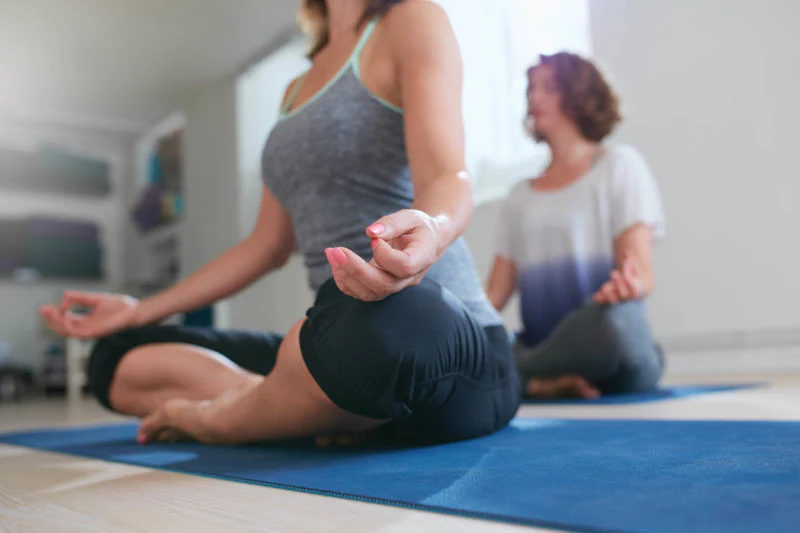
Hi there. If you’ve found your way here, you’re probably curious about meditation. Maybe you’ve heard about its benefits—less stress, better focus—but the idea of sitting in silence feels, well, a little intimidating. I get it. When I first started, my mind felt like a browser with way too many tabs open. That’s where guided meditation comes in, and it’s a total game-changer for beginners.
So, what is it? Think of it as meditation with a friendly guide. Instead of trying to figure it all out on your own, you have a teacher’s voice leading you step-by-step through an audio or video. They provide the structure and reassurance you need, taking the pressure off. If you’re just learning about what is meditation, this is the perfect entry point. Research shows that just a few sessions can help quiet a wandering mind, and you don’t need any experience to begin.
What Is Guided Meditation?
At its core, guided meditation is a practice where an instructor verbally leads you through meditation. This guidance can come from an app, a YouTube video, an audio recording, or a live class. The guide’s job is to offer cues for your breathing, help you tune into your body, or lead you through visualization exercises.
The main goal is to help you learn the fundamentals without feeling lost. The guide holds the space for you, so you can focus on the practice itself instead of worrying if you’re “doing it right.”
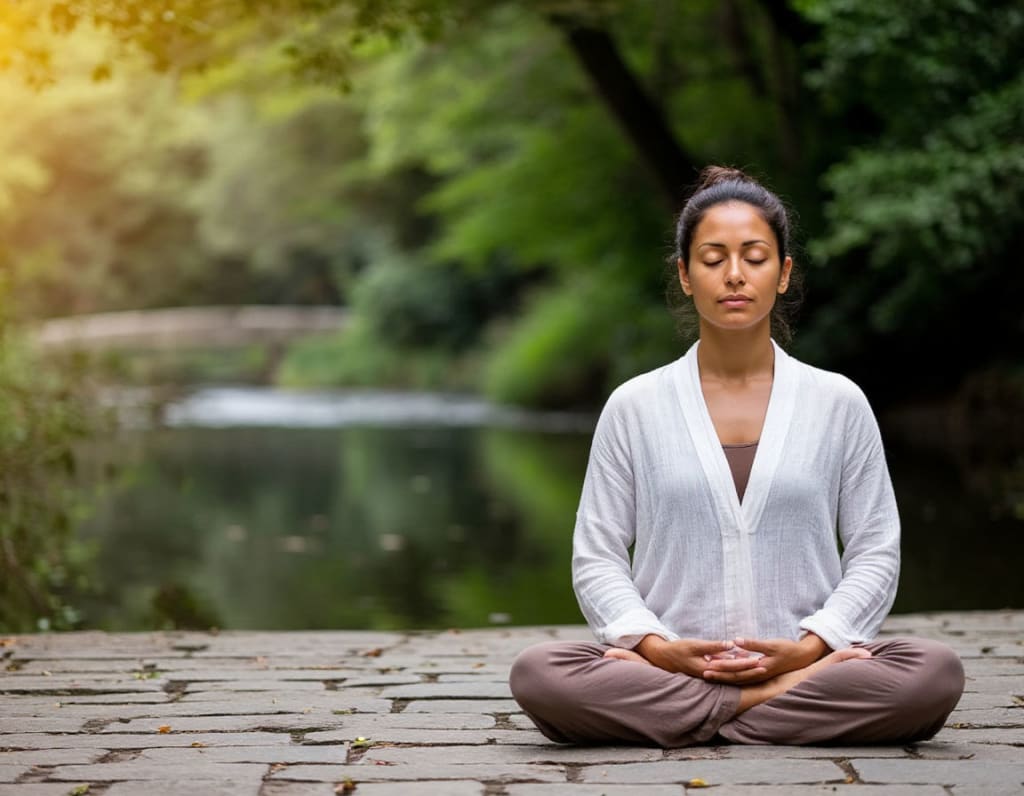
How Guided Meditation Differs from Silent Meditation
The biggest difference is right in the name: guidance.
- Guided Meditation: Provides external structure. A teacher’s voice offers a constant anchor, telling you where to place your attention. This is incredibly helpful when your mind naturally wants to wander off.
- Silent Meditation: Relies entirely on self-direction. You sit with your own thoughts and use the techniques you’ve learned to stay present. It’s a wonderful practice, but can feel like a big leap for someone just starting out.
Neither is better than the other; they’re just different tools. Guided meditation is like learning to ride a bike with training wheels—it gives you the confidence to eventually ride on your own.
Common Types of Guided Meditation
Guided meditation isn’t a one-size-fits-all practice. There are many styles, and exploring them is part of the fun. This is just a small sample of the many types of meditation you can explore, but here are a few popular ones for beginners:
- Breath Awareness: The guide directs your focus to the simple, natural rhythm of your breath. It’s foundational and incredibly calming.
- Body Scan: You’ll be guided to bring gentle awareness to different parts of your body, one by one, noticing sensations without judgment. This is amazing for relieving physical tension.
- Guided Visualization: The instructor leads you through creating a peaceful scene in your mind, like a quiet beach or a forest. It’s great for anyone with a strong imagination.
- Loving-Kindness Meditation: You’ll be prompted to send warm, compassionate wishes to yourself and others. It’s a powerful way to cultivate a more positive and gentle mindset.
- Mantra Meditation: Involves silently repeating a word or phrase provided by the guide to help focus the mind.
Why Guided Meditation Works Well for Beginners
Starting anything new can feel awkward. Guided meditation is designed to smooth out those initial bumps. It provides structure, which is a relief when you don’t know what to do. The constant verbal cues keep you anchored, making it easier to notice when your mind has drifted and gently bring it back.
Most importantly, it demystifies the process. The guide normalizes common challenges, like a wandering mind, which helps you stop judging yourself and simply practice.
Overcoming Common Beginner Challenges
Everyone hits these hurdles. Here’s a little secret: they’re part of the process, not signs of failure.
- “My mind won’t stop thinking!”: This is the number one thing people say. The goal isn’t to have an empty mind; it’s to notice when your mind wanders and gently guide it back. Every time you do, that’s a win.
- “Am I doing this right?”: If you’re sitting and listening, you’re doing it right. Guided meditation removes the guesswork. Just follow the voice.
- Restlessness and Impatience: Feeling fidgety is normal. Your body and mind are used to being in “go” mode. Start with shorter sessions (just 5 minutes!) and see it as a small break, not a chore.
- Falling Asleep: It happens! Especially if you’re tired or lying down. If you find yourself consistently dozing off, try sitting up straighter. For more tips, check out this post on how to not fall asleep during meditation.
How to Start Guided Meditation: A Step-by-Step Guide
Ready to give it a try? It’s simpler than you think. There’s no perfect way to do it, just your way.
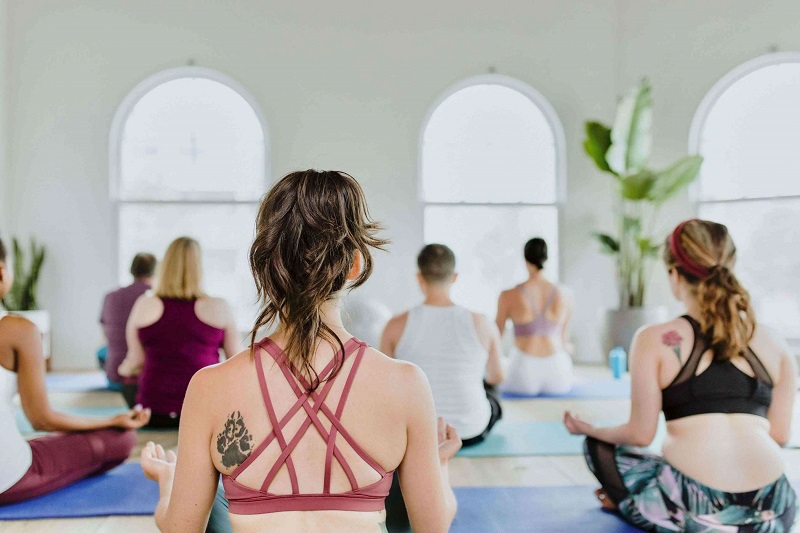
- Find a Comfortable Spot: You don’t need a special cushion or a silent room. A chair, your couch, or even your bed can work.
- Set a Time Limit: Start small. Seriously. Try a 5 or 10-minute meditation. Consistency is more important than duration. Even a three minute mindfulness practice during a busy day can reset your mental state and provide a meaningful break from stress.
- Choose a Guided Meditation: Pick one from an app or YouTube. Search for “5-minute guided meditation for beginners” to find plenty of options.
- Just Listen: Put on your headphones, close your eyes (if that feels comfortable), and follow the instructor’s voice.
- Focus on Your Breath: Most guided meditations will start by asking you to notice your breath. Don’t force it; just observe it. These simple mindfulness breathing exercises form the foundation of meditation practice, teaching you to anchor your attention in the present moment.
- Be Kind to Your Wandering Mind: When your mind drifts to your to-do list or what to have for dinner (and it will), gently notice it and return your focus to the guide’s voice. That’s the entire practice.
Finding the Right Meditation Posture
Comfort is key. If you’re in pain, you won’t be able to relax. The main goal is to keep your spine relatively straight so you can breathe easily.
- Sitting in a chair: This is a great option. Sit with your feet flat on the floor and your back straight but not stiff.
- Sitting on a cushion: If you’re on the floor, a cushion can help lift your hips above your knees, which takes the strain off your back.
You can learn more about finding a comfortable position in our guide on how to sit for meditation. And yes, you absolutely can you meditate lying down, but just be aware it might make you more likely to drift off to sleep.
Choosing Your First Meditation Length
When you’re starting out, a 5-minute session can feel long, while a 20-minute one can feel impossible. My advice? Start with what feels almost too easy. Five minutes a day is far more effective than one 30-minute session a week. Once you feel comfortable, you can gradually increase the time. Remember, even one minute of mindful breathing counts. If you’re curious about the ideal duration, we have a whole article exploring how long should you meditate.
Setting Up Your Meditation Space
You don’t need a dedicated “zen den.” All you need is a place where you can be relatively undisturbed for a few minutes. This could be a corner of your bedroom, your car during your lunch break, or even your back porch.
Using headphones can help block out distractions. And don’t worry about a little background noise; learning to meditate with life happening around you is a valuable skill.
Best Guided Meditation Techniques for Beginners
Here are a few simple yet powerful techniques you’ll encounter in beginner guided meditations.
Breath Awareness Meditation
This is the cornerstone of many meditation practices. The guide will simply ask you to pay attention to your breath. You’ll notice the sensation of the air entering your nostrils, filling your lungs, and then leaving your body. You’re not trying to change your breathing, just watch it. It’s a simple, powerful anchor to the present moment, and you can learn more about meditating on the breath in our dedicated article.
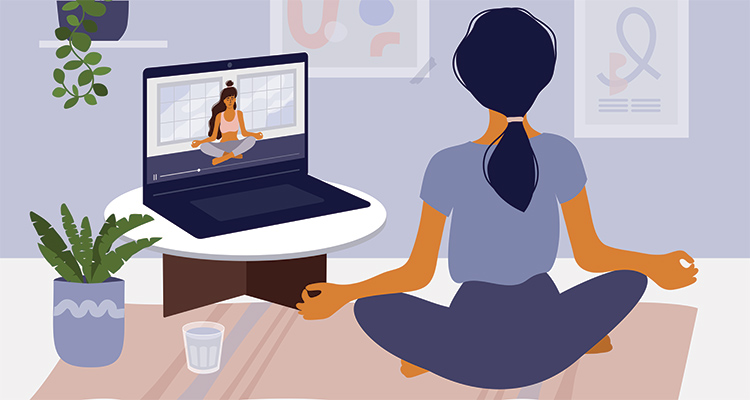
Body Scan Meditation
In a body scan, the guide leads your attention through your entire body, from your toes to the top of your head. You’ll be prompted to notice any sensations—warmth, tingling, tightness—without judging them. It’s a fantastic way to release stored physical stress and reconnect with your body.
Guided Visualization
This technique uses the power of your imagination. The guide might ask you to picture a warm, golden light filling your body or imagine yourself walking through a peaceful forest. It’s a creative and immersive way to evoke feelings of calm and safety. If you find focusing on the breath difficult, visualization might be a great alternative for you.
Loving-Kindness Meditation
This practice is all about cultivating compassion. The guide will offer a set of phrases, like “May you be happy. May you be healthy. May you live with ease.” You’ll start by directing these well-wishes to yourself, then to loved ones, neutral people, and eventually, everyone. It’s a beautiful way to soften your heart and improve your connection with others.
Top Guided Meditation Apps and Resources for Beginners
The easiest way to start is with an app. Most offer free introductory courses to get you started.
Headspace
- Best for: Absolute beginners who love structure.
- What it is: Known for its user-friendly interface and Andy Puddicombe’s calming voice. The free “Basics” course teaches the fundamentals in ten short, daily sessions.
- Price: Free basics pack; subscription for full library.
Calm
- Best for: Stress reduction, sleep, and variety.
- What it is: Offers a 7-day free beginner series called “The 7 Days of Calm.” It has a huge library of meditations, music, and famous “Sleep Stories” read by celebrities.
- Price: Free trial and some free content; subscription for full access.
Insight Timer
- Best for: A massive free library and community.
- What it is: Often called the “YouTube of meditation,” it has the largest collection of free guided meditations from thousands of teachers. You can filter by time, need, or style.
- Price: The vast majority of its content is free; optional subscription for courses.

Free Online Resources
You don’t need to pay for an app to get started. High-quality guided meditations are available on YouTube (channels like The Mindful Movement are great) and websites like Mindful.org.
Building a Consistent Meditation Habit
The real benefits of meditation come from consistency, not intensity. Building a daily meditation practice is one of the most valuable self care activities you can establish, as it supports both your mental and physical wellbeing over the long term. Here’s how to make it stick.
- Habit Stacking: Link your meditation practice to something you already do every day. Meditate for 5 minutes right after you brush your teeth or while your coffee is brewing.
- Start Small: I can’t say this enough. One minute a day is better than zero.
- Don’t Break the Chain: Try to practice every day, even if it’s just for a moment. But if you miss a day, don’t sweat it. Just come back to it tomorrow.
Best Times of Day to Meditate
Honestly, the best time to meditate is the time you’ll actually do it. There’s no magic hour. However, different times of day offer different benefits. If you’re unsure, our guide on when is the best time to meditate can help you decide.
- Morning: Can set a calm, intentional tone for your entire day.
- Midday: A great way to hit the reset button during a busy workday.
- Evening: Helps you unwind and release the stress of the day before bed.
What to Do When You Miss a Day
It’s going to happen. And it’s okay. The goal isn’t a perfect streak; it’s building a long-term, supportive practice. Don’t let one missed day turn into two, or a week. Just show up again tomorrow without any judgment. The cushion will be waiting for you.
Your Journey Starts Now
Guided meditation is a simple, accessible way to begin exploring the benefits of mindfulness. It takes the pressure off and provides a supportive framework to help you build a practice that feels good for you.
You don’t need to be perfect. You just need to be willing to try. So pick an app, find a comfortable spot, and press play. Your mind will thank you for it.
I hope this guide helps you get started. You can find more thoughts on wellness and mindful living over at www.notonetype.org.

Có thể bạn quan tâm
Morning Meditation Guide: How to Start Your Day with Mindfulness
Starting your day with morning meditation can completely change your mental clarity, reduce stress, and...
Dec
How to Sit for Meditation: 7 Positions & Posture Guide (2025)
Finding the right way to sit for meditation can feel like the first big hurdle....
Dec
Meditating on the Breath: A Complete Guide to Breath-Focused Meditation
Meditating on the breath is one of the simplest and most accessible forms of what...
Dec
How to Stay Awake During Meditation: Simple Techniques That Work
It’s a familiar story. You settle onto your cushion, ready for a session of peace...
Dec
Can You Meditate Lying Down? A Complete Guide
Let’s clear this up right away: you absolutely can meditate lying down. If you’ve ever...
Dec
Can You Meditate With Music? Benefits & How-To Guide
Meditation comes in many forms, and the question of whether you can meditate with music...
Dec