
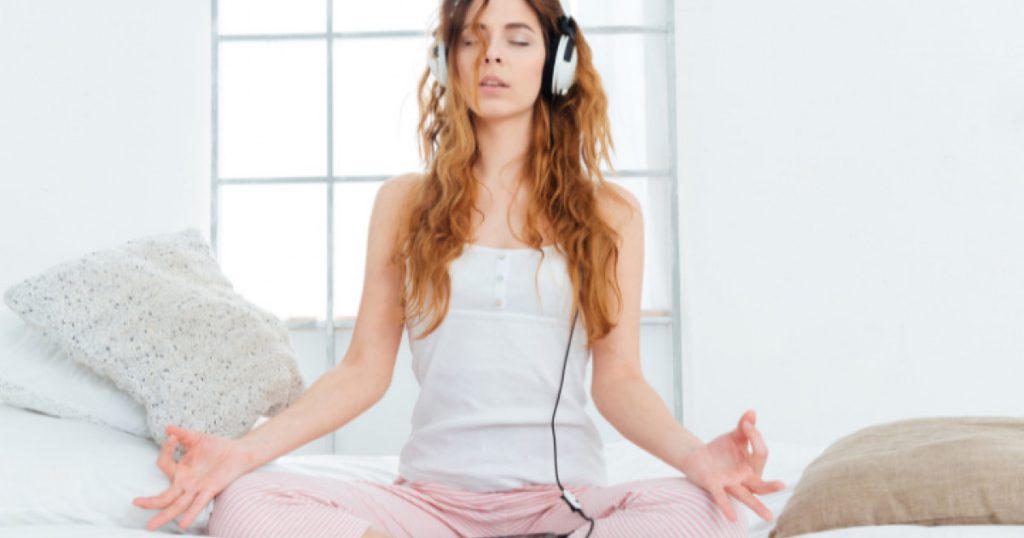
Meditation comes in many forms, and the question of whether you can meditate with music is more common than you might think. The simple answer is yes—many people successfully incorporate music into their practice to help them relax and focus. While traditional meditation often emphasizes silence, music meditation is one of many types of meditation that works well for both newcomers and experienced practitioners. Whether music enhances or distracts depends on your personal preferences, the kind of music you choose, and how you use it.
What Is Music Meditation?
So, what exactly is music meditation? It’s a practice where sound becomes an intentional part of the experience, not just background noise. Unlike silent meditation where you might focus on your breath, music meditation uses instrumental tracks, nature sounds, or ambient tunes as a focal point.

The music isn’t just on in the background; it serves as an anchor for your attention. Think of it like a sound bath, but one you can create for yourself anytime. This approach is a legitimate meditation style, and you’ll find it recommended by teachers and featured in many popular meditation apps.
The Benefits of Meditating With Music
I’ve found that the right music can completely change my meditation session. It’s not just about filling the silence; it offers some real, tangible benefits.
Enhanced Relaxation and Stress Relief
Some days, my mind is just too wound up to settle down. Calming music acts like a gentle nudge for my body and mind to unwind. Soothing melodies can help lower stress and create a peaceful atmosphere, making it much easier to slip into a meditative state. When you combine music with meditation, you’re getting a powerful combination for stress relief.
Improved Focus and Concentration
Does your mind ever feel like it has too many tabs open? Mine too. On those days, music gives my brain something simple to hold onto. An instrumental track can prevent my thoughts from jumping all over the place, helping me stay present. For some people, complete silence is actually more distracting because the mind races to fill it. Music provides a gentle focus.
Creates a Personal Meditation Space
Putting on headphones is like hanging a “do not disturb” sign on your mind. Music helps create a personal bubble, blocking out the sound of traffic, roommates, or family. It signals to your brain that it’s time to shift gears and turn inward. This is incredibly helpful if you’re trying to meditate in a busy or noisy environment.

Sets the Right Mood
Music is a powerful mood-setter. The right track can help you cultivate specific feelings, whether it’s peace, gratitude, or openness. It can make the whole idea of meditating feel more inviting and enjoyable, which is a huge motivator for staying consistent with your practice.
Potential Drawbacks of Music Meditation
Of course, it’s not a perfect fit for everyone. It’s good to be aware of the potential downsides so you can decide if it’s right for you.
Music May Become a Distraction
The wrong kind of music can easily become the main event instead of a supportive element. If a track has lyrics or a complex melody, you might find yourself analyzing the composition or getting lost in memories a song brings up. This pulls you away from the core purpose of meditation, which is to train your awareness.
Risk of Dependency
If you only meditate with music, you might find it difficult to practice in silence. Meditation is about building an inner sense of calm that you can access anywhere, regardless of external conditions. Using music as a crutch can sometimes limit your ability to find that stillness from within.
Not Aligned With Traditional Practices
It’s worth noting that many traditional meditation practices, like Vipassana, strongly emphasize silence. The reasoning is that music keeps your attention focused on an external stimulus rather than encouraging you to turn your gaze inward. From this perspective, true meditation involves observing the mind directly, without any buffers.
Best Types of Music for Meditation
Choosing the right soundtrack is key. The goal is to find something that supports your practice without hijacking it.
Instrumental and Ambient Music
Instrumental tracks are usually the safest bet because lyrics can trigger the language part of your brain. Think ambient music, classical pieces, or gentle lo-fi beats. Simple piano melodies, flowing string arrangements, or atmospheric synthesizer soundscapes create a mood without demanding your full attention.
Nature Sounds

There’s something inherently calming about the sounds of nature. Recordings of gentle rain, ocean waves, or forest sounds can provide a beautiful, organic backdrop for your practice. They feel less intrusive than composed music and can help you feel more connected to the natural world.
Binaural Beats and Isochronic Tones
You might have come across these on meditation apps. Binaural beats use specific audio frequencies designed to influence your brainwave states, encouraging relaxation or focus. They aren’t “music” in the traditional sense, but many people find them incredibly effective for deepening their meditation. It’s a personal thing, so it’s worth experimenting to see if they work for you.
Music to Avoid During Meditation
To keep your practice on track, it’s best to steer clear of:
- Music with lyrics: It’s too easy to start singing along in your head.
- Upbeat or energetic tracks: The goal is to calm the nervous system, not energize it.
- Songs with strong personal memories: A song from your high school prom will probably just pull you into a stream of thought.
- Anything with jarring changes: Abrupt shifts in tempo or volume can be disruptive.
How to Meditate With Music: Step-by-Step Guide
Ready to give it a try? Here’s a simple guide to get you started.
Choose Your Music Carefully
Don’t just hit shuffle on your favorite playlist. Take a few minutes before you start to select something that feels genuinely calming and neutral. Meditation-specific playlists on Spotify, YouTube, or apps like Calm and Headspace are great places to start.
Set the Volume at the Right Level
The music should be a subtle background element, not a concert. Set the volume low enough that it doesn’t overpower your thoughts. You want it to be just noticeable enough to serve as a gentle anchor.
Get Comfortable and Settle In
Find a comfortable posture, whether you’re sitting on a cushion or in a chair. For more tips on posture, you might want to explore our guide on how to sit for meditation. Wear comfy clothes and try to minimize distractions. Headphones can be a great way to improve sound quality and block out external noise.
Use Music as Your Anchor
Instead of focusing on your breath, let your attention rest gently on the music. Notice the tones, the rhythm, or the spaces between the notes. When your mind wanders (which it will!), just gently guide your focus back to the sound. This is a form of mindful listening, and it’s a gentler alternative to the practice of meditating on the breath.
Start With Short Sessions
You don’t need to commit to an hour-long session. Start with just 5 or 10 minutes. This gives you a chance to see how it feels without pressure. If you’re wondering how long you should meditate in general, this is a great starting point for building a habit.
Experiment and Adjust
Meditation is deeply personal. What works for me might not work for you. Try different genres, artists, and volumes. Keep a mental note of what helps you feel centered and what feels distracting.
Create a Dedicated Meditation Playlist
Once you find what works, build a dedicated playlist. Aim for about 20-30 minutes of continuous music so you’re not interrupted by having to choose the next track. You can even organize playlists by your goal, like a relaxing one for a stressful day or a specific one for meditation for sleep.
Avoid Music With Strong Associations
This is a big one. Try to use music that is new or neutral to you. Your favorite song might make you happy, but it’s likely tied to memories and emotions that can pull you out of a meditative state.
Consider Timing and Transitions
Look for tracks or playlists with gradual fade-ins and fade-outs. An abrupt start or stop can be jarring. If you’re using a timer, set it separately from your music app to avoid a loud alarm shocking you out of your calm state.
Don’t Rely Exclusively on Music
Even if you love music meditation, try practicing in silence every once in a while. This helps build flexibility and resilience in your practice. Alternating between music and silent sessions can give you a well-rounded skill set.
Music Meditation vs Silent Meditation
Neither approach is “better”—they just serve different purposes and people.
When Music Meditation Works Best
Music meditation is fantastic for:
- Beginners who find silence intimidating or boring.
- People with highly active minds who need a gentle focal point.
- Anyone meditating in a noisy environment.
- Those looking to make meditation a more enjoyable and consistent habit.
When Silent Meditation Is Preferable
Silent meditation is often preferred for:
- Developing deeper levels of concentration.
- Training the mind to find peace without external aids.
- Following traditional meditation teachings.
- Learning to be comfortable with whatever arises from within.
Finding Your Personal Balance
You don’t have to choose one and stick with it forever. Many people use both. You might start your meditation journey with music to help you build a routine, and then gradually introduce more silent sessions as you feel comfortable. The most important thing is finding a practice that you can show up for consistently.
Common Questions About Music and Meditation
Let’s tackle a few common questions I hear all the time.
Can Beginners Start With Music Meditation?
Absolutely! Music meditation is a wonderful entry point. If a calming soundtrack makes the practice more approachable and helps you stick with it, then it’s a valuable tool. There are no rules that say you have to master silent meditation first. In fact, it’s a great companion to a guided meditation for beginners session.
Is Music Meditation “Real” Meditation?
Yes, it absolutely can be. Meditation is the practice of training attention and awareness to achieve a mentally clear and emotionally calm state. If you are mindfully focusing on music as your anchor, you are meditating. While some purists might disagree, what matters is the effect the practice has on your well-being.
How Long Should Music Meditation Sessions Last?
This is entirely up to you. A 10-20 minute session is a great daily target, but even 5 minutes is beneficial. Consistency is always more important than duration. A short daily practice will bring more benefits than one long session once a week.
Ultimately, meditation is a personal journey of discovery. Adding music can be a beautiful way to deepen your practice, make it more enjoyable, and help you stay consistent. So put on some headphones, press play, and see where the sound takes you.
For more thoughts on wellness and finding what works for you, feel free to explore more at www.notonetype.org.

Có thể bạn quan tâm
Morning Meditation Guide: How to Start Your Day with Mindfulness
Starting your day with morning meditation can completely change your mental clarity, reduce stress, and...
Dec
How to Sit for Meditation: 7 Positions & Posture Guide (2025)
Finding the right way to sit for meditation can feel like the first big hurdle....
Dec
Meditating on the Breath: A Complete Guide to Breath-Focused Meditation
Meditating on the breath is one of the simplest and most accessible forms of what...
Dec
How to Stay Awake During Meditation: Simple Techniques That Work
It’s a familiar story. You settle onto your cushion, ready for a session of peace...
Dec
Can You Meditate Lying Down? A Complete Guide
Let’s clear this up right away: you absolutely can meditate lying down. If you’ve ever...
Dec
When Is the Best Time to Meditate? Finding Your Ideal Practice Schedule
So, you’re looking to start a meditation practice, or maybe deepen an existing one. That’s...
Dec