
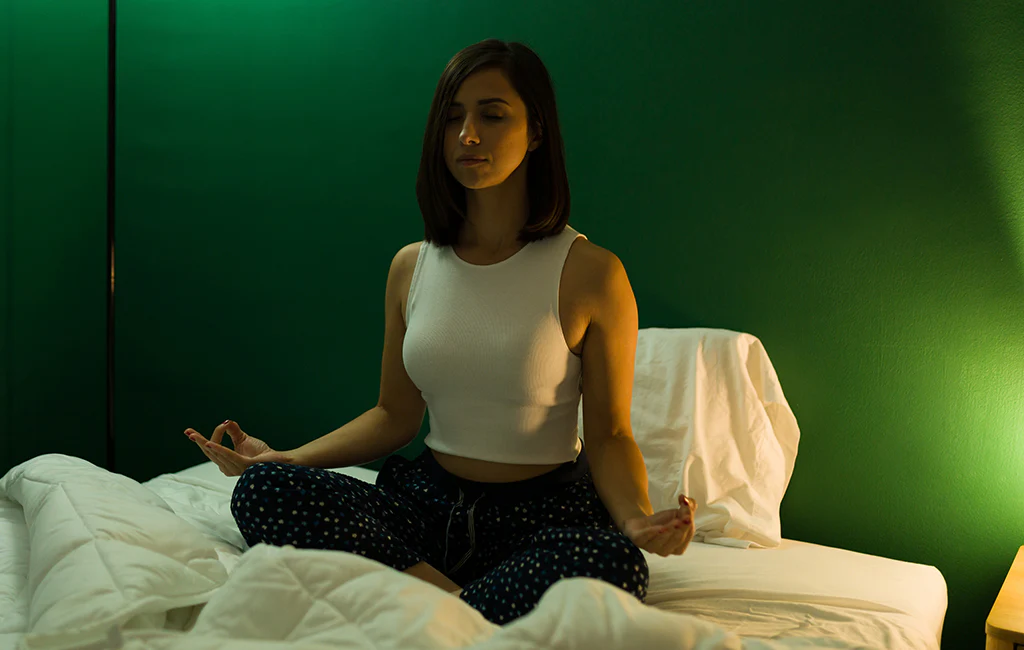
It’s 2 AM, and you’re wide awake, staring at the ceiling. The more you try to force sleep, the more it slips away. If this sounds familiar, you’re not alone. So many of us struggle with a racing mind when our bodies are desperate for rest. This is where meditation for sleep comes in. It’s not about magic; it’s a gentle, practical way to calm your thoughts and relax your body. If you’re new to the practice and wondering what is meditation, think of it as a quiet conversation with yourself. This guide is your starting point—a friendly map to explore the methods, apps, and simple habits that can help you finally get the restful sleep you deserve.
Why Meditation Helps With Sleep
Have you ever noticed how a stressful day makes it harder to fall asleep? That’s your body’s “fight or flight” response working overtime. Meditation acts like a switch, turning off that alarm and activating your body’s “rest and digest” system. It helps you step away from the endless loop of worries about tomorrow’s to-do list or replaying today’s conversations, making it a simple but powerful form of gentle stress management at night.
Instead of fighting your thoughts, meditation teaches you to observe them without getting tangled up. This simple shift can make a world of difference.
The Science Behind Meditation and Sleep
When you meditate, you’re doing more than just sitting quietly. You’re actually creating physiological changes in your body. The practice helps lower cortisol, the primary stress hormone that keeps you alert. At the same time, it can encourage the production of melatonin, the hormone that regulates your sleep-wake cycles.
Studies have shown that a consistent meditation practice can lead to longer periods of deep sleep and fewer nighttime awakenings. It helps calm your nervous system, slowing your heart rate and breathing, guiding your body into a state that’s ideal for drifting off.
Typical Sleep Challenges Meditation Addresses
Many of us face the same hurdles at night. Maybe it’s insomnia, where sleep feels impossible to find or maintain. Or perhaps it’s the frustration of lying in bed for an hour before your mind finally quiets down. These issues are often fueled by anxiety and overthinking, especially on nights when you’re wondering how to fall asleep more quickly without forcing it.
Meditation directly addresses these challenges. It provides a healthy distraction from anxious thoughts and gives you a focus point—like your breath or a soothing voice—to anchor your attention. Over time, it trains your brain to recognize that bedtime is for rest, not for worry.
Top Guided Meditations for Sleep
Getting started is much easier with a guide. Guided meditations are audio tracks where a narrator walks you through the process, so you don’t have to wonder what you’re “supposed” to be doing. There are many different types of meditation, but a few are especially effective for sleep. You can find thousands of these for free on platforms like YouTube, Insight Timer, and even Spotify.
Body Scan and Breathing Meditations
A body scan meditation is a simple but powerful technique. A narrator guides you to bring gentle awareness to each part of your body, from your toes to the top of your head, noticing any tension and letting it go. It’s a great way to reconnect with your body and release physical stress you might not have even noticed.
Breathwork is another cornerstone of sleep meditation. Focusing on the simple rhythm of your inhales and exhales gives your mind a steady, calming anchor. Creators like The Honest Guys and Michael Sealey on YouTube have excellent guided breathing sessions that are loved by millions.
Visualization and Story Meditations
Sometimes, the best way to quiet your mind is to give it a beautiful place to wander. Visualization meditations guide you to imagine a peaceful scene, like a quiet beach or a calm forest. Your mind gets so absorbed in the sensory details that it doesn’t have room for anxious thoughts, which can be especially helpful if you struggle to sleep when stressed.
This is also why “sleep stories” have become so popular on apps like Calm. These are gently narrated tales with soothing soundscapes designed to help you drift off before the story even ends. They work wonders for adults and kids alike.

Gratitude and Affirmation Sleep Meditations
How you feel emotionally has a huge impact on your sleep. Gratitude meditations encourage you to reflect on positive things from your day, shifting your mindset from stress to appreciation.
Similarly, meditations with positive affirmations can help rewire negative thought patterns that might surface at night. They plant gentle, reassuring ideas in your mind, creating a sense of safety and peace as you fall asleep.
Best Sleep Meditation Apps & Platforms
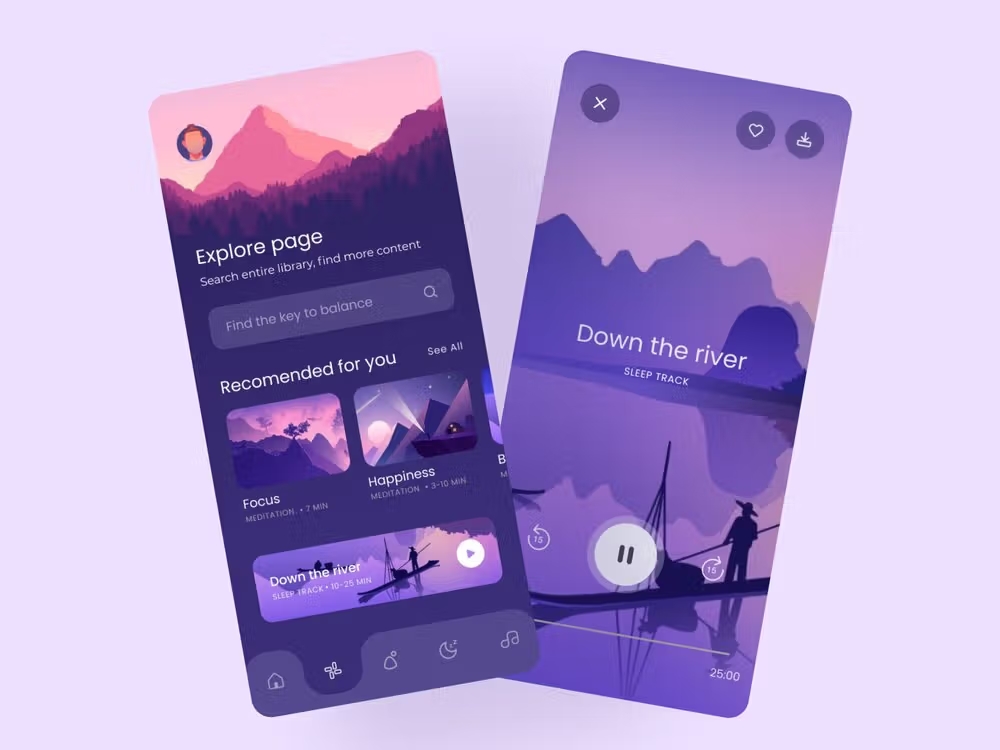
While YouTube is a fantastic free resource, dedicated apps offer curated content, progress tracking, and personalized recommendations. Most offer free trials, so you can find one that fits your style.
Calm, Headspace, and Insight Timer
These are the “big three” for a reason.
- Calm: Famous for its “Sleep Stories” narrated by celebrities, Calm has an extensive library of meditations, music, and soundscapes designed specifically for rest. It’s a great choice if you enjoy variety and storytelling.
- Headspace: With its friendly animations and structured courses, Headspace is perfect for beginners. Its sleep section includes “Sleepcasts” (audio-guided tours of dreamy landscapes) and meditations to help you wind down or get back to sleep if you wake up.
- Insight Timer: This app offers a massive library with thousands of free guided meditations from teachers all over the world, making it the best option if you’re on a budget or want to explore different styles and voices.
Best Free and Budget Sleep Meditation Options
You don’t need to spend money to get results. Beyond Insight Timer’s free collection, YouTube is your best friend. Channels like “Jason Stephenson – Sleep Meditation Music” have millions of subscribers and hours of high-quality content. Many apps also offer a solid selection of free tracks to get you started.
Choosing The Right App For You
So, which one should you pick? Ask yourself a few questions:
- Do I prefer stories or simple guidance? If stories, try Calm. For straightforward instruction, Headspace is great.
- Do I want to explore many different teachers? Insight Timer is your best bet.
- Am I looking for a structured plan? Headspace offers multi-day courses on sleep.
- What’s my budget? Start with Insight Timer or YouTube and see if you need more.
How to Create Your Ideal Sleep Meditation Routine
Consistency is more important than perfection. Creating a simple, enjoyable routine is the key to making meditation a lasting habit. It’s not about clearing your mind completely—it’s about giving it a place to rest.
Step-by-Step Nighttime Meditation Tips
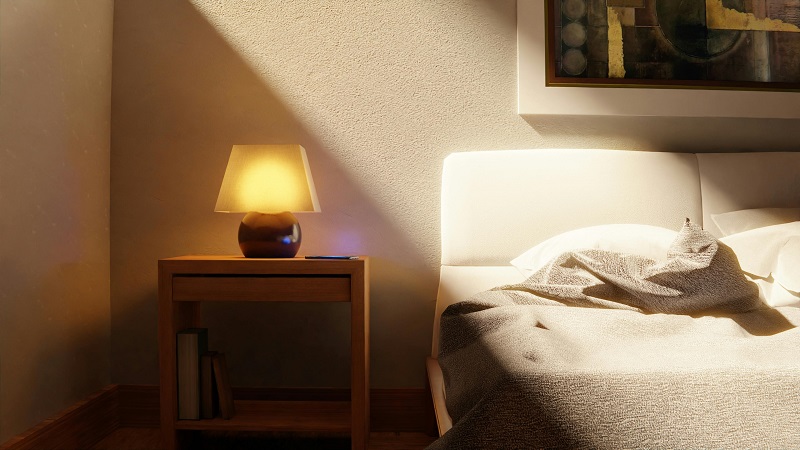
- Prepare Your Space: About 20-30 minutes before bed, dim the lights and put your phone on “do not disturb.” Make your bedroom a sanctuary for rest.
- Get Comfortable: You don’t need a special cushion. In fact, many people ask, “can you meditate lying down?,” and for sleep meditation, the answer is a definite yes! Get into bed and find a comfortable position.
- Choose Your Audio: Have your chosen guided meditation ready to play. Using headphones can help you immerse yourself in the experience.
- Just Listen: Don’t try too hard. Your only job is to listen to the guide’s voice and follow along as best you can.
- Let Your Mind Wander (It’s Okay!): Your mind will wander. It’s what minds do. When you notice it has drifted, gently guide it back to the meditation without any judgment. Every time you do this, you’re strengthening your focus.
Troubleshooting Common Issues
- “What if I can’t focus?” That’s perfectly normal. The goal isn’t to have zero thoughts. The practice is in noticing you’re distracted and kindly returning your focus. It gets easier with time.
- “How long until I see results?” Some people feel a difference the first night, while for others it takes a week or two. Be patient with yourself. The key is gentle consistency. If you want to know more about the duration, check out our thoughts on how long you should meditate.
- “Can my partner or kids join?” Absolutely! Many sleep stories and guided meditations are suitable for all ages. It can be a lovely, calming activity to do together.
Enhancing Sleep Beyond Meditation
Meditation is a powerful tool, but it works best as part of a healthy sleep ecosystem. A few small changes can amplify its effects:
- Create a Wind-Down Hour: Dedicate the last hour before bed to screen-free, relaxing activities. Read a book, do some light stretching, or listen to some calming music you can meditate with.
- Stick to a Schedule: Going to bed and waking up around the same time each day—even on weekends—helps regulate your body’s internal clock.
- Mind Your Environment: Keep your bedroom cool, dark, and quiet. These are strong cues to your brain that it’s time for sleep.
- Try a Calming Tea: A warm cup of caffeine-free herbal tea, like chamomile or lavender, can be a soothing part of your nightly ritual.
Your Journey to Better Sleep
Building a better relationship with sleep is a journey, not a race. Meditation for sleep offers a kind and sustainable path to quieter nights and more energized days. It teaches you to befriend your own mind, even when it’s busy. Start small, be patient, and remember that every session is a step in the right direction.
For more insights on wellness and finding what works for you, feel free to explore more on our site, www.notonetype.org.
