
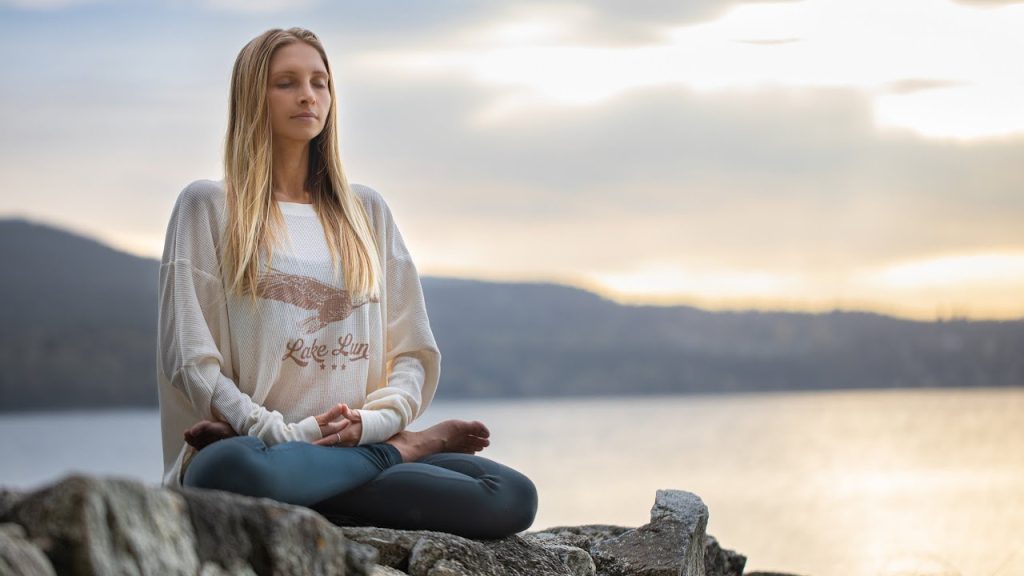
Starting your day with morning meditation can completely change your mental clarity, reduce stress, and set a positive tone for the hours ahead. If you’ve ever wondered what is meditation and how it fits into a busy life, the morning is a perfect starting point. Whether you’re new to this or just want a more consistent practice, this guide has you covered. We’ll walk through simple breathing techniques, figure out the ideal duration, and create the perfect space. In just 5 to 10 minutes each morning, you can build a habit that enhances focus and brings a genuine sense of peace.
Why Practice Morning Meditation?
There’s something special about the early hours. The world is quieter, your mind is fresh, and the day’s distractions haven’t taken hold yet. This creates a unique window of opportunity to set a positive intention before the chaos begins.
Meditating in the morning is both a preparation and a prevention. You’re not just reacting to stress; you’re building a calm foundation to handle whatever comes your way. It’s a quiet moment to check in with yourself, which can lead to better stress management, mental clarity, less anxiety, and sharper focus throughout the day. If you’re curious about when is the best time to meditate, many find the morning offers the least resistance and the most reward.
Mental and Emotional Benefits
Think of morning meditation as a “work in” for your mind. Instead of jumping straight into your to-do list, you take a few minutes to untangle any negative thoughts or anxieties that may have surfaced overnight.
This simple act builds emotional resilience. You start to notice your thought patterns without getting swept away by them. Over time, this can lead to better decision-making and a more creative approach to problems. You’re not just clearing your mind; you’re training it to be more stable and less reactive, which is a core principle of mindfulness.

Physical and Productivity Benefits
The benefits aren’t just in your head. A consistent morning practice can have a real impact on your physical well-being. By calming your nervous system first thing, you can reduce physical tension and even improve your sleep quality over time. It’s a gentle way to manage the body’s stress response before it spirals.
This calm foundation creates a ripple effect on your productivity. When you start the day with a focused mind, you carry that clarity into your work. Tasks seem more manageable, your energy levels feel more stable, and you can approach your day with efficiency instead of frantic energy.
How to Start Morning Meditation as a Beginner
If you’re new to this, the idea of meditation can feel intimidating. Let’s get one thing straight: it doesn’t need to be complicated. You don’t have to sit for an hour or completely empty your mind. Starting with just five minutes is more than enough.
The goal here is consistency, not perfection. Your mind will wander. You might feel restless. That’s completely normal. Every time you notice your mind has drifted and gently bring it back, you are successfully meditating. It’s a practice, not a performance.
Choosing the Right Time and Duration
The best time to meditate is whenever you can do it consistently. For a morning practice, this usually means right after you wake up, use the bathroom, and have a glass of water—before you check your phone.
As for duration, it’s a personal journey. Here’s a simple guideline to consider when thinking about how long you should meditate:
- Beginners: 5–10 minutes is a perfect start.
- Intermediate: 15–20 minutes can deepen your practice.
- Advanced: 30+ minutes might feel right once the habit is solid.
Start small. A sustainable 5-minute daily habit is far more beneficial than a sporadic 30-minute session.
Finding a Comfortable Position
Forget the image of needing to sit in a perfect, painful lotus position. Comfort is key because if you’re uncomfortable, you’ll just be thinking about the discomfort. The goal is an upright, relaxed spine, which helps maintain alertness.
Here are a few great options for how to sit for meditation:
- On a chair: Sit with your feet flat on the floor and your back straight but not stiff.
- On a cushion: Sit cross-legged on a cushion or folded blanket to elevate your hips above your knees.
- Lying down: If sitting is difficult, you absolutely can meditate lying down. Just be mindful not to fall back asleep.
Use pillows for support wherever you need them. Self-compassion is part of the practice, so listen to your body.
Creating Your Meditation Space
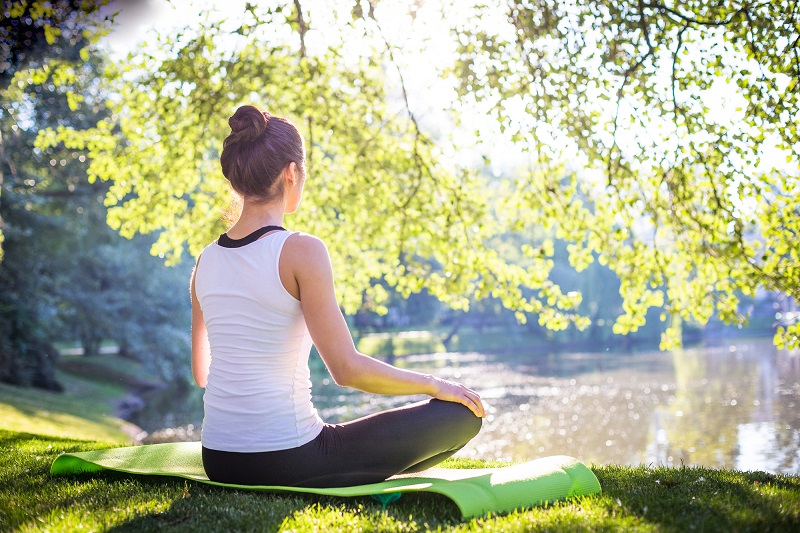
You don’t need a dedicated room. A quiet corner of any room can become your sanctuary. The most important thing is that it’s a space where you won’t be easily distracted.
Here’s how to create a simple space:
- Choose a spot: Find a low-traffic area, maybe near a window for natural light.
- Add comfort: Place a comfortable cushion, chair, or mat there.
- Keep it simple: You can add a candle or a small plant, but clutter is the enemy of calm.
Having a designated spot trains your brain. When you sit there, it knows it’s time to settle down.
Simple Morning Meditation Techniques
There are many ways to meditate. The key is to experiment and find what works for you. Some days you might need a technique that builds focus, while other days you might need one that promotes relaxation.
Breathing Meditation
This is the foundation of many meditation practices because it’s so simple and effective. Your breath is always with you, making it the perfect anchor for your attention. This is a core part of breathwork.
Here’s how to practice meditating on the breath:
- Sit comfortably and gently close your eyes.
- Bring your awareness to the sensation of your breath. Notice the air entering your nostrils, filling your lungs, and then leaving your body.
- Don’t try to change it. Just observe its natural rhythm.
- When your mind wanders (which it will), gently acknowledge the thought and guide your focus back to your breath.
Body Scan Meditation
A body scan is a great way to ground yourself in your physical presence, especially if you wake up feeling anxious or disconnected.
You simply bring your attention to each part of your body, one at a time, from your toes to the top of your head. You’re not trying to fix anything; you’re just noticing the sensations—warmth, tingling, tightness—without judgment. This practice helps release stored tension and builds a stronger mind-body connection.
Guided Meditation for Beginners
Sometimes, the hardest part is getting started on your own. This is where guided meditation for beginners is incredibly helpful. A narrator walks you through the entire process, giving you gentle instructions and reminders.
You can find thousands of free guided morning meditations on apps like Insight Timer, Calm, or even on YouTube. They provide structure and make it easier to stay focused, taking the pressure off of “doing it right.”
Step-by-Step Morning Meditation Practice
Ready to try it? Here is a simple, actionable framework you can use tomorrow morning.
Pre-Meditation Preparation
The moments before you meditate matter. To set yourself up for success, try this sequence:
- Wake up and resist the urge to grab your phone.
- Drink a glass of water.
- Use the bathroom.
- Go directly to your meditation space.
This routine minimizes distractions and helps you transition gently from sleep to mindful awareness. Set a timer so you don’t have to worry about the time.
The 5-Minute Morning Meditation Flow
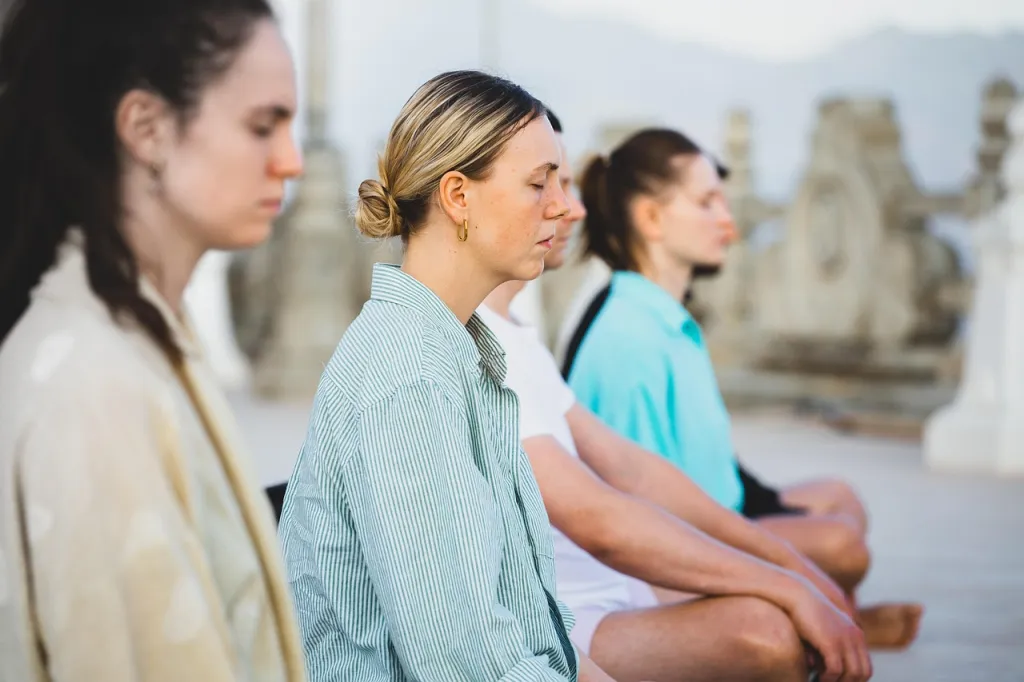
This is a simple structure perfect for anyone just starting out.
- (30 seconds) Settle in: Sit comfortably and gently close your eyes.
- (30 seconds) Deep breaths: Take three slow, deep breaths. Inhale through your nose, exhale through your mouth. Let each exhale release tension.
- (3 minutes) Natural breathing: Let your breath return to its natural rhythm. Rest your attention on the sensation of breathing. When your mind wanders, gently guide it back.
- (1 minute) Return: Slowly bring your awareness back to the room. Wiggle your fingers and toes. When you feel ready, gently open your eyes.
That’s it. You’ve just meditated. As you get more comfortable, you can extend the middle section to 5, 10, or 15 minutes.
Setting Daily Intentions
After your meditation, take one final minute with your eyes closed to set an intention for the day. This isn’t a goal; it’s a guiding principle.
Ask yourself: “What quality do I want to bring into my day?” Perhaps it’s patience, kindness, or focus. Setting an intention helps you carry the calm from your practice into your daily life, making it a powerful tool for cultivating morning meditation for positive energy.
Building a Sustainable Morning Meditation Routine
Anchoring your meditation to an existing habit—like drinking water when you wake up—makes it far easier to stay consistent. This simple structure supports healthier routines overall and aligns naturally with many types of self-care practices.
Anchoring Meditation to Your Morning Routine
The easiest way to build a new habit is to link it to an existing one. This is called habit stacking.
For example, you could decide: “After I have my first glass of water, I will meditate for five minutes.” The existing habit (drinking water) becomes a trigger for the new one (meditation). Placing your cushion or chair in a visible spot also serves as a great visual reminder.
Adapting Your Practice for Different Days
Life happens. Some mornings you’ll oversleep, and others you’ll have an early meeting. The all-or-nothing mindset is the enemy of consistency.
- On rushed days: A 3-minute meditation is better than no meditation.
- On stressful days: Use your practice to acknowledge your anxiety without letting it take over.
- On good days: Maybe extend your session a little longer.
Adapting your practice to fit your life is a sign of progress, not failure.

Tracking Progress and Staying Motivated
Progress in meditation is often subtle. It’s not about having zero thoughts; it’s about noticing you’re a little less reactive, a little more patient, or a bit more focused during the day.
You can use an app to track your sessions or simply make a note in a journal. Periodically checking in with yourself can help you recognize the cumulative benefits, which is a great source of motivation to keep going.
Conclusion
Starting a morning meditation practice is a simple yet profound gift you can give yourself. It’s not about adding another task to your to-do list but about creating a space for clarity and calm before the day begins. Start small, be kind to yourself, and notice the subtle shifts it brings to your life.
For more thoughts on mindful living and finding what works for you, feel free to explore more at www.notonetype.org.

Có thể bạn quan tâm
How to Sit for Meditation: 7 Positions & Posture Guide (2025)
Finding the right way to sit for meditation can feel like the first big hurdle....
Dec
Meditating on the Breath: A Complete Guide to Breath-Focused Meditation
Meditating on the breath is one of the simplest and most accessible forms of what...
Dec
How to Stay Awake During Meditation: Simple Techniques That Work
It’s a familiar story. You settle onto your cushion, ready for a session of peace...
Dec
Can You Meditate Lying Down? A Complete Guide
Let’s clear this up right away: you absolutely can meditate lying down. If you’ve ever...
Dec
Can You Meditate With Music? Benefits & How-To Guide
Meditation comes in many forms, and the question of whether you can meditate with music...
Dec
When Is the Best Time to Meditate? Finding Your Ideal Practice Schedule
So, you’re looking to start a meditation practice, or maybe deepen an existing one. That’s...
Dec